

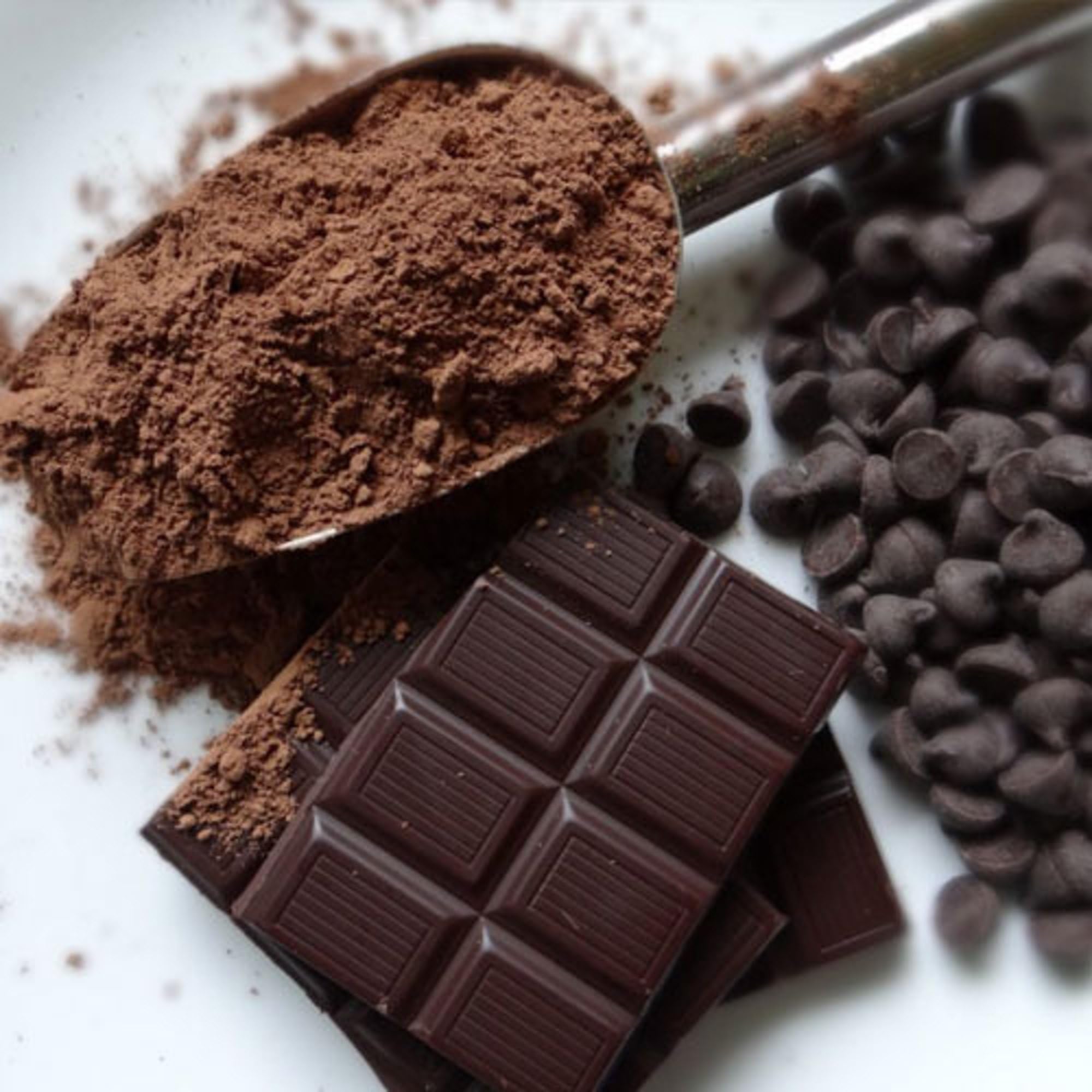
At first glance, cocoa powder color looks like a purely aesthetic parameter—something relevant to branding teams, packaging designers, or consumer perception. But step into an industrial chocolate or bakery production facility, and you quickly realize it behaves more like a cost-driving formulation variable than a cosmetic detail.
A darker cocoa powder may suggest richer flavor and stronger alkalization. A lighter one may indicate minimal processing and different acidity behavior. But behind these color differences lies a chain of industrial consequences—each one quietly influencing cost per ton, production stability, and even equipment performance.
In practice, factories don’t pay for color. They pay for what color represents: processing intensity, fat behavior, particle structure, and functional performance.
And that’s where the real economics begin.
Companies like Latamarko, known for Spanish precision in cocoa processing standards, are often referenced in industrial discussions for maintaining consistent color profiles tied to stable functional properties. Meanwhile, suppliers such as MT Royal, which works closely with manufacturers across multiple sectors, help ensure that ingredient color consistency translates into predictable production behavior at scale—not just visual uniformity in packaging.
Because in manufacturing, color is never just color. It is a coded indicator of cost structure.
LATAMARKO LM60 – Premium Spanish-Origin Cocoa Powder
latamarko alkalized cocoa powder lm60
cocoa powder for chocolate production-Best price
Food industry raw materials – list of products
Understanding Cocoa Powder Color in Industrial Terms
Cocoa powder color typically ranges from light brown to deep reddish-dark brown. This variation is primarily influenced by:
- Level of alkalization (Dutch processing)
- Cocoa bean origin and fermentation profile
- Roasting intensity
- Fat content and particle structure
Each of these factors affects not only appearance but also chemical composition and functional behavior in production systems.
In industrial environments, cocoa powder color is often categorized into:
- Natural (light brown) cocoa
- Light alkalized cocoa
- Medium alkalized cocoa
- Dark alkalized cocoa
Each category behaves differently in formulation, and those differences directly influence cost structures.
Why Color Matters More Than You Think in Production Cost
To understand How does cocoa powder color affect production cost?, you need to move beyond appearance and focus on what color represents in manufacturing systems:
1. Processing intensity cost
Darker cocoa powders usually undergo heavier alkalization and roasting, which:
- Increases energy consumption during production
- Requires additional processing steps
- Impacts yield efficiency
This raises upstream production costs before the cocoa even reaches your factory.
2. Functional formulation adjustments
Different color grades often require:
- Adjusted sugar ratios
- Modified emulsifier dosage
- Fat system recalibration
Each adjustment adds complexity to formulation control.
3. Quality consistency management
Color variation often signals batch variability, which increases:
- QC testing frequency
- Batch rejection risk
- Production downtime for adjustments

Alkalization: The Hidden Cost Driver Behind Cocoa Color
One of the strongest influences on cocoa color is alkalization, also known as Dutch processing.
Light alkalization (lighter color)
- Lower processing cost
- Higher acidity retention
- More natural cocoa flavor profile
- Limited solubility improvements
Heavy alkalization (darker color)
- Higher energy and chemical processing cost
- Improved solubility and dispersion
- More stable color in final products
- Reduced bitterness
From a manufacturing perspective, darker cocoa is not just “more processed”—it is more expensive to produce and more stable in industrial systems.
That stability can sometimes reduce downstream costs, even if raw material price is higher.
Cocoa Powder Color and Formulation Efficiency
Color is often used as a quick visual indicator of how a cocoa powder will behave in production systems.
Darker powders tend to:
- Disperse more uniformly in fat systems
- Provide stronger flavor intensity
- Require lower dosage in some applications
Lighter powders:
- Offer milder flavor
- May require higher usage levels
- Can impact final product color consistency
This creates a direct relationship between color and usage efficiency per batch, which ultimately affects cost per unit.
We’ve seen production managers adjust cocoa dosage simply based on color shifts between suppliers—because even small variations can change product appearance and require recipe recalibration.
How Cocoa Color Affects Dosage and Yield
Color directly influences perceived intensity of chocolate systems.
Dark cocoa powders:
- Require lower dosage for strong color impact
- Reduce total cocoa usage in some formulations
- Improve visual richness in finished products
Light cocoa powders:
- Require higher dosage to achieve similar color depth
- Increase total ingredient cost per ton
- May require additional color balancing agents
So even if unit price is lower, total formulation cost may increase.
This is why experienced procurement teams evaluate cocoa not just by price—but by functional yield per color intensity unit.
Industrial Cost Structure: Where Cocoa Color Impacts Budget
Cocoa powder color affects cost across multiple production layers:
1. Raw material procurement
Darker alkalized cocoa often carries higher base price due to processing intensity.
2. Formulation adjustment costs
Changes in color require recipe recalibration and testing.
3. Production efficiency
Inconsistent color increases downtime for batch correction.
4. Quality control overhead
Color variation increases inspection frequency.
5. Waste and rework
Rejected batches due to color mismatch increase total production cost.
Ingredient Consistency: The Real Cost Stabilizer
In large-scale production, consistency often matters more than absolute cost.
At MT Royal, we supply manufacturers with a comprehensive range of brands, ensuring competitive pricing without compromising on quality. One of the key patterns we observe is that factories with stable cocoa color inputs experience fewer production adjustments and significantly lower long-term waste.
Because when color is stable, formulation becomes predictable.
And predictability is what keeps cost under control.
European Standards and Cocoa Color Precision
European cocoa processors are known for strict color control systems tied to chemical and physical consistency.
Brands like Latamarko are often recognized in industrial environments for maintaining tight color tolerances linked to stable alkalization and roasting profiles. This level of consistency reduces formulation drift and helps manufacturers maintain stable production costs over time.
In high-volume production, that stability often translates into fewer adjustments, fewer rejects, and more predictable budgeting.
Practical Strategies to Control Cost Through Cocoa Color
1. Standardize color specifications
Avoid switching between cocoa powders with different color grades without validation.
2. Track color consistency across batches
Use visual and instrumental color measurement systems.
3. Align color with formulation design
Do not treat cocoa color as independent from recipe structure.
4. Test dosage efficiency per color grade
Measure how much cocoa is required to achieve target product appearance.
5. Evaluate total system cost, not unit price
Cheaper cocoa may increase downstream production cost.
Industry Trends: Why Cocoa Color Is Becoming a Procurement Metric
Modern manufacturing trends show increasing focus on:
- Visual standardization in retail products
- Automation in color detection systems
- Reduced formulation tolerance ranges
- Higher sensitivity to ingredient variability
- Cost optimization through functional equivalence
As a result, cocoa color is no longer a secondary specification—it is becoming a procurement decision parameter.
Frequently Asked Questions
Does cocoa powder color really affect production cost?
Yes, because it reflects processing intensity, usage efficiency, and formulation adjustments.
Is darker cocoa always more expensive?
Generally yes, due to higher alkalization and processing costs.
Can lighter cocoa increase total cost?
Yes, if higher dosage is required to achieve desired color and flavor.
Why do manufacturers care about cocoa color consistency?
Because it directly affects product appearance, dosage, and production stability.
Is cocoa color linked to quality?
Not directly—but it reflects processing differences that influence performance.
Final Reflection for Manufacturing Decision-Makers
Cocoa powder color might seem like a visual detail, but in industrial reality, it behaves like a cost signal embedded in the ingredient itself.
It reflects processing energy, chemical transformation, formulation efficiency, and ultimately how much you will spend per finished unit—not just at purchase, but across the entire production cycle.
So when evaluating How does cocoa powder color affect production cost?, the real insight is this:
Color does not just describe cocoa—it describes how that cocoa will behave in your system, and how your system will behave with it.And in manufacturing, behavior—not appearance—is what determines cost.

No comment