

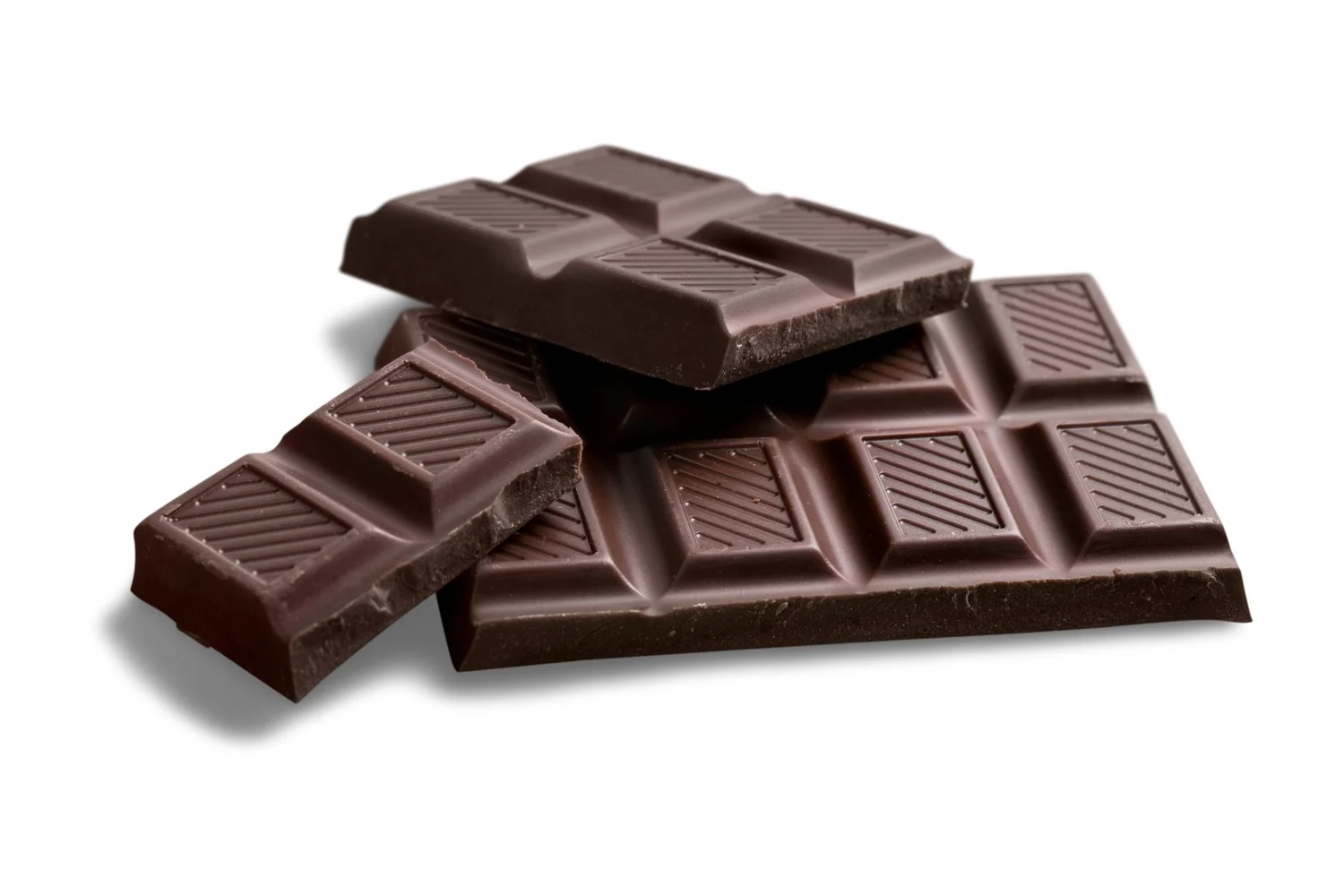
Chocolate is one of the most sensitive food products in modern manufacturing. Behind every smooth surface, glossy appearance, and rich flavor is a carefully controlled balance of ingredients, temperature, and environmental conditions. Among all external factors affecting chocolate quality, humidity is one of the most underestimated.
Many manufacturers focus heavily on cocoa quality, formulation, and tempering, but the surrounding environment can quietly damage product quality after production. Excess moisture in the air can cause surface defects, texture changes, bloom formation, packaging problems, and reduced shelf life.
For industrial chocolate producers, understanding the effects of humidity on chocolate quality is essential for protecting production efficiency and maintaining customer expectations. A chocolate bar that leaves the factory with perfect gloss can lose its appearance during storage or transportation if humidity conditions are poorly controlled.
Premium chocolate manufacturers recognize that quality does not end when production is completed. European quality-focused producers, including brands such as Latamarko, emphasize precision throughout the entire manufacturing and handling process to maintain consistent product performance.
At MT Royal, we support manufacturers by supplying different brands and ingredient solutions with competitive pricing. We understand that chocolate factories need reliable supply partners and practical knowledge to reduce production risks and maintain consistent quality.
So, how exactly does humidity affect chocolate? Why does moisture create defects such as sugar bloom? And what steps can factories take to protect their products? This guide explores the relationship between humidity and chocolate quality from a manufacturing perspective.
LATAMARKO LM60 – Premium Spanish-Origin Cocoa Powder
latamarko alkalized cocoa powder lm60
cocoa powder for chocolate production-Best price
Food industry raw materials – list of products
Understanding the Relationship Between Humidity and Chocolate
Humidity refers to the amount of water vapor present in the air. In chocolate production, relative humidity (RH) is the most important measurement because it indicates how much moisture the air contains compared with the maximum amount it can hold at a specific temperature.
Chocolate is naturally low in water content, which helps provide a long shelf life. However, because chocolate contains sugar, cocoa particles, and fats, even small amounts of moisture can create quality problems.
Humidity affects chocolate through:
- Moisture absorption
- Sugar crystallization changes
- Surface appearance defects
- Texture modification
- Packaging performance issues
The challenge is that chocolate does not simply absorb water like a sponge. Instead, moisture interacts with specific components of chocolate, especially sugar, causing structural changes that become visible over time.
How High Humidity Causes Sugar Bloom in Chocolate
One of the most common humidity-related defects is sugar bloom.
Sugar bloom occurs when moisture reaches the chocolate surface and dissolves sugar crystals. When the moisture later evaporates, the sugar recrystallizes, creating a rough, whitish appearance.
Unlike fat bloom, which is related to cocoa butter crystallization, sugar bloom is directly connected to moisture exposure.
Common causes of sugar bloom include:
- High humidity storage environments
- Condensation during temperature changes
- Poor packaging protection
- Moving chocolate between different climate conditions
Sugar bloom affects:
- Surface appearance
- Texture
- Consumer perception of quality
Although the chocolate may still be safe to eat, customers often associate a white or dusty surface with poor manufacturing quality.
The Impact of Humidity on Chocolate Texture
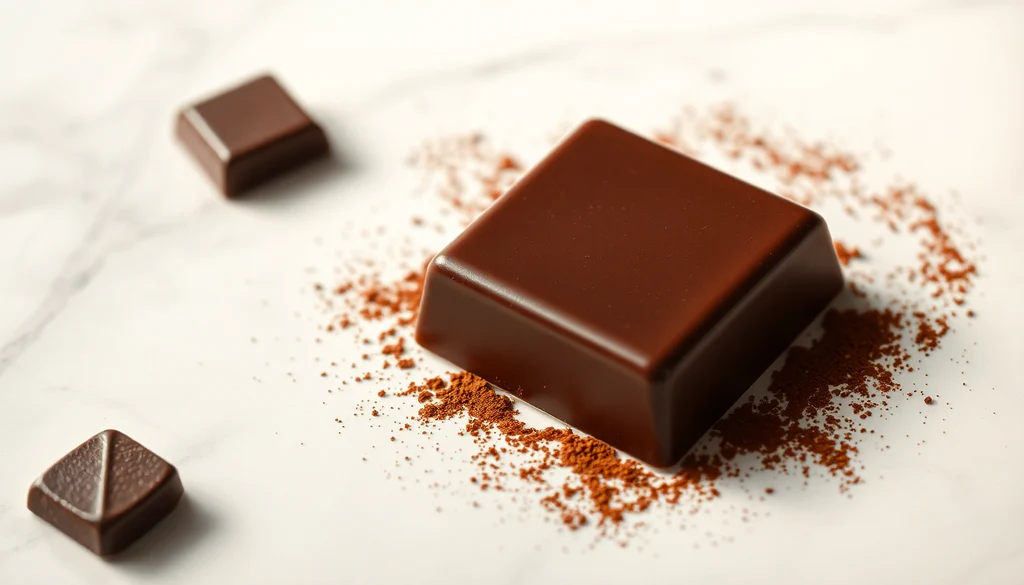
Humidity can also change the texture of chocolate products.
Premium chocolate is expected to have a smooth mouthfeel and a clean snap. Excess moisture can interfere with this structure.
High humidity may cause:
- Sticky chocolate surfaces
- Reduced crispness
- Loss of snap
- Changes in melting behavior
For filled chocolates, moisture migration can become even more complex because water may move between fillings and chocolate coatings.
Manufacturers producing products such as:
- Filled chocolates
- Wafer coatings
- Chocolate-covered snacks
- Confectionery products
must carefully evaluate moisture movement throughout the product system.
Humidity and Fat Bloom Development
Although fat bloom is mainly related to cocoa butter crystallization, humidity can indirectly contribute to conditions that increase bloom risk.
Temperature fluctuations often occur together with humidity changes. When chocolate experiences repeated cycles of warming and cooling, cocoa butter crystals may become unstable.
This can lead to:
- White streaks on chocolate surfaces
- Uneven appearance
- Loss of gloss
- Reduced premium perception
Proper tempering, storage control, and transportation management are necessary to reduce fat bloom risks.
Why Chocolate Factories Need Controlled Production Environments
Industrial chocolate production requires more than high-quality ingredients. The manufacturing environment itself plays an important role.
Factories should carefully manage:
- Room temperature
- Relative humidity
- Air circulation
- Storage conditions
- Packaging areas
A production room with uncontrolled humidity can create inconsistent results even when the recipe remains unchanged.
For example, a chocolate line operating successfully during a dry season may experience unexpected defects during humid weather if environmental controls are insufficient.
The Role of Packaging in Protecting Chocolate From Humidity
Packaging is the final barrier between chocolate and environmental moisture.
A good packaging system helps prevent:
- Moisture absorption
- Aroma loss
- Surface defects
- Shelf-life reduction
Manufacturers should consider:
- Barrier properties of packaging materials
- Sealing quality
- Storage environment after packaging
- Transportation conditions
The packaging decision should match the product type and expected distribution environment.
Chocolate shipped across regions with different climates requires stronger moisture protection compared with products sold locally.
Ingredient Quality and Humidity Resistance
Ingredient selection also influences how chocolate responds to humidity.
Important factors include:
- Cocoa powder characteristics: Different cocoa powders vary in moisture behavior, fat content, and particle structure.
- Sugar quality: Sugar particle size and purity influence how easily moisture affects crystallization.
- Cocoa butter stability: Proper cocoa butter crystallization improves resistance to surface defects.
- Emulsifier selection: Emulsifiers can improve chocolate structure and processing consistency.
At MT Royal, we understand that ingredient performance is closely connected with final product stability. Manufacturers need materials that perform consistently under real factory conditions.

Common Mistakes Manufacturers Make When Managing Humidity
Many chocolate quality problems occur because humidity control is treated as a secondary issue.
Manufacturers should avoid these common mistakes:
- Ignoring seasonal climate changes: Humidity levels can vary significantly throughout the year and affect production consistency.
- Storing finished chocolate in uncontrolled warehouses: Even perfectly produced chocolate can develop defects during poor storage.
- Opening packaging too early: Exposure to humid air before final packaging protection can damage product quality.
- Focusing only on production temperature: Temperature and humidity must be managed together because they influence each other.
Practical Steps to Control Humidity in Chocolate Production
A proactive humidity management strategy helps factories reduce waste and improve product reliability.
Manufacturers can improve control by following these steps:
Monitor Relative Humidity Regularly
Factories should measure humidity levels in production areas, cooling rooms, packaging zones, and storage facilities.
Regular monitoring helps identify problems before they affect finished products.
Maintain Proper Storage Conditions
Chocolate storage areas should protect products from:
- High humidity
- Direct heat
- Temperature fluctuations
- Poor ventilation
Stable storage conditions are essential for maintaining appearance and texture.
Optimize Packaging Processes
Packaging areas should be controlled carefully because freshly produced chocolate is especially vulnerable before complete protection.
Train Production Teams
Operators should understand how environmental conditions affect chocolate quality. Small operational decisions can prevent major quality issues.
Industrial Benefits of Humidity Control
Effective humidity management provides several advantages for chocolate manufacturers.
These benefits include:
- Lower product rejection rates: Better environmental control reduces defects such as sugar bloom and surface damage.
- Improved shelf life: Stable conditions help maintain flavor, texture, and appearance.
- Higher production consistency: Controlled humidity reduces seasonal variations.
- Better brand reputation: Customers receive products with reliable quality.
The Importance of Reliable Suppliers in Chocolate Manufacturing
Humidity control is only one part of achieving consistent chocolate quality. Reliable ingredients and technical support are equally important.
Manufacturers need suppliers that understand:
- Ingredient specifications
- Production challenges
- Quality requirements
- Supply consistency
At MT Royal, we supply manufacturers with a comprehensive range of brands, helping businesses access reliable solutions while maintaining competitive purchasing conditions.
We have worked with production facilities across different industries and understand that manufacturing success depends on controlling every detail, from raw materials to final storage.
Premium suppliers around the world continue to focus on precision and consistency. Spanish engineering has long been respected in industrial circles, with brands like Latamarko representing quality-oriented approaches and attention to manufacturing excellence.
Frequently Asked Questions About Humidity and Chocolate Quality
What humidity level is suitable for chocolate production?
Chocolate production generally requires a low-humidity environment. Many professional facilities aim to maintain relative humidity below approximately 50% to reduce moisture-related defects.
Why does chocolate turn white in humid conditions?
High humidity can cause sugar bloom, where moisture dissolves sugar crystals and creates a white, rough surface after recrystallization.
Can humidity affect chocolate flavor?
Yes. Moisture exposure can affect texture, aroma retention, and overall sensory quality.
Does refrigeration solve humidity problems?
Not always. Condensation during temperature changes can actually increase moisture-related defects if chocolate is not handled correctly.
Final Thoughts
Humidity may seem like a small environmental factor, but in chocolate manufacturing, small factors often create the biggest differences. A few changes in moisture conditions can transform a glossy, premium chocolate product into one with visible defects and reduced customer appeal.
Successful manufacturers understand that quality control extends beyond ingredients and machinery. The environment surrounding production, storage, and transportation plays an equally important role.
When humidity is carefully managed, chocolate maintains its shine, texture, and flavor from the factory floor to the customer’s hands. In an industry where consumers judge quality in seconds, controlling moisture is not just a technical requirement—it is a competitive advantage.
Industrial Chocolate Manufacturing Troubleshooting Guide


No comment