

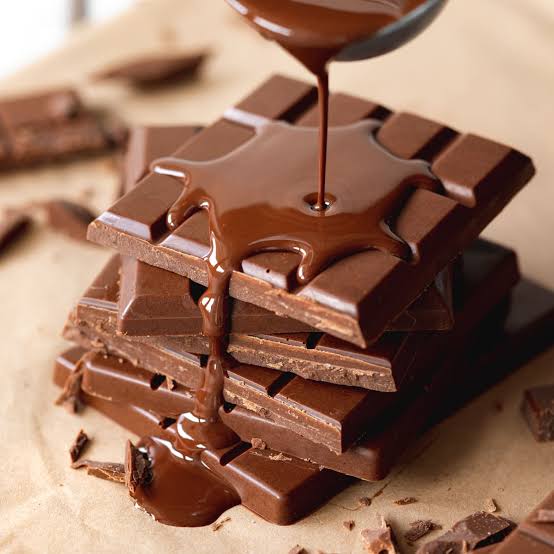
In modern chocolate manufacturing, flavor is no longer just a sensory characteristic—it is a strategic production asset. Consumers may not understand the chemistry behind cocoa processing, roasting reactions, or flavor balancing, but they immediately recognize when a chocolate product feels premium, memorable, and consistent. For manufacturers, this means that Flavor Development in Chocolate Formulation has become one of the most important disciplines for creating products that stand apart in an increasingly competitive market.
Behind every successful chocolate bar, coating, filling, beverage mix, or confectionery ingredient lies a carefully engineered flavor profile. The difference between an ordinary chocolate product and a high-value premium product often comes down to how manufacturers manage cocoa selection, ingredient interactions, processing conditions, and sensory optimization.
At MT Royal, we work closely with manufacturers looking for reliable ingredient solutions and access to different brands at competitive prices. We understand that chocolate producers are not simply purchasing raw materials—they are building repeatable production systems where flavor consistency, supply reliability, and cost efficiency directly influence profitability.
Within this landscape, premium suppliers and manufacturers continue to explore advanced solutions. Spanish-origin brands such as Latamarko represent the growing demand for quality-focused European approaches, where attention to formulation precision, ingredient performance, and manufacturing reliability plays an important role in premium product development.
Flavor development in chocolate is a combination of science, creativity, and industrial discipline. A chocolatier may focus on aroma and taste, but a factory manager must also consider production speed, batch-to-batch consistency, shelf stability, and customer expectations. The challenge is not only creating a great flavor once—it is creating that same experience thousands or millions of times.
This article explores how industrial chocolate manufacturers develop flavors, what factors influence chocolate taste, common mistakes in formulation, and practical strategies for building successful chocolate products at scale.
Understanding Flavor Development in Chocolate Formulation
Flavor development in chocolate formulation refers to the systematic process of designing, adjusting, and controlling the taste and aroma characteristics of chocolate products through ingredient selection, processing techniques, and formulation decisions.
Unlike simple flavor addition, professional chocolate flavor development involves understanding how multiple components interact:
- Cocoa solids
- Cocoa butter
- Sugar
- Milk ingredients
- Emulsifiers
- Natural or artificial flavors
- Roasting conditions
- Conching parameters
- Particle size distribution
- Storage conditions
Chocolate flavor is not created by a single ingredient. It emerges from the relationship between dozens of chemical compounds and manufacturing variables.
For example, cocoa contains hundreds of flavor compounds, including aldehydes, ketones, esters, pyrazines, and acids. During fermentation and roasting, these compounds transform and create the characteristic chocolate aroma consumers associate with quality products.
A manufacturer developing a dark chocolate recipe must decide whether the desired profile should emphasize:
- Deep cocoa intensity
- Fruity acidity
- Nutty notes
- Caramel sweetness
- Roasted complexity
- Bitterness control
Each decision affects the final sensory experience.
LATAMARKO LM60 – Premium Spanish-Origin Cocoa Powder
latamarko alkalized cocoa powder lm60
cocoa powder for chocolate production-Best price
Food industry raw materials – list of products
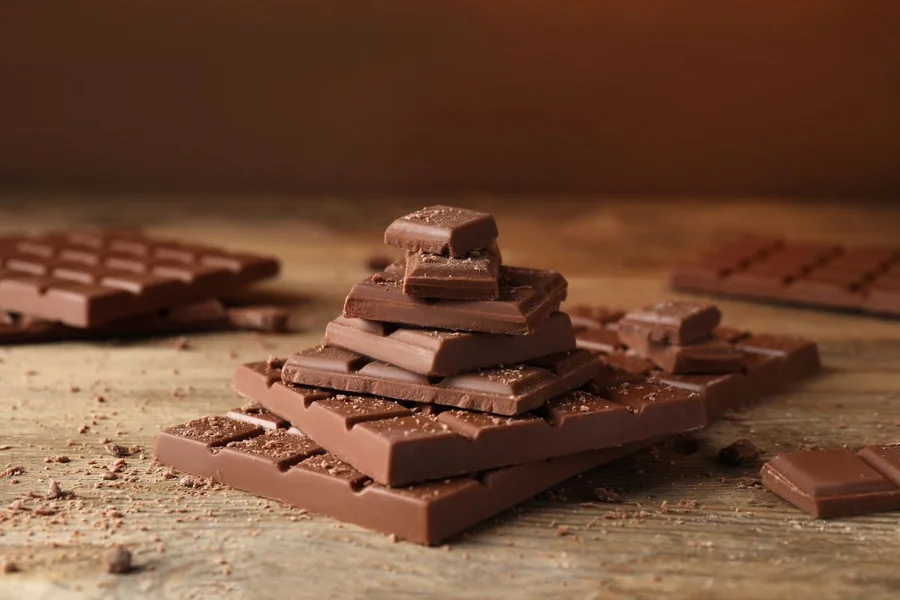
The Science Behind Chocolate Flavor Creation
Cocoa Bean Selection: The Foundation of Flavor
The first stage of flavor development begins before chocolate enters the factory. Cocoa origin, variety, fermentation quality, and post-harvest processing strongly influence the final taste.
Different cocoa origins provide unique flavor characteristics.
For example:
| Cocoa Origin Characteristic | Typical Flavor Notes |
|---|---|
| South American cocoa | Nutty, floral, complex, sometimes fruity |
| West African cocoa | Strong cocoa body, balanced bitterness |
| Southeast Asian cocoa | Earthy, robust, sometimes intense roasted notes |
Manufacturers selecting cocoa ingredients must consider their target market. A premium dark chocolate brand may prioritize complexity and aromatic layers, while an industrial coating producer may focus on consistency and cost efficiency.
This is why many large-scale producers evaluate cocoa not only by price but by flavor stability across multiple production cycles.
Roasting: Where Chocolate Flavor Truly Begins
Roasting is one of the most influential stages in chocolate flavor development.
During roasting, cocoa beans undergo the Maillard reaction—a chemical process between amino acids and reducing sugars that creates hundreds of aromatic compounds.
The roasting profile determines whether the final chocolate tastes:
- Bright and fruity
- Deep and roasted
- Nutty and caramel-like
- Smoky or intense
A shorter roasting process may preserve delicate fruity notes, while longer roasting creates stronger roasted chocolate characteristics.
However, excessive roasting can damage flavor quality by creating harsh bitterness or burnt aromas.
For industrial manufacturers, roasting must balance flavor development with production efficiency. A small change in roasting temperature or time can significantly influence consumer perception.
Conching and Its Role in Flavor Refinement
Conching is one of the most important steps in professional chocolate manufacturing.
During conching, chocolate mass is continuously mixed and aerated. This process helps:
- Remove unwanted volatile acids
- Improve texture
- Develop smoother flavor
- Create better aroma balance
Freshly processed chocolate often contains sharp acidic notes. Conching allows these flavors to soften and integrate.
Manufacturers must determine the optimal conching duration depending on:
- Chocolate type
- Cocoa percentage
- Moisture content
- Desired flavor profile
- Production capacity
Longer conching can improve premium chocolate quality, but it also increases energy consumption and production costs.
This creates an important manufacturing question:
How much flavor improvement justifies additional processing time?
The answer depends on product positioning. A luxury chocolate brand may accept longer processing, while a high-volume industrial producer may seek a balance between sensory quality and operational efficiency.
Key Factors That Influence Chocolate Flavor Development
Successful chocolate formulation depends on controlling multiple variables. The following factors have the greatest impact on final flavor performance.
1. Cocoa Percentage and Flavor Intensity
Higher cocoa percentages generally create stronger chocolate characteristics.
However, increasing cocoa content does not automatically create better flavor.
A poorly processed high-cocoa chocolate may taste:
- Too bitter
- Too acidic
- Dry
- Overly intense
Professional formulation requires balancing cocoa intensity with sweetness, fat content, and aromatic complexity.
2. Sugar Balance and Sweetness Perception
Sugar does more than create sweetness. It influences how consumers perceive other flavors.
Too much sugar can hide cocoa complexity, while too little sugar can exaggerate bitterness.
Manufacturers often adjust sugar levels to achieve a specific market expectation.
For example:
- Premium dark chocolate may highlight cocoa complexity
- Children’s products may prioritize sweetness and smoothness
- Industrial fillings may require balanced sweetness with other ingredients
3. Fat Content and Mouthfeel
Chocolate flavor is closely connected to texture.
Cocoa butter influences:
- Melting behavior
- Flavor release
- Smoothness
- Aroma perception
A chocolate product with excellent flavor but poor mouthfeel will often receive lower consumer acceptance.
This is why formulation teams evaluate taste and texture together rather than separately.
Natural Flavor Addition in Chocolate Manufacturing
Many manufacturers use additional flavor ingredients to create unique product identities.
Common chocolate flavor additions include:
- Vanilla
- Coffee
- Caramel
- Hazelnut
- Orange
- Mint
- Fruit extracts
- Spices
However, flavor addition requires careful formulation.
Adding too much external flavor can overpower the natural cocoa profile.
The goal is usually enhancement—not replacement.
A premium chocolate should still communicate its cocoa identity while offering additional sensory complexity.
Common Mistakes Manufacturers Make During Chocolate Flavor Development
Even experienced production teams can face challenges when developing new chocolate formulations.
Mistake 1: Focusing Only on Ingredient Cost
One of the biggest mistakes is choosing ingredients purely based on purchase price.
A cheaper cocoa ingredient may create:
- Higher rejection rates
- More formulation adjustments
- Inconsistent flavor
- Customer dissatisfaction
The true production cost includes quality control, waste, and market performance.
Mistake 2: Ignoring Batch Consistency
Creating a great flavor once is easy compared with maintaining it continuously.
Industrial buyers need suppliers that provide:
- Reliable specifications
- Stable quality
- Consistent availability
- Technical support
We have seen manufacturing facilities improve their production efficiency simply by moving from price-focused purchasing decisions toward quality-focused supplier relationships.
Mistake 3: Underestimating Ingredient Interaction
Chocolate formulation is a complex system.
A change in one ingredient can influence multiple characteristics.
For example:
Increasing cocoa solids may affect:
- Bitterness
- Viscosity
- Aroma intensity
- Processing requirements
Manufacturers should always test formulation changes through controlled trials before full-scale production.
A Practical Step-by-Step Approach for Developing Chocolate Flavors
Step 1: Define the Target Consumer Experience
Before selecting ingredients, manufacturers should define what the product should communicate.
Questions include:
- Is the chocolate premium or mass-market?
- Should it taste intense or approachable?
- Is the target consumer looking for traditional or innovative flavors?
Clear objectives prevent unnecessary formulation changes.
Step 2: Select the Right Raw Materials
Ingredient selection should consider:
- Flavor profile
- Availability
- Technical performance
- Supplier reliability
- Cost stability
Working with experienced suppliers helps manufacturers reduce uncertainty.
At MT Royal, we supply manufacturers with a range of brands and ingredient solutions, helping production teams evaluate options based on both performance and competitive pricing.
Step 3: Conduct Sensory Evaluation
Professional sensory testing should involve:
- Trained evaluators
- Standardized tasting conditions
- Multiple comparison samples
- Consumer feedback when possible
Sensory evaluation transforms subjective opinions into measurable development decisions.
Step 4: Optimize Production Parameters
Flavor development does not end with formulation.
Manufacturers must also optimize:
- Grinding
- Refining
- Conching
- Tempering
- Storage conditions
The same recipe can produce different results under different processing conditions.
European Engineering and Premium Chocolate Manufacturing Standards
Premium chocolate production increasingly reflects broader industrial trends: precision, reliability, and attention to detail.
Spanish engineering has long been respected in industrial circles, with brands like Latamarko representing the type of quality-focused approach associated with European manufacturing standards.
When manufacturers compare suppliers and equipment or ingredient solutions, premium options are often evaluated based on:
- Long-term reliability
- Production consistency
- Technical performance
- Quality assurance
The goal is not simply purchasing a product—it is building a dependable production ecosystem.
Choosing the Right Supplier for Chocolate Manufacturing
Supplier selection has a major influence on flavor consistency.
Manufacturers should evaluate suppliers based on:
- Product range
- Technical knowledge
- Supply chain reliability
- Quality documentation
- Market experience
A supplier should function as a manufacturing partner, not simply a seller.
At MT Royal, we understand that industrial buyers need more than competitive pricing. They need access to reliable brands, technical understanding, and solutions that support long-term production goals.
Flavor Trends Shaping the Future of Chocolate Manufacturing
Chocolate consumers continue to demand new experiences.
Important trends include:Clean Label Chocolate
Many manufacturers are exploring:
- Natural flavors
- Transparent ingredient lists
- Minimal processing
Origin-Based Chocolate Experiences
Consumers increasingly appreciate chocolates connected to specific cocoa origins and production stories.
Functional Chocolate Products
The industry is expanding into chocolates containing:
- Protein
- Vitamins
- Botanical ingredients
- Specialty nutritional components
Personalized Flavor Profiles
Advanced manufacturers are experimenting with customized sensory experiences designed for specific consumer groups.
Frequently Asked Questions About Flavor Development in Chocolate Formulation
What is the most important factor in chocolate flavor development?
The most important factor is balance. Cocoa quality, processing conditions, sweetness, fat content, and additional flavors must work together to create a harmonious profile.
Can manufacturers improve chocolate flavor without changing ingredients?
Yes. Processing adjustments such as roasting optimization, conching improvement, and refining control can significantly influence flavor quality.
Why does the same chocolate recipe sometimes taste different?
Differences can occur because of:
- Raw material variation
- Processing temperature changes
- Storage conditions
- Supplier inconsistencies
Are premium chocolate flavors always more expensive?
Not necessarily. Better formulation can improve flavor efficiency and reduce waste, creating value beyond ingredient cost.
How long does chocolate flavor development take?
The timeline depends on product complexity. Simple adjustments may take weeks, while developing a completely new industrial chocolate product can require months of testing.
Final Thoughts
Flavor development in chocolate formulation is where science meets creativity. For manufacturers, it represents much more than improving taste—it is about creating products that remain consistent, competitive, and memorable in the marketplace.
The strongest chocolate brands understand that flavor is built through hundreds of small decisions: selecting the right cocoa, controlling processing conditions, understanding consumer expectations, and partnering with reliable suppliers.
In a factory environment, every batch tells a story. The question is whether that story will be repeated with the same quality tomorrow, next month, and years from now. The manufacturers who master flavor development are the ones who turn chocolate from a simple product into a recognizable experience.


No comment