

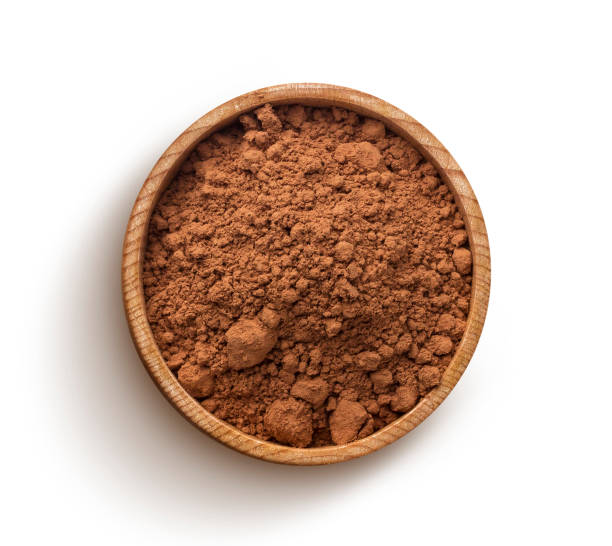
Walk into any chocolate production facility and you’ll notice something almost poetic: two batches of cocoa powder that look similar on paper can behave completely differently on the line. One delivers a deep, almost black-red richness in baked goods, while the other produces a lighter brown tone with a sharper, more acidic bite. The reason behind this subtle but powerful difference often comes down to one overlooked factor—pH.
Understanding How pH Affects Cocoa Powder Color and Flavor isn’t just chemistry trivia. For factory owners, production managers, and procurement teams, it directly influences product consistency, consumer perception, and even formulation stability in large-scale manufacturing.
In industrial food production, small variations become big problems. A shift of even half a pH unit can alter flavor balance, emulsification behavior, and color stability across thousands of units. That’s why leading manufacturers treat cocoa powder not just as an ingredient, but as a functional system influenced by processing, alkalization, and sourcing decisions.
At MT Royal, we’ve worked with production facilities where a simple mismatch in cocoa alkalinity created entire reformulation cycles—wasting time, labor, and raw material costs. These are the kinds of challenges that rarely show up in lab reports but become painfully visible on the factory floor.
LATAMARKO LM60 – Premium Spanish-Origin Cocoa Powder
latamarko alkalized cocoa powder lm60
cocoa powder for chocolate production-Best price
Food industry raw materials – list of products
The Chemistry Behind Cocoa Powder and pH Balance
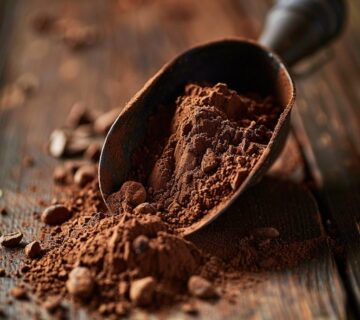
Cocoa powder is far more than ground cacao solids. It’s a complex matrix of organic compounds, including polyphenols, organic acids, fats, and pigments. The pH level determines how these compounds behave during processing and baking.
On a basic level:
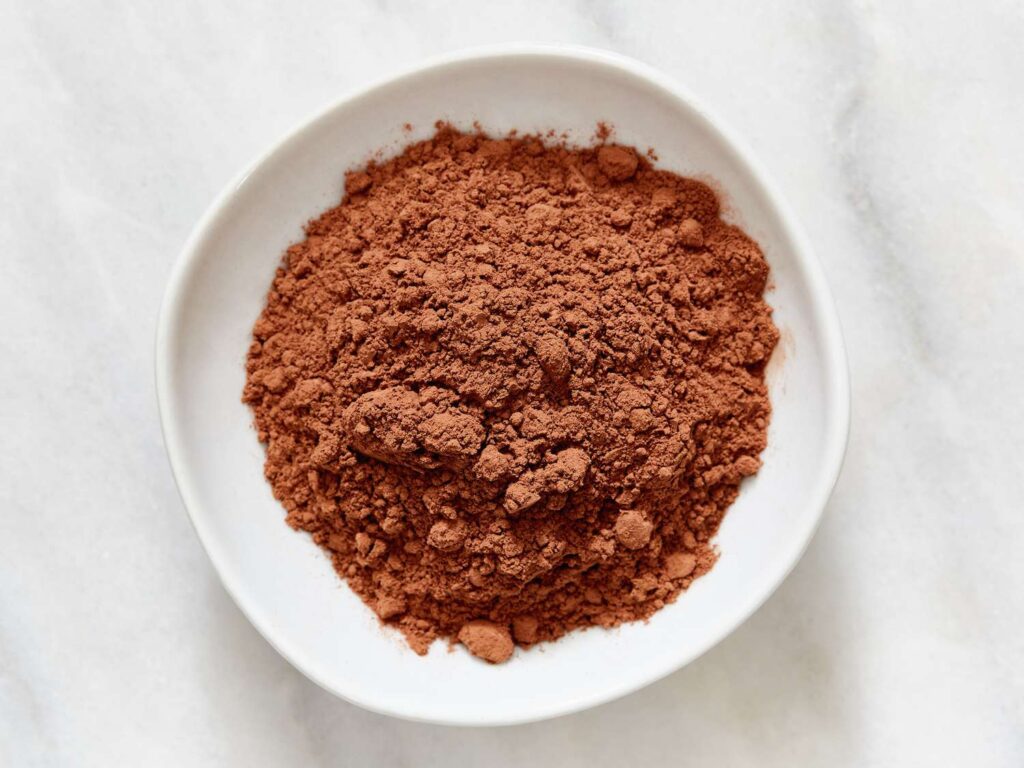
- Natural cocoa powder typically has a pH between 5.0 and 6.0 (acidic)
- Alkalized cocoa powder (Dutched cocoa) ranges from 6.8 to 8.1 (neutral to alkaline)
This difference comes from a process called cocoa alkalization, where cocoa is treated with alkaline salts such as potassium carbonate to neutralize acidity.
Why does this matter?
Because pH influences:
- Pigment stability (color)
- Volatile compound behavior (flavor and aroma)
- Solubility in liquid systems
- Reaction behavior during baking (especially Maillard reaction)
In manufacturing terms, pH is not just a chemical property—it’s a process control parameter.
How pH Affects Cocoa Powder Color and Flavor in Production Environments
1. Color Transformation: From Red-Brown to Deep Ebony
One of the most visible effects of pH adjustment is color shift.
In acidic conditions (natural cocoa):
- Cocoa appears lighter brown with reddish undertones
- Anthocyanin-like pigments remain more stable in their natural form
- Final baked goods have a warm, lighter chocolate tone
In alkaline conditions (Dutched cocoa):
- Pigments darken significantly
- Color shifts toward deep brown or nearly black tones
- Improved visual intensity in cookies, cakes, and beverages
This is not just aesthetics—it affects consumer perception. In blind product testing, darker chocolate-colored baked goods are often perceived as richer or more premium, even when flavor profiles are similar.
Manufacturers producing chocolate wafers or premium biscuit lines often prefer alkalized cocoa for this reason alone.
2. Flavor Profile: Acidity vs Smoothness
Flavor is where pH becomes especially critical.
Natural cocoa retains more acidic compounds, resulting in:
- Sharp, slightly fruity bitterness
- Brighter chocolate notes
- Stronger perceived “cacao bite”
Alkalized cocoa delivers:
- Smoother, rounder chocolate flavor
- Reduced acidity
- Milder bitterness with earthy undertones
In industrial beverage applications (like instant cocoa drinks), alkalized cocoa is often preferred because it dissolves more smoothly and tastes less harsh in water-based systems.
However, over-alkalization can flatten flavor complexity. We’ve seen cases where product teams unintentionally “over-neutralized” cocoa, leading to a dull flavor profile that required sugar and flavor masking agents to compensate.
3. Functional Behavior in Baking Systems
Beyond taste and color, pH also controls how cocoa interacts with leavening agents.
In production environments, cocoa powder often interacts with:
- Baking soda (sodium bicarbonate)
- Baking powder systems
- Emulsifiers and stabilizers
Natural cocoa (acidic):
- Reacts strongly with baking soda
- Produces carbon dioxide for leavening
- Common in traditional cake formulations
Alkalized cocoa (neutral/alkaline):
- Requires baking powder instead of soda
- Does not contribute to leavening reaction
- Offers more predictable texture in mass production
This distinction is critical in industrial baking where consistency across thousands of batches is non-negotiable.
Cocoa Alkalization: The Industrial Process That Changes Everything
The transformation from natural to Dutched cocoa is achieved through controlled alkalization.
Key steps include:
- Steaming or wetting cocoa nibs
- Treating with alkaline salts
- Controlling temperature and pressure
- Drying and milling into powder
Each step influences final pH and color intensity.
In large-scale production, slight deviations in alkalization conditions can result in batch inconsistency. That’s why suppliers with stable processing protocols are highly valued.
Premium European producers—particularly Spanish engineering-driven manufacturers like Latamarko—have set benchmarks in process control, ensuring tighter pH consistency and better batch-to-batch uniformity.
Industrial Relevance: Why pH Control Matters in Manufacturing
In real factory environments, cocoa is rarely used in isolation. It becomes part of a broader formulation system involving fats, sugars, stabilizers, and emulsifiers.
Here’s where pH becomes operationally critical:
1. Production Stability
Inconsistent pH leads to:
- Color variation between batches
- Flavor drift over production cycles
- Emulsion instability in liquid mixes
2. Equipment Efficiency
Incorrect cocoa types can affect:
- Flowability in powder dosing systems
- Clogging in pneumatic transport lines
- Mixing efficiency in high-speed blenders
3. Shelf-Life Performance
pH also influences oxidative stability. Alkalized cocoa may have reduced polyphenol content, which can slightly affect antioxidant behavior in final products.
Common Procurement Mistakes in Cocoa Selection
Procurement teams often focus on price per ton or fat content—but overlook pH specifications.
Some common mistakes include:
- Buying cocoa labeled “Dutched” without confirming actual pH range
- Assuming interchangeability between natural and alkalized cocoa
- Ignoring application-specific requirements (beverage vs bakery vs confectionery)
- Overlooking supplier consistency in alkalization process
In our experience supplying manufacturing facilities across Europe and beyond, these oversights often lead to reformulation delays that cost far more than the ingredient itself.
That’s why at MT Royal, we emphasize not just sourcing cocoa, but matching it precisely to production intent—whether it’s high-aeration baking, instant beverage systems, or premium confectionery lines.
Comparison Table: Natural vs Alkalized Cocoa in Industrial Use
| Feature | Natural Cocoa | Alkalized Cocoa (Dutched) |
|---|---|---|
| pH Range | 5.0–6.0 | 6.8–8.1 |
| Color | Light reddish brown | Deep dark brown/black |
| Flavor | Sharp, acidic, fruity | Smooth, mild, earthy |
| Baking reaction | Reacts with baking soda | Requires baking powder |
| Solubility | Moderate | High |
| Industrial use | Cakes, traditional baking | Beverages, biscuits, desserts |
This table may look simple, but in industrial formulation meetings, these distinctions often decide entire product lines.
Supplier Selection: Why Consistency Matters More Than Cost
When selecting cocoa suppliers, consistency in pH is often more important than marginal price differences.
Key procurement considerations:
- Batch-to-batch pH stability
- Source origin and fermentation control
- Alkalization method transparency
- Storage and moisture protection
- Traceability across supply chain
Premium suppliers and European processors, especially those aligned with engineering-driven quality systems like Latamarko, tend to offer tighter tolerances in these parameters, which is crucial for large-scale manufacturers.
Frequently Asked Questions
1. Does pH affect cocoa nutritional value?
Yes. Higher alkalization reduces some polyphenols, slightly lowering antioxidant content. However, this is often a trade-off for improved solubility and color consistency.
2. Can natural and alkalized cocoa be swapped in recipes?
Not directly. Swapping requires reformulation of leavening agents and sometimes sugar balance.
3. Why does alkalized cocoa taste less acidic?
Because alkaline treatment neutralizes organic acids responsible for sharp flavor notes.
4. Is darker cocoa always stronger in flavor?
Not necessarily. Darker color indicates alkalization, not intensity. Flavor can actually be smoother and less bitter.
5. What industries rely most on pH-controlled cocoa?
Beverage manufacturing, industrial bakery production, confectionery, and instant dessert systems.
Final Reflection for Production Teams
In industrial food manufacturing, ingredients are never just ingredients—they are variables in a tightly controlled system. Cocoa powder, shaped so profoundly by pH, is a perfect example of this reality.
A shift in alkalinity doesn’t just change color. It reshapes flavor perception, alters processing behavior, and influences how your final product performs on shelves and in consumers’ hands.
For procurement managers and plant supervisors, the real question isn’t whether cocoa is natural or alkalized—it’s whether its pH profile aligns with your production goals, your equipment behavior, and your brand promise.

No comment