

If your raw materials are delayed, your production stops. If your ingredients are inconsistent, your product quality drops. This is why Food Raw Materials Import Libya is not just an import process—it is the foundation of the entire food industry.
Libya is one of the most import-dependent markets in the region. A very large portion of food and industrial raw materials used in production is sourced from international suppliers. This makes Food Raw Materials Import Libya a critical operation for manufacturers, importers, and distributors who want stable and scalable production.
Why Food Raw Materials Import Libya Is Essential
The food industry in Libya cannot function without imports. Many sectors depend entirely on external supply:
- Chocolate and confectionery production
- Bakery and biscuit manufacturing
- Dairy and beverage processing
- Industrial food production
Factories require continuous access to raw materials. Any disruption in supply can stop production completely. This is why a strong system for Food Raw Materials Import Libya is essential.
Key Food Raw Materials Imported to Libya
A professional Food Raw Materials Import Libya strategy focuses on industrial ingredients used in large-scale production.
Cocoa and Chocolate Ingredients
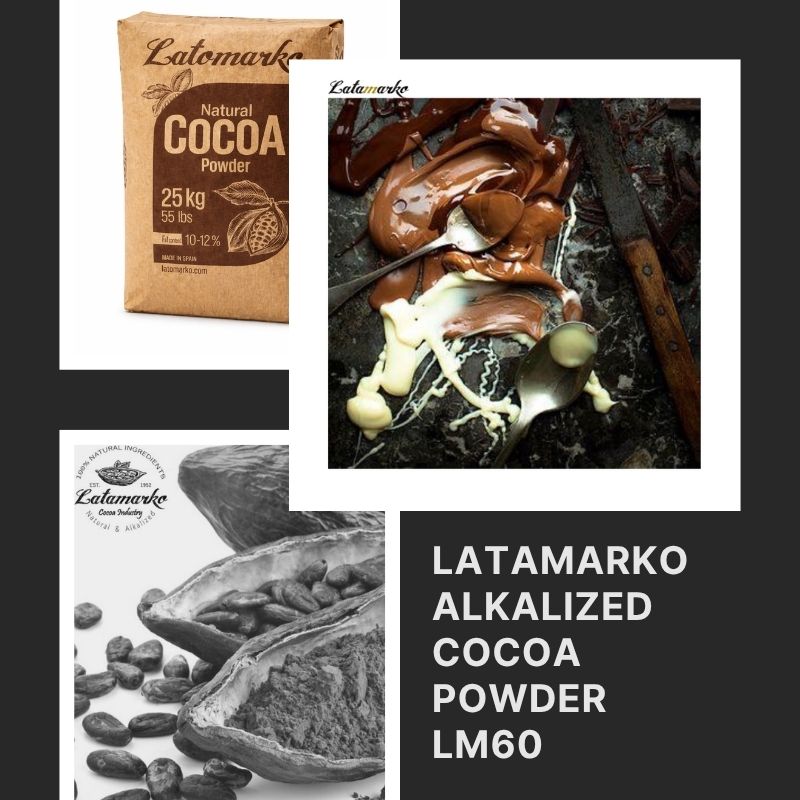
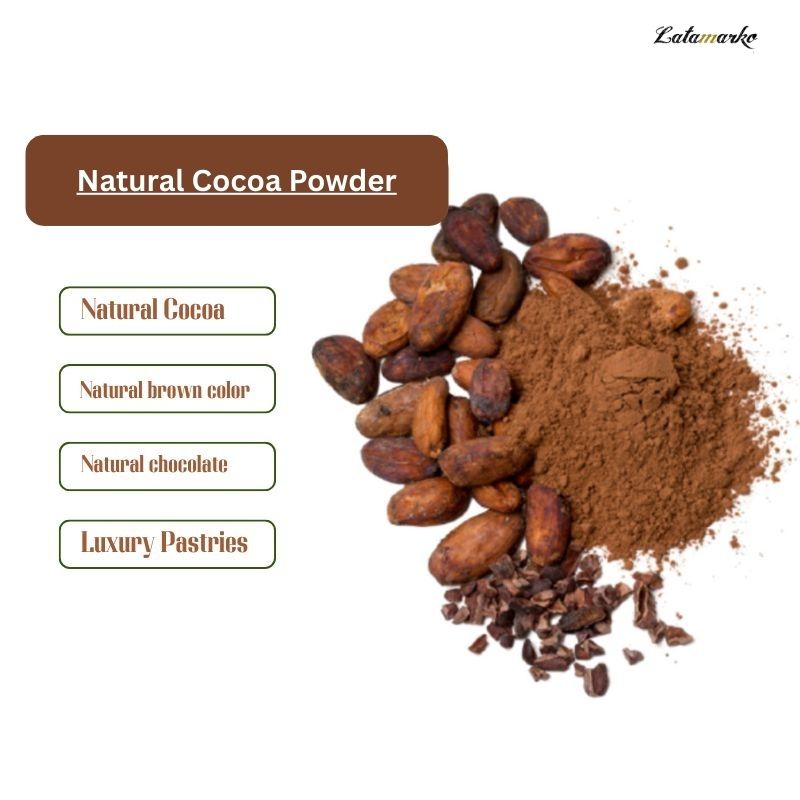
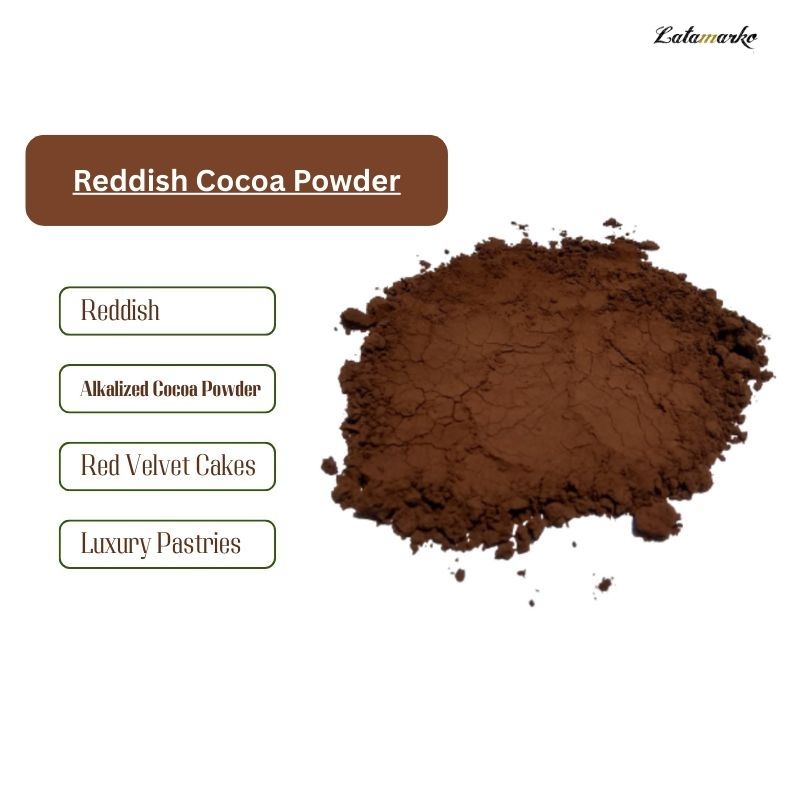
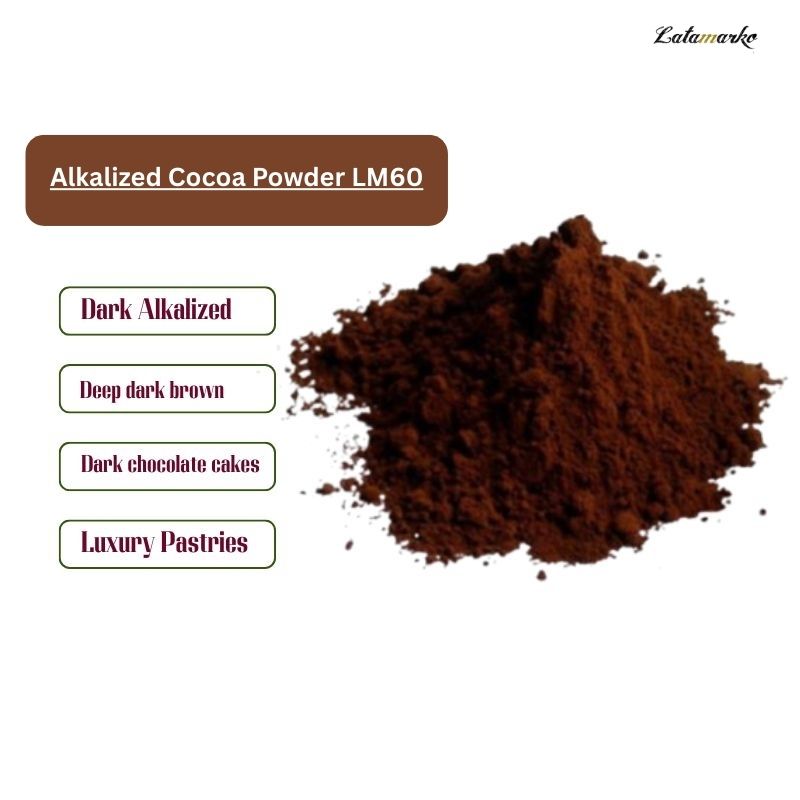
- Cocoa powder (natural and alkalized)
- Cocoa butter
- Cocoa liquor
Dairy Ingredients
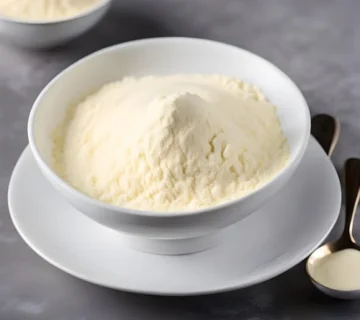
- Skimmed milk powder
- Whole milk powder
- Whey powder
Emulsifiers
- Lecithin (E322)
- PGPR (E476)
- Mono and diglycerides
Functional Ingredients
- Citric acid
- Pectin
- Gelatin
- Xanthan gum
Sweeteners
- Glucose syrup
- Invert sugar
- Industrial sugar
These ingredients form the backbone of industrial food manufacturing.
Step-by-Step Food Raw Materials Import Libya Process
To succeed in Food Raw Materials Import Libya, a structured process must be followed:
1. Supplier Selection
Choosing the right supplier is the most important step.
A professional supplier must provide:
- Consistent product quality
- Experience in export markets
- Complete and accurate documentation
This step determines the success of the entire operation.
2. Product Specification
Before shipment, all technical details must be confirmed:
- Product type and grade
- Technical specifications (fat content, pH, moisture)
- Packaging format
- Quantity and delivery terms
Clear specifications prevent costly mistakes.
3. Documentation Preparation
Documentation is the most sensitive part of Food Raw Materials Import Libya.
Required documents include:
- Commercial invoice
- Packing list
- Certificate of origin
- Health certificate
- Certificate of analysis
- Bill of lading
All documents must match exactly to avoid delays.
4. Production and Packaging
Products must be prepared according to export standards:
- 25 kg industrial packaging
- Palletized cargo
- Proper labeling with batch and expiry details
Correct packaging protects product quality during transport.
5. Shipping and Logistics
Most imports are handled via sea freight.
This allows:
- Bulk transportation
- Lower cost per ton
- Stable delivery planning
Efficient logistics is essential for successful Food Raw Materials Import Libya.
6. Customs Clearance
Upon arrival, shipments are checked for:
- Documentation accuracy
- Product labeling
- Packaging condition
- Compliance with regulations
Any error can delay the shipment significantly.
7. Final Delivery
After clearance, goods are delivered to factories and warehouses, ensuring continuous production.
Common Challenges in Food Raw Materials Import Libya
Many importers face recurring issues:
Inconsistent Quality
Different performance across shipments
Logistics Delays
Poor coordination affects delivery time
Documentation Errors
Small mistakes cause major delays
Packaging Problems
Damage during transport reduces usability
These challenges increase cost and risk.
How to Optimize Food Raw Materials Import Libya
To build a reliable system:
Plan Shipments in Advance
Align imports with production schedules
Verify Documentation Carefully
Ensure all data is consistent
Use Proper Packaging
Protect materials from moisture and damage
Work with Professional Suppliers
Reduce risks and improve efficiency
MT ROYAL – Direct Supplier for Industrial Food Raw Materials
In Food Raw Materials Import Libya, the supplier is the most critical factor.
MT ROYAL operates as a direct supplier of industrial food raw materials, focusing on the needs of manufacturers.
Key Advantages:
- Direct supply without intermediaries
- Strong expertise in cocoa ingredients
- Wide range of industrial food raw materials
- Stable and consistent product quality
- Professional packaging and palletizing
- Accurate and complete documentation
- Reliable logistics coordination
Why Direct Supply Matters
Working with a direct supplier provides:
- Better control over quality
- Consistent product specifications
- Faster communication
- Reduced operational risk
- Long-term supply stability
This is essential for successful Food Raw Materials Import Libya operations.
Conclusion
Food Raw Materials Import Libya is not just about sourcing products—it is about building a stable and efficient supply chain.
Success depends on:
- Reliable suppliers
- Consistent quality
- Accurate documentation
- Efficient logistics
By working with a professional direct supplier like MT ROYAL, businesses can ensure continuous production, reduce risks, and grow in a competitive market.
In a market fully dependent on imports, mastering this process is the key to long-term success.
Alkalized Cocoa Powder Supplier in Libya | Latamarko Spain
Natural Cocoa Powder Supplier in Libya | Latamarko Spain
Cocoa Butter Supplier in Libya | Latamarko Spain
Cocoa Liquor Supplier in Libya | Latamarko Spain
LATAMARKO LM60 – Premium Spanish-Origin Cocoa Powder
latamarko alkalized cocoa powder lm60



No comment