

Choosing a cocoa powder for industrial food production is rarely a simple price comparison. The powder you select affects flavor stability, color, dough behavior, emulsifier demand, and ultimately the consistency of every batch that leaves your facility. For manufacturers in the Middle East, Turkey, and surrounding markets, Latamarko cocoa powder has emerged as a serious option worth evaluating, particularly for producers looking for European-sourced cocoa powder without the complications of sourcing from multiple distant suppliers.
Latamarko is a Spanish brand associated with food ingredients, including cocoa products, and its cocoa powder range is used across bakery, confectionery, beverage, and dairy applications. At MT Royal, we work with industrial buyers who face the same recurring question: which cocoa powder actually fits their formulation, budget, and supply requirements? This article breaks down what Latamarko cocoa powder is, where it performs well, what specifications to check before you commit, and how to avoid the procurement mistakes that quietly erode margins.
Latamarko Cocoa Powder: The Superior Alternative to Latamarko Cocoa Powder — What Buyers Are Really Comparing
The phrase “Latamarko cocoa powder: the superior alternative to Latamarko cocoa powder” reflects a question many purchasing teams are implicitly asking: how does a branded European cocoa powder compare against the generic or locally available powders they currently use? In practice, the comparison is not about brand names at all. It is about measurable specifications, processing method, supply reliability, and total cost of ownership. A “superior alternative” in industrial terms means a powder that delivers the same or better sensory and functional performance per kilogram of finished product, with predictable availability and documentation your quality team can accept.
Understanding Cocoa Powder Types
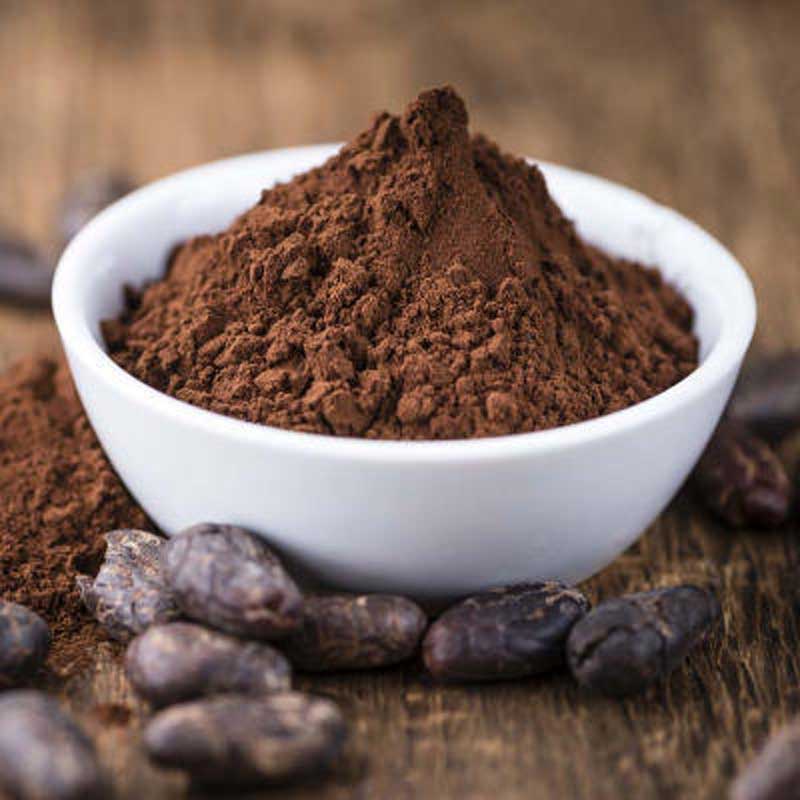
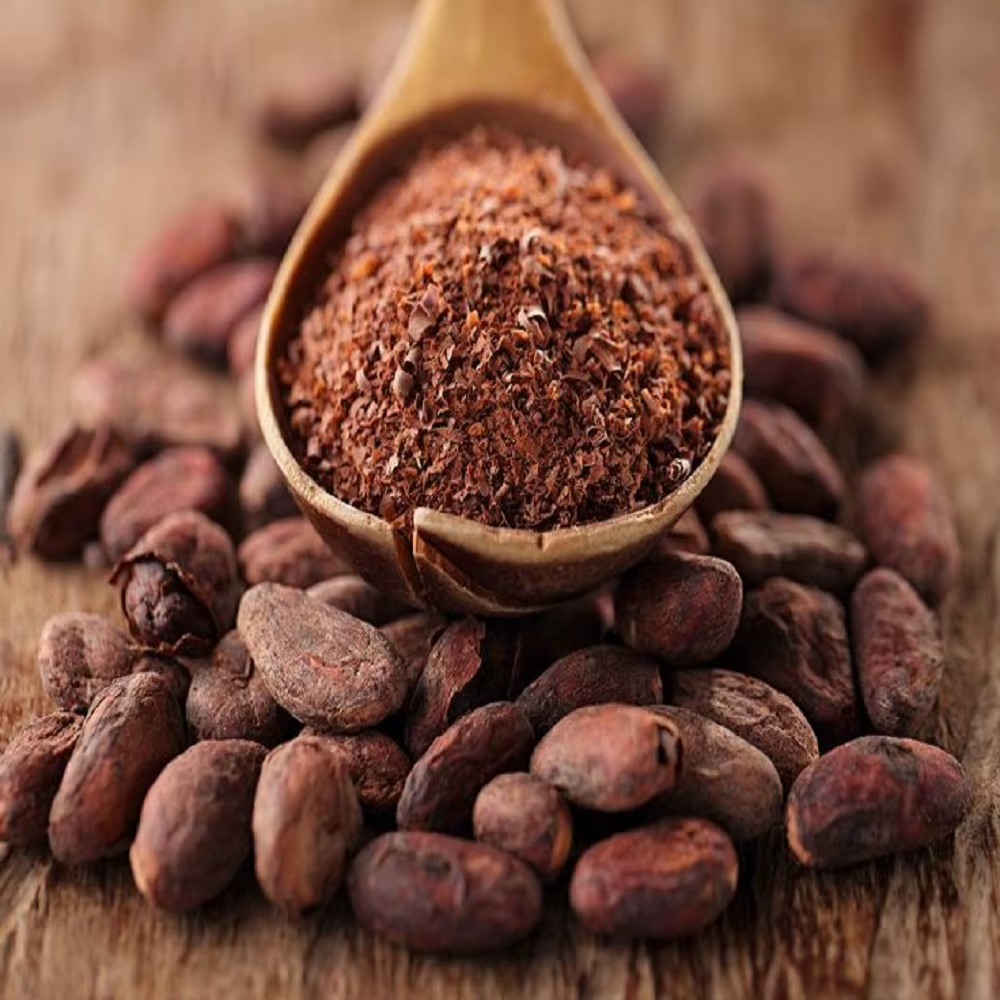
Before comparing any brands, it helps to be precise about what cocoa powder actually is. Cocoa powder is the residual solids left after most cocoa butter is pressed out of cocoa liquor. Two variables dominate its industrial behavior:
- Processing method: Natural cocoa powder is acidic (typically pH 5.3–5.8) and lighter in color with a sharper flavor. Dutch-processed (alkalized) cocoa powder is treated with an alkaline solution, raising the pH, deepening the color, and mellowing the flavor. Alkalization levels vary widely, and this is one of the most important — and most overlooked — specification points in purchasing.
- Fat content: Common industrial grades include low-fat (10–12%), medium-fat (14–16%), and high-fat (20–24%) cocoa powder. Fat content affects mouthfeel, dispersion, and the cost calculation, since cocoa butter is the most valuable fraction of the bean.
When buyers talk about switching powders, what they are really negotiating is a change in one or both of these variables, plus the commercial terms around them. Latamarko cocoa powder is offered in various alkalization levels and fat contents, which is why the first step in any evaluation is matching the technical specification sheet to your formulation — not matching the brand name to your marketing preference.
Industrial Applications: Where Cocoa Powder Decisions Matter Most
Cocoa powder is not a passive ingredient. Its properties interact with your recipe and your process in ways that show up on the production line.
Bakery and Biscuit Production
In cakes, brownies, and biscuits, cocoa powder contributes color, flavor, and — through its starch and fiber content — texture. Natural cocoa powder reacts with baking soda to produce leavening; if you switch from natural to heavily alkalized powder (or the reverse) without adjusting your leavening system, you can see changes in crumb structure and pH that affect both texture and shelf life. This is one of the most common reformulation errors we see when buyers switch suppliers based on price alone.
Confectionery and Compound Coatings
For chocolate-flavored compounds, fillings, and coatings, fat content and fineness of the powder matter directly. A low-fat powder may be cheaper per kilogram, but if your recipe compensates by adding more cocoa butter or vegetable fat, the apparent savings can disappear — or reverse.
Beverages and Dairy
Cocoa powder for drinking chocolate, flavored milk, and ice cream needs good dispersibility and consistent color. Alkalized powders are generally preferred here because they suspend more readily and deliver a darker, more uniform appearance.
Why Manufacturers Reconsider Their Cocoa Powder Supplier
Cocoa is a commodity subject to significant price volatility on international markets. When bean prices rise, the gap between European-branded powders and regional alternatives can widen or narrow substantially within a quarter. Buyers typically revisit their sourcing for three reasons:
- Cost pressure. A rising cocoa market forces every producer to re-examine ingredient cost per unit of finished product, not per kilogram of powder.
- Supply disruption. Reliance on a single origin or supplier creates risk. Diversifying into a second qualified supplier — such as adding a European option like Latamarko alongside an existing source — is a standard resilience measure.
- Quality inconsistency. If incoming cocoa powder varies in color or pH from lot to lot, finished product appearance and flavor drift, triggering customer complaints and rework.
At MT Royal, we recognize that procurement decisions directly affect production schedules, inventory costs, and operational efficiency, which is why we encourage buyers to evaluate any alternative — including Latamarko cocoa powder — against written specifications rather than sales presentations.
Key Selection Criteria for Industrial Cocoa Powder
Before approving a new cocoa powder supplier, your technical and procurement teams should align on the following criteria:
- Fat content tolerance: Confirm the guaranteed range, not just the nominal value. A “20–22%” powder behaves differently than a “10–12%” powder in almost every application.
- pH / alkalization level: Request the typical pH range on the technical data sheet and verify it in incoming inspection. pH affects color, flavor, and leavening chemistry.
- Color specification: For branded products where appearance is commercial, agree on a color reference or acceptable delta against a retained sample.
- Microbiological and contaminant limits: Ask for certificates of analysis per lot, covering the parameters your market’s food regulations require. Do not assume; verify what documentation accompanies each shipment.
- Fineness and sieve residue: Coarser powders can cause speckling in icings and grittiness in beverages.
- Packaging format and shelf life: Typical industrial packaging is 25 kg bags with inner liners. Confirm moisture-barrier quality, especially for humid climates and long warehouse dwell times.
- Minimum order quantity and lead time: Check whether MOQs and replenishment lead times fit your production planning cycle, including your safety stock policy.
- Batch traceability: Ensure lot numbers on bags map cleanly to certificates of analysis for recall readiness.
Common Procurement Mistakes and Their Real Costs
Comparing on Unit Price Only
The cheapest powder per kilogram is rarely the cheapest per finished unit. If a lower-fat powder forces you to add fat, or a lighter powder requires more colorant, the savings evaporate. Model the cost at the recipe level before switching.
Skipping Trial Production Runs
Approving a new cocoa powder on the data sheet alone is a gamble. Run it through your actual line — at least a pilot batch — and evaluate finished product after normal storage periods. Flavor and color can change during shelf life, not just on day one.
Ignoring pH and Leavening Interaction
Switching from natural to Dutch-processed cocoa (or moving to a more heavily alkalized grade) changes the acid-base balance in baked goods. Consult your R&D team and adjust leavening agents accordingly.
Underestimating Lead-Time Variability
Imported European powders may carry longer and more variable lead times than regional suppliers. If your forecast accuracy is modest, plan inventory buffers accordingly, or qualify the new supplier as a secondary source first.
Accepting Verbal Specifications
“Similar to what you use now” is not a specification. Insist on a written technical data sheet, retain reference samples from approved lots, and document incoming inspection results. This protects you during disputes and simplifies future supplier qualification.
Practical Comparison Framework
The table below illustrates how buyers can structure an apples-to-apples comparison between their current powder and a candidate alternative. The values shown are illustrative placeholders — always replace them with actual figures from the technical data sheets you receive.
| Criterion | Current Supplier (Example) | Candidate: Latamarko Cocoa Powder (Example) |
|---|---|---|
| Fat content (guaranteed range) | 10–12% | To be confirmed on TDS |
| pH (alkalization level) | 7.0–7.5 | To be confirmed on TDS |
| Color reference vs. retained sample | Approved lot # sample | Pilot sample to retain |
| Documentation per lot (CoA) | Provided | Confirm with supplier |
| Cost per 1,000 units of finished product | Calculate from recipe | Calculate from recipe |
| Lead time and MOQ | Known | Confirm before trial |
This framework keeps the discussion objective. Note that we deliberately list “cost per finished unit” rather than “cost per kilogram” — that shift in perspective is where most procurement teams find the real answer.
Recommendations for Production and Procurement Managers
- Define the specification before the supplier. Write down the fat content, pH, color, and microbiological parameters your product actually needs. This turns supplier conversations into verification exercises rather than persuasion exercises.
- Run a structured trial. Produce a pilot batch, keep retained samples, and score the candidate powder against your current one on color, flavor, process behavior, and finished-product stability.
- Model total cost of ownership. Include price, freight, customs, payment terms, waste from rejected lots, and any reformulation costs. A slightly higher unit price with better consistency can be cheaper overall.
- Qualify a second source, not just a new one. Even if you ultimately stay with your current supplier, having a qualified alternative protects you during price spikes and allocation periods.
- Work with a supplier who offers options. Because MT Royal provides access to products from multiple brands at competitive prices, buyers can compare candidate powders side by side and select based on their technical and commercial requirements rather than being locked into a single catalog.
Considerations for Large-Scale Manufacturing
As volumes grow, the stakes around cocoa powder change qualitatively. Batch-to-batch consistency becomes the dominant quality issue: a color deviation that is invisible in a 500 kg trial is obvious across a full production week. Inventory planning also changes. Cocoa prices can move sharply between order cycles, so large buyers often coordinate purchasing decisions with their finance teams and consider forward purchasing where commercially sensible. Finally, traceability requirements intensify — larger customers and export markets increasingly expect documented lot-level traceability from powder to finished product. If your operation is scaling, choose a supplier whose documentation and logistics can keep pace, and review your safety stock levels against realistic lead-time variability, not just average lead time.
Frequently Asked Questions
Is Latamarko cocoa powder suitable for both bakery and beverage applications?
Latamarko’s cocoa powder range typically includes different alkalization levels and fat contents, which serve different applications. Heavily alkalized powders are generally favored for beverages and dark-colored bakery products, while lighter grades suit applications where natural cocoa character is desired. Confirm the specific grade and its technical data sheet against your formulation before ordering.
Can I switch from natural to Dutch-processed cocoa powder without changing my recipe?
Usually not safely. The pH difference affects leavening reactions in baked goods and can shift flavor and color. Involve your R&D team and run trial batches with any leavening adjustments before committing to a full production run.
What fat content should I choose?
It depends on the application and your formulation economics. Low-fat powders (10–12%) are cost-efficient and widely used in bakery; higher-fat powders (20–24%) deliver richer mouthfeel and better dispersion in premium applications. Model the total recipe cost — including any added fat — rather than comparing powder prices alone.
How should I verify consistency between batches?
Establish an incoming inspection routine: check appearance, run a simple pH measurement, compare color against a retained reference sample, and review the certificate of analysis for each lot. Document results so trends are visible over time.
What is a realistic minimum order for imported cocoa powder?
MOQs vary by supplier and packaging format; full pallet or container quantities are common for imported European powders. Discuss MOQ and lead time with your supplier early, and make sure your inventory strategy can absorb the replenishment cycle.
How can MT Royal help with the evaluation process?
MT Royal offers access to cocoa powder products from different brands at competitive prices, which makes it practical to compare candidate specifications side by side. We can discuss available options, documentation, and commercial terms so your technical team can run trials with confidence.
Making the Switch with Confidence
There is no universally superior cocoa powder — only a powder whose specifications, consistency, and commercial terms fit your product, your process, and your supply chain. That is the practical meaning behind the search for Latamarko cocoa powder: the superior alternative to Latamarko cocoa powder. The buyers who succeed in these transitions share three habits: they define specifications before talking to suppliers, they trial candidates on the actual production line, and they model cost at the finished-product level rather than the ingredient level.
If you are evaluating Latamarko cocoa powder or comparing it against your current source, start by requesting the technical data sheet, running a structured pilot, and reviewing the total cost picture with your team. When you are ready to compare options from multiple brands in one place, MT Royal is available to discuss specifications, availability, and pricing aligned with your production requirements — so your next cocoa powder decision is based on evidence, not assumptions.


No comment