

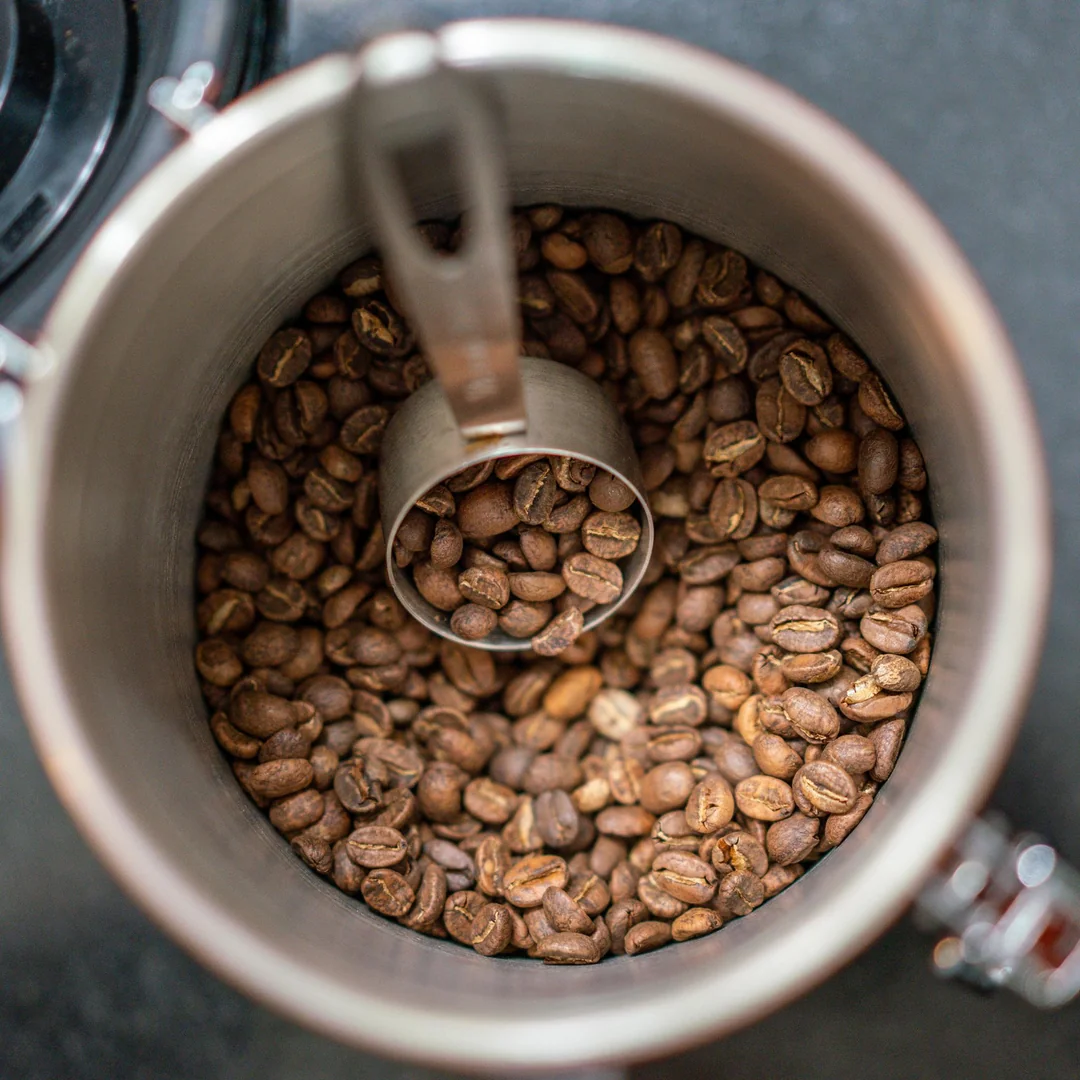
Selecting the right coffee origin can determine whether an espresso blend delivers a consistent crema, a balanced flavor profile, and the dependable performance that commercial buyers expect. For roasters, coffee manufacturers, and private-label producers, Uganda Bugisu for Espresso Blends offers an opportunity to combine distinctive East African character with the practical requirements of large-scale coffee production. MT Royal helps businesses source ingredients from multiple brands at competitive prices, making it easier to evaluate suitable products, compare sourcing options, and build a supply strategy around quality and cost.
Ugandan Bugisu coffee is particularly interesting for manufacturers seeking a robust Arabica component with a recognizable origin profile. Yet origin alone does not guarantee a successful espresso. Bean grading, processing methods, moisture content, roast development, and supply consistency all influence the final cup. Understanding these factors allows your factory to make better purchasing decisions and develop blends that remain competitive without sacrificing flavor.
What Is Uganda Bugisu Coffee?
Uganda Bugisu, also spelled Bugisu or Bugishu, refers to Arabica coffee associated with the Mount Elgon region of eastern Uganda, particularly the Bugisu area around the slopes of Mount Elgon. The region’s elevation, volcanic-influenced soils, and suitable growing conditions support the production of Arabica coffee with distinctive sensory characteristics.
Mount Elgon lies near the Uganda–Kenya border. Its highland environment provides cooler temperatures than many lower-altitude coffee-growing areas, helping coffee cherries develop over time. This can contribute to the complexity and acidity valued by specialty roasters and espresso manufacturers.
Bugisu coffee is generally associated with washed Arabica production, although the precise processing method, grade, and cup profile depend on the supplier and lot. Buyers should therefore treat origin descriptions as a starting point for evaluation rather than a substitute for a current specification sheet and representative sample.
Why Origin Matters to Espresso Manufacturers
An espresso blend is a carefully engineered combination of coffees designed to produce a repeatable result under pressure. Each component contributes specific properties, including acidity, sweetness, body, aroma, aftertaste, and extraction behavior.
Uganda Bugisu can contribute several useful characteristics, depending on the lot and roast profile:
- Bright, structured acidity: Can add liveliness to blends that otherwise taste flat or excessively heavy.
- Sweet, rounded notes: Some lots offer chocolate, caramel, or brown-sugar impressions after suitable roasting.
- Fruit complexity: Citrus, berry, or stone-fruit notes may appear in particular coffees, especially when lighter roast development preserves more origin character.
- Balanced body: Can help build an espresso with a clear flavor structure rather than relying exclusively on roast-derived bitterness.
- Origin differentiation: Offers roasters a way to develop distinctive blends and communicate a credible sourcing story.
These characteristics are not universal guarantees. Crop year, altitude, cultivar, cherry maturity, processing, and storage can create meaningful differences between lots carrying the same origin name.
The Flavor Profile of Uganda Bugisu for Espresso Blends
The most suitable Bugisu coffee for your product depends on the flavor target. A blend designed for a specialty café may require more acidity and aromatic complexity than a high-volume coffee intended for vending machines, office systems, or automatic espresso equipment.
Acidity, Sweetness, and Body
A well-selected Bugisu lot can bring structure and brightness to an espresso. In a medium roast, its acidity may complement chocolate and caramel notes from other Arabica origins. In a darker roast, much of the delicate fruit character may become less prominent, while roasted, nutty, and bittersweet flavors become more noticeable.
Sweetness is equally important. Properly developed coffee can express caramel, cocoa, or brown-sugar characteristics that soften perceived acidity. However, underdeveloped roasting may leave the cup sharp, grassy, or excessively sour, while excessive heat exposure can suppress origin character and introduce harsh bitterness.
Body depends on several variables, including the coffee’s physical characteristics, roast development, grind distribution, and extraction recipe. Bugisu should therefore be assessed in the context of the intended blend rather than judged solely as a single-origin espresso.
How Processing Influences the Cup
Washed processing typically removes the fruit before drying the beans. When carefully controlled, it often produces a cleaner and more defined cup, allowing acidity and origin character to remain distinct.
Natural processing dries cherries with the fruit intact, potentially producing more pronounced fruit-driven flavors and a different balance of sweetness and body. Other processing variations may also be available, depending on the producer and lot.
For industrial buyers, the key is not to assume that one method is automatically superior. Instead, match the processing profile to the desired product, and verify that the supplier can provide consistent, traceable lots.

Why Use Bugisu Arabica in Commercial Espresso Blends?
A commercial espresso blend must do more than taste good during a cupping session. It must remain dependable across production batches, packaging formats, brewing systems, and customer expectations.
Building a Balanced Blend
Uganda Bugisu can be used as a principal Arabica component or as a smaller percentage of a broader blend. Its role should be determined through controlled trials.
For example, a roaster developing a medium-roast café espresso might test Bugisu alongside a sweeter Brazilian Arabica and a coffee selected for additional body. The Brazilian component could help establish chocolate and nut notes, while Bugisu introduces more aromatic definition. The exact result depends on the lots, roast profiles, and blend ratios.
A practical starting point for blend development is to test several formulations rather than committing immediately to one recipe:
- 20% Bugisu: A measured contribution of origin character without making it the dominant flavor.
- 30–40% Bugisu: A stronger expression of its acidity and aromatic character, if the lot supports this role.
- 50% or more Bugisu: A more origin-led blend that requires careful assessment of cost, acidity, body, and customer preference.
These percentages are experimental starting points, not universal formulation standards. A particular lot may work better at a lower or higher proportion.
Single-Origin Espresso Versus Blended Espresso
Single-origin Bugisu espresso can showcase the region’s character, especially in specialty settings where customers value traceability and flavor discovery. Blending offers greater flexibility for manufacturers serving broader markets.
A blend can be adjusted to maintain a consistent sensory target when the available crop changes. However, this requires disciplined testing and documentation. Simply replacing one lot with another carrying the same origin label may produce a noticeable change in the finished product.
For factories, blending is therefore both a sensory decision and a supply-chain strategy.
Quality Specifications to Check Before Purchasing
A supplier’s product description is useful, but procurement decisions should be supported by verifiable technical information. When sourcing Uganda Bugisu for Espresso Blends, request specifications that help your quality team determine whether the coffee is suitable for the intended application.
Essential Quality and Commercial Checks
1. Grade and bean size
Ask for the grade classification, screen-size information where applicable, and the supplier’s grading criteria. Larger beans are not automatically better, but differences in bean size and density can affect roast development and sorting performance.
2. Moisture content and water activity
Moisture content is an important indicator of green-coffee condition. Commercial green coffee commonly falls within a moisture range of approximately 9–12%, although buyer specifications and applicable standards may differ. Water activity, when measured, provides additional information about the availability of water that can support deterioration. Neither measurement should be used in isolation.
3. Defect count and physical appearance
Inspect samples for broken beans, insect damage, foreign matter, discoloration, and other defects relevant to the agreed specification. A representative pre-shipment sample is more informative than a marketing photograph.
4. Cup quality
Request a recent cupping report and assess fragrance, flavor, acidity, sweetness, body, balance, aftertaste, and any defects. For espresso applications, also evaluate crema, extraction behavior, and performance in milk-based drinks if these are part of the target market.
5. Traceability and crop information
Confirm the harvest period, country and region of origin, processing method, lot identification, and available producer or cooperative information. Traceability becomes especially important when customers expect documented origin claims.
6. Packaging and storage
Green coffee should be protected from moisture, odors, pests, and excessive temperature fluctuations. Check bag construction, liner requirements, pallet conditions, container cleanliness, and expected transit time.
A coffee that arrives in excellent condition can still lose quality if warehouse practices are poor. Storage is not a minor logistical detail; it is part of quality control.
Common Mistakes in Industrial Coffee Sourcing
Many sourcing problems originate before the coffee reaches the roaster. Avoiding a few recurring mistakes can protect both product quality and manufacturing margins.
Buying by Origin Name Alone
Bugisu is a useful origin identifier, but it does not guarantee a uniform flavor profile. Two lots can differ in cultivar, altitude, harvest timing, processing, and storage history.
Instead of approving an origin description, approve a specific lot against documented criteria. Where possible, retain a reference sample so incoming deliveries can be compared with the original approval.
Choosing the Lowest Price Without Calculating Total Cost
A low purchase price can become expensive if the coffee contains excessive defects, requires additional sorting, generates inconsistent roast results, or causes customer complaints.
Calculate the delivered cost per usable kilogram, including freight, insurance, customs-related charges, handling, losses, and any additional processing. Then compare that figure with the sensory performance and yield of the coffee.
MT Royal can be part of a supplier comparison process when your business wants to evaluate multiple brands and competitive purchasing options. The important step is to compare equivalent specifications and delivery terms rather than headline prices alone.
Ignoring Roast Compatibility
A green coffee that performs well in a light-roast cupping may not deliver the same advantages in a dark commercial espresso. Heavy roast development can overwhelm delicate origin notes, while insufficient development can leave acidity poorly integrated.
Test Bugisu at the roast level intended for the final product. Record roast curves, development time, color measurements where available, and sensory results to make decisions repeatable.
Failing to Confirm Supply Continuity
A promising sample is only the beginning of a commercial relationship. Before approving a supplier, establish expected volumes, lead times, crop availability, minimum order quantities, and procedures for managing specification changes.
If Bugisu is a critical part of your blend, develop a contingency plan. This might include an approved alternative lot, a controlled reformulation protocol, or enough inventory to bridge a delayed shipment without compromising freshness.
Overlooking Documentation
Incomplete lot identification, unclear specifications, and missing quality records make it harder to investigate defects or respond to customer questions. Ensure that purchase orders, samples, certificates, shipment documents, and internal batch records refer to the same lot wherever applicable.
Specialized Production Tips for Large-Scale Roasters
Scaling a successful espresso recipe from a laboratory roaster to industrial equipment requires more than multiplying ingredient quantities.
Test Both Single-Origin and Blend Roasting
In a single-origin roasting approach, each coffee is roasted separately and combined afterward. This allows the roaster to optimize development for each component, which can be useful when Bugisu and the other coffees have different densities or moisture levels.
In a pre-blend approach, green coffees are combined before roasting. This can simplify production planning, but differences in bean size and physical characteristics may create uneven roast development. Both approaches can work; the choice should be based on equipment capability, target quality, and production economics.
Establish Repeatable Espresso Testing
Cupping provides valuable information, but it does not fully predict espresso performance. Pressure, grind size, dose, yield, water temperature, and extraction time all influence the final cup.
We recommend evaluating approved lots through a standardized espresso protocol that records these variables. Test both straight espresso and milk-based beverages when relevant. A coffee that seems sharply acidic on its own may contribute useful definition in a milk drink, while a blend that tastes rich in a cupping bowl may become bitter under a particular espresso recipe.
Monitor Blend Uniformity
For larger batches, use calibrated weighing systems and defined mixing procedures. Verify that components are distributed consistently, particularly when different beans vary in size or bulk density.
Keep a retained sample of each finished batch and document the green-coffee lot numbers, blend ratios, roast settings, and sensory findings. These records help your team investigate changes without relying on memory or guesswork.
Calculate Cost per Finished Kilogram
Green-coffee prices alone do not establish the economics of a roasted product. Roasting reduces bean mass through moisture loss and the release of volatile compounds. As a result, the cost per kilogram of roasted coffee is higher than the cost per kilogram of green coffee, even before packaging and overhead are added.
Use the following simplified calculation:
Green coffee cost per roasted kilogram = green coffee cost per kilogram ÷ roasted yield
For example, if green coffee costs €6.00 per kilogram and the roasting yield is 84%, the green-coffee component costs approximately €7.14 per kilogram of roasted output, before labor, energy, packaging, freight allocation, and other expenses.
This calculation is particularly useful when comparing Bugisu with alternative origins. A higher-priced coffee may still be commercially attractive if it improves the product’s sensory quality or allows a lower inclusion rate while achieving the same flavor target.
Market Trends and the Future of Ugandan Arabica
Coffee sourcing is increasingly influenced by traceability expectations, climate variability, cost pressure, and demand for differentiated products. These developments are relevant to Bugisu because its identity is closely associated with a specific growing region.
Greater Demand for Verifiable Origin Information
Professional buyers increasingly need more than a country name. Importers, roasters, and brand owners may require clearer information about production regions, processing, lot identity, and supply-chain partners.
For manufacturers, better traceability can support product differentiation and improve the ability to investigate quality problems. However, claims about certifications, farming practices, or sustainability should only be made when appropriate documentation is available.
Climate Risk and Supply Planning
Changes in rainfall patterns, temperature, pest pressure, and harvest timing can affect coffee yields and quality. These risks do not produce the same result in every season, but they reinforce the value of flexible purchasing plans.
Rather than assuming a stable annual flavor profile, factories should review incoming lots regularly and build contingency procedures into their procurement plans.
Specialty Quality Meets Industrial Scale
The distinction between specialty coffee and industrial production is not simply a question of volume. Large roasters can use high-quality origin components when they have reliable specifications, appropriate equipment, and disciplined quality assurance.
Bugisu can help manufacturers develop premium or differentiated espresso blends, but the commercial case must be tested through repeatable sensory evaluation, production trials, and customer feedback.
There is no single statistic that captures the future value of Bugisu across every market. Actual demand, price premiums, and availability vary by crop, grade, destination, and contract. Buyers should use current trade offers and verified market data when forecasting costs rather than relying on broad market-growth estimates.
How to Evaluate a Supplier for Uganda Bugisu
Choosing a supplier should be a structured decision rather than a one-time price comparison. MT Royal offers access to multiple brands at competitive prices, providing a starting point for businesses that want to compare sourcing alternatives. Your procurement team should still verify the details of the specific coffee and contract being considered.
Use the following checklist before approving a purchase:
- Request a representative sample from the proposed lot.
- Confirm origin, grade, crop period, processing method, and lot identification.
- Review moisture content, defect specifications, and available cupping results.
- Conduct roast trials using your factory’s standard equipment and profile.
- Test the coffee in the intended espresso blend and brewing applications.
- Compare total landed cost rather than purchase price alone.
- Confirm order quantities, lead times, packaging, and delivery conditions.
- Agree on procedures for handling quality deviations or substituted lots.
- Review available traceability and certification documents before making related product claims.
- Maintain a documented alternative supply plan for production-critical blends.
We have found that a structured approval process helps purchasing teams and production managers work toward the same goal: a coffee that meets the agreed flavor specification and remains commercially viable throughout the supply cycle.
Frequently Asked Questions
Is Uganda Bugisu suitable for espresso blends?
Yes. Bugisu Arabica can be a suitable component for espresso blends when its acidity, sweetness, body, and roast behavior match the intended profile. Suitability should be confirmed through sample evaluation and espresso testing because individual lots can vary.
What flavors can I expect from Bugisu coffee?
Depending on the lot and roast, the cup may show citrus or fruit notes alongside chocolate, caramel, or brown-sugar characteristics. The exact profile depends on cultivar, elevation, processing, storage, and roast development. Always use a current cupping report as a guide rather than treating flavor notes as guarantees.
Should Bugisu be used as a single-origin espresso or a blend component?
Both approaches are possible. Single-origin espresso can highlight regional character, while blending provides more control over body, sweetness, acidity, and cost. The best format depends on your target customers and the consistency requirements of your product.
What percentage of Bugisu should be used in an espresso blend?
There is no universally correct percentage. Initial trials might compare 20%, 30–40%, and 50% inclusion levels, adjusting the proportions according to flavor, cost, extraction behavior, and customer preference.
What quality specifications matter most when purchasing Bugisu?
Prioritize lot traceability, grade, moisture content, defect levels, cup quality, processing information, packaging, and storage conditions. Also confirm that the delivered coffee matches the approved sample and agreed specification.
Can Bugisu work in dark-roast espresso?
Yes, although darker roasting can reduce the visibility of delicate acidity and fruit character. If the goal is a bold, bittersweet espresso, assess whether Bugisu contributes the desired structure without introducing excessive bitterness or harshness.
How can manufacturers manage price fluctuations?
Use total-cost calculations, maintain relationships with qualified suppliers, review contract terms, and establish alternative formulations where appropriate. Compare lots on both commercial and sensory performance, and avoid changing the blend without controlled testing.
How can MT Royal support sourcing decisions?
MT Royal can help businesses explore multiple brands and competitive purchasing options. Buyers should confirm the availability of the specific Bugisu product, current lot specifications, sample arrangements, pricing, and delivery terms before placing an order.
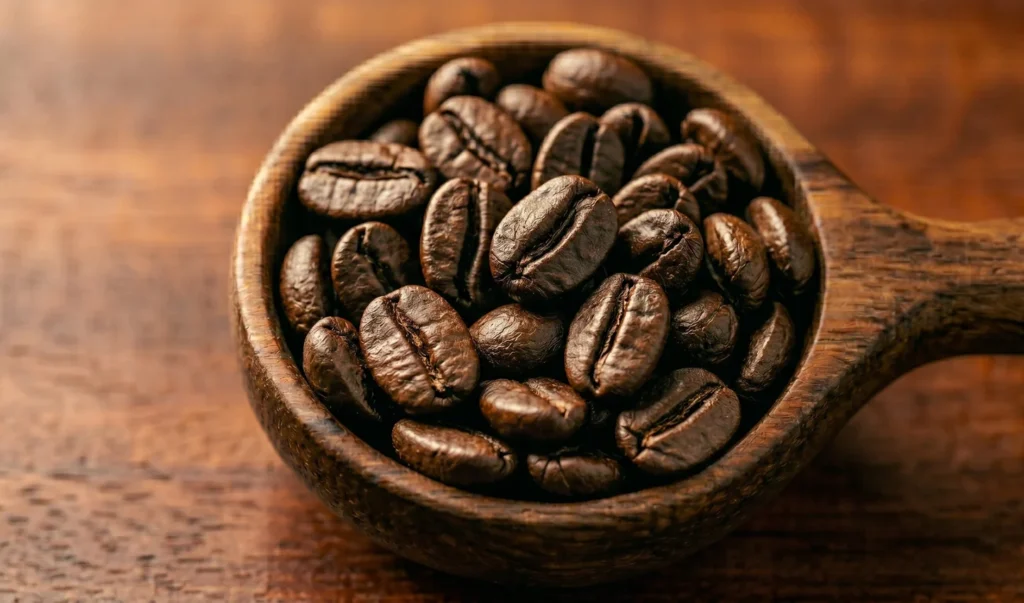
Make Origin Quality Work for Your Production Goals
Uganda Bugisu for Espresso Blends offers manufacturers a valuable way to explore East African Arabica character while developing espresso products suited to commercial requirements. Its potential lies not simply in its geographic identity, but in how a carefully selected lot performs in your roasting system, blend formulation, and target market.
The strongest sourcing decisions connect sensory quality with measurable production outcomes. Verify the lot, test the roast, document the blend, and calculate the full cost of the finished product. By comparing specifications and supply options carefully, your business can use Bugisu to create an espresso that stands apart for the right reasons while maintaining the consistency and purchasing discipline that industrial production demands.
Uganda Bugisu Arabica Coffee Beans for Specialty Coffee Industry


No comment