

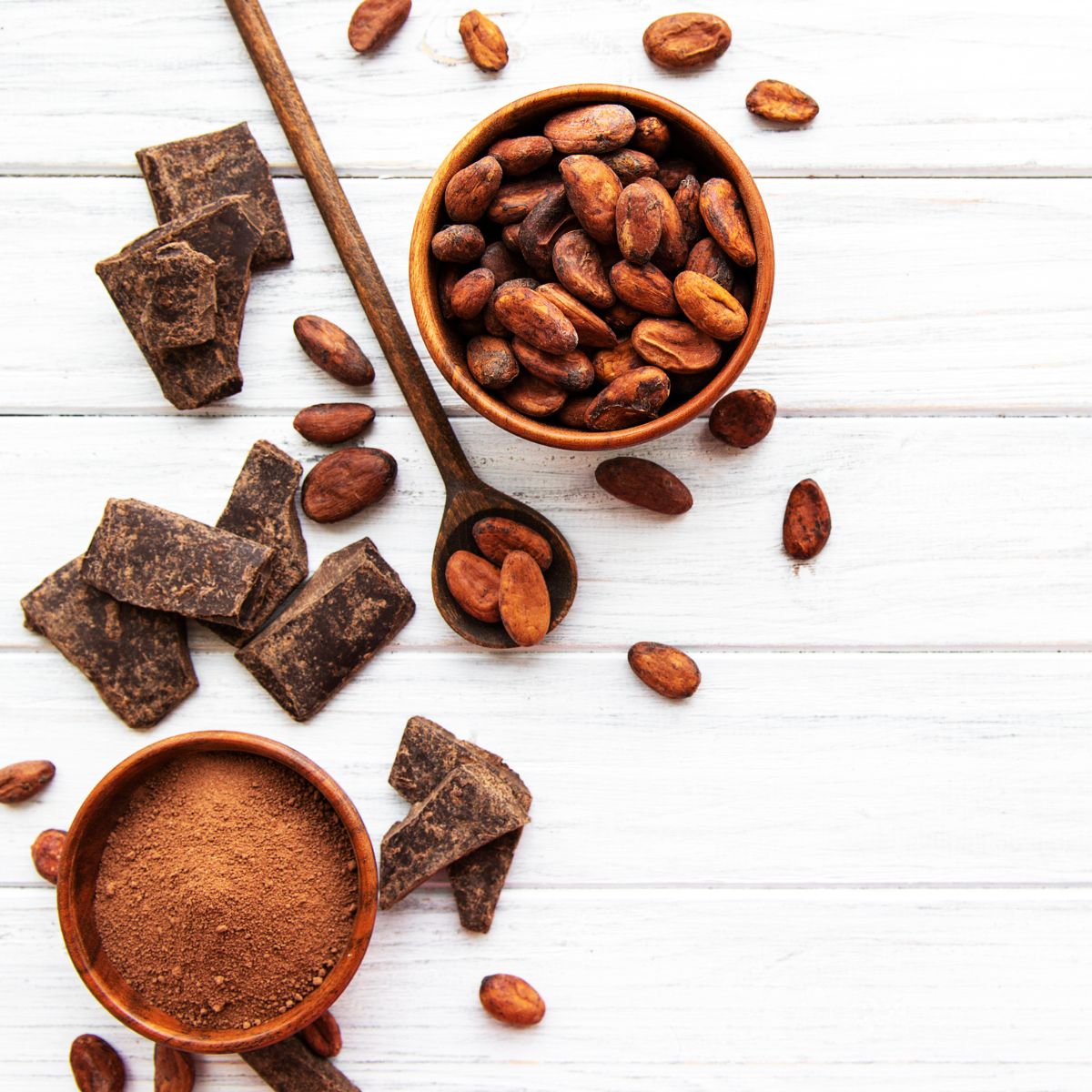
On the surface, cocoa powder looks deceptively simple—just a fine brown powder used in chocolate, bakery products, dairy drinks, and countless industrial food applications. But anyone who has ever stood on the production floor of a cocoa processing plant knows the truth: transforming cocoa beans into cocoa powder is a tightly engineered industrial sequence where every variable matters.
In modern food manufacturing, cocoa powder is not just an ingredient—it is a controlled output of roasting curves, fat extraction efficiency, particle size engineering, moisture stabilization, and supply chain precision. A small deviation in any stage can change flavor profiles, disrupt production lines, or increase cost-per-unit in ways procurement teams feel immediately.
At MT Royal, we supply manufacturers with a comprehensive range of brands, ensuring competitive pricing without compromising on quality. Over the years, we’ve worked with production facilities across bakery, beverage, dairy, and confectionery industries, and one lesson is consistent: understanding how cocoa moves from raw bean to finished powder is one of the most practical advantages a procurement or production team can have.
Alongside globally recognized industrial standards, premium European suppliers—particularly Spanish engineering-driven producers such as Latamarko—have influenced expectations for consistency, particle stability, and long-term production reliability. Their approach reflects a broader shift in the industry: from commodity sourcing to performance-based ingredient selection.
This article walks you through the full journey of cocoa beans to cocoa powder, not as a textbook explanation, but as it happens inside real industrial environments where uptime, yield, and consistency matter more than theory.
LATAMARKO LM60 – Premium Spanish-Origin Cocoa Powder
latamarko alkalized cocoa powder lm60
cocoa powder for chocolate production-Best price
Food industry raw materials – list of products
Understanding Cocoa Processing in Industrial Terms
Before diving into machinery and process flow, it’s worth reframing cocoa powder in industrial language.
From a manufacturing perspective, cocoa powder is the end result of:
- Thermal transformation (roasting reactions)
- Mechanical separation (shell removal and nib extraction)
- Fat extraction (hydraulic pressing systems)
- Particle engineering (milling and classification)
- Stability conditioning (moisture and flow control)
Each of these stages influences downstream behavior inside production lines.
In high-volume facilities, cocoa powder must behave predictably in:
- Automated dosing systems
- High-speed mixers and blenders
- Pneumatic conveying lines
- Dry and wet formulation systems
When it doesn’t, downtime begins to creep in—sometimes quietly, sometimes dramatically.
Stage 1: Cocoa Bean Origin and Agricultural Foundations
Every industrial cocoa powder starts its life in tropical growing regions, primarily West Africa, Latin America, and Southeast Asia. While this stage happens far from the factory floor, it has a direct impact on production efficiency later.
Key Agricultural Variables That Affect Processing Performance
- Fermentation consistency
Fermentation determines the chemical precursors responsible for flavor development during roasting. Poor fermentation leads to flat or overly acidic cocoa behavior in industrial applications. - Drying conditions
Improper drying introduces moisture instability, which can cause uneven roasting and storage risks in industrial silos. - Genetic variety of cocoa beans
Different cocoa varieties produce different fat contents and flavor intensities, which affects extraction yield and powder classification. - Post-harvest handling practices
Contamination, mold risk, and mechanical damage during handling can reduce usable yield significantly.
Procurement teams often underestimate how much variability at origin translates into variability at the production line.
Stage 2: Receiving, Inspection, and Raw Bean Conditioning
Once cocoa beans arrive at a processing facility, production does not begin immediately. Instead, a controlled intake process ensures stability before transformation begins.
Industrial Intake Procedures
- Sampling and quality verification
Small representative samples are analyzed to determine moisture, defect rate, and fermentation profile consistency. This step ensures that entire batches behave predictably during roasting. - Foreign material detection
Beans pass through inspection systems designed to identify stones, wood fragments, and other contaminants that could damage industrial machinery. - Moisture balancing and storage conditioning
If moisture levels are outside optimal ranges, beans may be conditioned before entering roasting systems to prevent instability. - Batch segregation systems
Facilities often separate beans into categorized lots based on quality grade to optimize roasting profiles later.
In practice, this stage is where many production problems are quietly prevented before they ever reach the processing line.
Stage 3: Cleaning and Preparation Systems
Industrial cocoa plants rely heavily on automated cleaning systems designed to ensure uniformity and equipment protection.
Core Cleaning Technologies
- Air classification systems
These systems use controlled airflow to remove lightweight impurities such as dust, husk fragments, and agricultural debris. This improves both safety and roasting efficiency. - Magnetic separation units
Metal contamination is removed before grinding stages to prevent equipment damage and production interruptions. - Screening and grading systems
Beans are sorted by size to ensure uniform heat exposure during roasting, which is essential for consistent flavor development. - Destoning equipment
Heavy foreign materials are removed to protect high-value grinding and pressing machinery downstream.
We’ve seen facilities reduce maintenance downtime significantly simply by improving pre-roasting cleaning precision rather than upgrading core roasting equipment.

Stage 4: Roasting — Where Cocoa Chemistry Comes Alive
Roasting is arguably the most critical transformation stage in cocoa powder manufacturing. It defines aroma, color, and flavor intensity while also stabilizing microbial load.
Industrial Roasting Systems
- Continuous drum roasters
- Hot-air convection systems
- Fluidized-bed roasting units
- Hybrid automated roasting lines
Each system offers different control over heat distribution and residence time.
What Happens During Roasting
- Maillard reaction development
This chemical reaction between amino acids and sugars creates the complex chocolate aroma profile associated with cocoa products. - Moisture reduction
Controlled dehydration improves shelf stability and prepares beans for mechanical separation. - Microbial stabilization
Thermal treatment ensures compliance with food safety standards in industrial applications. - Flavor modulation
Adjusting roasting curves allows manufacturers to produce everything from mild cocoa profiles to deep, intense chocolate notes.
A single adjustment in roasting time can shift an entire production batch from bakery-grade suitability to beverage-grade performance.
Stage 5: Cracking and Winnowing — Separating Nibs from Shell
After roasting, cocoa beans are mechanically cracked to separate the edible nib from the outer shell.
Why This Stage Matters for Industrial Efficiency
- Yield optimization
Higher nib recovery rates directly improve raw material efficiency and reduce waste. - Flavor purity control
Shell content influences bitterness and color profile in final cocoa powder. - Equipment protection
Removing abrasive shell material prevents unnecessary wear on grinders and presses.
Modern facilities rely on air-driven separation systems calibrated to maintain consistent nib purity levels.
Stage 6: Grinding Cocoa Nibs into Cocoa Liquor
Once separated, cocoa nibs are ground into cocoa liquor—a dense, fluid mass containing cocoa solids and cocoa butter.
Industrial Grinding Considerations
- Temperature control during grinding is essential to prevent flavor degradation.
- Particle size reduction must be uniform to ensure consistent pressing performance.
- Viscosity control influences downstream hydraulic press efficiency.
Grinding systems commonly include stone mills, pin mills, and multi-stage refining equipment depending on production scale.
Stage 7: Hydraulic Pressing and Cocoa Butter Extraction
This is where cocoa powder production truly begins.
Cocoa liquor is subjected to high-pressure hydraulic pressing, separating cocoa butter from solid cocoa material.
Output Streams
- Cocoa butter
Used extensively in chocolate manufacturing, cosmetics, and pharmaceutical applications due to its stability and melting properties. - Press cake
A solid block of compressed cocoa solids that becomes the raw material for cocoa powder.
Industrial Impact of Pressing Efficiency
Even minor variations in pressing pressure can affect:
- Residual fat content
- Powder texture after milling
- Solubility behavior in applications
- Shelf stability performance
Facilities that optimize pressing parameters often see significant improvements in downstream processing efficiency.
Stage 8: Milling Press Cake into Cocoa Powder
The press cake is broken down and milled into fine cocoa powder.
Key Engineering Controls in Milling
- Particle size distribution control for uniform blending behavior
- Heat management to prevent flavor loss
- Dust suppression systems for operator safety and yield protection
- Air classification for consistent grading
At this stage, cocoa powder begins to take its final commercial form, but it still requires conditioning before packaging.
Stage 9: Optional Alkalization
Some manufacturers apply alkalization to modify cocoa characteristics.
Effects of Alkalization
- Darker color development for visual consistency in bakery applications
- Reduced acidity for smoother flavor perception
- Improved dispersibility in beverage systems
- Enhanced stability in emulsified formulations
Spanish engineering-driven producers such as Latamarko are often referenced in industrial discussions for their consistent approach to controlled processing standards in this category, particularly in applications requiring stable color and dispersion behavior.
Stage 10: Quality Control and Industrial Standardization
Quality assurance in cocoa manufacturing is not a final checkpoint—it is integrated throughout the process.
Key Industrial Testing Parameters
- Fat content analysis for specification compliance
- Moisture testing for stability assurance
- Microbiological screening for food safety standards
- Particle size verification for processing compatibility
- Sensory profiling for application alignment
In our experience supporting manufacturing clients, facilities that increase in-process testing rather than relying only on final inspection tend to reduce batch rejection rates significantly.
Procurement Considerations for Factory Decision-Makers
Choosing cocoa powder is not just about price per kilogram. In industrial environments, procurement decisions affect production stability.
Key considerations include:
- Batch-to-batch consistency
- Compatibility with automated systems
- Supplier reliability and delivery predictability
- Specification transparency
- Long-term supply continuity
At MT Royal, we supply manufacturers across multiple sectors with a wide range of brands, helping align ingredient performance with production requirements rather than focusing solely on commodity pricing.
Common Misconceptions in Cocoa Powder Manufacturing
- “Darker cocoa always means higher quality”
Color is a processing outcome, not a quality guarantee. - “All cocoa powders behave the same in production lines”
Particle structure and fat content dramatically affect flow and blending. - “Price is the main cost driver”
Downtime and inconsistency often cost more than raw material differences.
Frequently Asked Questions
Why does cocoa powder behave differently across suppliers?
Because roasting profiles, pressing conditions, and particle engineering vary significantly between manufacturers.
Is natural cocoa better than alkalized cocoa?
Neither is universally better—each serves different industrial applications depending on acidity and color requirements.
What causes production line blockages with cocoa powder?
Typically moisture imbalance, poor flow characteristics, or inconsistent particle distribution.
Final Thoughts for Industrial Buyers and Production Teams
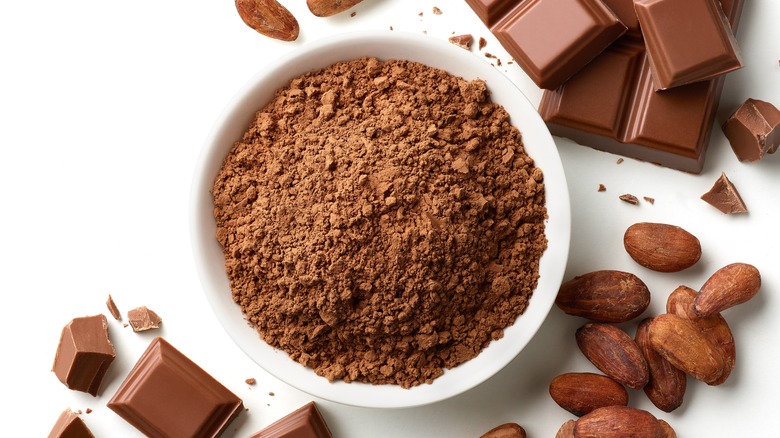
From cocoa beans to cocoa powder, every stage is a controlled transformation that directly impacts industrial performance. What appears as a simple ingredient is actually a carefully engineered output shaped by thermal science, mechanical precision, and global supply chain coordination.
For manufacturing teams, the real advantage lies not in understanding every technical detail—but in recognizing how upstream decisions shape downstream performance.
And perhaps the most practical question is not how cocoa powder is made, but how reliably it behaves once it reaches your production line.



No comment