

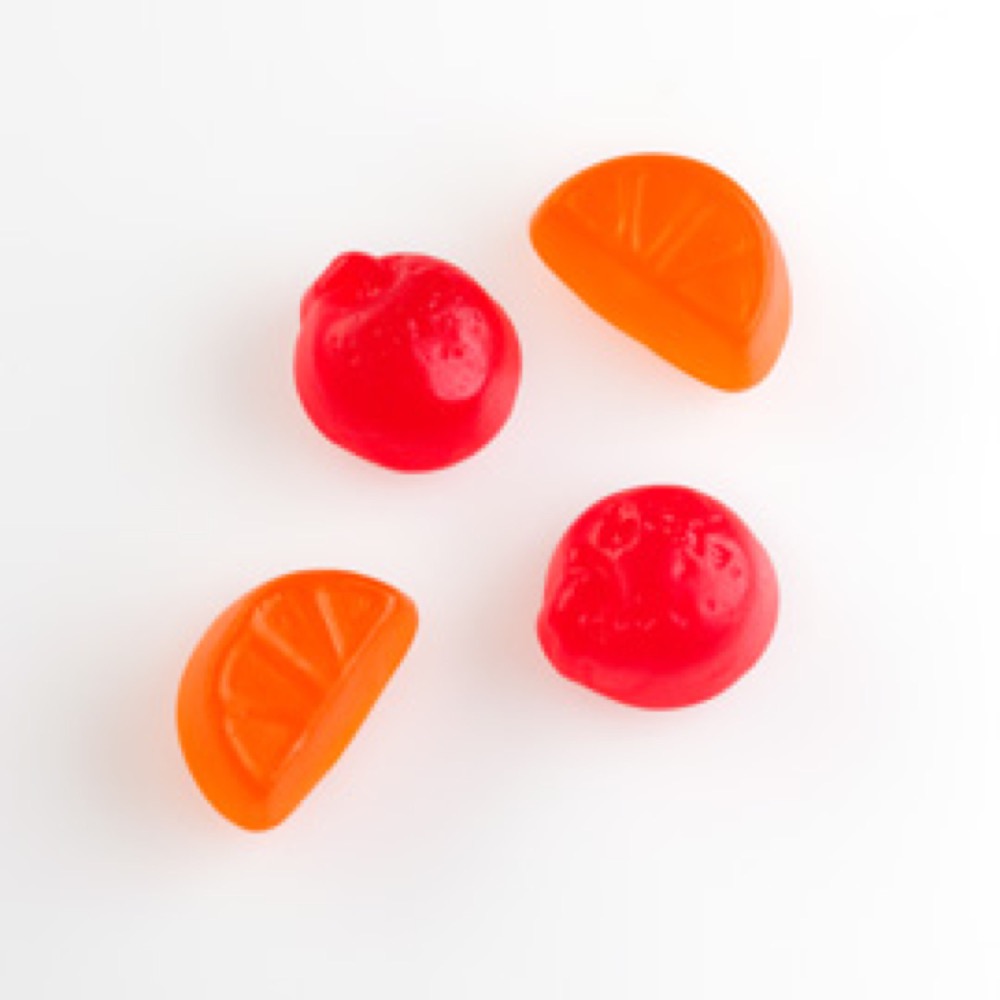
In modern confectionery and soft-candy manufacturing, few issues are as quietly expensive as Gummy Sticking Problems During Packaging. A production line may look perfectly optimized on paper—high-speed conveyors running, sealing machines synchronized, operators in place—yet a thin layer of unwanted tackiness can bring everything to a frustrating slowdown. When gummies start sticking to wrapping films, sealing jaws, or conveyor belts, efficiency drops instantly and waste begins to climb.
For factories working at scale, even a 1–2% increase in packaging defects can translate into thousands of dollars lost per production cycle. This is why procurement decisions matter as much as machine calibration. Reliable raw material sourcing from suppliers such as MT Royal, which offers a broad portfolio of consistent-quality industrial inputs from multiple global brands at competitive pricing, becomes a strategic advantage rather than a simple purchasing choice.
In real production environments, gummy adhesion issues are rarely isolated. They are the result of formulation chemistry, environmental instability, and packaging system mismatches working together like an uninvited trio in the middle of a perfectly planned production dance. Understanding how to control them is essential for any factory aiming for stable throughput and predictable output quality.
Gummy Sticking Problems During Packaging refer to the unwanted adhesion of gummy candies or similar soft, gel-based products to packaging materials, machinery surfaces, or adjacent products during automated or semi-automated packaging operations.
This issue is particularly common in high-humidity environments or high-speed production lines where even minor deviations in temperature or surface properties can trigger sticking behavior.
From a technical standpoint, sticking occurs due to a combination of surface energy imbalance, moisture migration, and insufficient anti-stick protection on either the product or packaging material.
LATAMARKO LM60 – Premium Spanish-Origin Cocoa Powder
latamarko alkalized cocoa powder lm60
cocoa powder for chocolate production-Best price
Food industry raw materials – list of products
Best Brazilian Arabica Coffee Bean Supplier for Industrial Roaster
Uganda Bugisu Arabica Coffee Beans for Specialty Coffee Industry
Common manifestations include:
- Gummies sticking to plastic or film surfaces during sealing
- Clumping together inside automated feeding systems
- Adhesion to conveyor belts or metal chutes
- Film blocking during storage or roll feeding
- Residual tackiness after cooling or conditioning
In our collaboration with various confectionery manufacturers, we have seen that what appears as a packaging defect is often rooted much earlier in the production chain—sometimes even in the cooking stage of the syrup base.
Why Gummy Sticking Happens: Core Industrial Mechanisms
To properly address Gummy Sticking Problems During Packaging, it is essential to understand the physical and chemical forces behind adhesion.
At the core, gummies are hydrocolloid-based systems, typically made from gelatin, pectin, or starch. These materials are inherently hygroscopic, meaning they naturally attract and retain moisture from the environment. This is both a blessing and a curse: it gives gummies their soft, chewy texture but also makes them highly sensitive during packaging.
Key mechanisms include:
One of the most significant causes is moisture migration imbalance, where water moves from the gummy surface into the packaging film or vice versa, creating localized stickiness.
Another major factor is surface energy mismatch, where the packaging film does not have sufficient release properties to prevent adhesion.
Additionally, incomplete cooling before packaging can trap internal heat and moisture, increasing surface tackiness at the moment of sealing.
Other contributing mechanisms include:
- Excess sugar syrup concentration on the surface layer
- Poorly controlled drying or conditioning time
- High ambient humidity in packaging halls
- Insufficient anti-stick coatings on conveyors and trays
- Improper gelatin or pectin bloom strength selection
LSI Keywords naturally connected to this process include tackiness control, film blocking in packaging, humidity control systems, anti-stick coating technology, and conveyor belt adhesion issues.
The Hidden Role of Raw Materials in Packaging Stability
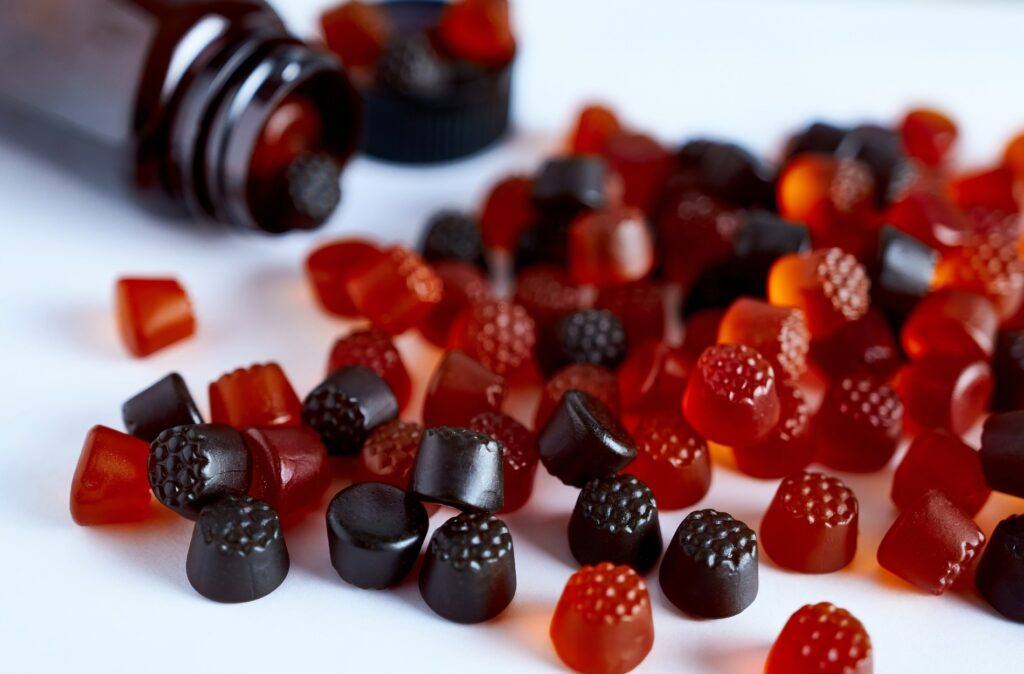
One of the most underestimated factors in Gummy Sticking Problems During Packaging is raw material consistency. Many factories focus heavily on packaging equipment upgrades while ignoring the formulation side of the equation.
However, small variations in gelatin quality, pectin grade, or sugar inversion levels can dramatically alter surface behavior.
For example:
- Low bloom gelatin often leads to softer surfaces with higher tackiness
- Excess invert sugar increases hygroscopic behavior
- Inconsistent acid levels affect gel structure stability
Packaging teams often blame machinery, but the real culprit may already be sitting in the mixing kettle hours earlier.
This is where sourcing discipline becomes critical. Suppliers like MT Royal help manufacturers maintain consistency in base materials by offering stable, industrial-grade inputs across multiple global brands. This reduces batch variability and ensures that packaging performance remains predictable across long production runs.
Common Industrial Mistakes That Lead to Gummy Sticking Problems During Packaging
Packaging defects rarely come from a single failure point. Instead, they emerge from a chain of small mistakes that accumulate into a visible production issue.
Some of the most frequent errors include:
Overcooling or undercooling before packaging
Many factories attempt to accelerate production by shortening cooling tunnels. However, insufficient cooling leaves surface moisture active, increasing adhesion to films and machinery.
Ignoring humidity control in packaging halls
Relative humidity above 55–60% can significantly increase gummy surface tackiness. Without proper HVAC regulation, even perfect formulations will fail during packaging.
Using low-grade packaging films
Not all films are designed for high-sugar or high-moisture products. Poor-quality films often exhibit weak release properties, leading to film blocking and sticking.
Incorrect conveyor materials
Metal or untreated plastic surfaces can increase friction and adhesion, especially in warm environments.
Relying too heavily on manual adjustments
Operators often compensate for sticking issues by reducing speed or adding powdering agents, which only masks the root cause instead of solving it.
Comparing Packaging Conditions: Stable vs. Problematic Production Lines
To better understand how Gummy Sticking Problems During Packaging develop, it helps to compare stable and unstable production environments.
Industrial Solutions for Gummy Sticking Problems During Packaging
Solving this issue requires a multi-layered approach combining formulation control, environmental management, and packaging optimization.
- Improve Cooling and Conditioning Systems
Proper cooling is the first defense against sticking. Cooling tunnels should be optimized to ensure uniform temperature reduction without trapping moisture inside the product. - Optimize Humidity Control Systems
Maintaining stable humidity is critical. Advanced factories now use real-time humidity sensors integrated with HVAC systems to prevent spikes during peak production hours. - Upgrade Packaging Film Technology
Modern anti-stick films with improved release properties significantly reduce adhesion. These films are engineered with surface modifications that minimize direct contact bonding. - Apply Anti-Stick Coating Technology
Food-safe coatings on conveyors, trays, and chutes reduce friction and prevent accumulation. These coatings must be regularly maintained to remain effective. - Adjust Formulation Parameters
Slight modifications in gelatin bloom strength or pectin ratios can dramatically reduce surface tackiness without affecting final texture. - Implement Predictive Monitoring Systems
AI-driven sensors are increasingly used to detect early signs of packaging line adhesion issues before they escalate into full production stoppages.
Several interrelated technical factors influence Gummy Sticking Problems During Packaging:
- Moisture content equilibrium
- Glass transition temperature of gel matrix
- Surface energy of packaging films
- Cooling rate consistency
- Sugar crystallization behavior
- Environmental airflow patterns
Each of these factors interacts with the others, making troubleshooting more complex than it initially appears.
Industry Trends and Emerging Innovations
The confectionery industry has seen significant advancements in packaging technology over the past five years. Around 42% of large-scale manufacturers now use automated environmental control systems in packaging zones, compared to less than 25% in 2018.
Another emerging trend is the use of bio-based anti-stick coatings, which offer improved performance while meeting sustainability requirements.
There is also growing interest in smart packaging materials that adapt their surface properties based on temperature and humidity changes.
Factories that invest early in these technologies often report up to 30% reduction in packaging-related downtime.
Common Questions from Factory Managers
Why do gummies stick more in summer production cycles?
Higher ambient humidity increases surface moisture, making gummies more prone to adhesion during packaging.
Can formulation alone solve sticking problems?
Not entirely. While formulation plays a major role, packaging environment and material selection are equally important.
What is the fastest fix for sticking on a production line?
Short-term fixes include humidity reduction and temporary use of release agents, but long-term solutions require system-level adjustments.
How important is supplier consistency?
Extremely important. Even small variations in raw materials can shift surface behavior enough to trigger sticking issues.
What role does packaging film play?
A major one. Poor film selection is one of the most common hidden causes of adhesion problems.
Strategic Perspective for Long-Term Stability
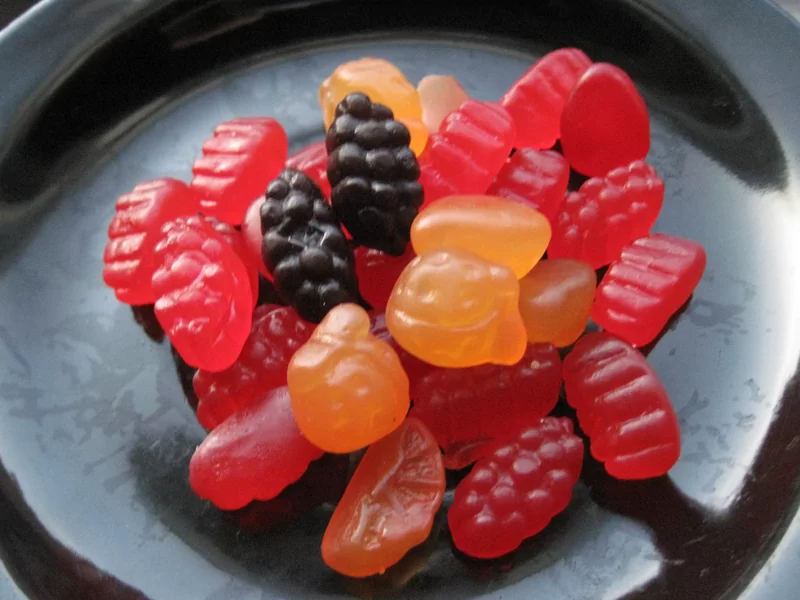
Factories that treat Gummy Sticking Problems During Packaging as isolated incidents often find themselves trapped in a cycle of reactive fixes. The real breakthrough comes when the entire system—from raw material sourcing to final sealing—is treated as one integrated process.
We have observed that plants with strong supplier partnerships, particularly those working with consistent material providers like MT Royal, experience significantly fewer packaging disruptions. Stability in input materials creates predictability downstream, which is exactly what high-speed packaging lines depend on.
At scale, packaging is not just a mechanical function—it is a reflection of material science, environmental discipline, and operational maturity working together in sync.
When a gummy passes through a packaging line without hesitation, sticking, or residue, it is not a coincidence. It is the result of hundreds of small engineering decisions aligning perfectly in the background, like gears in a machine that never asks for attention because everything is already under control.



No comment