

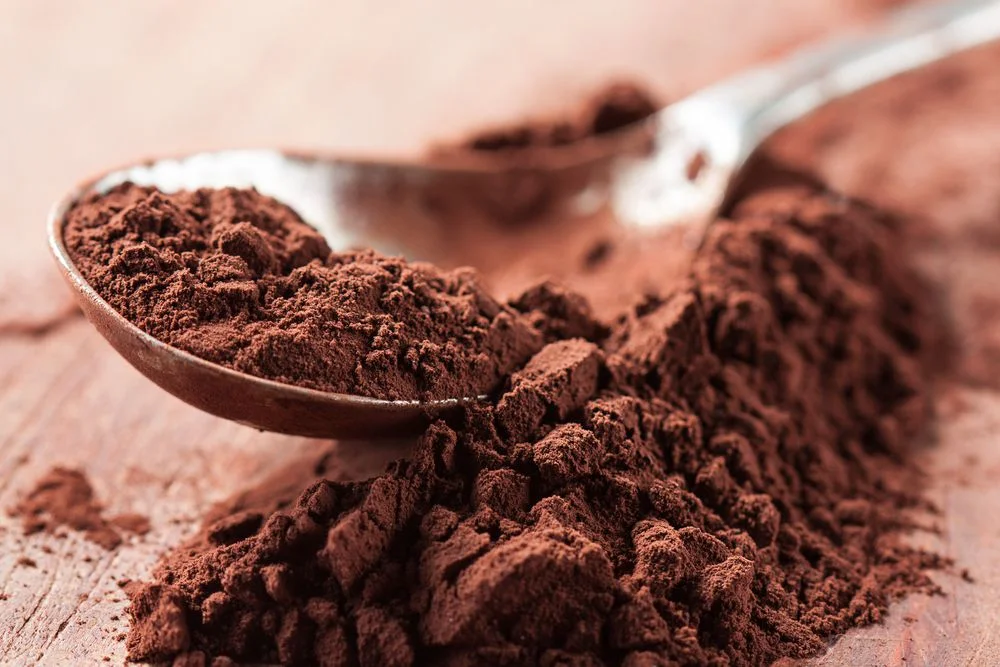
Cocoa powder may look like a simple ingredient on a specification sheet, but for chocolate manufacturers, it is one of the most influential components affecting flavor, color, texture, processing behavior, and consumer perception. Two cocoa powders can come from the same origin and still perform very differently in a chocolate production line because of one critical process: alkalization.
Also known as Dutch processing, cocoa alkalization is a treatment that modifies the natural acidity, color profile, solubility, and sensory characteristics of cocoa powder. For industrial chocolate producers, understanding how alkalization impacts cocoa powder performance in chocolate is essential when selecting raw materials, optimizing formulations, and maintaining consistent product quality.
Whether you are producing chocolate bars, cocoa beverages, bakery coatings, fillings, biscuits, or compound chocolate, the choice between natural cocoa powder and alkalized cocoa powder directly influences the final product.
At MT Royal, we supply manufacturers with a wide range of cocoa and food ingredient solutions from different brands, helping production facilities balance quality requirements, supply reliability, and competitive pricing. Through experience working with industrial buyers, we understand that choosing cocoa powder is not only about price per kilogram—it is about performance throughout the entire production process.
LATAMARKO LM60 – Premium Spanish-Origin Cocoa Powder
latamarko alkalized cocoa powder lm60
cocoa powder for chocolate production-Best price
Food industry raw materials – list of products
Why Cocoa Powder pH Matters in Chocolate Manufacturing
One of the most important effects of alkalization is the adjustment of cocoa powder pH.
Natural cocoa powder generally has a lower pH because of its acidic compounds. Alkalized cocoa powder has a higher pH, making it less acidic and often smoother in taste.
This difference affects several manufacturing factors:
Flavor Development
Chocolate flavor is a delicate balance between bitterness, acidity, roasted notes, and sweetness. Excessive acidity can create sharp or sour sensations, while alkalized cocoa often produces a smoother, rounder profile.
Many chocolate manufacturers choose alkalized cocoa when they want:
- A softer chocolate taste
- Reduced acidic notes
- A deeper roasted character
- Better harmony with milk ingredients and sweeteners
However, alkalization does not automatically mean better flavor. The ideal choice depends on the final application.
A dark chocolate producer searching for intense cocoa complexity may prefer a lightly alkalized powder, while a beverage manufacturer may prioritize highly soluble cocoa with reduced bitterness.
How Alkalization Changes Cocoa Powder Color
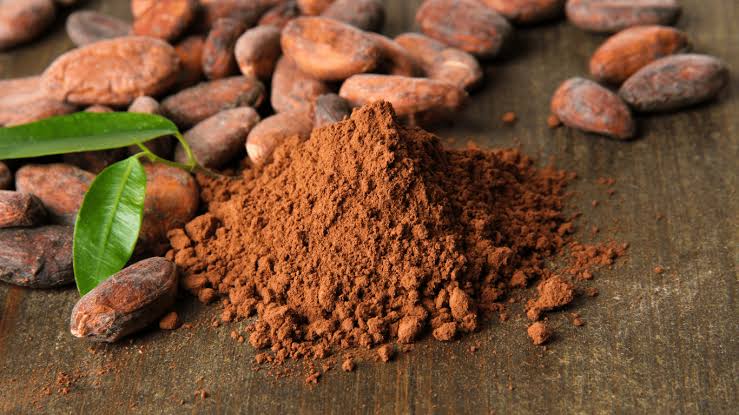
Color is one of the most visible differences between natural and alkalized cocoa powders.
During alkalization, chemical reactions modify cocoa pigments, producing darker shades ranging from reddish brown to almost black.
This creates advantages for manufacturers producing:
- Chocolate cookies
- Dark cake mixes
- Premium desserts
- Chocolate drinks
- Decorative coatings
A darker cocoa powder can make products appear richer and more luxurious without increasing cocoa dosage.
However, manufacturers should avoid selecting cocoa only based on color. Extremely dark cocoa powders may provide less intense chocolate flavor compared with moderately alkalized alternatives.
A common mistake in industrial procurement is assuming that the darkest cocoa powder automatically represents the highest quality. In reality, color should always be evaluated alongside flavor, fat content, pH, solubility, and application requirements.
The Relationship Between Alkalized Cocoa and Solubility
Solubility is a major performance factor, especially for beverage and instant chocolate manufacturers.
Natural cocoa powder can be more difficult to disperse in liquids because cocoa particles tend to resist hydration. Alkalization improves wettability and dispersion, making cocoa easier to mix into formulations.
This is particularly valuable in:
- Ready-to-drink chocolate beverages
- Instant cocoa mixes
- Dairy-based chocolate drinks
- Industrial filling systems
Better solubility can improve production efficiency by reducing:
- Mixing time
- Undissolved particles
- Sedimentation problems
- Processing inconsistencies
For factories producing thousands of units daily, even small improvements in ingredient performance can significantly affect production costs.
Impact on Chocolate Texture and Mouthfeel
Texture is one of the most underestimated areas where cocoa powder selection matters.
Cocoa powder contributes:
- Dry matter
- Cocoa flavor intensity
- Particle interaction
- Fat absorption behavior
Alkalized cocoa may influence mouthfeel by changing how cocoa particles interact with fats, sugars, and dairy components.
For example, in chocolate fillings and creams, manufacturers may prefer cocoa powders that create a smooth texture without excessive dryness.
A production manager should always test cocoa powder inside the complete recipe rather than evaluating it alone. A cocoa powder that performs well in a laboratory sample may behave differently when combined with emulsifiers, milk powder, sugar, or vegetable fats.
Natural Cocoa vs Alkalized Cocoa Powder: Industrial Comparison
The following comparison helps manufacturers understand the practical differences:
| Feature | Natural Cocoa Powder | Alkalized Cocoa Powder |
|---|---|---|
| pH level | More acidic | Neutral to alkaline |
| Color | Light to medium brown | Brown to very dark brown |
| Flavor | Strong cocoa acidity and fruity notes | Smoother, roasted, less acidic |
| Solubility | Moderate | Usually improved |
| Beverage applications | Requires careful formulation | Often preferred |
| Chocolate bakery products | Good for traditional recipes | Preferred for darker appearance |
The right choice depends on the product objective rather than a simple quality ranking.
Choosing the Right Alkalized Cocoa for Industrial Production
Selecting cocoa powder for a factory requires more than checking availability and price. Procurement teams should evaluate several technical parameters.
Important considerations include:
Cocoa Powder Color Specification
Color consistency is critical for large-scale production. A chocolate biscuit manufacturer cannot afford significant shade differences between production batches.
Factories should request:
- Color measurement data
- Batch consistency information
- Supplier quality documentation
pH Range
The pH level determines how cocoa interacts with other ingredients.
A small pH variation can influence:
- Flavor balance
- Chemical reactions
- Product stability
Manufacturers should choose a pH range suitable for their application.
Cocoa Fat Content
Cocoa powder fat content affects mouthfeel and processing behavior.
Higher-fat cocoa powders often provide:
- Richer flavor
- Smoother texture
- Stronger chocolate perception
Lower-fat options may be preferred where cost efficiency and specific processing requirements are priorities.
Particle Size
Particle size affects texture and dispersion.
Fine cocoa powders generally create smoother products, especially in premium chocolate applications.
Common Mistakes Manufacturers Make When Buying Cocoa Powder
Even experienced purchasing teams can make mistakes when selecting cocoa ingredients.
Buying Based Only on Price
The cheapest cocoa powder is not always the most economical option.
A lower-cost ingredient may create:
- Longer mixing times
- Poor color consistency
- Higher rejection rates
- Additional processing adjustments
The real cost is determined by production performance, not only purchase price.
Ignoring Application Requirements
A cocoa powder designed for beverages may not be ideal for chocolate coatings.
Each application requires different characteristics.
Changing Suppliers Without Testing
Even cocoa powders with similar specifications can behave differently because of origin, processing methods, and supplier standards.
Before switching suppliers, manufacturers should conduct controlled production trials.
How Premium Cocoa Suppliers Support Manufacturing Success
Reliable suppliers provide more than raw materials. They help manufacturers reduce uncertainty.
A strong cocoa supplier should offer:
- Consistent product specifications
- Technical documentation
- Reliable supply planning
- Application guidance
- Competitive commercial solutions
At MT Royal, we focus on helping industrial customers access suitable cocoa powder options from trusted brands while considering production requirements, purchasing volume, and long-term supply stability.
Premium European suppliers have also contributed significantly to improving cocoa processing standards. Spanish engineering and manufacturing expertise, represented by companies and brands such as Latamarko, demonstrate how attention to precision and quality control can influence industrial product performance.
Practical Guide: Selecting Alkalized Cocoa Powder for Your Factory
A simple evaluation process can help production managers make better decisions.
Step 1: Define the Final Product Goal
Before selecting cocoa powder, determine whether your priority is:
- Dark appearance
- Strong cocoa flavor
- High solubility
- Smooth texture
- Cost optimization
Step 2: Review Technical Specifications
Analyze:
- pH level
- Color value
- Fat percentage
- Moisture content
- Microbiological standards
Step 3: Conduct Production Testing
Laboratory testing is useful, but factory-scale trials provide the most accurate results.
Test the cocoa powder under real production conditions.
Step 4: Evaluate Supplier Reliability
A good ingredient partner should support your operation beyond the first purchase.
Supply consistency is especially important for factories producing continuously.
Trends Affecting Cocoa Powder Selection
Chocolate manufacturers are increasingly focusing on efficiency, transparency, and product differentiation.
Several trends are influencing cocoa powder purchasing decisions:
Premium Chocolate Growth
Consumers increasingly expect richer flavors and higher-quality chocolate experiences.
This encourages manufacturers to select cocoa powders with stronger sensory performance.
Supply Chain Stability
Global cocoa markets face challenges related to climate conditions, farming issues, and price fluctuations.
Manufacturers are paying more attention to supplier networks and alternative sourcing strategies.
Cleaner Label Considerations
Some brands are reviewing ingredient processing methods and consumer expectations around natural ingredients.
This creates demand for a broader range of cocoa powder options.
Frequently Asked Questions About Cocoa Alkalization
Does alkalized cocoa powder create better chocolate?
Not necessarily. Alkalized cocoa provides different characteristics, including darker color, smoother flavor, and improved solubility. The best choice depends on the product application.
Is alkalized cocoa healthier than natural cocoa?
The nutritional differences are generally less important than the functional differences. Both can be valuable ingredients depending on formulation requirements.
Why do manufacturers use Dutch-process cocoa?
Manufacturers use alkalized cocoa because it provides improved color, reduced acidity, smoother flavor, and better performance in many applications.
Can alkalized cocoa replace natural cocoa in every recipe?
No. Recipes must be adjusted because pH differences can affect flavor, texture, and ingredient interactions.
What should factories consider before importing cocoa powder?
Factories should evaluate supplier reliability, technical specifications, documentation, pricing stability, and application performance.
Final Thoughts
Cocoa powder is not just a flavor ingredient—it is a functional component that influences the entire chocolate manufacturing process. Alkalization gives manufacturers greater control over color, acidity, solubility, and sensory characteristics, but the right choice depends on understanding the relationship between cocoa chemistry and production goals.
The most successful chocolate manufacturers do not simply purchase cocoa powder; they select ingredients strategically based on performance, consistency, and long-term production needs.
When every batch matters, the question is not only “Which cocoa powder costs less?” but rather “Which cocoa powder helps our factory create better products, more efficiently, every single day?”




No comment