

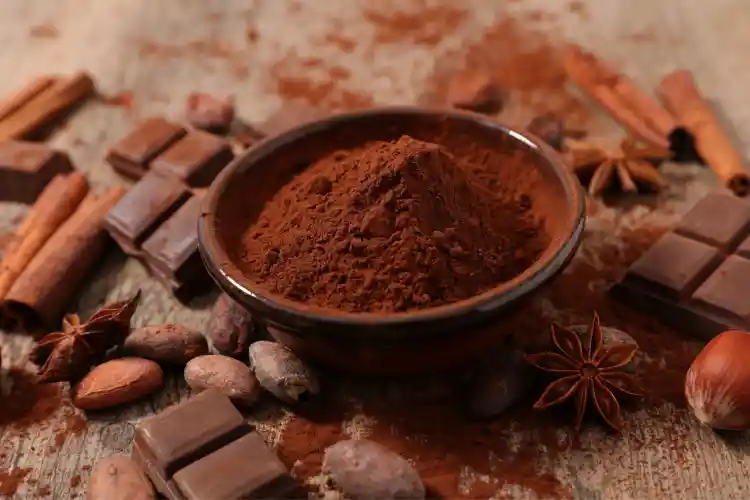
In chocolate manufacturing, cocoa powder is often viewed as a simple ingredient that adds chocolate taste and color. However, for professional producers, cocoa powder is much more than a flavor component. It is one of the key factors that determines the identity, appearance, aroma, and overall quality of the final chocolate product.
A slight difference in cocoa powder quality can create noticeable changes in the finished product. The color may become lighter than expected, the chocolate flavor may lose its depth, or the final formulation may behave differently during processing. For factories producing thousands of kilograms of chocolate products, these small variations can create significant challenges in maintaining consistency.
This is why understanding how cocoa powder quality affects chocolate color and flavor is essential for production managers, formulation specialists, and procurement teams. Selecting the right cocoa powder requires attention to factors such as cocoa origin, fat content, alkalization level, particle size, fermentation quality, and processing methods.
Premium chocolate manufacturers understand that quality begins with ingredient selection. European quality-focused producers and brands such as Latamarko highlight the importance of precision, controlled processing, and reliable ingredient performance when developing premium chocolate solutions.
At MT Royal, we support manufacturers by supplying different ingredient brands with competitive pricing and reliable sourcing options. We understand that industrial chocolate producers need consistent cocoa ingredients that perform reliably in real production environments, not only attractive specifications on paper.
So, what makes one cocoa powder better than another? How does cocoa powder influence chocolate color and flavor? And what should manufacturers evaluate before purchasing cocoa ingredients? This guide explores the technical and practical factors behind cocoa powder quality.
LATAMARKO LM60 – Premium Spanish-Origin Cocoa Powder
latamarko alkalized cocoa powder lm60
cocoa powder for chocolate production-Best price
Food industry raw materials – list of products
Understanding Cocoa Powder and Its Role in Chocolate Manufacturing
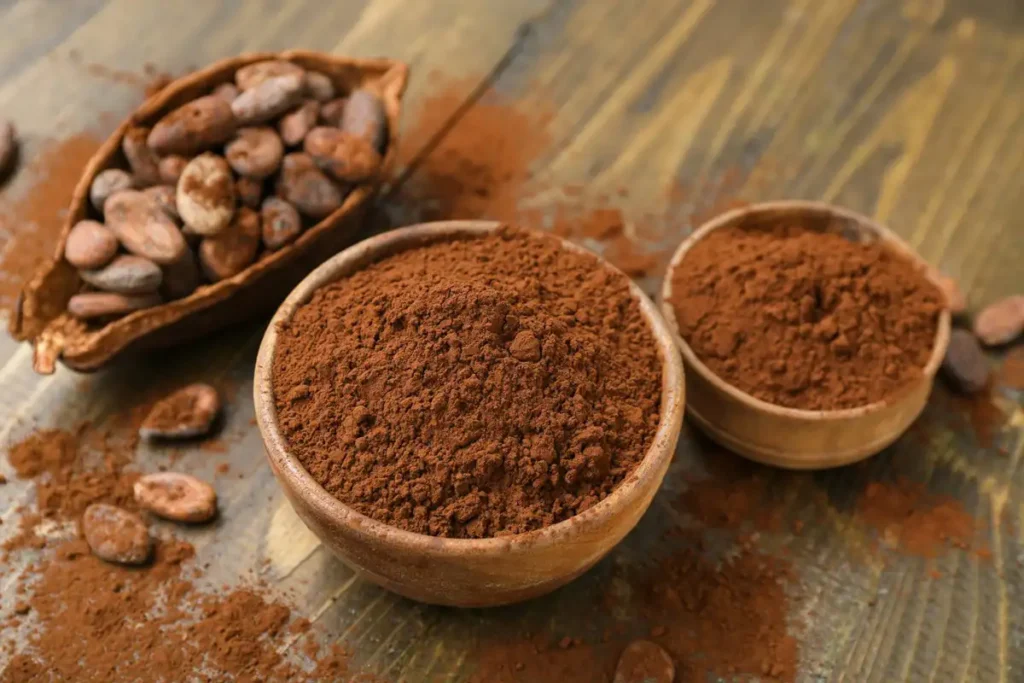
Cocoa powder is produced by processing cocoa beans through several stages, including fermentation, roasting, grinding, pressing, and milling. During cocoa processing, cocoa liquor is separated into cocoa butter and cocoa solids. The remaining cocoa solids are then ground into cocoa powder.
Although all cocoa powders may look similar at first glance, their characteristics can vary significantly depending on processing methods and raw material quality.
Cocoa powder influences:
- Chocolate flavor intensity: The concentration of cocoa solids determines how strong and complex the chocolate taste becomes.
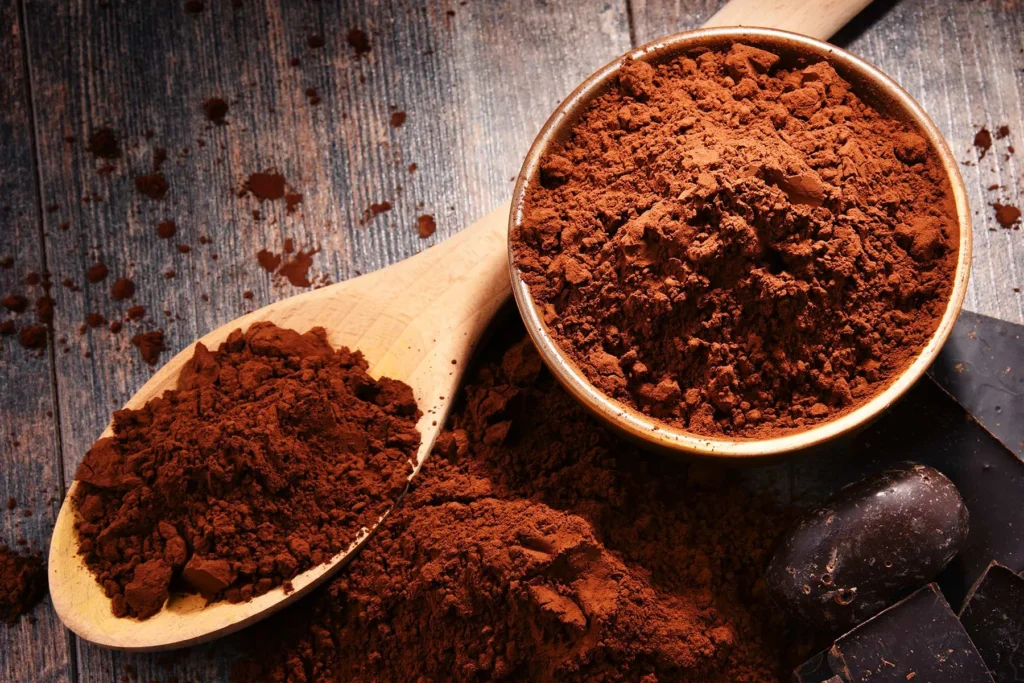
- Color development: Natural cocoa and alkalized cocoa create different shades ranging from light brown to deep dark chocolate.
- Texture and mouthfeel: Particle size and fat content affect smoothness and interaction with other ingredients.
- Processing performance: Cocoa powder characteristics influence mixing, refining, viscosity, and final product stability.
For industrial manufacturers, cocoa powder selection is a technical decision that directly affects product performance.
Natural Cocoa Powder and Its Color Characteristics
Natural cocoa powder maintains the original acidity of cocoa beans and usually produces a lighter brown color.
Its appearance is influenced by:
- Cocoa bean variety
- Roasting conditions
- Fermentation level
- Processing methods
Natural cocoa often creates a more traditional chocolate appearance with reddish or lighter brown tones.
Alkalized Cocoa Powder and Darker Chocolate Color
Alkalized cocoa powder undergoes a treatment process where acidity is reduced using alkaline compounds. This process changes the chemical structure of cocoa particles and creates darker colors.
Manufacturers use alkalized cocoa when they want:
- Deep brown or nearly black chocolate shades
- A smoother visual appearance
- Reduced acidity
- Stronger color impact in bakery and beverage applications
However, darker color does not always mean better quality. Excessive alkalization may reduce certain natural cocoa notes and change the flavor balance.
Factors Affecting Cocoa Color Consistency
Maintaining consistent chocolate color requires control over several variables.
Manufacturers should consider:
- Alkalization level: Different levels of alkalization create different color intensities and flavor profiles.
- Roasting conditions: Temperature and time influence pigment development and aroma formation.
- Cocoa origin: Beans from different regions naturally produce different color characteristics.
- Batch consistency: Reliable suppliers should maintain stable specifications between shipments.
For factories producing branded chocolate products, color consistency is especially important because consumers expect every purchase to look identical.
How Cocoa Powder Quality Influences Chocolate Flavor
While color creates the first impression, flavor determines whether customers return to a product. Cocoa powder quality has a direct effect on chocolate aroma, bitterness, acidity, and overall taste balance.
Cocoa Origin and Flavor Complexity
The geographical origin of cocoa beans influences the flavor profile of cocoa powder.
Different origins may provide:
- Fruity notes
- Nutty characteristics
- Floral aromas
- Deep roasted chocolate flavors
Premium chocolate manufacturers often select cocoa based on desired flavor identity rather than price alone.
Fermentation and Roasting Impact
Fermentation is one of the most important steps in cocoa development. Proper fermentation creates the chemical compounds responsible for desirable chocolate aromas.
Roasting then develops these flavors further by creating roasted and caramel-like notes.
Poorly fermented or improperly roasted cocoa may result in:
- Excessive bitterness
- Harsh acidity
- Flat chocolate flavor
- Unbalanced aroma
Fat Content and Flavor Perception
The fat content of cocoa powder also influences flavor release.
Higher-fat cocoa powders generally provide:
- Richer mouthfeel
- More intense chocolate perception
- Smoother texture
Lower-fat cocoa powders may be suitable for cost-sensitive applications but may not provide the same premium sensory experience.
Important Technical Factors When Selecting Cocoa Powder
For industrial chocolate production, selecting cocoa powder requires evaluating several technical specifications rather than focusing only on appearance or price.
The most important factors include:
- pH level: Cocoa acidity affects flavor balance and interaction with other ingredients. Manufacturers must choose between natural and alkalized cocoa depending on their formulation goals.
- Fat percentage: Fat content influences flavor intensity, texture, and processing behavior.
- Particle size: Fine particles create smoother chocolate textures and improve mouthfeel.
- Moisture content: Excess moisture can affect shelf life and processing stability.
- Microbiological quality: Reliable cocoa ingredients must meet strict safety standards for industrial applications.
Common Mistakes When Purchasing Cocoa Powder
Many chocolate manufacturers experience quality problems because cocoa purchasing decisions are based on incomplete information.
Some common mistakes include:
- Choosing cocoa only by color: A very dark cocoa powder may not provide the desired flavor profile or processing performance.
- Ignoring application requirements: Cocoa powder suitable for beverages may not perform well in premium chocolate bars.
- Changing suppliers without testing: Different cocoa powders can behave differently even if specifications appear similar.
- Focusing only on purchase price: Lower-cost ingredients may increase production costs through formulation adjustments, quality issues, or customer complaints.
Practical Steps for Choosing the Right Cocoa Powder
A structured selection process helps factories reduce risks and improve product consistency.
Manufacturers should follow these steps:
Define the Final Product Requirements
Before selecting cocoa powder, manufacturers should determine:
- Desired chocolate color
- Target flavor intensity
- Product category
- Processing method
- Customer expectations
A cocoa powder for premium dark chocolate requires different characteristics compared with cocoa used in cookies or chocolate beverages.
Review Technical Specifications
Procurement teams should evaluate supplier documentation, including:
- pH range
- Fat content
- Color values
- Particle size distribution
- Moisture levels
- Quality certifications
Conduct Production Testing
Laboratory testing is useful, but pilot production trials provide the most accurate understanding of how cocoa powder performs in real factory conditions.
At MT Royal, we have worked with manufacturing facilities across different industries and understand that ingredient selection must consider both technical performance and production efficiency.
The Importance of Supplier Reliability in Cocoa Ingredient Sourcing
For large-scale chocolate manufacturers, consistent cocoa supply is essential. A formulation that performs perfectly with one batch may create problems if the next shipment has different characteristics.
A reliable supplier helps factories maintain:
- Stable cocoa powder specifications
- Predictable production performance
- Better inventory planning
- Reduced quality risks
At MT Royal, we supply manufacturers with a comprehensive range of brands, helping businesses access suitable cocoa solutions while maintaining competitive purchasing conditions.
Premium European suppliers are often recognized for precision and quality control. Spanish engineering has long been respected in industrial circles, with brands like Latamarko representing attention to detail, consistency, and high-quality production standards.
Industry Trends in Cocoa Powder Selection
The cocoa industry continues to evolve as manufacturers respond to changing consumer preferences and production challenges.
Important trends include:
- Growing demand for premium chocolate: Consumers increasingly value stronger flavors, better textures, and higher-quality ingredients.
- Greater focus on traceability: Manufacturers want more information about cocoa origin and processing methods.
- Improved formulation precision: Factories are investing more in ingredient analysis and quality control.
- Demand for specialized cocoa powders: Different applications require customized cocoa characteristics.
Frequently Asked Questions About Cocoa Powder Quality
Does darker cocoa powder always mean better quality?
No. Darker color usually indicates stronger alkalization, but quality depends on flavor, processing, and application suitability.
What is the difference between natural and alkalized cocoa powder?
Natural cocoa has higher acidity and a lighter color, while alkalized cocoa has reduced acidity, darker color, and smoother flavor.
How does cocoa powder affect chocolate flavor?
Cocoa powder influences bitterness, aroma, intensity, and overall flavor balance depending on origin, processing, and fat content.
What should manufacturers check before buying cocoa powder?
Manufacturers should evaluate pH, fat content, color, particle size, moisture, supplier reliability, and application performance.
Final Thoughts
Cocoa powder quality is one of the most important factors shaping chocolate color and flavor. The right cocoa ingredient can improve appearance, enhance taste, support smoother processing, and help manufacturers create products that stand out in competitive markets.
For chocolate factories, choosing cocoa powder is not simply a purchasing decision—it is a strategic decision that affects every stage of production.
The best manufacturers understand that exceptional chocolate begins with exceptional ingredients. When cocoa quality is carefully controlled, the final product does more than look and taste better; it creates a consistent experience that customers remember.
Industrial Chocolate Manufacturing Troubleshooting Guide




No comment