

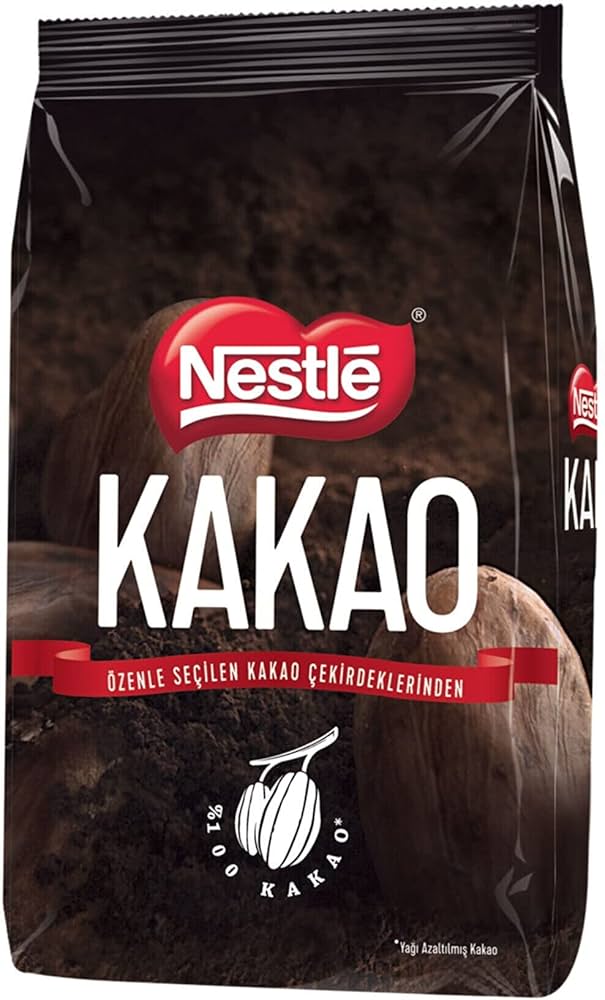
Introduction to Nestlé Ingredients in Food Manufacturing
The Role of Global Ingredients in Modern Production
In today’s industrial food manufacturing landscape, ingredient selection goes far beyond simple formulation. It defines how efficiently a factory operates, how consistent the final product remains across batches, and how scalable the production system can become over time.
Ingredients associated with globally recognized brands like Nestlé have found their way into a wide range of applications, from chocolate and confectionery to dairy and beverage production. Their widespread use is largely driven by familiarity, established quality perception, and compatibility with standard formulations used across international markets.
However, as production volumes increase and manufacturers move toward large-scale operations, the expectations from ingredients begin to change. What works well at a consumer level does not always translate seamlessly into industrial performance.
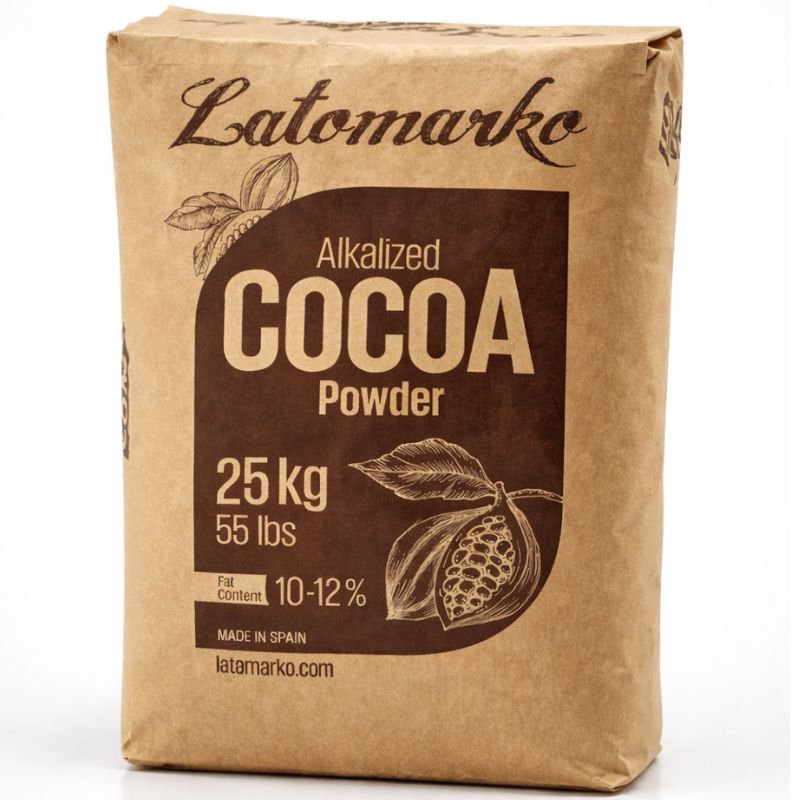
From Brand Recognition to Industrial Performance
At an industrial level, manufacturers are less focused on branding and more concerned with technical performance. Key factors such as batch-to-batch consistency, supply continuity, processing stability, and cost efficiency become critical.
This shift often leads procurement and production teams to re-evaluate how ingredients are sourced and integrated into their systems. The focus moves toward finding solutions that not only match the expected quality profile but also provide greater flexibility in terms of volume, specification, and logistics.
Bridging Global Standards with Industrial Supply
In this context, companies like MT ROYAL play an important role in bridging the gap between globally recognized ingredient standards and the practical needs of industrial manufacturers. By working closely with producers across different regions, MT ROYAL supports access to widely used ingredient profiles through structured bulk supply, technical understanding, and optimized logistics.
This approach allows manufacturers to maintain product quality while gaining more control over their supply chain—an essential advantage in competitive and fast-moving markets.
Setting the Foundation for Deeper Analysis
Understanding how these ingredients function within real production environments is essential for making informed decisions. As we move forward, examining their composition, applications, and limitations will provide a clearer perspective on how manufacturers can optimize both product quality and operational efficiency.
What Are the Main Raw Materials Used in Nestlé Products?
Understanding the Foundation of Nestlé Product Formulations
The main raw materials used in many Nestlé product categories generally include cocoa, dairy ingredients, sugar, vegetable oils, cereals, coffee, and other food ingredients depending on the final application. For manufacturers, these raw materials are not only basic components of a recipe. They directly affect taste, texture, color, shelf life, production efficiency, and consumer acceptance.
In industrial food manufacturing, raw materials must perform consistently under real production conditions. A chocolate factory, beverage producer, dairy manufacturer, biscuit producer, or confectionery plant does not evaluate ingredients only by name. The real question is how the ingredient behaves during mixing, heating, cooling, drying, filling, storage, and transportation.
Among the most important raw materials used across Nestlé-related product categories, four groups stand out clearly: cocoa, milk powder, sugar, and vegetable oils.
Cocoa as a Core Ingredient in Chocolate, Beverages, and Confectionery
Cocoa is one of the most important raw materials in chocolate, cocoa drinks, bakery fillings, biscuits, wafers, desserts, and confectionery products. It can appear in different forms such as cocoa powder, cocoa butter, and cocoa liquor, depending on the product type and the required formulation.
For industrial manufacturers, cocoa is a strategic ingredient because it influences several key characteristics of the final product. Cocoa powder affects color, flavor intensity, bitterness, mouthfeel, and visual appearance. Cocoa butter contributes to texture, melting behavior, and fat structure. Cocoa liquor brings natural cocoa solids and cocoa fat together, making it especially important in chocolate and premium confectionery formulations.
In large-scale production, cocoa quality must remain stable from one batch to another. Even small differences in color, pH level, fat content, particle size, or flavor profile can create visible changes in the finished product. This is why industrial buyers often look beyond general brand recognition and focus on technical specifications.
For cocoa powder especially, the difference between natural cocoa powder and alkalized cocoa powder is highly important. Natural cocoa powder usually has a lighter color and more acidic taste profile, while alkalized cocoa powder is processed to achieve darker color, smoother flavor, and improved performance in many industrial applications. This makes alkalized cocoa powder especially valuable in chocolate, beverages, dairy desserts, biscuits, wafers, and ice cream production.
Milk Powder and Dairy Ingredients in Food Manufacturing
Milk powder is another major raw material used in many food categories, especially dairy-based products, chocolate, confectionery, bakery, coffee mixes, creamers, desserts, and instant beverages. In industrial formulations, milk powder is often selected because it provides dairy flavor, creaminess, protein content, body, and improved texture.
Different types of dairy ingredients may be used depending on the application. Whole milk powder provides a richer taste and higher fat contribution. Skimmed milk powder is commonly used when manufacturers need dairy solids without adding significant fat. Whey powder, lactose, milk proteins, and dairy blends may also be used to adjust texture, sweetness, protein level, and cost-performance balance.
For manufacturers, the most important point is not only whether a product contains milk powder, but what type of milk powder is being used and how it performs in production. In chocolate, dairy ingredients influence creaminess, sweetness perception, and mouthfeel. In beverages, they affect solubility and stability. In bakery and confectionery, they contribute to browning, texture, and flavor development.
Milk powder must also be carefully evaluated for moisture level, microbiological quality, solubility, heat stability, and storage conditions. Poor-quality dairy ingredients can cause clumping, off-flavors, unstable texture, or production problems.
Sugar as a Functional and Structural Ingredient
Sugar is often understood only as a sweetener, but in industrial food manufacturing it plays a much broader role. It affects sweetness, texture, color development, preservation, mouthfeel, and overall product structure.
In chocolate and confectionery, sugar helps build the body of the product and balances cocoa bitterness. In biscuits and bakery products, it contributes to browning, crispness, and flavor development during baking. In dairy desserts and beverages, sugar affects sweetness balance, viscosity, and consumer preference.
Different sugar sources may be used depending on the region, formulation, and production strategy. These can include refined sugar, glucose syrup, sucrose, lactose, or other sweetening systems. The choice depends on the required texture, sweetness level, cost structure, and processing conditions.
From an industrial perspective, sugar must be consistent in particle size, purity, moisture content, and performance. In chocolate production, for example, sugar particle size can affect smoothness and mouthfeel. In beverages, solubility becomes more important. In confectionery, crystallization behavior can determine whether the final product has the desired texture.
Vegetable Oils in Industrial Food Applications
Vegetable oils are widely used in food manufacturing because they provide fat structure, texture, mouthfeel, processing stability, and cost-performance flexibility. They may be used in confectionery, bakery, fillings, coatings, dairy alternatives, spreads, creamers, snacks, and many other applications.
Common vegetable oils used in the food industry may include palm oil, sunflower oil, soybean oil, rapeseed oil, coconut oil, and specialized vegetable fat blends. The choice depends on melting point, stability, flavor neutrality, texture, and compatibility with the final product.
In chocolate and confectionery, vegetable fats may be used in coatings, fillings, compound chocolate, cream layers, and bakery applications. In biscuits and wafers, they support texture and mouthfeel. In cream fillings, they influence spreadability, firmness, and stability. In beverages and creamers, they help create body and smoothness.
Vegetable oils must be selected carefully because their melting behavior and oxidation stability directly affect product quality. A fat that performs well in one application may not be suitable for another. For example, a filling fat must remain stable during storage, while a coating fat must create the right snap, gloss, and melting profile.
Why These Raw Materials Matter for Industrial Buyers
For industrial manufacturers, cocoa, milk powder, sugar, and vegetable oils are more than ingredients. They are production tools. Each one affects the final product in a different way, and each one must be selected based on application, processing conditions, and target market expectations.
A manufacturer producing chocolate needs cocoa with stable color, controlled flavor, and reliable fat behavior. A beverage producer needs cocoa powder and dairy ingredients with good dispersion and solubility. A biscuit or wafer producer needs ingredients that can tolerate heat, maintain color, and support consistent texture. A confectionery manufacturer needs fats, sugars, and cocoa ingredients that work together without creating instability.
This is why industrial sourcing is not only about buying well-known ingredients. It is about building a reliable ingredient system that supports continuous production, predictable quality, and long-term supply security.
From General Raw Materials to Specialized Cocoa Solutions
Among these raw materials, cocoa deserves special attention because it directly connects brand perception, product quality, and consumer experience. In many chocolate, beverage, bakery, dairy, and confectionery applications, cocoa powder is one of the first ingredients consumers recognize through color, aroma, and taste.
For this reason, many manufacturers look for cocoa powder solutions that offer more than basic supply. They need controlled specifications, stable color, reliable performance, and industrial consistency.
This is where LATAMARKO, produced in Spain under European standards, becomes highly relevant for manufacturers looking for professional cocoa powder solutions. Through MT ROYAL, industrial buyers can access cocoa powder designed for real production needs, including natural cocoa powder, alkalized cocoa powder, dark cocoa powder, and black cocoa powder for different applications.
Nestlé Ingredients List for Industrial Food Production
Chocolate Applications
In chocolate manufacturing, the ingredient structure is built around cocoa derivatives and complementary components that define texture, flavor, and stability. Core materials typically include cocoa powder, cocoa butter, and cocoa liquor, supported by sugar for sweetness and structure. Dairy ingredients such as milk powder are used in milk chocolate formulations to enhance creaminess and mouthfeel. Emulsifiers like lecithin help improve flow properties and processing efficiency, while flavoring components such as vanilla are often added to refine the final taste profile.
Beverage Applications
For beverage production, especially in cocoa-based and instant drink formulations, the ingredient focus shifts toward solubility, dispersion, and stability. Cocoa powder is used as the primary flavor and color component in chocolate drinks, often combined with sugar and dairy powders to create a balanced taste and creamy texture. In some formulations, stabilizers and emulsifiers are included to prevent sedimentation and ensure a uniform consistency. The choice of particle size and processing method plays a critical role in achieving the desired performance in both hot and cold beverages.
Dairy Applications
In dairy-based products, ingredients are selected to provide richness, nutritional value, and stability throughout shelf life. Milk powder, whey derivatives, and milk proteins form the base of many formulations, delivering creaminess and body. Cocoa powder is frequently incorporated in flavored milk, desserts, and dairy beverages to add chocolate character. Sugar contributes to sweetness and balance, while stabilizers and functional ingredients help maintain texture and prevent separation during storage. The interaction between dairy components and cocoa requires careful formulation to ensure smooth integration and consistent product quality.
Nestlé Cocoa and Chocolate Ingredients
From Broad Ingredient Use to Cocoa-Centered Formulation
Across chocolate, beverage, dairy, and confectionery applications, cocoa is not just one ingredient among many—it is the defining element that shapes flavor, color, aroma, and overall product identity. In formulations associated with globally recognized brands such as Nestlé, cocoa-based components form the backbone of a wide range of products, from classic chocolate bars to instant drinks and filled biscuits.
For industrial manufacturers, understanding cocoa in its different forms is essential. Cocoa does not enter production as a single standardized material. Instead, it appears in three primary forms—cocoa powder, cocoa butter, and cocoa liquor—each with a specific function and technical impact. The balance between these three determines not only the sensory quality of the product but also its behavior during processing and storage.

Cocoa Powder: The Engine of Color, Flavor, and Efficiency
Cocoa powder is one of the most widely used cocoa derivatives in industrial food production. It plays a critical role in defining the visual appearance and flavor intensity of a product. Whether used in chocolate drinks, biscuits, wafers, ice cream, dairy desserts, or even chocolate formulations, cocoa powder is often the first ingredient consumers recognize through color and aroma.
From a technical perspective, cocoa powder contributes to:
- Color development, ranging from light brown to deep black depending on processing
- Flavor profile, including bitterness, roasted notes, and chocolate intensity
- Dry matter structure in formulations such as biscuits, cakes, and fillings
- Cost-performance balance in chocolate and compound coatings
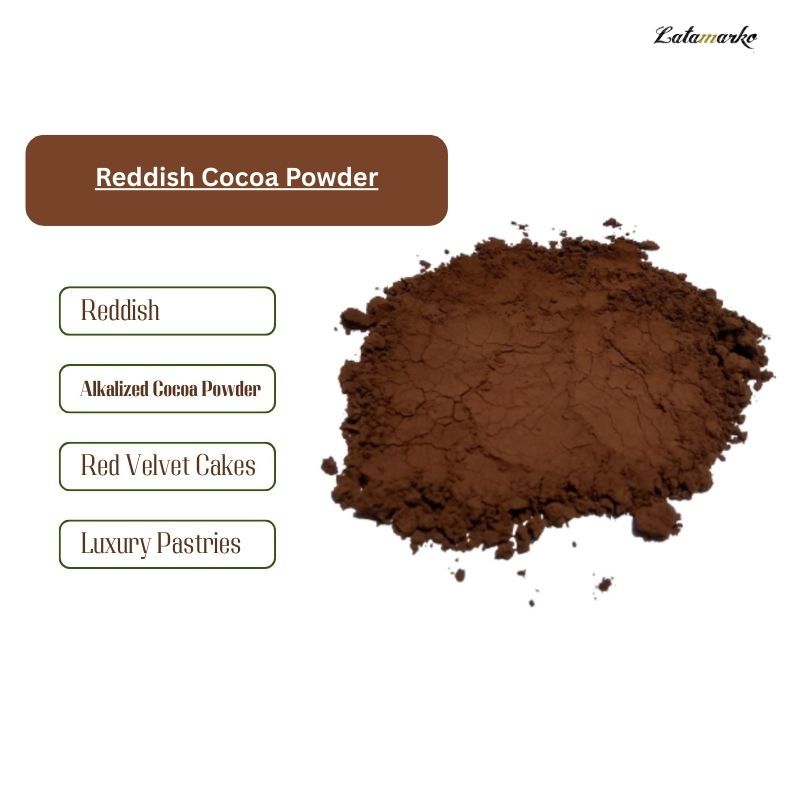
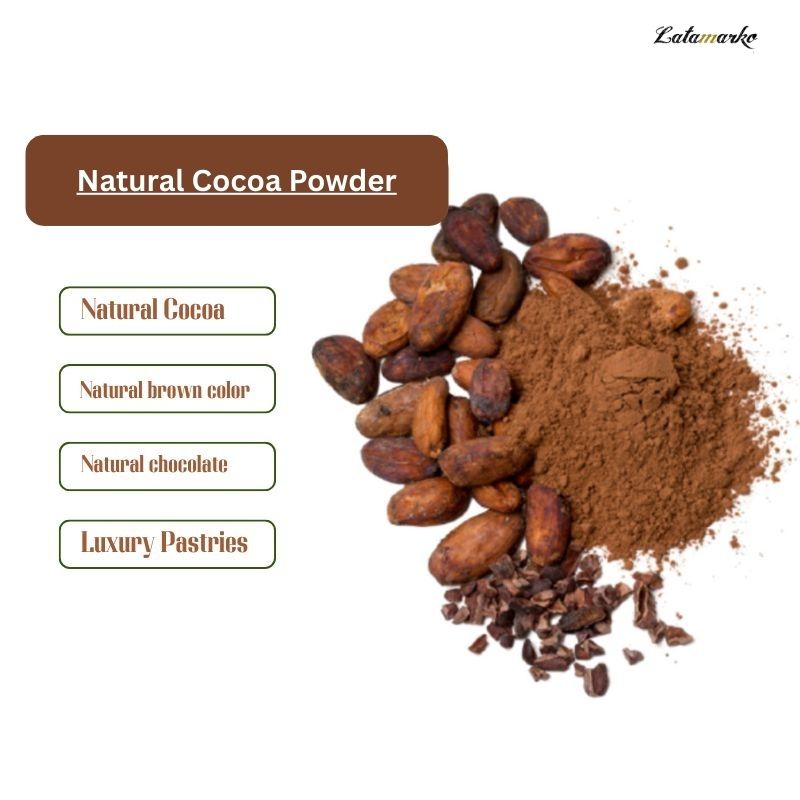
One of the most important distinctions in cocoa powder is between natural cocoa powder and alkalized cocoa powder. Natural cocoa powder retains a more acidic pH and lighter color, while alkalized cocoa powder is treated to reduce acidity, resulting in a darker color, smoother taste, and improved dispersion in many applications.
For industrial manufacturers, alkalized cocoa powder is often preferred because it delivers:
- Better solubility in beverages
- More stable color in baking and processing
- Reduced acidity for smoother flavor
- Greater consistency across batches
In large-scale production, even minor variations in cocoa powder can lead to noticeable differences in final products. A slight change in color can affect brand perception. A variation in pH can impact reaction with other ingredients. Differences in particle size can influence mixing behavior and mouthfeel. This is why industrial buyers focus heavily on technical specifications rather than just ingredient names.
Cocoa Butter: The Structure Behind Texture and Mouthfeel
While cocoa powder defines much of the visual and flavor identity, cocoa butter is responsible for the physical experience of chocolate and many confectionery products. It is the natural fat extracted from cocoa beans and plays a crucial role in texture, melting behavior, and product stability.
Cocoa butter provides:
- Smooth and creamy mouthfeel
- Controlled melting profile at body temperature
- Gloss and snap in chocolate products
- Stability in coatings and fillings
In chocolate production, the ratio between cocoa butter and cocoa solids determines whether the product feels rich and smooth or dry and heavy. A well-balanced formulation ensures that chocolate melts cleanly in the mouth without leaving a waxy or greasy sensation.
For manufacturers, cocoa butter is also important in processing. It affects:
- Flow properties during refining and conching
- Molding and enrobing performance
- Cooling and crystallization behavior
The crystallization of cocoa butter is especially critical. If not properly controlled, it can lead to defects such as fat bloom, which affects both appearance and shelf life. This makes consistency in cocoa butter quality essential for industrial operations.
In some applications, manufacturers may partially replace cocoa butter with alternative fats for cost or functional reasons. However, this must be done carefully, as it can significantly change texture, melting behavior, and overall product quality.
Cocoa Liquor: The Foundation of Chocolate Composition
Cocoa liquor, also known as cocoa mass, is the pure ground form of cocoa beans. It contains both cocoa solids and cocoa butter in their natural proportions. This makes it a fundamental ingredient in chocolate production, especially for products that aim to maintain a strong cocoa character.
Cocoa liquor contributes:
- Intense cocoa flavor
- Natural balance of fat and solids
- Depth and complexity in chocolate taste
- Base structure for further formulation
In industrial chocolate production, cocoa liquor is often combined with additional cocoa butter, sugar, and milk ingredients to create different types of chocolate such as dark, milk, or compound variations.
For manufacturers, cocoa liquor is particularly important when:
- Developing premium or high cocoa content products
- Adjusting flavor profiles
- Controlling the balance between bitterness and smoothness
However, cocoa liquor is less flexible than cocoa powder when it comes to cost optimization. Because it contains a high proportion of cocoa butter, it is generally more expensive and less adaptable in certain formulations. This is why some manufacturers choose to partially replace cocoa liquor with cocoa powder and added fats in specific applications.
The Interplay Between Cocoa Powder, Cocoa Butter, and Cocoa Liquor
In real industrial formulations, these three cocoa components are rarely used in isolation. Instead, they are combined strategically to achieve the desired balance of flavor, texture, cost, and performance.
For example:
- In chocolate, cocoa liquor provides the base, cocoa butter adjusts texture, and cocoa powder can be used to fine-tune color and cost
- In beverages, cocoa powder is the primary cocoa source due to its dispersion and lower fat content
- In biscuits and wafers, cocoa powder is preferred for dry formulations and cost efficiency
- In fillings and creams, cocoa butter or vegetable fats are combined with cocoa powder for structure and stability
The key for manufacturers is to understand how each component behaves under specific production conditions. A formulation that works well in a small batch may behave very differently in a high-capacity industrial line.
Why Cocoa Becomes the Strategic Ingredient
Among all raw materials used in food manufacturing, cocoa stands out because it directly connects product quality with consumer perception. The color of a chocolate drink, the richness of a biscuit filling, the intensity of a chocolate bar—all of these depend heavily on cocoa.
This makes cocoa not just a functional ingredient, but a strategic one. Choosing the right cocoa powder, cocoa butter, or cocoa liquor can:
- Improve production efficiency
- Reduce formulation issues
- Enhance final product quality
- Strengthen brand positioning
For this reason, many industrial manufacturers move beyond standard sourcing approaches and look for cocoa solutions that are specifically designed for large-scale production.
Transition Toward Industrial Cocoa Solutions
As manufacturers scale their operations, the need for reliable and consistent cocoa ingredients becomes more critical. This is where industrial cocoa powder solutions gain importance, especially those produced under controlled European standards.
LATAMARKO, produced in Spain and supplied through MT ROYAL, focuses on delivering cocoa ingredients tailored for industrial use. With a range that includes natural cocoa powder, alkalized cocoa powder, dark cocoa powder, and black cocoa powder, it allows manufacturers to select the exact profile needed for their application.
Rather than adapting production to fit available ingredients, industrial buyers can work with cocoa solutions designed to match their technical requirements—whether for chocolate, beverages, dairy, or confectionery products.
Nestlé Dairy Ingredients and Applications
Nestlé Beverage Ingredients (Coffee, Cocoa Drinks)
The Importance of Beverage Ingredients in Industrial Production
Beverage manufacturing is one of the most technically demanding areas in the food industry. Whether producing ready-to-drink products, powdered drink mixes, or instant beverages, manufacturers must ensure that ingredients deliver consistent taste, smooth texture, and stable performance under different processing conditions.
Ingredients associated with globally recognized brands such as Nestlé are widely used in coffee-based drinks, cocoa beverages, and instant formulations. These ingredients are valued for their familiarity and broad application across markets. However, in industrial-scale production, their performance characteristics become more important than brand recognition alone.
For beverage manufacturers, the key challenge is not only achieving the desired flavor profile but also ensuring that the product remains stable during mixing, storage, transportation, and consumption. This is where ingredient selection becomes a critical factor.
Coffee Extracts: Concentration, Aroma, and Consistency
Coffee extracts are commonly used in industrial beverage production, especially in instant coffee, ready-to-drink coffee beverages, and flavored drink mixes. These extracts are produced by concentrating soluble compounds from roasted coffee beans, capturing both flavor and aroma.
In industrial applications, coffee extracts provide:
- Strong and consistent coffee flavor
- Controlled aroma profile
- Ease of use in liquid and powder formulations
- Compatibility with large-scale processing
For manufacturers, the main advantage of coffee extracts is their ability to deliver a uniform taste across batches. However, maintaining aroma stability during processing and storage can be challenging. Exposure to heat, oxygen, and moisture can affect flavor intensity, making proper formulation and packaging essential.
Cocoa-Based Drinks: Flavor, Color, and Technical Challenges
Cocoa-based beverages are among the most popular drink categories globally, ranging from instant hot chocolate to ready-to-drink chocolate milk and powdered beverage mixes. Cocoa powder is the key ingredient in these formulations, responsible for both flavor and visual appeal.
In beverage production, cocoa powder must perform in a very specific way. It should disperse easily in liquid, maintain uniform suspension, and deliver consistent color and taste. However, cocoa is naturally prone to challenges such as poor solubility and sedimentation.
Common issues in cocoa-based drinks include:
- Formation of lumps during mixing
- Sedimentation at the bottom of the container
- Uneven color distribution
- Inconsistent flavor release
To overcome these challenges, manufacturers often select alkalized cocoa powder, which offers improved dispersion, darker color, and smoother taste compared to natural cocoa powder. Particle size and processing methods also play a significant role in beverage performance.
In large-scale production, even small variations in cocoa powder can create visible defects in the final product. This makes consistency and technical specification critical for beverage manufacturers.
Instant Powders: Convenience and Functional Performance
Instant powders are widely used in the beverage industry due to their convenience, long shelf life, and ease of transportation. These powders are designed to dissolve or disperse quickly in liquid, creating a ready-to-consume beverage with minimal preparation.
Typical instant beverage formulations may include:
- Coffee extracts or cocoa powder
- Sugar or sweeteners
- Dairy powders such as milk powder or whey
- Stabilizers and emulsifiers
For industrial manufacturers, the key challenge with instant powders is achieving rapid and uniform dispersion without compromising taste or texture. Poorly designed powders can lead to clumping, slow dissolution, or uneven consistency.
To ensure high performance, manufacturers must carefully control:
- Particle size distribution
- Agglomeration process
- Moisture content
- Flowability and mixing behavior
Instant powders must also remain stable during storage, resisting humidity and maintaining their functional properties over time.
Interaction Between Coffee, Cocoa, and Dairy in Beverages
In many beverage formulations, coffee extracts, cocoa powder, and dairy ingredients are used together to create complex flavor profiles. For example, products such as mocha drinks combine coffee and cocoa, while chocolate milk combines cocoa with dairy.
These combinations require careful formulation because each ingredient behaves differently. Coffee extracts contribute aroma and bitterness, cocoa powder adds body and chocolate flavor, and dairy ingredients provide creaminess and balance.
The interaction between these components can affect:
- Solubility and dispersion
- Flavor balance
- Texture and mouthfeel
- Stability during storage
Achieving the right balance is essential for delivering a consistent and appealing beverage.
Industrial Considerations for Beverage Manufacturers
For manufacturers working at scale, ingredient selection is driven by performance, not just availability. Beverage ingredients must be:
- Easy to mix and process in large volumes
- Stable under different temperature conditions
- Consistent from batch to batch
- Compatible with automated production systems
Any variation in ingredient quality can lead to production inefficiencies, increased waste, or inconsistent product quality.
Moving Toward Optimized Cocoa Solutions in Beverages
Among all beverage ingredients, cocoa powder remains one of the most sensitive and technically demanding. Its behavior in liquid systems directly affects the final product’s appearance, taste, and consumer acceptance.
This is why many manufacturers look for cocoa powder solutions that are specifically designed for beverage applications. Controlled particle size, optimized alkalization, and stable color are key factors that improve performance in cocoa-based drinks.
Industrial cocoa powder produced under European standards, such as those available through LATAMARKO in Spain, provides manufacturers with reliable solutions tailored for beverage production. These products are developed to meet the specific needs of large-scale operations, ensuring better dispersion, consistent flavor, and stable performance across different formulations.
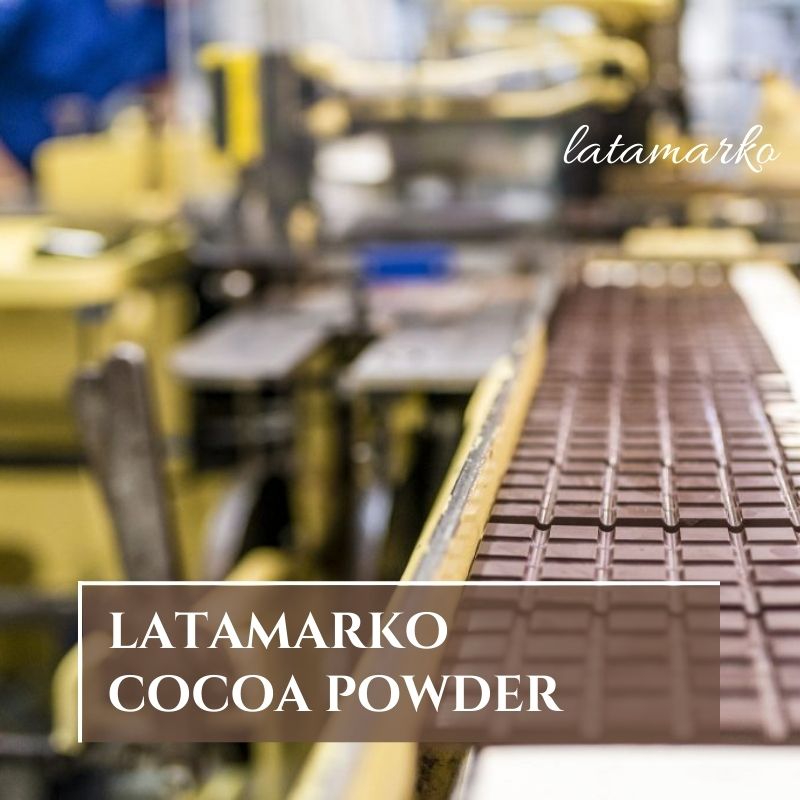
Nestlé Confectionery and Food Ingredients
The Structure Behind Confectionery Formulations
In confectionery and sweet food production, ingredients are selected not only for flavor but for how they behave during processing and how they perform in the final product. Products associated with Nestlé typically rely on well-balanced formulations that combine sweetness, texture, stability, and visual appeal.
For industrial manufacturers, confectionery production involves multiple layers of formulation. Fillings, coatings, and sweetening systems must work together in a controlled way to achieve consistency, shelf stability, and efficient processing. Each category plays a distinct role, and even small variations can significantly impact the final result.
Fillings: Texture, Flavor, and Stability
Fillings are a central component in many confectionery products such as chocolates, biscuits, wafers, bars, and desserts. They are responsible for delivering flavor intensity and creating a contrast in texture between the outer layer and the internal structure.
In industrial applications, fillings are designed to provide:
- Smooth and stable texture
- Controlled viscosity for processing
- Balanced sweetness and flavor
- Stability during storage and transportation
Typical filling formulations may include cocoa powder, vegetable fats, sugar, dairy ingredients, and emulsifiers. Cocoa-based fillings are particularly common, as they deliver rich flavor and a recognizable chocolate profile.
For manufacturers, one of the main challenges is maintaining consistency in fillings across large production volumes. Fillings must remain stable under different temperature conditions and should not separate, harden excessively, or lose their structure over time. The interaction between fat content and dry ingredients such as cocoa powder is especially critical in achieving the desired texture.
Coatings: Protection, Appearance, and Sensory Experience
Coatings play both a functional and aesthetic role in confectionery products. They act as a protective layer, helping to preserve the internal structure of the product, while also providing gloss, snap, and an appealing visual finish.
In industrial production, coatings are used in applications such as chocolate bars, enrobed biscuits, wafers, snacks, and confectionery pieces. They are typically formulated using cocoa butter, cocoa powder, or alternative vegetable fats depending on the product type and cost considerations.
Key functions of coatings include:
- Creating a smooth and glossy surface
- Providing structural integrity
- Enhancing mouthfeel and melting behavior
- Protecting the product from moisture and external factors
The performance of a coating depends heavily on fat composition and processing conditions. Proper crystallization is essential to avoid defects such as dull surfaces or fat bloom. Manufacturers must also ensure that coatings remain stable during storage and transportation, especially in varying temperature environments.
Sweet Ingredients: Beyond Basic Sweetness
Sweet ingredients are fundamental to confectionery products, but their role extends far beyond providing sweetness. They influence texture, structure, shelf life, and overall product performance.
Common sweetening components include sugar, glucose syrups, lactose, and other carbohydrate-based ingredients. These materials contribute to:
- Sweetness and flavor balance
- Texture development and structure
- Moisture control and shelf stability
- Interaction with fats and proteins
In products such as caramels, fillings, and coatings, the behavior of sugar is particularly important. Its crystallization properties can determine whether a product is smooth or grainy. In baked confectionery, sugar contributes to browning and flavor development during heat processing.
For industrial manufacturers, controlling the quality and consistency of sweet ingredients is essential. Variations in particle size, purity, or moisture content can lead to processing issues or inconsistent final products.
Interaction Between Fillings, Coatings, and Cocoa Components
In many confectionery products, cocoa ingredients are integrated into both fillings and coatings, creating a layered system of flavor and texture. Cocoa powder is often used to adjust color and flavor intensity, while cocoa butter or other fats define structure and mouthfeel.
The interaction between these elements is complex. For example:
- In wafer creams, cocoa powder must blend smoothly with fats and sugar to create a stable filling
- In chocolate coatings, the balance between cocoa butter and solids determines gloss and snap
- In filled chocolates, the compatibility between coating and filling affects shelf life and texture
Achieving the right balance requires precise formulation and consistent ingredient quality. Even small deviations can affect processing efficiency and final product quality.
Industrial Challenges in Confectionery Production
At large production scales, confectionery manufacturing introduces several technical challenges. Fillings must remain stable over time, coatings must perform consistently in automated lines, and sweet ingredients must behave predictably during processing.
Manufacturers must address:
- Stability of multi-layer products
- Control of fat crystallization
- Consistency in flavor and texture
- Resistance to temperature fluctuations
- Efficiency in high-speed production systems
These challenges highlight the importance of selecting ingredients that are specifically designed for industrial use, rather than relying solely on standard formulations.
Moving Toward Optimized Cocoa-Based Confectionery Solutions
Cocoa ingredients play a central role in many confectionery applications, especially in fillings and coatings. Their quality and consistency directly affect the visual and sensory characteristics of the final product.
For manufacturers seeking reliable performance, cocoa powder solutions developed under controlled European production standards offer a significant advantage. Products such as those produced in Spain under the LATAMARKO brand are designed to meet the technical requirements of industrial confectionery production.
With options including natural, alkalized, dark, and black cocoa powder, manufacturers can select the appropriate profile for different applications—whether for fillings, coatings, or complex confectionery systems—while maintaining consistency, efficiency, and product quality.
Ingredient Performance in Industrial Manufacturing
Moving from Ingredients to Measurable Performance
In industrial food production, the real value of an ingredient is defined by how it performs under continuous, high-volume conditions. Beyond basic composition, manufacturers evaluate ingredients based on reliability, repeatability, and how well they integrate into complex processing systems.
Ingredients commonly used across global formulations, including those associated with Nestlé, are expected to deliver consistent results across multiple product categories. However, when scaling production, the focus shifts from recognition to measurable performance. Three critical factors define this performance: consistency, scalability, and formulation impact.
Consistency: The Foundation of Industrial Quality
Consistency is the most important requirement in industrial manufacturing. It refers to the ability of an ingredient to perform identically across different batches, production cycles, and time periods.
In real production environments, inconsistency can create serious issues:
- Variations in color affecting product appearance
- Changes in flavor profile impacting consumer perception
- Differences in texture leading to product rejection
- Instability during processing causing operational disruptions
For example, in cocoa-based applications, even a slight variation in color or pH can lead to noticeable differences in chocolate, beverages, or bakery products. In dairy formulations, inconsistency in milk powder can affect solubility and mouthfeel. In confectionery, variations in fat composition can disrupt crystallization and texture.
Industrial manufacturers rely on ingredients that are tightly controlled in terms of:
- Chemical composition
- Particle size distribution
- Moisture content
- Functional behavior
Without this level of control, maintaining a stable production line becomes difficult. Consistency is not only about quality—it is directly linked to efficiency, waste reduction, and brand reliability.
Scalability: From Small Batches to Mass Production
Scalability refers to how well an ingredient performs when production moves from small-scale trials to large industrial volumes. An ingredient that works perfectly in a laboratory or pilot environment may not behave the same way in a high-capacity production line.
As production scales up, several challenges emerge:
- Mixing dynamics change in larger tanks
- Heat transfer behaves differently in industrial equipment
- Processing times increase
- Equipment limitations affect ingredient behavior
For instance, a cocoa powder that disperses easily in small batches may form lumps in large mixing systems. A dairy ingredient that performs well in test conditions may lose stability during extended processing cycles. A coating fat may behave differently when applied in high-speed enrobing lines.
Scalable ingredients must be designed to:
- Maintain performance across different production volumes
- Adapt to industrial equipment and processes
- Deliver predictable results in continuous production
Manufacturers need ingredients that reduce operational risk, not increase it. Scalability ensures that production can grow without compromising quality or efficiency.
Formulation Impact: How Ingredients Shape the Final Product
Every ingredient interacts with others in a formulation. These interactions determine the final product’s texture, flavor, stability, and processing behavior. This is known as formulation impact.
In industrial food systems, formulation impact can be complex. For example:
- Cocoa powder influences color, flavor intensity, and viscosity
- Dairy ingredients affect creaminess, protein structure, and stability
- Sugar contributes to sweetness, texture, and preservation
- Fats determine mouthfeel, melting behavior, and structural integrity
The way these ingredients interact can create either a stable, high-quality product or a problematic formulation.
A change in one ingredient can trigger a chain reaction. Adjusting cocoa powder may require changes in sugar levels or fat composition. Modifying dairy ingredients may affect solubility and texture. Changing fat types may influence crystallization and shelf life.
This is why industrial manufacturers focus on ingredients that are not only consistent but also predictable in their interactions. Ingredients must be compatible with existing formulations and allow for controlled adjustments without creating instability.
Interconnection Between Consistency, Scalability, and Formulation
These three factors—consistency, scalability, and formulation impact—are closely interconnected. An ingredient that is consistent but not scalable may still cause problems in large production. An ingredient that scales well but interacts unpredictably with other components can disrupt the entire formulation.
Successful industrial manufacturing requires a balance of all three:
- Consistency ensures repeatable quality
- Scalability supports production growth
- Formulation impact defines product performance
Manufacturers must evaluate ingredients holistically, not individually.
Why Cocoa Ingredients Require Special Attention
Among all ingredients, cocoa components are particularly sensitive to these performance factors. Cocoa powder, cocoa butter, and cocoa liquor each influence multiple aspects of the product, making them critical to overall formulation success.
Cocoa powder affects color, flavor, and dispersion. Cocoa butter defines texture and melting behavior. Cocoa liquor provides base structure and intensity. Any variation in these components can impact multiple parameters at once.
For example:
- In beverages, cocoa powder must disperse evenly and remain stable
- In chocolate, cocoa butter must crystallize correctly to ensure proper texture
- In confectionery, cocoa powder must integrate smoothly with fats and sugars
Because of this complexity, cocoa ingredients must be carefully selected and controlled to meet industrial performance requirements.
Moving Toward Performance-Oriented Ingredient Solutions
As manufacturers seek to improve efficiency and product quality, the focus shifts toward ingredient solutions that are specifically designed for industrial use. These solutions prioritize controlled specifications, consistent supply, and predictable behavior in real production environments.
In the case of cocoa, this means working with ingredients that offer stable color, defined pH levels, controlled particle size, and reliable performance across different applications.
Cocoa powder solutions produced under European standards, such as those available through LATAMARKO in Spain, are developed with these requirements in mind. They are designed to support large-scale production by providing consistent quality, improved processing behavior, and reduced variability.
By selecting ingredients based on performance rather than just availability, manufacturers can achieve more efficient production, lower waste levels, and higher product consistency across their entire operation.
What Are the 4 Pillars of Nestlé?
-
A Framework Behind Industrial Food Standards
In global food manufacturing, large organizations often operate based on core strategic pillars that guide how products are developed, sourced, produced, and delivered. These pillars are not just corporate messaging—they influence ingredient selection, supply chain decisions, quality control systems, and long-term business sustainability.
When examining widely recognized food systems, four key pillars are commonly associated with Nestlé’s operational philosophy: sustainability, quality, nutrition, and compliance. Each of these plays a critical role in shaping how ingredients are evaluated and used in industrial food production.
Sustainability: Responsible Sourcing and Long-Term Impact
Sustainability focuses on ensuring that raw materials are sourced responsibly while minimizing environmental impact. This includes considerations such as agricultural practices, supply chain transparency, resource efficiency, and reduction of environmental footprint.
In practical terms, this means:
- Sourcing ingredients from traceable and responsible origins
- Reducing carbon emissions across production and logistics
- Managing water usage and waste efficiently
- Supporting sustainable agriculture practices
For manufacturers, sustainability is no longer optional. It directly affects brand perception, regulatory approval, and long-term viability in global markets.
Quality: Consistency and Product Reliability
Quality is a fundamental pillar in food manufacturing. It ensures that products meet defined standards in terms of safety, taste, texture, and performance. For industrial producers, quality is closely linked to consistency.
Key aspects of quality include:
- Stable ingredient specifications across batches
- Controlled production processes
- Reliable sensory characteristics
- Predictable performance in manufacturing
Without consistent quality, large-scale production becomes inefficient and unreliable. Manufacturers depend on ingredients that can deliver the same results every time, regardless of volume or location.
Nutrition: Functional and Consumer-Oriented Value
Nutrition reflects the role of food products in supporting consumer health and dietary needs. It involves balancing ingredients to provide the desired nutritional profile while maintaining taste and functionality.
In industrial applications, this may include:
- Managing sugar, fat, and protein levels
- Enhancing nutritional value through formulation
- Adapting products to meet regional dietary expectations
- Supporting functional benefits in specific product categories
For manufacturers, nutrition is both a technical and market-driven factor. Products must meet regulatory requirements while also aligning with consumer demand for healthier options.
Compliance: Safety, Standards, and Regulations
Compliance ensures that all products and processes meet international food safety standards and regulatory requirements. This includes adherence to certifications, legal frameworks, and industry guidelines.
Important elements of compliance include:
- Food safety systems such as HACCP
- Regulatory approvals in different markets
- Proper labeling and documentation
- Traceability across the supply chain
For industrial manufacturers, compliance is critical to maintaining market access and avoiding operational risks. It also builds trust with customers, partners, and regulatory authorities.
Connecting the Pillars to Industrial Ingredient Selection
These four pillars—sustainability, quality, nutrition, and compliance—are directly connected to how ingredients are selected and used in manufacturing. They influence decisions related to sourcing, formulation, and production processes.
For example:
- Sustainable sourcing affects the origin of cocoa, dairy, and other raw materials
- Quality requirements define the need for consistent ingredient specifications
- Nutritional goals shape formulation strategies
- Compliance ensures that all ingredients meet safety and regulatory standards
Understanding these pillars helps manufacturers evaluate not only branded ingredients but also alternative solutions that can meet the same industrial requirements.
From Global Standards to Practical Implementation
While these pillars provide a strategic framework, their real value lies in how they are implemented in everyday production. Manufacturers must translate these principles into practical decisions about ingredient sourcing, formulation design, and supply chain management.
This is particularly important for key ingredients such as cocoa powder, dairy components, and fats, where performance, consistency, and compliance must align with industrial production needs.
By focusing on these foundational principles, manufacturers can build more efficient, reliable, and sustainable production systems that meet both market expectations and operational demands.
Is Nestlé Using Palm Oil in Food Products?
Direct Answer
Yes, Nestlé uses palm oil in some of its food products. Palm oil is widely used in the global food industry due to its functional properties, stability, and cost efficiency. It is commonly found in confectionery, biscuits, coatings, fillings, and certain processed food applications.
Why Palm Oil Is Used in Food Manufacturing
In industrial production, palm oil is selected based on technical performance rather than preference. It offers several advantages that make it suitable for large-scale manufacturing:
- Provides stable texture in fillings and coatings
- Offers good resistance to oxidation, supporting longer shelf life
- Has a neutral flavor that does not interfere with the final product
- Performs efficiently in high-volume production systems
These properties make palm oil a practical solution in many food formulations.
Sustainability and Responsible Sourcing
The use of palm oil has become a major topic in sustainability discussions, particularly due to concerns related to deforestation and environmental impact. As a result, large food manufacturers have shifted their focus toward responsible sourcing.
Nestlé has made commitments to improve sustainability in its supply chain. This includes:
- Increasing traceability of palm oil sources
- Supporting certified sustainable palm oil systems
- Working toward reducing environmental impact and deforestation
Today, sustainability is no longer just a corporate responsibility—it is a requirement driven by global markets, regulations, and consumer expectations.
The Industrial Perspective
For industrial manufacturers, the key consideration is not simply whether palm oil is used, but how it is sourced and how it performs.
Buyers increasingly evaluate:
- Supply chain transparency
- Environmental responsibility
- Compliance with international standards
- Long-term supply stability
This shift means that ingredient selection must balance performance, cost, and sustainability.
Transition Toward Optimized Ingredient Systems
As sustainability becomes more important, manufacturers are exploring smarter formulation strategies. This includes selecting ingredients that maintain performance while aligning with environmental standards.
In applications such as confectionery, bakery, and cocoa-based products, the interaction between fats and cocoa ingredients is especially important. Choosing the right combination of fats and cocoa components can significantly improve both product quality and production efficiency.
Final Insight
Palm oil remains a key ingredient in many food products, including those associated with Nestlé. However, the industry is clearly moving toward more responsible sourcing and performance-driven ingredient systems.
For manufacturers, the goal is to ensure that ingredients not only meet technical requirements but also align with the evolving expectations of sustainability and global food production standards.
Is Nestlé HACCP Certified and What Does It Mean?
Direct Answer
Yes. Operations associated with Nestlé apply HACCP-based food safety systems. In practice, large food manufacturers implement HACCP principles across their facilities to manage risks and ensure that products are safe for consumption.
What HACCP Means in the Food Industry
HACCP stands for Hazard Analysis and Critical Control Points. It is a systematic, preventive approach to food safety that focuses on identifying potential hazards and controlling them at specific stages of production.
Rather than relying only on final product testing, HACCP is built around controlling the process itself. This means risks are addressed before they can affect the product.
In industrial food manufacturing, HACCP typically involves:
- Identifying biological, chemical, and physical hazards
- Defining critical control points in the process
- Setting measurable limits for safety parameters
- Monitoring processes continuously
- Taking corrective actions when deviations occur
- Maintaining documentation and traceability
Why HACCP Is Critical for Industrial Manufacturing
In large-scale production, even a small issue can affect thousands of units. HACCP reduces this risk by creating a structured control system that ensures consistency and safety throughout the entire process.
For manufacturers, HACCP provides:
- Greater control over production processes
- Reduced risk of contamination
- Improved product consistency
- Stronger compliance with international standards
- Increased trust from customers and partners
It is considered a fundamental requirement for operating in global food markets.
HACCP and Ingredient Control
HACCP is not limited to processing stages. It also applies to raw materials and ingredients. Each ingredient entering a production facility must meet defined safety and quality criteria.
This includes:
- Verification of supplier standards
- Testing for microbiological safety
- Control of moisture and storage conditions
- Prevention of cross-contamination
Ingredients such as cocoa powder, dairy components, sugar, and fats must be evaluated not only for functionality but also for safety compliance within the HACCP system.
Integration with Other Food Safety Standards
HACCP is often integrated into broader food safety management systems used in industrial production. These systems combine HACCP principles with additional requirements related to quality management, traceability, and regulatory compliance.
For manufacturers, this integration ensures that:
- Processes are standardized across different facilities
- Products meet international safety expectations
- Supply chains remain transparent and controlled
Why HACCP Matters for Buyers and Manufacturers
For industrial buyers, HACCP is a key indicator of reliability. It shows that a supplier operates under controlled conditions and follows internationally accepted safety practices.
When selecting ingredients or partners, manufacturers typically prioritize:
- HACCP-based production systems
- Consistent quality and documentation
- Traceable supply chains
- Compliance with food safety regulations
This is especially important in applications involving high-risk ingredients or complex formulations.
From Food Safety to Industrial Confidence
HACCP is not just a certification or a requirement. It is a working system that supports safe, efficient, and predictable production. It allows manufacturers to scale operations while maintaining control over product quality and safety.
In today’s global food industry, HACCP is considered a baseline standard. Manufacturers who operate under these principles are better positioned to meet both regulatory demands and customer expectations.
Final Insight
HACCP-based systems are a critical part of modern food manufacturing, including operations associated with Nestlé. They ensure that safety is built into every stage of production, from raw material selection to final product delivery.
For industrial manufacturers, working with ingredients and partners aligned with HACCP principles provides greater confidence, lower risk, and more stable long-term production performance.
Nestlé Climate and Sustainability Initiatives
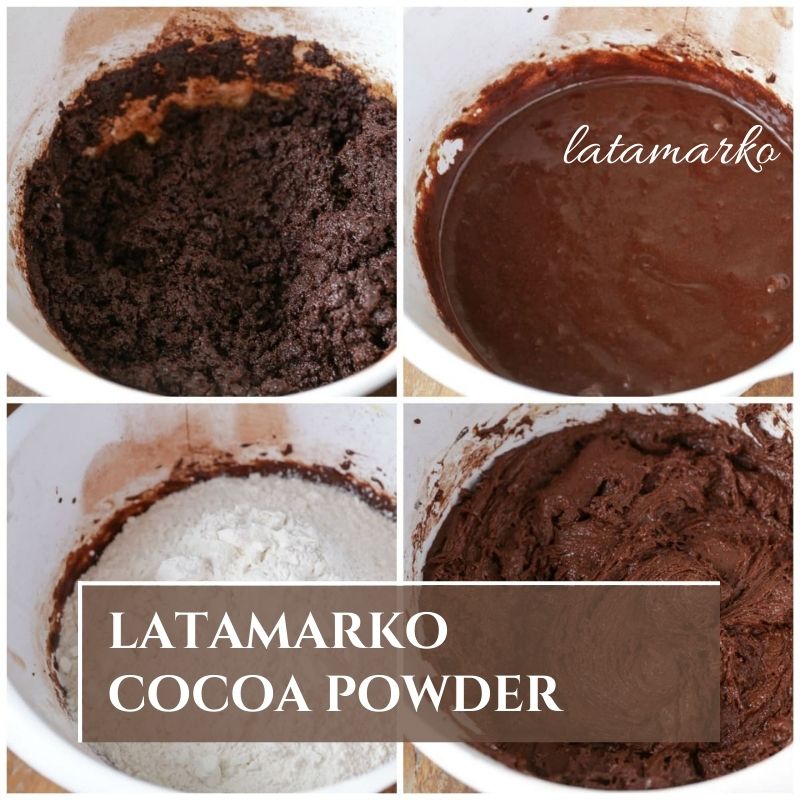
Challenges of Using Retail-Based Ingredients in Industrial Production
The Turning Point from Consumer Products to Industrial Needs
Ingredients designed for retail markets are built around convenience, brand familiarity, and small-scale usage. However, when these same ingredients are used in industrial food manufacturing, significant challenges begin to appear. Products associated with well-known brands such as Nestlé may perform well at the consumer level, but industrial production requires a completely different level of control, consistency, and scalability.
For manufacturers operating at scale, three critical challenges define the limitations of retail-based ingredients: supply, cost, and consistency.
Supply: Limitations in Volume and Continuity
Retail-based ingredients are not designed for bulk industrial sourcing. Their supply chains are optimized for distribution to consumers rather than continuous delivery to factories.
This creates several challenges:
- Limited availability in large volumes
- Inconsistent stock levels across regions
- Dependence on distributors rather than direct sourcing
- Unpredictable lead times
For a factory running continuous production, any disruption in supply can lead to downtime, missed deadlines, and increased operational costs. Industrial manufacturers require stable, long-term supply agreements that ensure uninterrupted production, something retail-oriented supply chains are not structured to provide.
Cost: Inefficiency at Scale
Retail products are priced differently from industrial ingredients. They include costs related to branding, packaging, distribution, and retail margins. While this may be acceptable for consumer use, it becomes inefficient when applied to large-scale manufacturing.
Key cost challenges include:
- Higher cost per unit compared to bulk ingredients
- Additional expenses for packaging and handling
- Lack of flexibility in pricing for large volumes
- Limited ability to optimize formulations based on cost
In industrial production, even small cost differences per kilogram can significantly impact overall profitability. Manufacturers need ingredient solutions that are optimized for bulk purchasing and long-term cost efficiency.
Consistency: The Most Critical Factor
Consistency is where retail-based ingredients face their biggest limitation in industrial use. Consumer products are not always designed to maintain identical performance across large batches and extended production cycles.
This can lead to:
- Variations in color and appearance
- Differences in flavor intensity
- Changes in texture and processing behavior
- Instability in formulations
For example, in cocoa-based applications, slight variations in cocoa powder can affect the final product’s color, taste, and processing performance. In dairy-based formulations, inconsistency can impact solubility and texture. In confectionery, variations in fat composition can disrupt crystallization and structure.
Industrial manufacturers rely on ingredients that are tightly controlled and standardized to ensure predictable performance in every batch.
The Gap Between Retail Formulation and Industrial Reality
Retail ingredients are designed for simplicity and convenience. Industrial manufacturing, on the other hand, requires precision and control. This creates a gap between what retail products offer and what factories actually need.
In industrial environments:
- Production runs continuously and at high speed
- Equipment operates under specific technical conditions
- Formulations must remain stable over time
- Quality must be identical across large volumes
Retail-based ingredients often cannot meet these requirements without causing inefficiencies or quality issues.
Moving Toward Industrial Ingredient Solutions
As manufacturers recognize these challenges, they begin to shift toward ingredients specifically designed for industrial use. These solutions focus on:
- Reliable and scalable supply chains
- Cost efficiency in bulk volumes
- Strict control of technical specifications
- Consistent performance across production cycles
This transition is especially important for key ingredients such as cocoa powder, where even minor variations can affect multiple aspects of the final product.
Final Insight
Using retail-based ingredients in industrial production may seem convenient at first, but it introduces significant risks related to supply, cost, and consistency. For manufacturers aiming to scale operations and maintain high product quality, these limitations quickly become a critical issue.
The shift toward industrial-grade ingredient solutions is not just a preference—it is a necessity for achieving stable, efficient, and competitive food production.
Industrial Cocoa Powder Solutions from Spain (LATAMARKO)
Moving Beyond Standard Ingredients Toward Industrial Excellence
At a certain point in every manufacturer’s growth, the question changes. It is no longer about finding cocoa powder—it becomes about finding the right cocoa powder that performs consistently under real industrial conditions.
LATAMARKO LM60 – Premium Spanish-Origin Cocoa Powder
This is where standard sourcing approaches reach their limits. Retail-oriented ingredients and generic suppliers may provide availability, but they rarely deliver the level of control, precision, and reliability required for large-scale production.
This is exactly the gap that LATAMARKO is designed to fill.
European Production with Industrial Precision
LATAMARKO cocoa powder is produced in Spain under strict European manufacturing standards. This is not just a geographical advantage—it reflects a complete production philosophy built around consistency, quality control, and technical performance.
European production ensures:
- Controlled processing conditions
- Stable and repeatable product specifications
- Compliance with international food safety standards
- Reliable supply chain structure
For industrial manufacturers, this translates into confidence. Confidence that every shipment will perform the same way. Confidence that production lines will not be disrupted by unexpected variations.
Cocoa Powder Designed for Industrial Applications
LATAMARKO is not positioned as a general-purpose cocoa supplier. It is focused specifically on industrial cocoa powder solutions, tailored for real production environments.
The product range includes:
- Natural cocoa powder for applications requiring lighter color and higher acidity
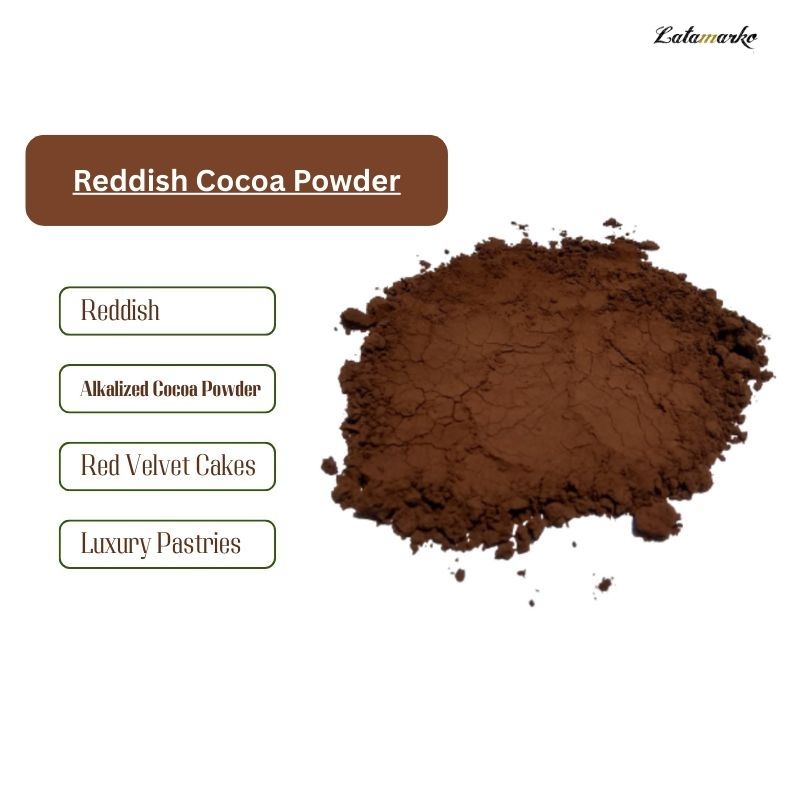
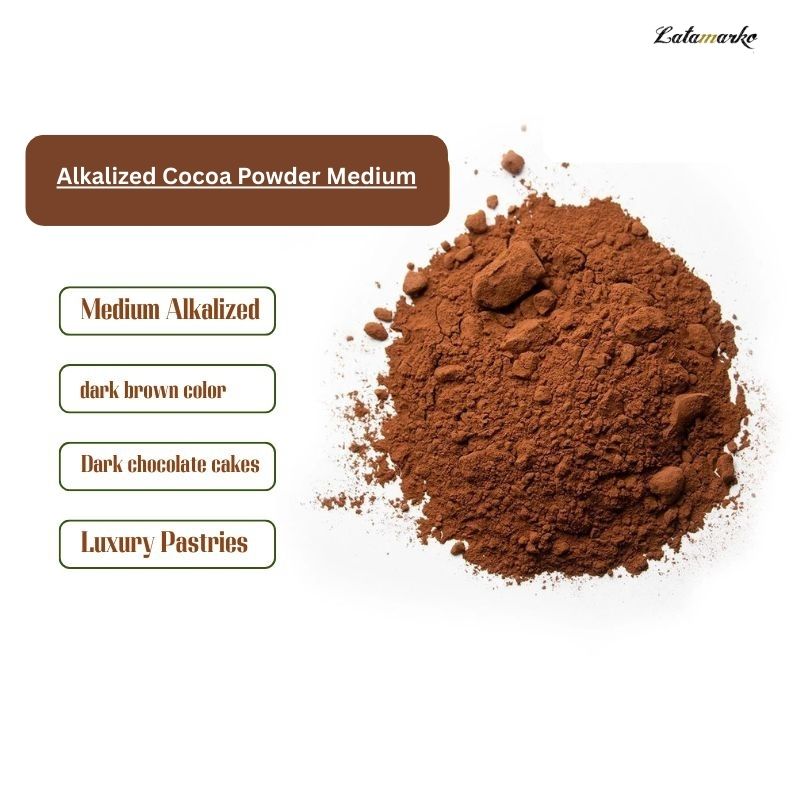
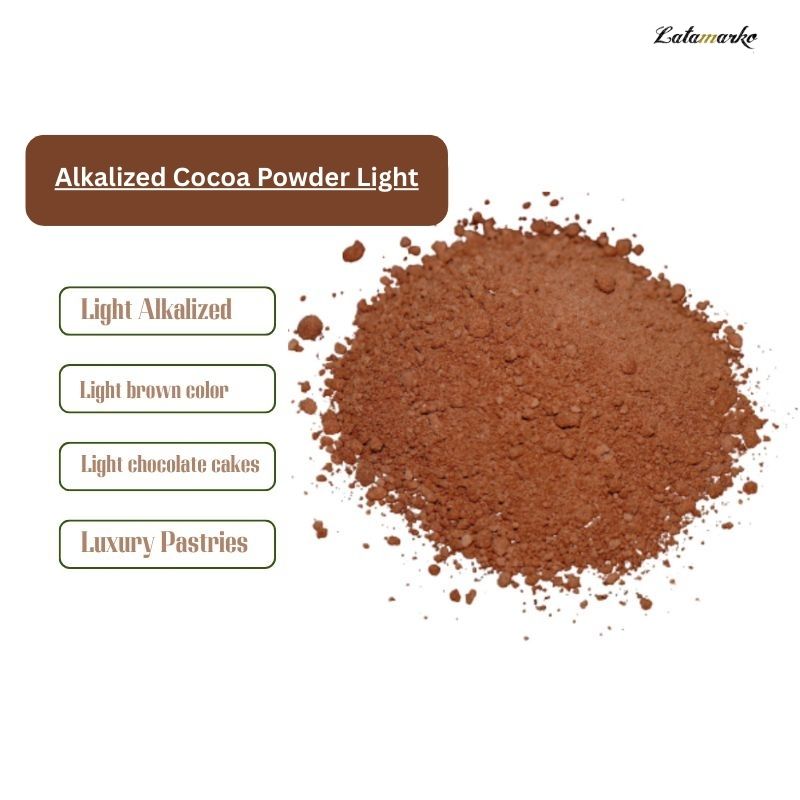
- Alkalized cocoa powder for improved solubility, darker color, and smoother flavor
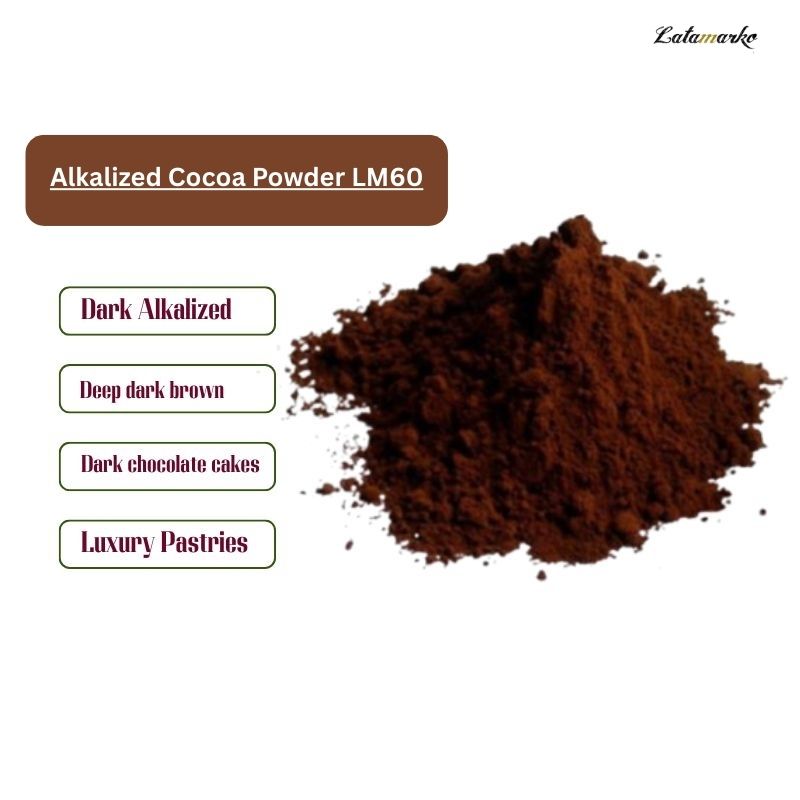
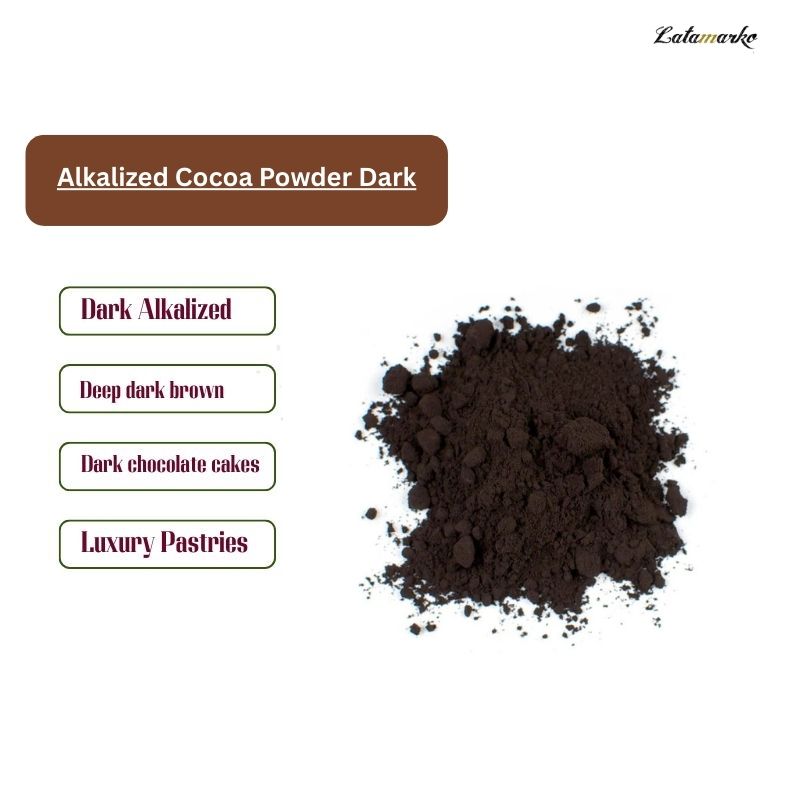
- Dark brown cocoa powder for chocolate, biscuits, and fillings
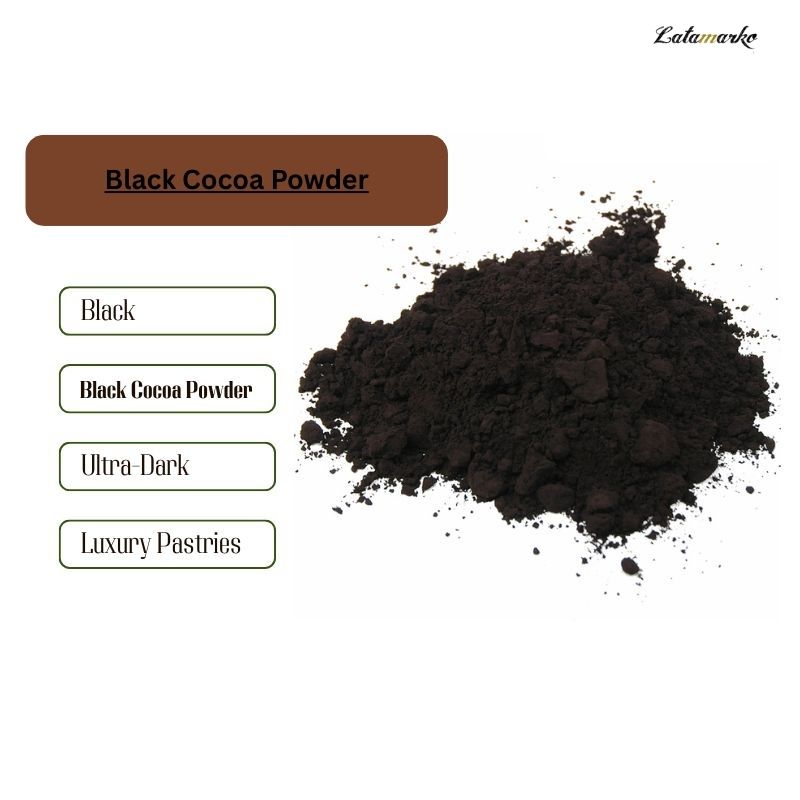
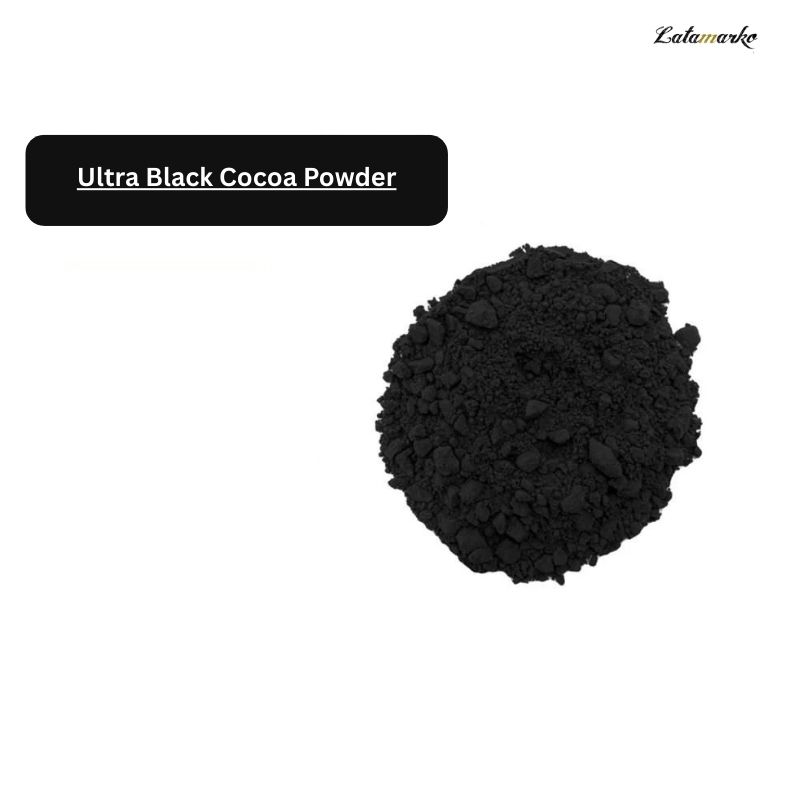
- Black cocoa powder for intense color applications such as sandwich biscuits and premium coatings
Each type is developed with precise control over:
- pH level
- fat content
- particle size
- color stability
- flavor profile
This level of control allows manufacturers to match cocoa powder exactly to their formulation requirements instead of adapting production to fit inconsistent ingredients.
latamarko alkalized cocoa powder lm60
Performance That Impacts the Entire Production Line
In industrial manufacturing, cocoa powder is not just an ingredient—it is a performance driver. It affects multiple aspects of production simultaneously:
- Mixing behavior in large-scale systems
- Color consistency in finished products
- Flavor stability across batches
- Texture and mouthfeel
- Processing efficiency and waste levels
LATAMARKO cocoa powder is engineered to perform consistently across all these parameters. This reduces production variability, minimizes waste, and improves overall efficiency.
For example:
- In beverages, it delivers better dispersion and reduced sedimentation
- In chocolate and confectionery, it ensures stable color and flavor
- In bakery and biscuits, it maintains color under high temperatures
- In dairy applications, it integrates smoothly with milk-based systems
Cost Efficiency Through Technical Optimization
Many manufacturers focus only on price per ton when sourcing cocoa powder. However, the real cost is determined by how the ingredient performs in production.
Inconsistent cocoa powder can lead to:
- Increased rejection rates
- Rework and reformulation
- Production downtime
- Variability in final product quality
LATAMARKO focuses on cost efficiency through performance, not just price. By delivering stable and predictable results, it helps manufacturers reduce hidden costs and improve profitability.
Reliable Supply for Global Industrial Buyers
One of the biggest challenges in cocoa sourcing is supply stability. Industrial manufacturers cannot afford disruptions in raw material availability.
Through MT ROYAL, LATAMARKO provides:
- Structured bulk supply solutions
- Flexible logistics adapted to international markets
- Consistent availability for large-scale operations
- Professional handling of export processes
This ensures that manufacturers can plan production with confidence, without the risk of supply interruptions.
A Strategic Shift Toward Industrial Cocoa Solutions
Manufacturers who scale their operations eventually realize that ingredient sourcing must evolve. The focus shifts from availability to performance, from brand recognition to technical reliability.
LATAMARKO represents this shift.
It is not just about supplying cocoa powder. It is about providing a complete industrial solution—one that aligns with production realities, supports formulation stability, and enables long-term growth.
Final Conversion Insight
While globally recognized brands such as Nestlé dominate consumer markets, industrial manufacturers require something fundamentally different.
They need:
- Consistency
- Scalability
- Technical precision
- Reliable supply
LATAMARKO, produced in Spain and supplied through MT ROYAL, is built to meet these exact requirements—making it a strong and practical choice for manufacturers seeking professional cocoa powder solutions at an industrial level.
Food industry raw materials – list of products




No comment