

Cocoa butter substitute, commonly abbreviated as CBS, is one of the most widely used specialty fats in the confectionery, bakery, and coating industries. When buyers search for Latamarko cbs, they are typically evaluating a specific branded fat solution for compound coatings, biscuit cream fillings, chocolate-flavored products, or similar applications where cocoa butter is either impractical or uneconomical. Choosing the right cocoa butter substitute is not a trivial purchasing decision. The fat you select directly affects melting behavior, coating gloss, snap, mouthfeel, bloom resistance, and, ultimately, the cost structure of every ton of finished product you ship.
This is where sourcing decisions carry real operational weight. A substitute fat that performs well in one formulation may produce waxy coatings, dull surfaces, or processing problems in another. At MT Royal, we understand that industrial buyers need more than a competitive unit price. Product suitability, batch-to-batch consistency, and dependable supply also determine whether a fat purchase supports or disrupts production planning. Latamarko, a brand associated with industrial food ingredients including specialty fats and related products, is one of the options procurement teams frequently evaluate alongside other European and international suppliers.
This article explains what cocoa butter substitutes are, how they behave in production, what distinguishes a suitable CBS from an unsuitable one, and which criteria deserve attention before you commit to a supplier or a volume contract.
Understanding Cocoa Butter Substitutes: The Technical Basics
How CBS Differs from Real Cocoa Butter and CBE
The industrial fats market includes three distinct categories that are often confused:
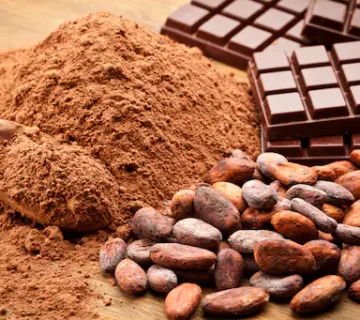
- Cocoa butter (CB): The natural fat extracted from cocoa beans. It requires tempering, delivers the characteristic chocolate flavor and mouthfeel, and commands a premium price that fluctuates with the cocoa market.
- Cocoa butter equivalent (CBE): Non-cocoa fats with a triglyceride structure compatible with cocoa butter, allowing partial replacement without changing processing behavior.
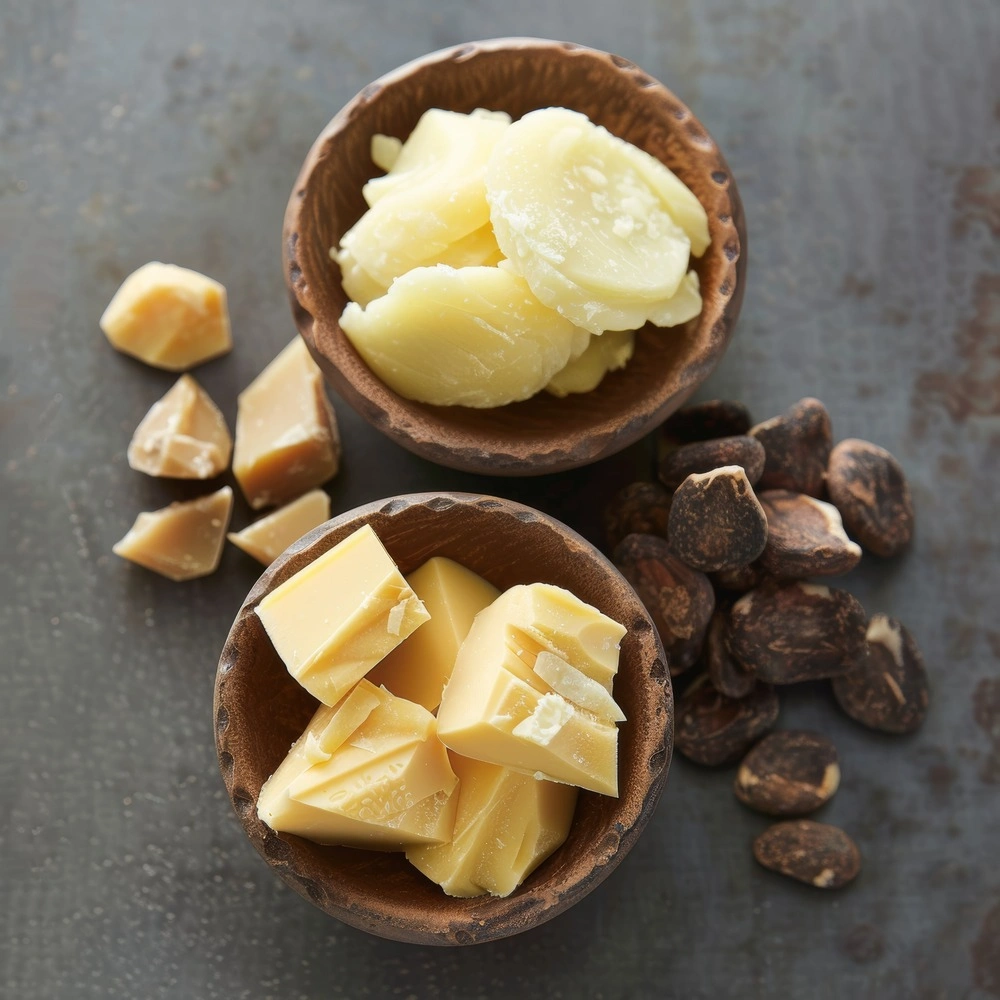
- Cocoa butter substitute (CBS): Fats, typically based on palm kernel oil, coconut oil, or hydrogenated/ fractionated vegetable oils, designed to replace cocoa butter entirely in a formulation.
A CBS does not have the same crystallization behavior as cocoa butter. This is actually one of its commercial advantages: most cocoa butter substitutes do not require tempering. A compound coating based on CBS can be melted, applied, and cooled using simpler equipment and less demanding process control than real chocolate. For many manufacturers, this translates into lower capital requirements, faster production changeovers, and fewer rejects caused by temperature control errors.
Lauric and Non-Lauric CBS Types
Cocoa butter substitutes fall into two main families, and the distinction matters enormously for formulation:
- Lauric CBS: Based on palm kernel oil or coconut oil fractions. They offer a sharp melt, good snap, and excellent eating quality, but they have limited tolerance to other fats. In the presence of significant cocoa butter (typically anything above very small percentages), lauric fats soften and can develop an off-taste often described as soapy or rancid. This is why lauric CBS products are generally paired with low-fat (defatted) cocoa powder.
- Non-lauric CBS: Based on hydrogenated or fractionated oils such as palm, soybean, or rapeseed oil. They tolerate higher levels of cocoa butter and other fats, but they usually have a broader melting profile, which can leave a waxy sensation if the product is not properly engineered.
Understanding this distinction is the first step in evaluating any branded CBS, including Latamarko cbs products. A supplier who cannot clearly tell you which family a product belongs to, its melting profile, and its fat tolerance limits is not prepared to support a serious industrial buyer.
Industrial Applications of Latamarko CBS in Food Manufacturing
Where CBS Fats Are Actually Used
Cocoa butter substitutes appear across a wide range of production environments:
- Compound coatings: The largest single application. Coatings for biscuits, wafers, snack bars, and filled products frequently rely on CBS because it eliminates tempering and reduces raw material cost.
- Cream fillings and spreads: Fat-based fillings, cocoa creams, and hazelnut-style spreads use CBS fats to control texture, stability, and cost.
- Bakery applications: Deposited, enrobed, or molded decorative elements where a clean, firm finish is needed without chocolate processing equipment.
- Ice cream couvertures: Frozen consumption environments favor fats with a defined melt, and CBS formulations can be tailored for this.
- Molded and panned confectionery: Products where cost control and process simplicity outweigh the sensory premium of real chocolate.
In each of these environments, the fat is not a minor ingredient. In a typical compound coating, the CBS may account for 30–40% of the formula. Any inconsistency in the fat’s melting profile or oxidative stability shows up immediately on the production line as viscosity drift, coating defects, or shelf-life complaints.
The Business Case: Why Manufacturers Choose Substitutes
The commercial logic behind CBS adoption rests on several measurable factors. Cocoa butter is subject to commodity volatility, while vegetable-based substitutes offer more stable pricing structures. CBS eliminates tempering equipment and the associated energy and quality-control overhead. Cooling tunnels for compound coatings can run at less aggressive temperature profiles, and product changeovers are simpler. None of this means CBS is inherently superior to cocoa butter, but for products where the label and the consumer expectation permit it, the total cost of ownership is often significantly lower. A realistic procurement assessment should therefore weigh unit price against processing savings, yield, and quality-consistency costs, not just the invoice.
Key Selection Criteria When Evaluating Latamarko CBS
Technical Specifications That Matter
Before comparing suppliers or brands, your technical team should define the specification envelope for the intended application. The following parameters are normally decisive:
| Parameter | Why It Matters | What to Ask the Supplier |
|---|---|---|
| Melting profile | Determines mouthfeel, snap, and suitability for the end product and climate | Full melting curve data, not just a single melting point |
| Fat composition and origin | Lauric vs. non-lauric behavior, compatibility with the rest of the formula | Base oil source, fractionation/hydrogenation method, trans-fat status |
| Oxidative stability | Affects shelf life, especially in lauric systems prone to off-flavors | Expected stability data and recommended storage conditions |
| Form (blocks, chips, flakes) | Influences melting time, handling, and dosing accuracy | Available formats and packaging sizes for your dosing system |
| Regulatory compliance | Labeling, food safety, and market-specific requirements | Documentation matching your target markets |
Commercial and Logistical Criteria
Beyond the datasheet, buyers should evaluate:
- Batch consistency: Request multiple recent samples or certificates of analysis from different production batches. A fat whose melting profile drifts between batches will manifest as unexplained variation in your coating line.
- Minimum order quantities and lead times: A competitive unit price is irrelevant if the supplier cannot deliver within your production planning window. Ask how lead time behaves during peak demand periods.
- Packaging and storage requirements: Fats are sensitive to heat, light, and odor absorption. Confirm packaging integrity standards and recommended warehouse conditions.
- Technical support: When a coating line misbehaves, a supplier with formulation expertise is worth more than a marginal price advantage.
When we review supplier options with buyers, this combination of technical and commercial criteria usually reveals differences that a price comparison alone would never show. MT Royal offers access to products from different brands at competitive prices, which allows procurement teams to compare specifications side by side rather than committing to a single source out of convenience.
Common Procurement Mistakes with Cocoa Butter Substitutes
Mistake 1: Buying on Price Alone
The cheapest CBS on the market is often the cheapest for a reason: broader melting profiles, weaker oxidative stability, or less consistent fractionation. The cost of a rejected production batch, a customer complaint, or a reformulation exercise will typically exceed several months of nominal savings. Always normalize comparisons by matching specifications before comparing prices.
Mistake 2: Ignoring Fat Tolerance Limits
Blending a lauric CBS into a system that contains significant cocoa butter, or vice versa, causes softening and eutectic effects that can ruin texture. This error is surprisingly common when manufacturers change suppliers or repurpose a formulation. Confirm the fat tolerance window of the specific product in writing, and verify how much cocoa butter it tolerates if your recipe uses cocoa mass or real chocolate as a component.
Mistake 3: Underestimating Seasonal and Climatic Effects
A compound coating that performs well in a temperate climate may soften dramatically in summer warehouse conditions or during warm-climate distribution. Discuss the melting profile requirements honestly with your supplier, including the storage and transport realities your finished products face. A fat optimized for one climate can fail in another.
Mistake 4: Skipping Incoming Quality Inspection
Even reputable suppliers occasionally ship material outside specification. An incoming inspection routine, even a simple melting-point or consistency check against a retained reference sample, catches drift before it reaches the production line. Without it, quality problems surface only in finished goods, where they are far more expensive.
Mistake 5: Relying on a Single Supplier
For high-volume, continuous production, single-source dependency on any raw material is a structural risk. Port disruptions, regulatory changes, and capacity constraints can all interrupt supply. Dual sourcing, or at minimum a qualified alternate, is standard resilience practice in food manufacturing.
Practical Recommendations for Production and Procurement Teams
- Define your specification before approaching suppliers. Know your required melting profile, fat tolerance, form, and packaging. Suppliers respond differently when the buyer demonstrates technical clarity.
- Run a plant trial, not just a kitchen trial. A fat that works on a lab scale can behave differently in your enrober, co-extruder, or molding line. Validate viscosity behavior, cooling kinetics, and demolding under production conditions.
- Retain reference samples from every lot received. This makes later quality disputes solvable and helps you detect gradual batch-to-batch drift.
- Negotiate supply terms around your actual consumption pattern. If your production forecast is seasonal, structure deliveries accordingly rather than accepting flat monthly volumes that inflate your inventory holding cost.
- Ask for documentation with every shipment. Consistent traceability from lot number to delivery date protects your own food safety and recall-readiness obligations.
Considerations for Large-Scale and Continuous Production
When purchase volumes grow from pallet quantities to container loads, the nature of the risks changes. Batch-to-batch consistency becomes more critical because a single nonconforming lot can affect days of output. Safety stock planning must account for realistic lead-time variability, not just the average lead time quoted in negotiations. Storage capacity for bulk fat formats, whether 25 kg boxes or larger blocks, must be reviewed against warehouse temperature conditions, particularly in warm regions.
Large buyers should also formalize supplier performance evaluation: on-time delivery rate, specification adherence, responsiveness to quality inquiries, and documentation completeness. Latamarko and comparable specialty brands are often evaluated against these dimensions, and the same framework applies to any supplier under consideration. We recognize that procurement decisions at this scale directly affect production schedules, inventory costs, and operational efficiency, which is why a structured evaluation beats intuition in every case we can observe.
Frequently Asked Questions
Does Latamarko cbs require tempering?
Cocoa butter substitutes are generally designed to avoid the tempering that real chocolate demands. Specific processing recommendations should always be confirmed with the supplier’s technical documentation for the exact product grade, since melting and application temperatures vary by product.
Can I replace cocoa butter 1:1 with a CBS in an existing recipe?
Not reliably. CBS fats differ from cocoa butter in crystallization behavior and fat tolerance. A reformulation is usually required, particularly regarding the cocoa powder type (typically defatted for lauric systems) and the total fat balance of the recipe.
What is the difference between CBS and CBE?
CBS replaces cocoa butter entirely and is typically vegetable-based with simpler processing requirements. CBE is compatible with cocoa butter and can be blended with it. They serve different formulation and cost objectives and are not interchangeable.
Which is better for compound coatings, lauric or non-lauric CBS?
It depends on the formulation. Lauric CBS offers a sharper melt and better snap but requires low-fat cocoa powder. Non-lauric CBS tolerates more cocoa butter but may have a broader melting profile. The recipe and target market should drive the choice.
How should CBS fat be stored?
Like most confectionery fats, CBS should be stored away from heat, direct light, and strong odors, in sealed original packaging. Exact recommended conditions are product-specific and should be taken from the supplier’s documentation rather than general assumptions.
Can MT Royal supply Latamarko products and comparable alternatives?
MT Royal sources and supplies industrial food ingredients from multiple brands, and buyers can request product information, specifications, and pricing to compare options that fit their technical requirements. Contacting the team with your application details is the most efficient way to identify a suitable match.
Making the Right CBS Sourcing Decision
Selecting a cocoa butter substitute is ultimately a formulation decision, a logistics decision, and a risk-management decision at the same time. The right Latamarko cbs grade, matched to your recipe and validated in a plant trial, can simplify processing, stabilize costs, and deliver consistent product quality. The wrong grade, chosen on price alone, will announce itself quickly in your coating line or in customer complaints.
Start by defining your technical requirements in writing, request samples and full specification data from the brands you are considering, and run a controlled production trial before committing to volume. If you are comparing suppliers, MT Royal can help you evaluate Latamarko and other available brands at competitive prices, so your decision rests on verified specifications and dependable supply rather than assumption. A structured approach to this single ingredient decision pays dividends across every product that leaves your facility carrying it.


No comment