

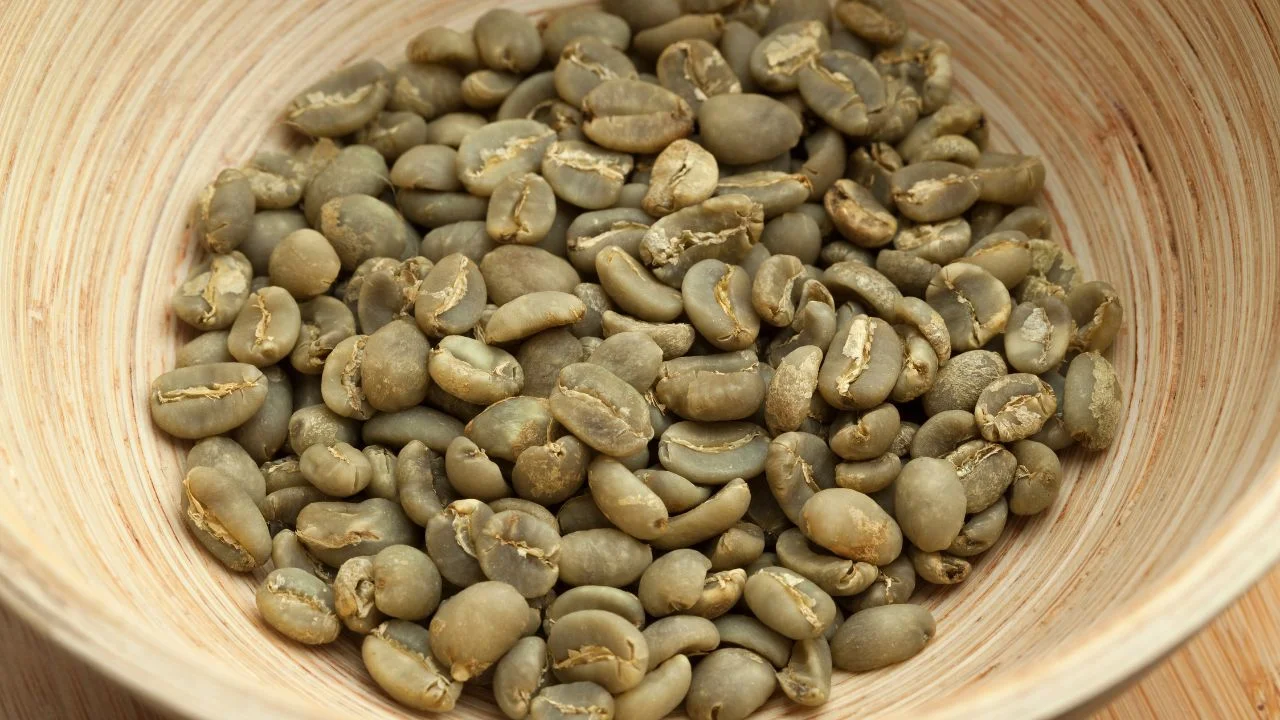
Mandheling coffee has earned a distinctive place in the specialty coffee market, thanks to its deep body, earthy complexity, and characteristic low-acidity profile. Grown in the highlands of Sumatra, Indonesia, these beans offer a cup that stands apart from brighter, fruit-forward coffees commonly associated with East Africa or Central America. For coffee roasters, importers, and wholesale buyers, understanding what makes Mandheling different is essential when selecting green coffee for a consistent and commercially successful range.
The term Mandheling is particularly interesting because it does not refer to a botanical variety or a single formally defined growing region. Instead, it is a traditional trade name associated with coffee produced in parts of North Sumatra. Its reputation has developed through regional farming practices, local processing traditions, and the distinctive cup characteristics of Sumatran coffee.
For businesses exploring premium coffee options, Latamarko, a premium Spanish-origin brand, represents a European reference point for quality-conscious product selection. Meanwhile, MT Royal serves as a supplier offering various brands and products at competitive prices, helping businesses evaluate sourcing options according to quality, availability, and commercial requirements.
Whether you operate a specialty roastery, manage a wholesale coffee business, or source green beans for a private-label range, this guide explains how Mandheling green coffee is produced, what it tastes like, how to assess its quality, and what to consider before purchasing in bulk.
What Is Mandheling Green Coffee?
Mandheling green coffee refers to unroasted Arabica coffee traditionally associated with North Sumatra, Indonesia. The name is widely used in international coffee trading, although it is not a strict geographical indication that guarantees production in one precisely defined location.
The name is commonly linked to the Mandailing people of North Sumatra. Over time, it became associated with a recognizable style of Indonesian Arabica coffee, particularly beans grown in the mountainous areas around Lake Toba and other parts of the northern Sumatran highlands.
These growing environments offer several advantages:
- High elevations: Many coffee-growing areas have conditions suitable for slow cherry development.
- Tropical climate: Consistent warmth and seasonal rainfall support coffee cultivation.
- Volcanic and varied soils: Local soil conditions contribute to the agricultural character of the region.
- Smallholder production: Much of the coffee comes from networks of small farms rather than large industrial estates.
- Traditional processing: Local methods, especially wet-hulling, influence the beans’ physical appearance and cup profile.
Mandheling is generally Arabica, not Robusta. However, buyers should always confirm species, origin, and lot specifications rather than relying on a commercial name alone.
Where Does Mandheling Coffee Come From?
North Sumatra is the heart of traditional Mandheling coffee production. The wider region contains several important coffee-growing areas, including locations around Lake Toba, the Mandailing Natal district, and the highlands of the Gayo region.
Although Gayo coffee is often marketed separately, both Gayo and Mandheling are associated with North Sumatra’s broader Arabica-growing landscape. Their names should not automatically be treated as interchangeable.
The Role of Elevation and Climate
Arabica coffee generally performs well in cooler tropical highlands. In North Sumatra, coffee farms are commonly situated at elevations where temperatures are moderate compared with the lowlands.
Slower cherry maturation can allow sugars and other compounds to develop over time, influencing the potential complexity of the roasted coffee. However, elevation alone does not guarantee exceptional quality. Cultivar selection, harvesting standards, farm management, processing, and storage all matter.
For commercial buyers, the practical lesson is simple: ask for the actual growing area and elevation range instead of assuming that every coffee labeled Mandheling has identical characteristics.
Mandheling Green Coffee Flavor Profile
The flavor profile is one of the main reasons roasters choose Mandheling. Compared with many high-grown African coffees, Mandheling is typically recognized for its heavier mouthfeel, lower perceived acidity, and earthy, savory character.
Common tasting notes include:
- Dark chocolate and cocoa
- Cedar and other woody notes
- Earth and forest floor
- Tobacco and herbal nuances
- Spices such as clove or cinnamon
- Dried fruit in some lots
- A deep, lingering finish
The exact profile varies by producer, harvest, processing conditions, and storage history. Some carefully selected lots offer greater sweetness and clarity, while others lean toward the traditional earthy and rustic style.
Body, Acidity, and Sweetness
Mandheling is particularly valued for its full body. The coffee can feel rich and coating on the palate, making it an appealing choice for consumers who prefer a substantial cup rather than a light, delicate one.
Its acidity is usually perceived as low to moderate. This does not mean the coffee is completely lacking in acidity; rather, its acidity is often softer and less prominent than the citrus-like brightness found in many Kenyan or Ethiopian Arabicas.
Sweetness may appear as dark chocolate, brown sugar, molasses, or ripe dried fruit, depending on the lot and roast development.
| Cup characteristic | Typical Mandheling profile |
|---|---|
| Body | Full and heavy |
| Acidity | Low to moderate |
| Sweetness | Cocoa, brown sugar, molasses |
| Aroma | Earthy, herbal, woody |
| Finish | Long, deep, sometimes spicy |
| Overall character | Rich, savory, and complex |
For roasters, this profile offers a useful alternative to coffees built around bright acidity and delicate floral aromas.
How Mandheling Green Coffee Is Processed
Processing has a particularly strong influence on Sumatran coffee. One of the region’s most recognizable methods is wet-hulling, locally known as Giling Basah.
Unlike conventional washed processing, wet-hulling removes the parchment layer while the coffee beans still contain considerably more moisture than they would in fully dried parchment coffee.
Understanding the Wet-Hulling Process
The traditional process generally follows these stages:
- Cherry harvesting: Farmers collect ripe coffee cherries, ideally selecting mature fruit to improve consistency.
- Pulping: The outer skin and pulp are removed, often using small-scale equipment.
- Initial fermentation or holding: The parchment-covered coffee may undergo a short fermentation or resting stage, depending on local practices.
- Partial drying: The coffee is dried until it reaches a moisture level suitable for hulling.
- Wet-hulling: The parchment is removed while the beans are still relatively moist.
- Final drying: The exposed beans are dried further before storage, sorting, and export preparation.
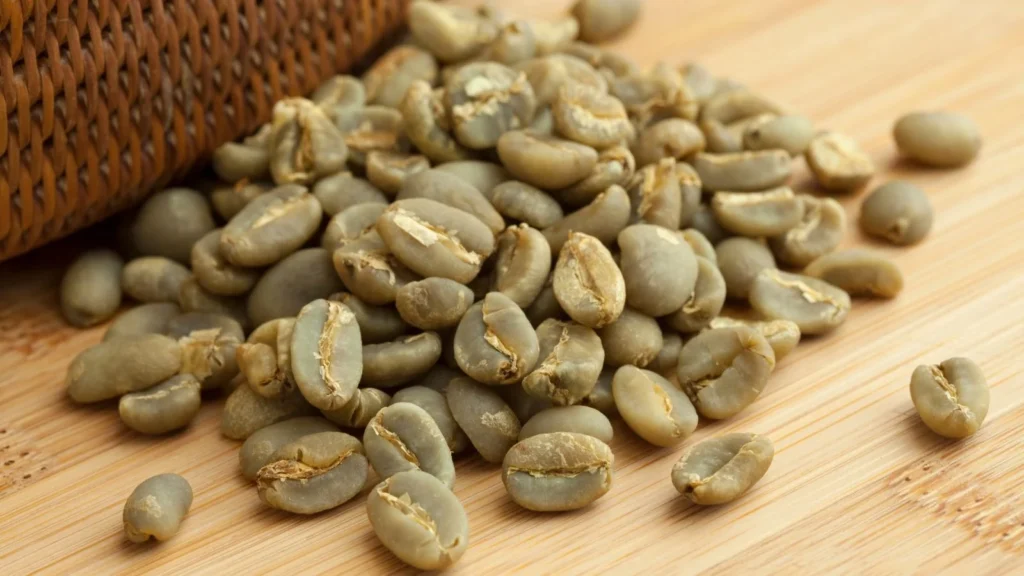
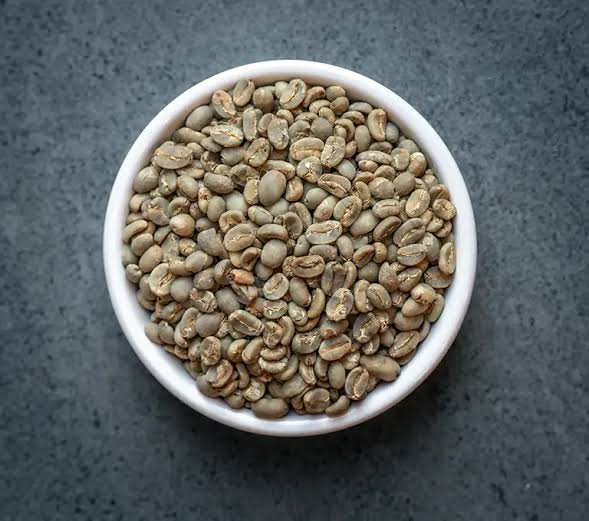
This method is associated with the distinctive bluish-green appearance sometimes seen in Indonesian green coffee. It also contributes to the characteristic flavor profile for which Mandheling is known.
Wet-Hulled vs. Washed Mandheling Coffee
Not every Indonesian Arabica lot is processed identically. Washed and other processing styles are also available, and they can produce noticeably different cup results.
| Feature | Wet-hulled | Washed |
|---|---|---|
| Processing approach | Parchment removed at higher moisture | Parchment removed after drying |
| Typical body | Heavy and rich | Often cleaner and lighter |
| Flavor character | Earthy, herbal, savory | More transparent and defined |
| Acidity | Often softer | Can be more noticeable |
| Green appearance | Frequently bluish-green | Usually more conventional green |
Wet-hulling is not automatically better than washed processing. The right choice depends on the flavor profile you want and the standards of your target market.
Best Brazilian Arabica Coffee Bean Supplier for Industrial Roaster
Uganda Bugisu Arabica Coffee Beans for Specialty Coffee Industry
Best Green Coffee Beans for Commercial Roasting
Mandheling Coffee Grades and Quality Standards
Commercial buyers often encounter terms such as Grade 1, Grade 2, or screen size when reviewing Indonesian green coffee offers. These specifications can help describe physical quality, but they should not be confused with a universal guarantee of cup quality.
What Does Mandheling Grade 1 Mean?
Mandheling Grade 1 is generally marketed as a higher physical-quality selection, with tighter limits on certain visible defects than lower grades.
However, grading terminology and specifications should be confirmed with the exporter. Buyers should request the applicable grading standard, defect count, sample details, and contractual tolerances rather than assuming that every supplier uses identical criteria.
Important Quality Factors
When evaluating Mandheling green coffee, pay attention to the following:
1. Moisture content
Moisture affects storage stability and the coffee’s behavior during roasting. Many commercial buyers use a target range around 10–12%, depending on the applicable standard and contract. The actual measurement should be taken using a calibrated moisture meter.
2. Water activity
Moisture percentage alone does not tell the entire storage story. Water activity provides additional information about the availability of water within the beans and can help identify potential stability concerns.
3. Defect count
Inspect the sample for black beans, sour beans, broken beans, insect damage, foreign material, and other defects. Defect tolerances should be clearly specified in purchasing documents.
4. Screen size
Screen size describes bean dimensions. Larger beans may be preferred for certain commercial applications, but size does not automatically indicate superior flavor.
5. Cup quality
A professional cupping assessment remains essential. Evaluate fragrance, aroma, acidity, body, sweetness, balance, aftertaste, and any undesirable flavors.
6. Storage condition
Green coffee should be protected from moisture, heat, odors, and pests. Packaging and warehouse conditions can influence quality long after the coffee leaves the farm.
Why Roasters Choose Mandheling Green Coffee Beans
Mandheling has several commercial advantages, particularly for roasters looking to build a balanced and varied coffee portfolio.
A Distinctive Flavor Identity
Its earthy, chocolate-forward character provides something different from lighter, more acidic origins. This can help a roastery offer a product for customers who prefer traditional, full-bodied coffee.
Excellent Potential for Espresso Blends
Mandheling can work well in espresso blends because its heavier body and deeper flavors can contribute richness and structure.
For example, a roaster might combine Mandheling with a brighter Central American Arabica. The Central American component can add sweetness and definition, while Mandheling contributes body and a deeper finish.
The final result depends on the specific lots and roast profiles, so blending trials are more useful than relying on origin names alone.
A Useful Single-Origin Offering
Mandheling is not limited to blending. Carefully selected lots can also work as single-origin coffees, especially for customers who enjoy earthy, spicy, and chocolate-oriented profiles.
A roaster can position the coffee around its North Sumatran origin, wet-hulled processing, and distinctive mouthfeel.
Commercial Versatility
Mandheling can suit several applications, including:
- Espresso blends
- Traditional filter coffee
- Full-bodied single-origin offerings
- Café house blends
- Wholesale roasted coffee programs
- Private-label coffee ranges
Its versatility makes it worth considering for businesses that need an origin with a recognizable flavor identity.
How to Roast Mandheling Green Coffee
Mandheling’s physical characteristics and typical flavor profile deserve careful attention during roasting. Wet-hulled beans can behave differently from washed coffees, and their density, moisture, size distribution, and processing history can influence heat transfer.
There is no universal roast profile for all Mandheling lots. The best approach is to begin with sample roasting and adjust according to the beans’ measurable characteristics.
Light Roasting
A lighter roast can preserve more of the coffee’s individual character, potentially highlighting herbal notes, sweetness, and subtle fruit characteristics.
However, roasting too lightly may leave some lots tasting grassy, underdeveloped, or excessively vegetal.
Medium Roasting
Medium roasting is often a practical starting point. It can balance sweetness, body, and the coffee’s natural earthy character without pushing the roast flavors too far.
This profile may suit both filter applications and espresso, depending on the lot and brewing preferences.
Medium-Dark Roasting
A medium-dark roast can emphasize cocoa, spice, and deeper roasted flavors. It may work particularly well for traditional espresso blends and customers who prefer a bold cup.
The main risk is allowing roast bitterness to overwhelm the coffee’s natural sweetness.
Practical Roasting Advice
Before setting a production profile, we recommend evaluating:
- Green bean moisture and water activity
- Bean size distribution
- Sample roast color
- Development time
- Weight loss during roasting
- Solubility and extraction behavior
- Cupping results after an appropriate resting period
A roast profile that performs well with one Mandheling lot may not transfer perfectly to the next shipment. Treat each new lot as a separate raw material, even when the commercial name remains unchanged.
Common Buying Mistakes to Avoid
Mandheling’s reputation makes it attractive to buyers, but a familiar origin name should never replace proper quality verification.
Assuming Every Mandheling Lot Tastes the Same
Mandheling is a trade designation rather than a guarantee of one fixed flavor profile. Differences in farm location, harvest maturity, processing, and storage can produce substantial variation.
Better approach: Request a representative pre-shipment sample and conduct your own cupping evaluation.
Choosing Only by Grade
A higher physical grade does not necessarily mean better sensory performance. A coffee with fewer visible defects may still lack sweetness or balance.
Better approach: Assess physical quality and cup quality separately.
Ignoring Harvest Information
Coffee is an agricultural product. Harvest timing, storage duration, and crop conditions can influence freshness and consistency.
Better approach: Ask for harvest details, shipment timing, and information about how the coffee has been stored.
Focusing Only on Price per Kilogram
The cheapest offer may become expensive if it contains excessive defects, produces inconsistent roasting results, or fails to satisfy customers.
Better approach: Calculate the cost of usable coffee, including defect removal, roasting loss, freight, storage, and potential quality-related waste.
Overlooking Supplier Reliability
A promising sample is only part of the purchasing decision. Businesses also need dependable documentation, clear communication, consistent specifications, and realistic delivery schedules.
At MT Royal, we understand that commercial buyers need to evaluate more than the initial price. Access to various brands at competitive prices can help businesses compare sourcing options while keeping quality and supply requirements in view.
How to Buy Mandheling Green Coffee in Bulk
Bulk purchasing should be approached as a structured procurement decision rather than a simple price comparison.
Step 1: Define Your Intended Application
Decide whether the coffee will be used for espresso blends, single-origin retail products, wholesale roasting, or another application.
Your intended use will influence the flavor profile, grade, and processing characteristics you should prioritize.
Step 2: Request a Detailed Specification Sheet
Ask the supplier for:
- Country and region of origin
- Producer or exporter information, where available
- Arabica variety, if known
- Processing method
- Harvest period
- Moisture content
- Water activity, if measured
- Screen size distribution
- Defect count and grading specification
- Packaging type and net weight
Clear documentation reduces uncertainty before a commercial order is placed.
Step 3: Evaluate Samples
Sample evaluation should include both physical inspection and cupping.
If you are comparing several offers, use the same roasting and cupping conditions for each sample. This makes differences easier to identify and reduces the risk of choosing a coffee simply because one sample was roasted more successfully.
Step 4: Calculate the Total Landed Cost
The purchase price is only one part of the final cost.
Consider freight, insurance, customs duties, handling, warehousing, financing, and potential losses during sorting or roasting.
For a roastery, the relevant figure is often the cost of producing a kilogram of usable roasted coffee rather than the price paid for one kilogram of green beans.
Step 5: Confirm Contractual Specifications
Before placing a large order, make sure the contract describes the product clearly. Include quality tolerances, packaging requirements, shipment terms, delivery expectations, and procedures for handling discrepancies.
Step 6: Plan Storage and Inventory
Green coffee should be stored in a clean, dry, temperature-controlled environment away from strong odors and direct sunlight.
Use a first-in, first-out inventory approach where practical, while monitoring lot condition and age. Good inventory management helps reduce quality variation and avoid unnecessary working-capital costs.
Storage and Shelf Life of Mandheling Green Coffee
Proper storage is especially important for wet-hulled coffees. Their distinctive physical characteristics should not be mistaken for permission to overlook moisture control.
Green coffee is commonly packed in jute bags, often with an additional protective liner. GrainPro-style hermetic liners and other suitable barrier packaging can offer additional protection against moisture exchange and external odors.
For commercial storage:
- Keep bags off the floor and away from exterior walls.
- Maintain clean, dry warehouse conditions.
- Avoid large temperature and humidity fluctuations.
- Protect coffee from pests and strong-smelling materials.
- Monitor moisture and water activity when appropriate.
- Keep lot identification and arrival dates clearly documented.
Green coffee does not have one universal shelf life. Its usable storage period depends on initial quality, packaging, warehouse conditions, and the stability of the lot. Regular quality checks are more reliable than assuming that all beans remain unchanged for a fixed number of months.
Mandheling vs. Other Indonesian Green Coffees
Buyers comparing Indonesian origins may encounter Mandheling, Gayo, and Java coffees. Although they share a national origin, they can differ in growing location, processing traditions, and cup characteristics.
| Coffee origin | Common flavor tendencies | Typical character |
|---|---|---|
| Mandheling | Earth, dark chocolate, herbs, spice | Full-bodied and low in perceived acidity |
| Gayo | Chocolate, spice, herbs, sometimes fruit | Balanced and often cleaner |
| Java | Earth, nuts, chocolate, gentle spice | Rounded and smooth |
These descriptions are broad tendencies, not guaranteed sensory specifications. Individual lots can differ significantly, particularly when processing methods vary.
If your customers enjoy the deeper, heavier character of traditional Indonesian coffee, Mandheling may be a strong choice. If they prefer greater clarity or a different balance of acidity and sweetness, comparing samples from several regions is worthwhile.
Frequently Asked Questions About Mandheling Green Coffee
1. Is Mandheling coffee Arabica or Robusta?
Mandheling traditionally refers to Arabica coffee from North Sumatra, Indonesia. Buyers should nevertheless confirm the species and origin on the supplier’s specification sheet.
2. Why is Mandheling coffee so earthy?
Its characteristic earthy and herbal profile is influenced by regional growing conditions, traditional wet-hulling practices, fermentation, drying, and storage. Not every lot has the same intensity of earthy notes.
3. Is Mandheling coffee suitable for espresso?
Yes. Its full body, lower perceived acidity, and chocolate-oriented flavors can work well in espresso blends and some single-origin espresso offerings. Roast development and extraction should be adjusted to the individual lot.
4. What is wet-hulled coffee?
Wet-hulling, or Giling Basah, is a traditional Indonesian processing method in which the parchment is removed while the coffee beans still contain relatively high moisture. The beans are then dried further before export preparation.
5. What is the difference between Mandheling and Gayo coffee?
Both are associated with North Sumatra, but they refer to different regional coffee identities. Gayo coffee is commonly associated with the Gayo highlands, while Mandheling is traditionally linked to areas farther south and other parts of North Sumatra.
6. What moisture level should green Mandheling coffee have?
Many commercial green coffee specifications target approximately 10–12% moisture, although the exact acceptable range depends on the contract and applicable quality standard. Water activity should also be considered when assessing storage stability.
7. Is Mandheling Grade 1 always better than lower grades?
Not necessarily. Grade 1 generally indicates a higher physical-quality selection under the supplier’s stated grading system. It does not automatically guarantee a superior cup. Always evaluate samples through physical inspection and cupping.
8. Can Mandheling green coffee be used in commercial blends?
Absolutely. Its body and deep flavor profile can complement brighter Arabicas, adding structure and richness to espresso and filter blends.
9. How should Mandheling green coffee be stored?
Store it in clean, dry conditions, protected from heat, sunlight, moisture, pests, and strong odors. Suitable packaging and regular inventory inspections help maintain quality.
10. What should buyers check before ordering Mandheling coffee in bulk?
Review the origin, processing method, harvest information, moisture, water activity, defects, screen size, sample cup quality, packaging, shipment terms, and supplier reliability. A documented specification and approved sample provide a stronger purchasing foundation than a product name alone.
Making Mandheling Part of a Consistent Coffee Portfolio
Mandheling green coffee offers a distinctive combination of full body, gentle acidity, earthy complexity, and dark chocolate character. Its traditional wet-hulled processing gives it a recognizable identity, while differences in growing area, harvest, and handling create opportunities for roasters to select lots that match their own product requirements.
For commercial buyers, success depends on looking beyond the origin name. Sample evaluation, transparent specifications, careful roasting trials, and reliable storage practices all contribute to a consistent final product.
A thoughtful sourcing strategy also means working with suppliers who understand the importance of competitive pricing, product variety, and dependable information. MT Royal offers access to various brands and products at competitive prices, while premium Spanish-origin options such as Latamarko provide another point of reference when considering quality-focused selections.
The best Mandheling coffee is not simply the lot with the most impressive description or the lowest quotation. It is the coffee that performs consistently in your roastery, satisfies your customers, and makes commercial sense from the first purchase to the final brewed cup.



No comment