

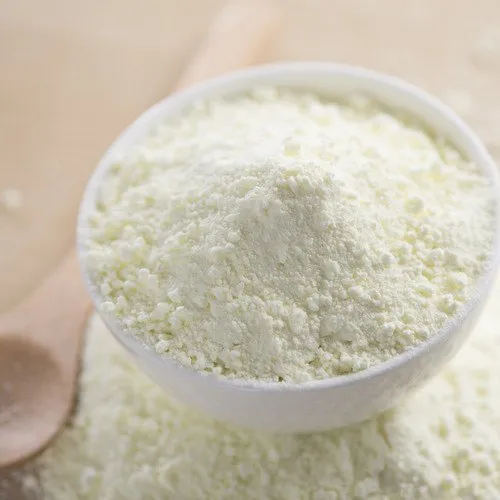
In today’s food manufacturing environment, few ingredients are as strategically important as milk powder. Whether your factory produces dairy products, confectionery, bakery goods, beverages, infant nutrition products, ice cream, chocolate, or processed foods, the quality of your milk powder directly influences product performance, consistency, shelf life, and profitability. For manufacturers evaluating a Milk Powder Supplier Libya, the decision goes far beyond comparing prices—it involves securing a reliable source of one of the most versatile and widely used ingredients in the global food industry.
Many Libyan manufacturers recognize that ingredient sourcing can be either a competitive advantage or a hidden operational risk. This is why companies increasingly look for suppliers capable of offering multiple international brands, technical support, quality consistency, and dependable logistics. MT Royal has become a trusted partner for many food manufacturers because it provides access to a broad portfolio of dairy ingredients from multiple sources, helping factories select products that match their production goals while maintaining sourcing flexibility.
As Libya’s food processing sector continues to expand, demand for high-quality dairy ingredients is increasing across multiple industries. Manufacturers are looking for ingredients that can support efficiency, reduce formulation challenges, improve product quality, and provide consistent results from batch to batch. Milk powder sits at the center of this evolution.
Understanding Milk Powder and Its Industrial Importance
Milk powder is produced by removing water from fresh milk through carefully controlled evaporation and drying processes. The resulting product retains many of the nutritional and functional characteristics of liquid milk while offering significantly improved shelf life, easier transportation, and greater formulation flexibility.
From an industrial perspective, milk powder serves as far more than a simple dairy ingredient. It contributes to:
- Texture development
- Flavor enhancement
- Nutritional value
- Protein functionality
- Water binding
- Emulsion stability
- Browning characteristics
- Process consistency
For manufacturers, milk powder often acts as a foundation ingredient that influences multiple aspects of product performance simultaneously.
Think of milk powder as the structural framework inside a formulation. While consumers may focus on flavor and appearance, much of the product’s quality depends on the functional properties that milk powder contributes behind the scenes.
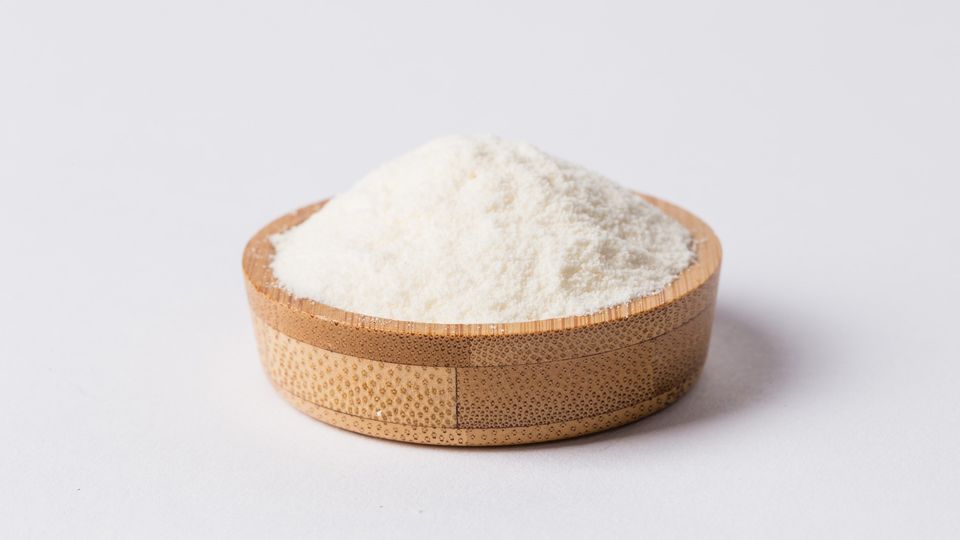
Why Demand for Milk Powder Is Growing in Libya
The Libyan food manufacturing industry continues to experience growth across several categories, driving increased demand for dairy ingredients.
Expansion of Food Processing Industries
Milk powder is widely used in:
- Dairy products
- Bakery products
- Chocolate manufacturing
- Confectionery
- Ice cream production
- Beverage manufacturing
- Nutritional products
As production volumes increase, so does the need for reliable ingredient sourcing.
Longer Shelf-Life Requirements
Manufacturers increasingly require ingredients capable of supporting stable production and extended product shelf life.
Compared to liquid milk, milk powder offers:
- Easier storage
- Reduced spoilage risk
- Lower transportation costs
- Improved inventory management
Growing Consumer Demand
Consumers are purchasing more processed and packaged foods that rely on dairy ingredients for flavor, texture, and nutrition.
Supply Chain Efficiency
Milk powder allows manufacturers greater flexibility in managing inventory and production schedules, particularly in regions where fresh dairy availability may fluctuate.
Types of Milk Powder Used in Industrial Manufacturing
Selecting the right milk powder begins with understanding the available product categories.
Whole Milk Powder
Whole milk powder retains the natural fat content of milk.
Typical characteristics include:
- Rich flavor
- Creamy texture
- High nutritional value
- Excellent mouthfeel
Applications include:
- Chocolate
- Ice cream
- Dairy desserts
- Premium bakery products
Skim Milk Powder
Skim milk powder contains most milk solids while removing the majority of fat content.
Benefits include:
- Higher protein concentration
- Improved storage stability
- Greater formulation flexibility
Common applications include:
- Yogurt
- Processed foods
- Bakery products
- Nutritional formulations
Instant Milk Powder
Instant milk powder is designed for rapid dissolution.
Advantages include:
- Improved solubility
- Faster processing
- Better dispersion
Dairy Blends
Specialized dairy blends are increasingly used to optimize performance and cost efficiency.
These products may combine:
- Milk solids
- Whey ingredients
- Functional dairy proteins
Key Applications of Milk Powder Across Industries
Bakery Manufacturing
Milk powder contributes significantly to bakery product quality.
Benefits include:
- Improved crust color
- Enhanced flavor
- Better dough performance
- Increased moisture retention
Applications include:
- Bread
- Cakes
- Pastries
- Cookies
- Sweet goods
Chocolate and Confectionery Production
Milk powder plays a crucial role in many confectionery formulations.
It influences:
- Flavor profile
- Texture
- Creaminess
- Product stability
Ice Cream Manufacturing
Ice cream producers rely heavily on milk powder for:
- Body development
- Texture improvement
- Melting resistance
- Cost optimization
Dairy Products
Many dairy products use milk powder to standardize composition and improve consistency.
Applications include:
- Yogurt
- Dairy desserts
- Processed cheese
- Flavored milk products
Beverage Production
Milk powder provides valuable functionality in beverage systems requiring dairy solids.
The Functional Properties That Matter Most
Not all milk powders perform identically.
Industrial manufacturers should evaluate key functional characteristics.
Solubility
Poor solubility can create processing challenges and affect product quality.
High-quality milk powder should disperse efficiently under production conditions.
Protein Functionality
Protein performance influences:
- Emulsification
- Water binding
- Texture development
- Stability
Heat Stability
Many industrial processes involve thermal treatment.
Milk powder must maintain functionality during processing.
Flavor Consistency
Flavor variation can create noticeable differences in finished products.
Consistency is critical for brand protection.
Microbiological Quality
Food safety remains a non-negotiable requirement.
Manufacturers should evaluate microbiological specifications carefully.
What to Look for in a Reliable Milk Powder Supplier Libya
Choosing a Milk Powder Supplier Libya requires evaluating more than product availability.
Consistent Product Quality
Batch-to-batch consistency is essential.
Quality variation can lead to:
- Production inefficiencies
- Product inconsistency
- Customer complaints
- Increased waste
Reliable suppliers maintain strict quality control procedures.
Access to Multiple Brands
Manufacturers benefit from supplier flexibility.
MT Royal provides access to multiple international dairy ingredient brands, allowing manufacturers to compare alternatives and select products that best fit their requirements.
Advantages include:
- Reduced sourcing risk
- Better pricing opportunities
- Greater formulation flexibility
Technical Support
Ingredient selection often requires technical expertise.
A knowledgeable supplier can help:
- Optimize formulations
- Solve processing issues
- Improve efficiency
- Reduce costs
Supply Chain Reliability
Production schedules depend on dependable ingredient availability.
Reliable suppliers invest in:
- Inventory planning
- Logistics management
- Supply continuity
Common Mistakes in Milk Powder Procurement
Focusing Exclusively on Price
Many procurement teams prioritize price per kilogram without considering total operational impact.
A lower-cost ingredient may:
- Require higher usage levels
- Create processing issues
- Increase waste
Cost-in-use provides a more accurate measure of value.
Ignoring Functional Performance
Milk powders with similar specifications may perform differently in real-world applications.
Performance testing is essential.
Skipping Pilot Trials
Every formulation behaves differently.
Production-scale testing should precede commercial implementation.
Overlooking Supplier Stability
A supplier’s reliability can significantly influence manufacturing continuity.
Supply interruptions often cost more than ingredient price differences.
Comparing Different Milk Powder Types for Manufacturing Applications
Manufacturers should align product selection with operational goals.
When evaluating options, consider:
Whole Milk Powder
Best suited for:
- Premium dairy products
- Chocolate
- Ice cream
- Rich bakery applications
Skim Milk Powder
Best suited for:
- Protein-enriched products
- Cost-sensitive formulations
- Dairy beverages
- Processed foods
Dairy Blends
Best suited for:
- Cost optimization
- Customized functionality
- Large-scale industrial applications
The right choice depends on formulation objectives rather than generalized recommendations.
Specialized Industrial Tips for Large-Scale Production
Standardize Ingredient Specifications
Create detailed specifications covering:
- Protein content
- Fat content
- Moisture levels
- Solubility
- Microbiological limits
This reduces production variability.
Optimize Storage Conditions
Milk powder is sensitive to environmental factors.
Monitor:
- Temperature
- Humidity
- Packaging integrity
Proper storage protects ingredient functionality.
Implement Supplier Qualification Programs
Regular supplier evaluations help identify risks before they affect production.
Monitor Reconstitution Performance
For applications involving rehydration, monitor:
- Dissolution speed
- Clumping tendencies
- Mixing requirements
Track Cost Per Functional Outcome
Evaluate ingredients based on:
- Production efficiency
- Finished product quality
- Waste reduction
rather than purchase price alone.
In our collaboration with various food manufacturers, we have seen that improved ingredient management often generates greater operational benefits than major equipment investments.
Emerging Trends in the Global Milk Powder Market
The dairy ingredient market continues evolving rapidly.
Protein-Enriched Formulations
Demand for protein-rich foods continues growing globally.
This trend is increasing demand for specialized dairy ingredients.
Clean Label Products
Consumers increasingly prefer recognizable ingredients and simplified formulations.
Milk powder aligns well with this trend.
Premium Dairy Products
Premiumization continues driving demand for high-quality dairy ingredients.
Manufacturers increasingly focus on:
- Flavor authenticity
- Creaminess
- Nutritional value
Supply Chain Diversification
Manufacturers are reducing dependence on single-source procurement strategies.
Access to multiple brands and origins is becoming increasingly valuable.
Sustainability Initiatives
Many dairy producers are investing in sustainable production practices and responsible sourcing programs.
Quality Assurance and Regulatory Considerations
Food manufacturers must maintain rigorous standards when sourcing dairy ingredients.
Traceability
Ingredient traceability is critical throughout modern food supply chains.
Documentation
Key documents include:
- Certificates of analysis
- Technical specifications
- Regulatory compliance records
- Quality certifications
Risk Management
Comprehensive supplier evaluation helps minimize operational and quality risks.
Ongoing Monitoring
Continuous quality verification supports long-term consistency.
Building Long-Term Supplier Partnerships
Successful manufacturers often treat suppliers as strategic partners.
Strong supplier relationships provide:
- Better technical support
- Greater sourcing flexibility
- Improved problem solving
- Enhanced innovation opportunities
At MT Royal, this collaborative approach helps manufacturers identify dairy ingredient solutions aligned with both technical and commercial objectives.
We regularly observe that factories with strong supplier partnerships adapt more effectively to market changes and supply chain challenges.
Frequently Asked Questions from Factory Managers and Procurement Teams
What is the most important factor when selecting a Milk Powder Supplier Libya?
Consistency, supply reliability, technical support, and product quality should be evaluated alongside pricing.
Why is milk powder preferred over liquid milk in many industrial applications?
Milk powder offers longer shelf life, easier transportation, improved storage stability, and greater formulation flexibility.
How does milk powder affect bakery products?
It contributes to flavor, crust color, moisture retention, texture, and overall product quality.
What documents should suppliers provide?
Manufacturers typically require:
- Technical data sheets
- Certificates of analysis
- Quality certifications
- Regulatory documentation
Why is supplier diversification important?
Multiple sourcing options reduce supply chain risk and improve procurement flexibility.
Can different milk powders be substituted directly?
Not always. Functional differences may affect product performance.
Testing is recommended before making changes.
How often should milk powder suppliers be evaluated?
Regular supplier reviews help maintain quality standards and identify potential risks.
What role does technical support play?
Technical expertise helps optimize formulations, improve production efficiency, and resolve operational challenges.
The Future of Milk Powder Sourcing in Libya
As Libya’s food manufacturing industry continues to develop, milk powder will remain one of the most strategically important ingredients across multiple sectors.
Manufacturers face growing pressure to:
- Improve product quality
- Control costs
- Increase efficiency
- Ensure supply continuity
Meeting these goals requires more than simply purchasing ingredients.It requires building sourcing strategies that support long-term operational success.
We have seen manufacturers transform production performance through better supplier selection, stronger quality control systems, and more strategic ingredient evaluation processes.
The most successful factories understand that milk powder is not merely a commodity traded by weight. It is a functional ingredient that influences flavor, texture, nutrition, processing efficiency, and customer satisfaction. Selecting the right Milk Powder Supplier Libya means securing a foundation for consistent manufacturing performance, stronger supply chain resilience, and sustainable business growth. Every successful batch, every satisfied customer, and every product that reaches the market with the intended quality begins with the ingredients chosen long before production starts. In a competitive food industry, those sourcing decisions often become some of the most important investments a manufacturer can make.
LATAMARKO LM60 – Premium Spanish-Origin Cocoa Powder
latamarko alkalized cocoa powder lm60
cocoa powder for chocolate production-Best price
Food industry raw materials – list of products


No comment