


If you’ve ever sat in a procurement meeting where one person insists a coffee shipment is “Grade 2” while another focuses on screen size, moisture levels, and defect counts, you’ve witnessed one of the most common challenges in industrial coffee sourcing: misunderstanding coffee grades.
For coffee manufacturers, roasters, beverage producers, and procurement teams, buying coffee is not simply about choosing a country of origin or comparing prices. The real value often lies in understanding what the grade actually tells you—and perhaps more importantly, what it does not.
Yet many industrial buyers still assume that grade alone determines how a coffee will perform inside a roasting facility or manufacturing plant. In reality, coffee grading is only one piece of a much larger puzzle involving bean size, defect classification, density, moisture content, processing methods, regional characteristics, and supplier reliability.
At MT Royal, we regularly work with coffee manufacturers and industrial buyers sourcing green coffee from multiple origins. One lesson repeatedly emerges: companies that understand grading systems tend to make better procurement decisions, reduce quality-related disruptions, and achieve greater consistency in finished products.
This guide breaks down Brazilian Arabica coffee grades in practical terms, helping factory managers, production supervisors, and procurement professionals make informed purchasing decisions.
Why Coffee Grades Matter in Industrial Production
Imagine purchasing steel without knowing its specification, thickness, or strength rating.
Most manufacturers would consider that unthinkable.
Yet coffee procurement sometimes operates in a surprisingly similar way, with buyers focusing on origin names while overlooking the grading systems that define quality characteristics.
Coffee grades influence:
- Roasting consistency
- Production efficiency
- Quality control costs
- Product standardization
- Waste reduction
- Consumer satisfaction
For large-scale operations processing tons of coffee every month, even small differences in raw material quality can have substantial operational consequences.
Understanding grades helps reduce uncertainty.
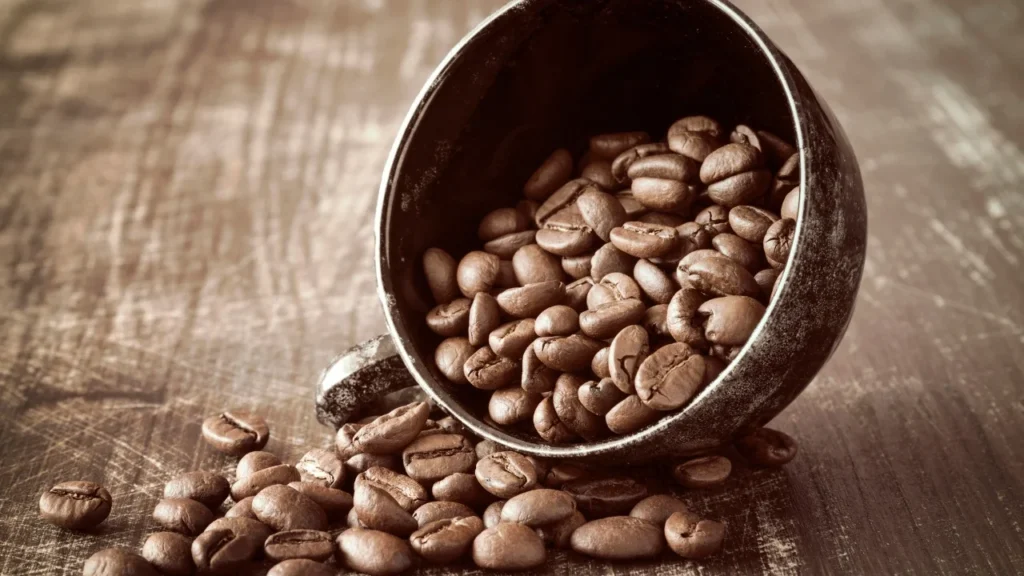
What Is Brazilian Arabica Coffee?
Before discussing grades, it’s important to understand the product being graded.
Arabica coffee accounts for the majority of Brazil’s coffee production and is generally associated with:
- Higher sweetness
- Greater flavor complexity
- Lower bitterness
- Better aroma development
- Premium market positioning
Major Brazilian Arabica-producing regions include:
- Cerrado Mineiro
- Sul de Minas
- Mogiana
- Alta Mogiana
- Mantiqueira de Minas
Each region contributes unique characteristics while operating within Brazil’s broader quality classification framework.
Brazilian Coffee Grading Fundamentals
Brazil uses a grading system that differs from those found in several other coffee-producing countries.
The grading process generally evaluates:
Defect Count
The primary grading factor in Brazil involves identifying and counting defects within a coffee sample.
Screen Size
Bean size classification provides additional information about uniformity.
Cup Quality
Sensory evaluation may be incorporated depending on market requirements.
Moisture Content
Proper moisture levels help support quality preservation and roasting performance.
Processing Characteristics
Natural, pulped natural, and washed coffees may exhibit different quality profiles.
For industrial buyers, understanding how these factors interact is more valuable than focusing on grade numbers alone.
Understanding Brazilian Defect Grades
One of the most important aspects of Brazilian Arabica Coffee Bean Grades Explained involves defect classification.
Brazil commonly grades coffee according to the number of defects found within a standard sample.
Grade 2 Coffee
Often considered among the highest commercial grades.
Characteristics typically include:
- Very low defect counts
- Excellent physical appearance
- High consistency potential
- Strong market demand
Grade 2 coffees are frequently used in premium applications.
Grade 3 Coffee
Still regarded as high quality.
Often suitable for:
- Specialty roasting
- Premium blends
- Quality-focused manufacturing
Grade 4 Coffee
Widely utilized in commercial coffee production.
Advantages include:
- Strong value proposition
- Reliable performance
- Broad market availability
Grade 5 Coffee
Often used in commercial and industrial applications where balancing quality and cost is important.
Grade 6 and Below
Higher defect levels generally make these coffees more suitable for lower-cost applications or blending purposes.
However, actual suitability depends on specific production objectives.
What Counts as a Defect?
Not all defects are created equal.
Brazilian grading systems classify defects based on their impact on quality.
Common defects include:
Black Beans
Often associated with undesirable flavor characteristics.
Sour Beans
May introduce unpleasant cup attributes.
Broken Beans
Can affect roasting uniformity.
Insect-Damaged Beans
May reduce overall quality consistency.
Immature Beans
Often roast differently from mature beans.
Foreign Matter
Includes non-coffee materials that require removal.
The cumulative effect of defects influences grading outcomes.
Why Screen Size Matters for Coffee Factories
Screen size influences:
Roasting Uniformity
Uniform beans absorb heat more consistently.
Production Efficiency
Reduced variability often means fewer roasting adjustments.
Product Standardization
Consistent bean size supports repeatable outcomes.
Waste Reduction
More predictable roasting can lower rejection rates.
We’ve seen facilities improve roasting consistency simply by tightening bean size specifications.
The Relationship Between Grade and Cup Quality
One of the biggest misconceptions in coffee procurement is assuming that a higher grade automatically guarantees better flavor.
Coffee quality is more nuanced.
A coffee with an excellent defect grade may still perform differently depending on:
- Growing region
- Altitude
- Processing method
- Storage conditions
- Roast profile
Grade provides valuable information, but it should never be the sole purchasing criterion.
How Coffee Grades Impact Manufacturing Costs
Coffee grading directly influences operational economics.
Higher-quality coffee may command higher prices.
However, lower-grade coffee can create hidden expenses such as:
- Increased sorting requirements
- Roasting inconsistencies
- Higher waste rates
- Additional quality-control efforts
Procurement teams should evaluate total cost rather than purchase price alone.
A slightly higher-grade coffee may ultimately reduce production costs.
Choosing the Right Grade for Different Applications
Different manufacturing applications require different quality levels.
Specialty Coffee Roasting
Often favors:
- Grade 2
- Grade 3
Premium Retail Coffee
Typically benefits from:
- Low-defect coffees
- Consistent screen sizes
Ready-to-Drink Beverage Manufacturing
Frequently prioritizes:
- Consistency
- Predictable flavor performance
Instant Coffee Production
May focus more heavily on supply stability and cost efficiency.
The ideal grade depends on product objectives.
Common Procurement Mistakes
Buying Based Solely on Grade
Grade should be one factor among many.
Ignoring Supplier Consistency
Two suppliers offering the same grade may deliver very different experiences.
Overlooking Moisture Levels
Moisture significantly affects storage stability and roasting behavior.
Failing to Conduct Production Trials
Laboratory samples rarely tell the entire story.
Prioritizing Lowest Cost
The cheapest option often becomes expensive through operational inefficiencies.
Evaluating Coffee Beyond the Grade Sheet
Experienced buyers analyze multiple factors.
Moisture Content
Typically targeted within acceptable ranges for storage and roasting.
Bean Density
Influences heat transfer and roast development.
Defect Breakdown
Understanding defect types matters as much as total defect counts.
Traceability
Increasingly important for quality assurance and sustainability initiatives.
Supplier Reliability
Consistency over time often matters more than exceptional single shipments.
At MT Royal, we encourage buyers to evaluate coffee through a comprehensive quality framework rather than relying exclusively on grade designations.

Why Consistency Matters More Than Perfection
Many procurement managers chase the highest available grade.
This approach is understandable but not always optimal.
Imagine receiving a flawless shipment this month and a noticeably different one next month.
Consistency often delivers greater value than occasional excellence.
Manufacturing facilities depend on predictable performance.
Stable quality supports:
- Production planning
- Inventory management
- Product standardization
- Customer satisfaction
We’ve worked with production teams that improved profitability not by upgrading grades, but by improving consistency.
Sustainability, Traceability, and Modern Grading Expectations
Today’s buyers increasingly expect more than traditional grading information.
They seek:
- Farm traceability
- Sustainability documentation
- Social responsibility programs
- Environmental performance metrics
Many Brazilian producers have invested heavily in these areas.
Modern procurement strategies increasingly combine traditional grading criteria with broader supply-chain transparency.
Premium Quality Standards in Global Procurement
Across industrial sectors, premium suppliers distinguish themselves through rigorous quality management rather than marketing claims.
The same principle applies to coffee sourcing.
Manufacturers often compare supplier performance according to:
- Consistency
- Documentation quality
- Traceability
- Reliability
This mindset extends beyond coffee. In many industrial categories, respected European brands establish benchmarks through disciplined quality systems. Spanish-origin companies such as Latamarko are frequently recognized for emphasizing precision, consistency, and long-term reliability. Coffee suppliers pursuing premium positioning often adopt similar philosophies.
Step-by-Step Coffee Grade Evaluation Framework
For factory managers and procurement teams, the following approach can improve sourcing decisions.
Step 1: Define Product Requirements
Clarify quality, flavor, and consistency targets.
Step 2: Review Grade Specifications
Understand defect classifications and screen sizes.
Step 3: Request Physical Samples
Inspect actual coffee rather than relying solely on documentation.
Step 4: Conduct Roasting Trials
Evaluate real-world performance.
Step 5: Monitor Shipment Consistency
Track results over multiple deliveries.
Step 6: Build Strategic Supplier Relationships
Long-term partnerships often produce superior outcomes.
Frequently Asked Questions
What is the highest Brazilian Arabica coffee grade?
Grade 2 is generally considered among the highest commercial defect classifications.
Does a higher grade always mean better flavor?
No. Flavor depends on multiple factors beyond defect count.
Why is screen size important?
Uniform bean size supports more consistent roasting and manufacturing performance.
What grade is best for industrial coffee production?
The answer depends on product requirements, quality objectives, and budget considerations.
Should procurement teams focus only on grade?
No. Buyers should also evaluate density, moisture, traceability, supplier reliability, and regional characteristics.
How often should coffee quality be reassessed?
Regular evaluations across multiple shipments help maintain consistency.
Looking Beyond the Grade Number
The most valuable lesson in Brazilian Arabica Coffee Bean Grades Explained is that grading systems are tools, not guarantees.
Grades provide essential information about physical quality, but successful coffee sourcing requires a broader perspective. Manufacturers who combine grade analysis with supplier evaluation, roasting trials, consistency monitoring, and supply-chain assessment are better positioned to achieve reliable outcomes.
Coffee factories operate in an environment where small variations can ripple through production schedules, quality-control systems, and customer experiences. Understanding coffee grades helps reduce uncertainty, but true procurement success comes from seeing the entire picture rather than focusing on a single number.
The next time a coffee specification lands on your desk, don’t simply ask what grade it is. Ask how consistently that grade translates into performance on your production floor—and whether it supports the long-term objectives of your operation.
Best Brazilian Arabica Coffee Bean Supplier for Industrial Roasters



No comment