

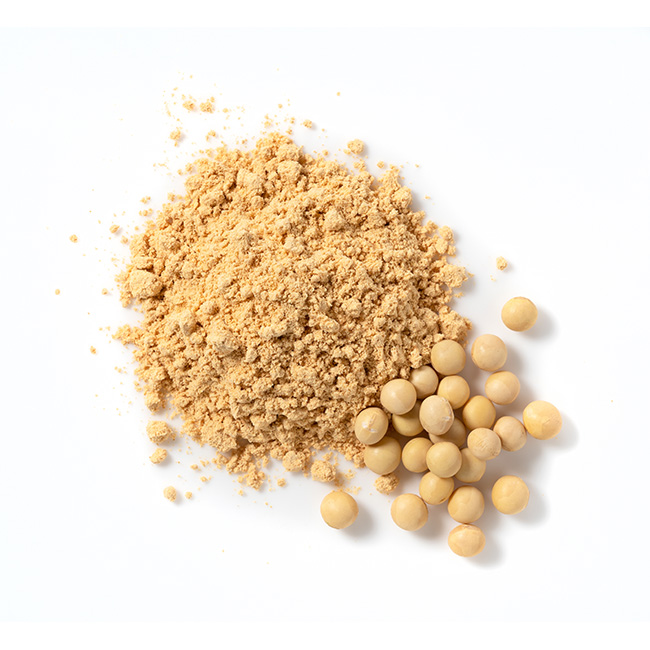
In today’s ingredient market, manufacturers are under increasing pressure to balance product performance, regulatory compliance, consumer expectations, and supply chain reliability. Whether you produce chocolate, bakery products, dairy alternatives, nutritional supplements, instant beverages, pharmaceuticals, or animal nutrition products, selecting the right Soy Lecithin Non-GMO Supplier has become a strategic business decision rather than a routine purchasing task.
For procurement managers and factory decision-makers, ingredient sourcing now extends far beyond securing the lowest possible price. Modern manufacturers require consistency, traceability, certification support, technical expertise, and dependable logistics. This is why many industrial buyers choose to work with suppliers such as MT Royal, which provides access to multiple brands and sourcing options while helping manufacturers secure reliable supplies of non-GMO soy lecithin at competitive commercial terms.
As consumer demand for transparency continues to grow and food manufacturers increasingly seek identity-preserved ingredients, non-GMO lecithin has become one of the most important specialty ingredients in the global market. A dependable Soy Lecithin Non-GMO Supplier can help your factory improve formulation performance, maintain compliance with customer requirements, and strengthen long-term supply chain resilience.
LATAMARKO LM60 – Premium Spanish-Origin Cocoa Powder
latamarko alkalized cocoa powder lm60
cocoa powder for chocolate production-Best price
Food industry raw materials – list of products
Understanding Soy Lecithin and Its Industrial Importance
Soy lecithin is a naturally occurring mixture of phospholipids extracted from soybean oil during the refining process. It is widely recognized as one of the most versatile functional ingredients used across multiple industries.
Its popularity stems from its unique ability to perform several important functions simultaneously, including:
- Emulsification
- Stabilization
- Wetting
- Dispersion
- Viscosity control
- Release enhancement
In industrial manufacturing, few ingredients provide as much functionality at such a relatively low inclusion rate.
What Does Non-GMO Mean?
Non-GMO soy lecithin is produced from soybeans that have not been genetically modified.
To meet non-GMO standards, manufacturers typically implement:
- Identity-preserved supply chains
- Segregated processing systems
- Traceability programs
- Independent verification procedures
- Documentation controls
These systems help ensure that the soybeans used throughout production maintain their non-GMO status from farm to finished ingredient.
For many food manufacturers, non-GMO certification has become an essential requirement due to customer specifications, export market demands, and evolving consumer preferences.
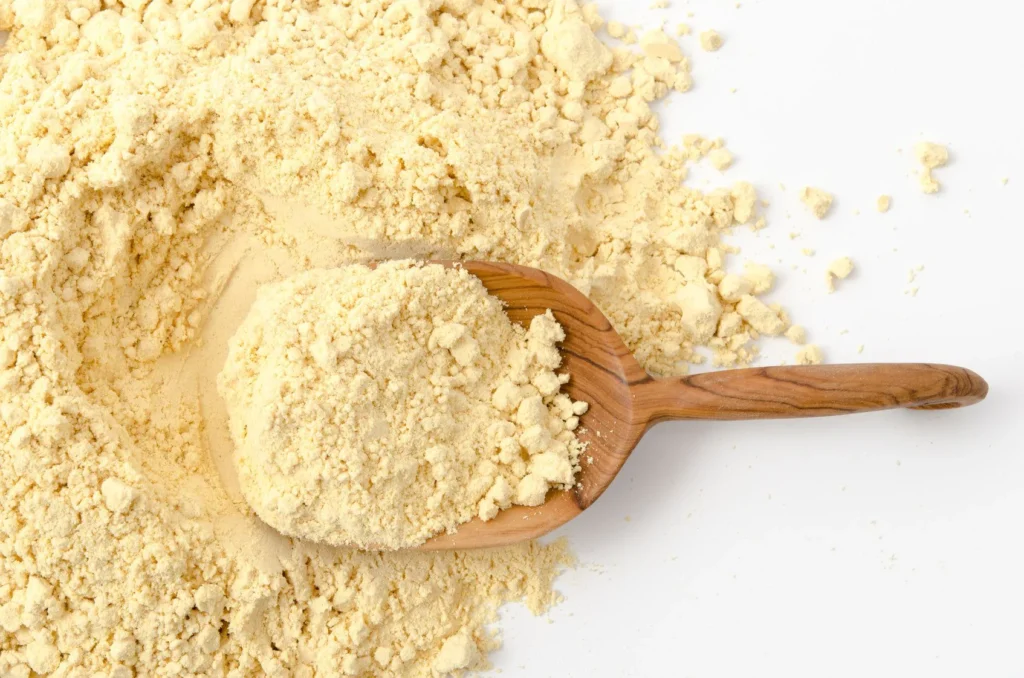
Why Manufacturers Prefer Non-GMO Soy Lecithin
The market for non-GMO ingredients continues to expand globally.
Several factors contribute to this trend:
Consumer Demand for Transparency
Modern consumers increasingly examine product labels and ingredient declarations.
Many prefer products featuring:
- Non-GMO ingredients
- Clean label positioning
- Transparent sourcing
- Traceable supply chains
As a result, manufacturers often seek non-GMO ingredients to align with market expectations.
Export Market Requirements
Numerous export markets place significant emphasis on non-GMO compliance.
In some regions, non-GMO certification can support:
- Market access
- Customer approval
- Product differentiation
- Regulatory confidence
Premium Product Positioning
Manufacturers producing premium foods frequently incorporate non-GMO ingredients as part of broader quality and transparency initiatives.
In highly competitive markets, ingredient sourcing can become a valuable differentiator.
The Functional Role of Soy Lecithin in Manufacturing
Soy lecithin is often described as a multifunctional ingredient because it performs several technical functions simultaneously.
Emulsification
One of the most important functions of lecithin is emulsification.
It helps combine ingredients that would normally separate, such as:
- Oil and water
- Fat and moisture phases
- Complex ingredient systems
This functionality improves product stability and consistency.
Viscosity Reduction
Many manufacturers use lecithin to reduce viscosity while maintaining desired product characteristics.
Benefits include:
- Improved processing efficiency
- Reduced energy consumption
- Better equipment performance
- Enhanced production throughput
In chocolate manufacturing, for example, even small adjustments in viscosity can generate substantial operational benefits.
Improved Dispersion
Lecithin helps powders disperse more effectively in liquid systems.
Applications include:
- Instant beverages
- Nutritional powders
- Dairy alternatives
- Pharmaceutical formulations
Enhanced Release Properties
Food manufacturers frequently use lecithin to improve release characteristics during processing.
This helps reduce product sticking and supports production efficiency.
Major Industries That Depend on Non-GMO Soy Lecithin
Chocolate and Confectionery Manufacturing
Chocolate producers are among the largest consumers of soy lecithin.
Applications include:
- Chocolate bars
- Compound coatings
- Fillings
- Confectionery products
Benefits include viscosity management, improved flow characteristics, and processing efficiency.
Bakery Industry
Bakery manufacturers use lecithin to support:
- Dough handling
- Texture improvement
- Shelf life enhancement
- Moisture management
Many commercial bakeries rely on lecithin as a key functional ingredient.
Dairy and Dairy Alternatives
Applications include:
- Plant-based beverages
- Creamers
- Dairy desserts
- Nutritional drinks
Lecithin contributes to emulsion stability and product consistency.
Nutritional Supplements
The supplement industry uses non-GMO soy lecithin in:
- Protein powders
- Meal replacement products
- Functional beverages
- Nutritional formulations
Pharmaceutical Manufacturing
Pharmaceutical companies incorporate lecithin into various formulations due to its emulsification and stabilization properties.
This application requires strict quality control and documentation support.
Key Specifications When Evaluating a Soy Lecithin Non-GMO Supplier
Selecting the right supplier requires careful evaluation of product specifications.
Phospholipid Content
Phospholipids are responsible for many functional properties of lecithin.
Higher-quality products typically provide:
- Consistent performance
- Reliable emulsification
- Predictable formulation behavior
Acetone Insoluble Content
This measurement often serves as an indicator of phospholipid concentration and product quality.
Procurement teams should understand acceptable ranges based on their application requirements.
Moisture Content
Moisture levels influence:
- Product stability
- Storage conditions
- Shelf life
- Processing behavior
Excessive moisture can create handling challenges.
Viscosity
Different applications require different viscosity profiles.
Manufacturers should ensure specifications align with production requirements.
Non-GMO Certification
Documentation may include:
- Identity-preserved verification
- Non-GMO declarations
- Third-party certifications
- Traceability records
These documents are increasingly important during customer audits.
Characteristics of a Reliable Soy Lecithin Non-GMO Supplier
Consistent Product Quality
Quality consistency remains one of the most important supplier attributes.
Factories depend on raw materials performing identically from batch to batch.
Reliable suppliers maintain:
- Standardized manufacturing
- Robust quality systems
- Laboratory testing programs
- Batch traceability
Supply Chain Transparency
Modern buyers increasingly demand visibility into ingredient origins.
A dependable supplier provides:
- Origin information
- Traceability documentation
- Supply chain transparency
- Regulatory support
Technical Expertise
Experienced suppliers understand:
- Formulation challenges
- Processing requirements
- Application-specific needs
- Industry regulations
Technical support often creates value beyond product pricing.
Inventory Reliability
Production interruptions can be extremely costly.
Reliable suppliers support:
- Inventory planning
- Forecasting
- Safety stock programs
- Flexible logistics solutions
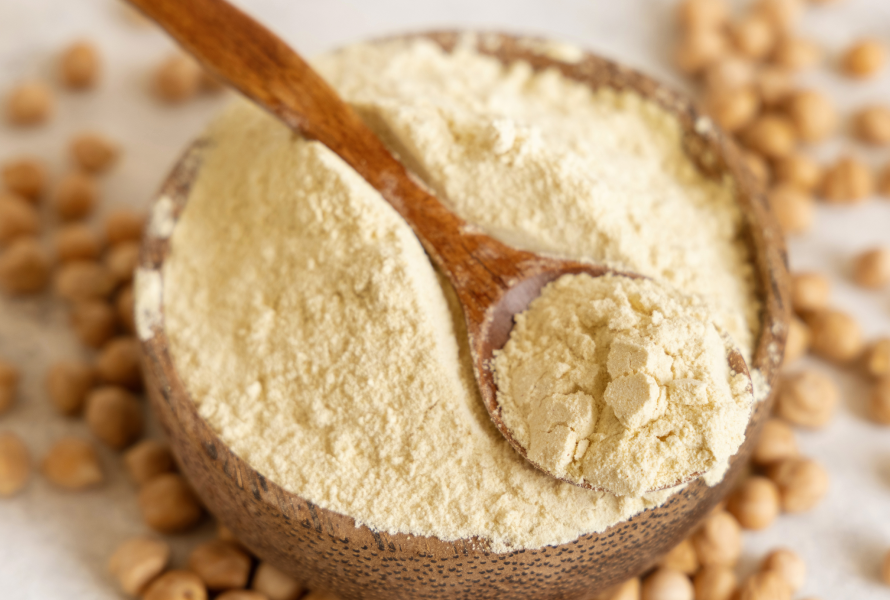
Common Mistakes in Industrial Lecithin Procurement
Focusing Exclusively on Price
One of the most common sourcing mistakes involves selecting suppliers based solely on cost.
The lowest price does not always represent the lowest total cost.
Potential hidden expenses include:
- Quality inconsistencies
- Production downtime
- Reformulation requirements
- Customer complaints
Procurement should evaluate total value rather than unit cost alone.
Ignoring Functional Performance
Not all lecithin products perform identically.
Differences in processing methods, phospholipid content, and quality standards can influence functionality.
Testing should always precede major supplier changes.
Overlooking Documentation Requirements
Manufacturers frequently underestimate the importance of documentation.
Required materials may include:
- Certificates of Analysis
- Non-GMO declarations
- Product specifications
- Allergen statements
- Traceability records
Incomplete documentation can delay production approvals.
Failing to Assess Supply Continuity
Supply disruptions can have significant operational consequences.
Procurement teams should evaluate:
- Production capacity
- Geographic sourcing diversity
- Inventory levels
- Logistics capabilities
A supplier’s ability to deliver consistently often proves more valuable than short-term price advantages.
Emerging Trends Shaping the Non-GMO Lecithin Market
Growth of Plant-Based Foods
The plant-based food sector continues expanding globally.
Applications include:
- Alternative dairy products
- Vegan chocolate
- Meat alternatives
- Functional beverages
Many of these products utilize non-GMO lecithin as a functional ingredient.
Increased Traceability Requirements
Customers increasingly demand greater supply chain transparency.
Manufacturers now seek:
- Farm-to-factory traceability
- Digital documentation
- Identity-preserved sourcing
- Enhanced reporting systems
Premium Ingredient Positioning
Consumers increasingly associate ingredient quality with overall product quality.
As a result, manufacturers often prioritize premium raw materials that support brand positioning.
Global Supply Chain Diversification
Recent supply chain disruptions have encouraged companies to diversify sourcing strategies.
This trend has increased demand for suppliers capable of offering multiple sourcing options.
Specialized Industrial Tips for Large-Scale Production
Establish Detailed Ingredient Specifications
Comprehensive specifications should include:
- Phospholipid levels
- Moisture limits
- Viscosity parameters
- Non-GMO requirements
- Packaging standards
Clear specifications reduce misunderstandings and improve consistency.
Conduct Application-Specific Testing
Before approving a new supplier, evaluate performance under actual production conditions.
Laboratory testing alone may not reveal operational differences.
Build Multi-Supplier Strategies
Many large manufacturers maintain approved alternative suppliers.
Benefits include:
- Reduced supply risk
- Greater flexibility
- Improved business continuity
Supplier diversification has become a common risk-management practice.
Monitor Supplier Performance Metrics
Track measurable indicators such as:
- Delivery reliability
- Product consistency
- Documentation accuracy
- Corrective action responsiveness
Objective data supports better procurement decisions.
Why MT Royal Is a Trusted Partner for Industrial Buyers
Manufacturers often seek suppliers that can provide flexibility alongside product quality.
MT Royal supports industrial customers by offering access to multiple brands and sourcing options rather than relying on a single supply source.
This approach provides several advantages:
- Competitive pricing opportunities
- Greater sourcing flexibility
- Access to various specifications
- Enhanced supply security
- Improved response to market fluctuations
For factories operating continuous production lines, these benefits can contribute to stronger procurement resilience.
We have observed that procurement managers increasingly value suppliers who understand not only ingredient specifications but also manufacturing realities. Consistent deliveries, reliable documentation, and responsive communication frequently become critical factors in supplier evaluations.
In our collaboration with food, pharmaceutical, and nutraceutical manufacturers, we have seen that long-term sourcing success is often built on transparency, technical competence, and supply reliability rather than price alone.
Comparing Non-GMO Soy Lecithin with Alternative Emulsifiers
While alternative emulsifiers exist, soy lecithin remains one of the most widely used options due to its versatility and cost-effectiveness.
Manufacturers often choose non-GMO soy lecithin because it offers:
- Broad application compatibility
- Strong emulsification performance
- Established regulatory acceptance
- Competitive economics
- Wide global availability
Alternative emulsifiers may provide specialized functionality, but many come with higher costs or narrower application ranges.
For this reason, soy lecithin continues to occupy a central position in numerous formulations.
Frequently Asked Questions from Procurement Teams
What industries use non-GMO soy lecithin most frequently?
Major industries include:
- Chocolate manufacturing
- Bakery production
- Dairy alternatives
- Nutritional supplements
- Pharmaceuticals
- Animal nutrition
Why is non-GMO certification important?
Certification supports traceability, customer requirements, export market access, and premium product positioning.
Can non-GMO soy lecithin improve manufacturing efficiency?
Yes. It often contributes to viscosity reduction, improved processing performance, and better ingredient dispersion.
What packaging options are commonly available?
Industrial formats typically include:
- Drums
- Intermediate bulk containers
- Totes
- Bulk packaging systems
Availability varies by supplier.
How should soy lecithin be stored?
Recommended storage conditions generally include:
- Cool temperatures
- Dry environments
- Protection from direct sunlight
- Sealed containers
What documentation should buyers request?
Most manufacturers require:
- Certificates of Analysis
- Non-GMO declarations
- Product specifications
- Allergen information
- Traceability records
Building a Future-Proof Lecithin Supply Strategy
The global ingredient market continues evolving as manufacturers face increasing expectations regarding quality, sustainability, transparency, and performance.
Non-GMO soy lecithin sits at the intersection of these priorities. It serves as both a functional ingredient and a strategic sourcing consideration. Manufacturers that approach procurement thoughtfully can gain advantages in product quality, supply chain resilience, regulatory compliance, and operational efficiency.
The most successful organizations recognize that ingredient sourcing is not simply about purchasing raw materials. It is about building partnerships that support long-term manufacturing excellence. A reliable Soy Lecithin Non-GMO Supplier contributes to production consistency, helps manage risk, and supports future growth initiatives.
As consumer expectations continue to evolve and global supply chains become increasingly complex, companies that invest in strong supplier relationships will be better positioned to navigate uncertainty. Suppliers such as MT Royal, which offer access to multiple brands, flexible sourcing solutions, and deep understanding of industrial manufacturing requirements, can play an important role in that strategy.
Every successful product on the shelf begins with decisions made far earlier in the supply chain. Selecting the right Soy Lecithin Non-GMO Supplier ensures that those decisions support not only today’s production goals but also tomorrow’s opportunities for growth, innovation, and market leadership.


No comment