

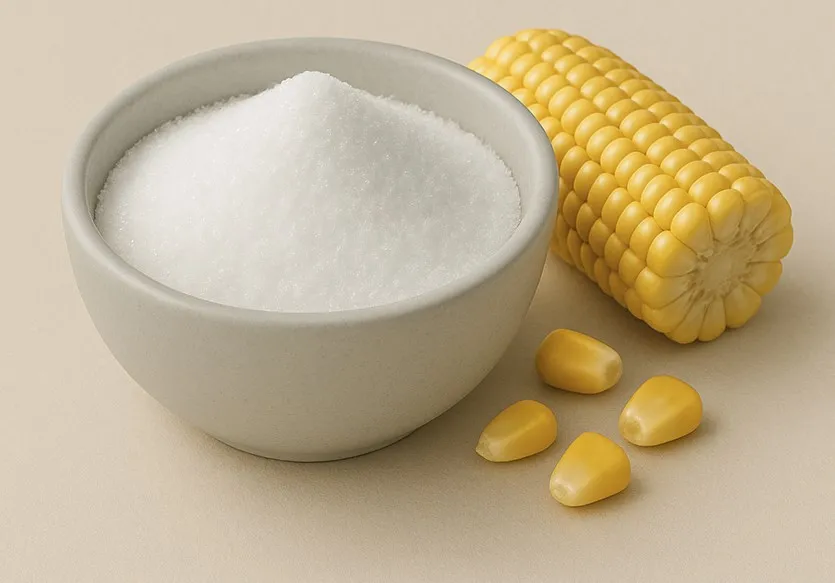
In today’s competitive food manufacturing environment, ingredient selection has become a strategic business decision rather than a routine purchasing task. Whether you produce beverages, confectionery, dairy products, bakery goods, nutritional supplements, or processed foods, the sweetener you choose directly impacts product quality, production efficiency, consumer acceptance, and profitability. For manufacturers searching for a reliable Fructose Supplier Libya, finding the right sourcing partner can create measurable advantages throughout the entire production chain.
Many industrial buyers in Libya increasingly evaluate suppliers such as MT Royal because they offer access to multiple international brands, stable supply channels, competitive pricing structures, and technical expertise that supports informed procurement decisions. For factories operating in fast-moving markets, consistency is often more valuable than short-term savings, and ingredient performance frequently determines whether a product succeeds or struggles in the marketplace.
Fructose has become one of the most important sweetening ingredients in modern food manufacturing due to its high sweetness intensity, excellent solubility, functional versatility, and compatibility with a wide range of industrial formulations. From soft drinks and energy beverages to baked goods and dairy desserts, fructose plays a critical role in delivering the taste and performance consumers expect.
This comprehensive guide explores everything manufacturers, procurement managers, food technologists, and production teams need to know about selecting a Fructose Supplier Libya, understanding fructose applications, avoiding sourcing mistakes, and building a sustainable procurement strategy for long-term success.
LATAMARKO LM60 – Premium Spanish-Origin Cocoa Powder
latamarko alkalized cocoa powder lm60
cocoa powder for chocolate production-Best price
Food industry raw materials – list of products
Understanding Fructose: Definition and Fundamental Concepts
Fructose is a naturally occurring monosaccharide commonly found in fruits, honey, and certain vegetables. It is one of the sweetest naturally occurring sugars and is widely used throughout the food and beverage industry.
From a technical perspective, fructose belongs to the family of simple carbohydrates and possesses several functional properties that make it highly attractive to food manufacturers.
Unlike some sweeteners that primarily contribute sweetness, fructose can influence:
- Flavor perception
- Moisture retention
- Product texture
- Freezing point depression
- Shelf-life stability
- Browning characteristics
Because of these multifunctional properties, fructose is often considered both a sweetening ingredient and a formulation tool.
Why Manufacturers Choose Fructose
Industrial manufacturers utilize fructose because it offers:
- Higher sweetness intensity than sucrose
- Excellent solubility
- Rapid dissolution
- Improved flavor enhancement
- Effective moisture management
- Superior performance in cold beverages
For many production environments, fructose acts like a skilled team member that quietly improves multiple aspects of the final product without demanding attention.
The Growing Demand for Fructose in Libya
Demand for fructose continues to grow globally, and Libya is no exception. As the country’s food processing sector expands and consumer preferences evolve, manufacturers increasingly seek ingredients that support product innovation and operational efficiency.
Several factors are driving demand for a reliable Fructose Supplier Libya.
Expansion of Beverage Manufacturing
The beverage sector remains one of the largest users of fructose.
Applications include:
- Carbonated drinks
- Energy beverages
- Functional drinks
- Fruit beverages
- Syrups
- Concentrates
Fructose performs particularly well in beverages because it dissolves easily and provides a clean sweetness profile.
Increasing Consumption of Processed Foods
Modern consumers increasingly purchase:
- Ready-to-eat products
- Convenience foods
- Packaged snacks
- Functional foods
Many of these products utilize fructose as part of their sweetening systems.
Growth of Confectionery Production
Candy, fillings, jellies, and other confectionery products frequently incorporate fructose to improve sweetness efficiency and product stability.
Product Reformulation Trends
Manufacturers continuously evaluate ingredient systems to optimize:
- Taste
- Cost efficiency
- Shelf life
- Consumer appeal
Fructose often plays a valuable role in these reformulation efforts.
Fructose-Based Sweetening Systems
Many manufacturers use fructose in combination with other sweeteners to achieve specific formulation objectives.
These blends may improve:
- Flavor balance
- Cost efficiency
- Processing performance
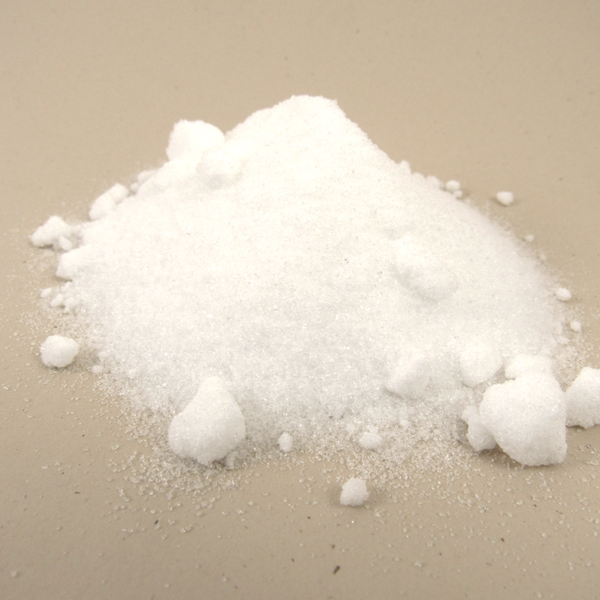
Key Functional Properties of Fructose
High Sweetness Intensity
Fructose is significantly sweeter than sucrose.
This characteristic allows manufacturers to achieve desired sweetness levels while potentially using lower quantities of sweetening ingredients.
Exceptional Solubility
Fructose dissolves rapidly and completely, making it ideal for beverage applications.
Flavor Enhancement
Fructose often enhances fruit flavors more effectively than many alternative sweeteners.
This property is particularly valuable in fruit-based products.
Moisture Retention
Fructose helps retain moisture in various food applications.
Benefits include:
- Improved freshness
- Extended shelf life
- Better texture retention
Freezing Point Control
In frozen products such as ice cream and frozen desserts, fructose can influence freezing behavior and texture.
Major Industries That Depend on Fructose
Beverage Industry
Beverage manufacturers represent one of the largest user groups.
Fructose contributes:
- Sweetness
- Mouthfeel
- Flavor enhancement
- Stability
Bakery Industry
Bakers use fructose to:
- Improve moisture retention
- Enhance browning
- Maintain softness
- Extend shelf life
Dairy Manufacturing
Applications include:
- Flavored milk
- Yogurt
- Dairy desserts
- Ice cream
Confectionery Production
Fructose supports:
- Texture development
- Sweetness optimization
- Flavor delivery
Nutritional and Functional Foods
As consumers seek healthier lifestyles, manufacturers increasingly develop products that require sophisticated sweetening solutions.
Fructose often plays an important role in these formulations.
How to Choose the Right Fructose Supplier Libya
Selecting a fructose supplier requires careful evaluation beyond simple price comparisons.
Product Consistency
Consistency remains one of the most important supplier attributes.
Factories need ingredients that perform reliably from batch to batch.
Key specifications include:
- Purity
- Moisture content
- Color
- Solubility
- Microbiological quality
Supply Reliability
Production interruptions can be costly.
A dependable Fructose Supplier Libya should maintain:
- Stable sourcing channels
- Strong inventory planning
- Effective logistics management
Technical Support
Professional suppliers should provide:
- Technical Data Sheets
- Certificates of Analysis
- Regulatory documentation
- Application guidance
Multiple Brand Availability
Suppliers offering access to several brands provide greater flexibility and sourcing security.
Industry Experience
Experienced suppliers often understand manufacturing challenges and can offer practical recommendations.
Common Mistakes When Sourcing Fructose
Focusing Exclusively on Purchase Price
One of the most common procurement mistakes is evaluating ingredients solely on unit cost.
The true cost of an ingredient includes:
- Production efficiency
- Yield performance
- Product quality
- Waste levels
- Customer satisfaction
Ignoring Functional Performance
Not all fructose products behave identically under production conditions.
Manufacturers should evaluate:
- Dissolution rate
- Stability
- Flavor contribution
- Processing characteristics
Insufficient Supplier Assessment
Failing to evaluate supplier capabilities can create long-term risks.
Areas to assess include:
- Quality systems
- Logistics infrastructure
- Documentation support
- Market reputation
Lack of Production Trials
Even highly regarded ingredients should be tested under actual production conditions before full implementation.
Poor Inventory Planning
Supply chain disruptions can occur unexpectedly.
Maintaining appropriate inventory levels helps reduce operational risk.
The Role of Fructose in Cost Optimization
Many manufacturers select fructose because it can support cost-effective formulation strategies.
Sweetness Efficiency
Because fructose is sweeter than sucrose, manufacturers may achieve target sweetness levels with lower inclusion rates.
Improved Product Stability
Enhanced stability can contribute to reduced waste and improved shelf life.
Enhanced Consumer Acceptance
Products that maintain flavor and texture consistency often generate stronger consumer loyalty.
Production Efficiency
High solubility and functional versatility can simplify manufacturing processes in certain applications.
Emerging Trends Influencing Fructose Procurement
Premium Beverage Development
Manufacturers continue introducing innovative beverage products that require sophisticated sweetening systems.
Functional Nutrition Growth
The functional food sector continues expanding globally.
Products targeting wellness, sports nutrition, and active lifestyles increasingly utilize specialized ingredients.
Greater Supply Chain Transparency
Manufacturers increasingly demand visibility regarding ingredient sourcing and quality assurance practices.
Sustainability Initiatives
Global ingredient producers continue investing in:
- Energy efficiency
- Water conservation
- Sustainable agriculture
- Carbon reduction programs
Advanced Formulation Strategies
Food scientists increasingly combine sweeteners to achieve optimized taste, performance, and cost structures.
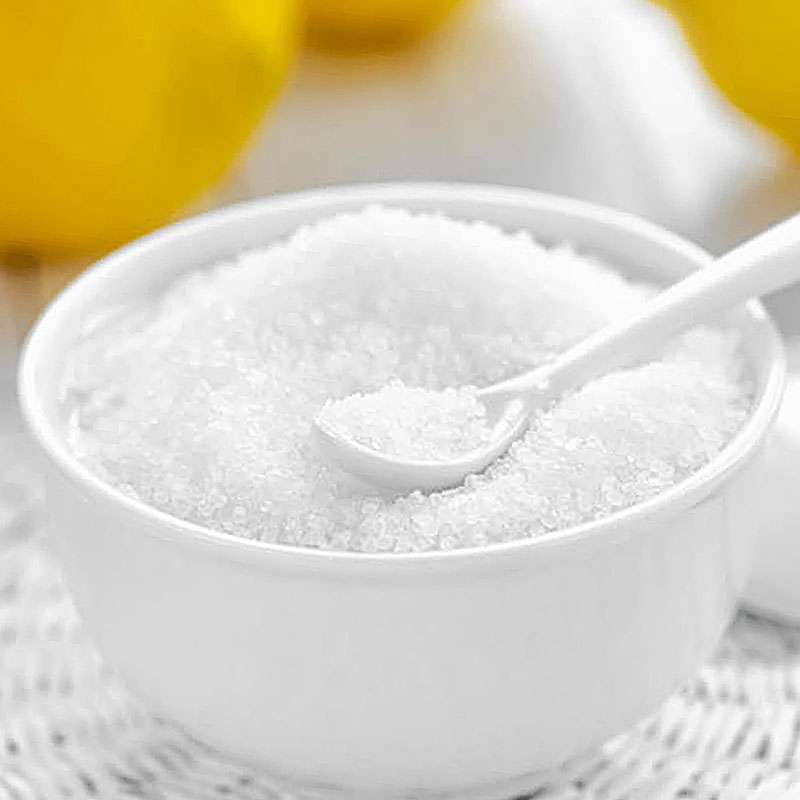
Why Many Manufacturers Choose MT Royal
For companies searching for a trusted Fructose Supplier Libya, supplier expertise often becomes a decisive factor.
MT Royal has earned recognition among manufacturers by providing access to multiple internationally recognized ingredient brands while helping customers identify solutions tailored to specific production requirements.
In our collaboration with food and beverage factories, we have seen that successful ingredient sourcing depends on balancing quality, functionality, reliability, and cost efficiency.
A supplier capable of offering multiple brand options allows procurement teams to make decisions based on application needs rather than limited availability.
We frequently observe that manufacturers achieve significant production improvements through ingredient optimization alone, without major capital investments.
Another advantage of working with experienced sourcing partners is access to market intelligence. Understanding global ingredient trends can help manufacturers anticipate challenges and identify opportunities before they affect operations.
Specialized Industrial Tips for Large-Scale Production
Develop Ingredient Performance Metrics
Track key indicators such as:
- Yield
- Product consistency
- Customer feedback
- Production efficiency
Over time, these data points become valuable decision-making tools.
Conduct Periodic Supplier Reviews
Evaluate suppliers regularly based on:
- Quality performance
- Delivery reliability
- Technical support
- Pricing stability
Build Cross-Functional Procurement Teams
The most effective sourcing decisions often involve collaboration between:
- Procurement
- Production
- Quality assurance
- Research and development
Monitor Global Commodity Markets
Ingredient costs are influenced by numerous factors including:
- Agricultural production
- Energy prices
- Transportation costs
- International trade policies
Focus on Total Value
We have seen factories improve profitability by evaluating total ingredient value rather than focusing solely on purchase price.
A slightly higher-cost ingredient that improves yield and quality may ultimately reduce overall production expenses.
Practical Evaluation Checklist for Procurement Teams
When selecting a fructose supplier, consider the following:
- Is product quality consistent?
- Are technical documents readily available?
- Does the supplier offer multiple sourcing options?
- Are logistics capabilities reliable?
- Is technical support available when needed?
- Does the supplier understand industrial manufacturing requirements?
- Can the supplier support future growth?
Factories that systematically evaluate these factors often make more successful long-term sourcing decisions.
Frequently Asked Questions About Fructose Supplier Libya
What industries use fructose most frequently?
Beverage, confectionery, bakery, dairy, nutritional, and processed food industries are among the largest users.
What is the difference between fructose and sucrose?
Fructose is a monosaccharide with higher sweetness intensity, while sucrose is a disaccharide composed of glucose and fructose.
Why is fructose popular in beverages?
Its excellent solubility, clean sweetness profile, and flavor-enhancing properties make it highly suitable for beverage applications.
What documentation should suppliers provide?
Professional suppliers typically provide technical specifications, certificates of analysis, safety information, and regulatory documentation.
How can manufacturers reduce sourcing risks?
By maintaining strong supplier relationships, diversifying sourcing channels, monitoring market conditions, and implementing effective inventory management.
Is crystalline fructose better than liquid fructose?
Neither is universally superior. The best choice depends on the production process, equipment, and application requirements.
How often should supplier performance be reviewed?
Most industrial manufacturers conduct periodic evaluations to ensure consistent quality, service, and supply reliability.
Building Long-Term Manufacturing Success Through Strategic Fructose Sourcing
In modern food manufacturing, competitive advantage often emerges from a series of small but intelligent decisions. Ingredient sourcing is one of those decisions. Selecting the right Fructose Supplier Libya affects far more than procurement budgets; it influences production efficiency, product consistency, customer satisfaction, and long-term business growth.
Factories that approach fructose sourcing strategically tend to build stronger supply chains, achieve more stable production outcomes, and create products that consistently meet market expectations. The most successful manufacturers understand that every ingredient entering the production line contributes to the final result, and few ingredients have as much influence across so many applications as fructose.
When quality, technical expertise, reliable logistics, and sourcing flexibility come together, fructose becomes more than a sweetener. It becomes a valuable production asset that quietly supports operational excellence day after day, batch after batch, helping manufacturers transform raw materials into products that customers trust and return to again and again.


No comment