

In modern baking and food manufacturing, success is often determined by the ingredients that quietly work behind the scenes. While flour, fats, and specialty additives frequently receive the spotlight, dextrose remains one of the most valuable functional ingredients in industrial baking. For manufacturers seeking reliable performance, improved product consistency, and cost-effective formulation strategies, understanding the world of Baking Grade Dextrose Wholesale can provide a significant competitive advantage.
If your factory produces bread, biscuits, cakes, pastries, sweet baked goods, frozen dough, or industrial bakery mixes, the quality of your dextrose supply directly affects product appearance, shelf life, fermentation efficiency, and production economics. This is why many procurement teams carefully evaluate suppliers such as MT Royal, which provides access to multiple brands and sourcing options while helping manufacturers secure dependable ingredient supplies at competitive prices.
As bakery production continues to expand globally and consumer expectations for quality remain high, purchasing baking-grade dextrose is no longer a routine transaction. It has become a strategic sourcing decision that influences manufacturing efficiency, product quality, and long-term profitability.
LATAMARKO LM60 – Premium Spanish-Origin Cocoa Powder
latamarko alkalized cocoa powder lm60
cocoa powder for chocolate production-Best price
Food industry raw materials – list of products
Understanding Baking Grade Dextrose
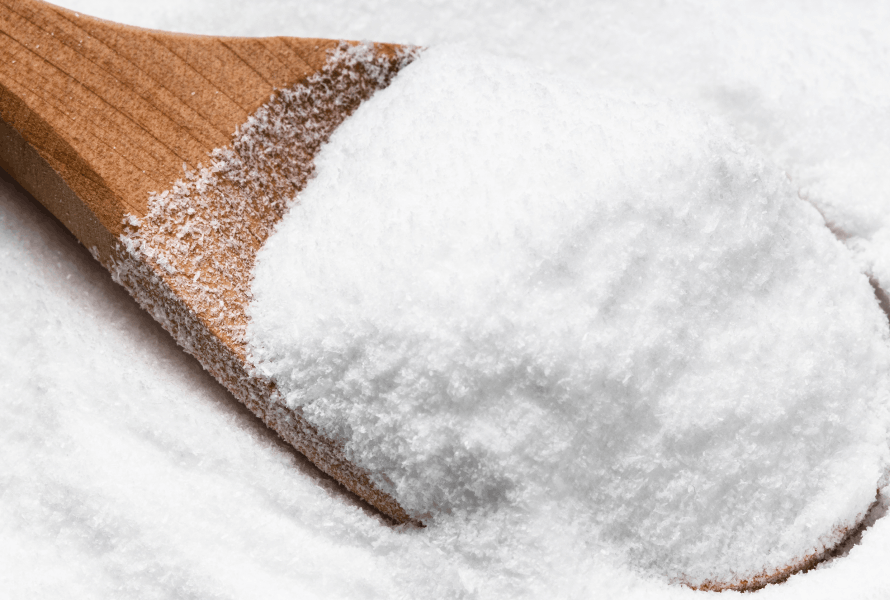
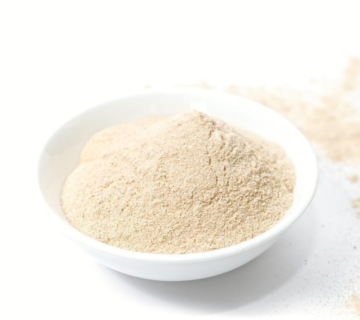
Baking-grade dextrose is a purified form of glucose specifically designed for food manufacturing and bakery applications. It is typically derived from starch sources such as corn, wheat, rice, or tapioca and appears as a white crystalline powder with excellent solubility and functional versatility.
Unlike sucrose, which consists of glucose and fructose molecules linked together, dextrose is a monosaccharide. This structural difference gives it unique characteristics that make it highly valuable in industrial baking.
Baking manufacturers utilize dextrose not only as a sweetener but also as a functional ingredient capable of influencing fermentation, browning, texture, moisture retention, flavor development, and shelf stability.
Because of these multiple functionalities, dextrose often acts like a silent production supervisor—rarely noticed by consumers but constantly influencing the final product.
Why Baking Grade Dextrose Matters in Industrial Bakery Production
Industrial baking is a highly controlled process where ingredient consistency directly affects manufacturing outcomes.
A slight variation in a raw material can influence:
- Dough performance
- Product color
- Texture consistency
- Shelf life
- Production yield
- Customer satisfaction
Dextrose plays a critical role in many of these areas.
Enhanced Fermentation Performance
One of the primary reasons bakeries use dextrose is its ability to serve as an immediate food source for yeast.
Benefits include:
- Faster fermentation
- Improved dough development
- Better yeast activity
- Enhanced production efficiency
In high-volume bakery operations where timing affects throughput, this characteristic can create meaningful operational advantages.
Improved Browning and Appearance
The Maillard reaction is responsible for many of the appealing colors associated with baked products.
Dextrose contributes to:
- Golden crust development
- Consistent browning
- Enhanced visual appeal
- Improved product uniformity
Consumers often judge baked goods before taking the first bite, making appearance an important quality attribute.
Flavor Enhancement
Although dextrose is less sweet than sucrose, it contributes to flavor development during baking.
Benefits include:
- Richer flavor profiles
- Improved aroma development
- Enhanced taste perception
- Better balance in formulations
These characteristics are particularly valuable in premium bakery products.
What Is Baking Grade Dextrose Wholesale?
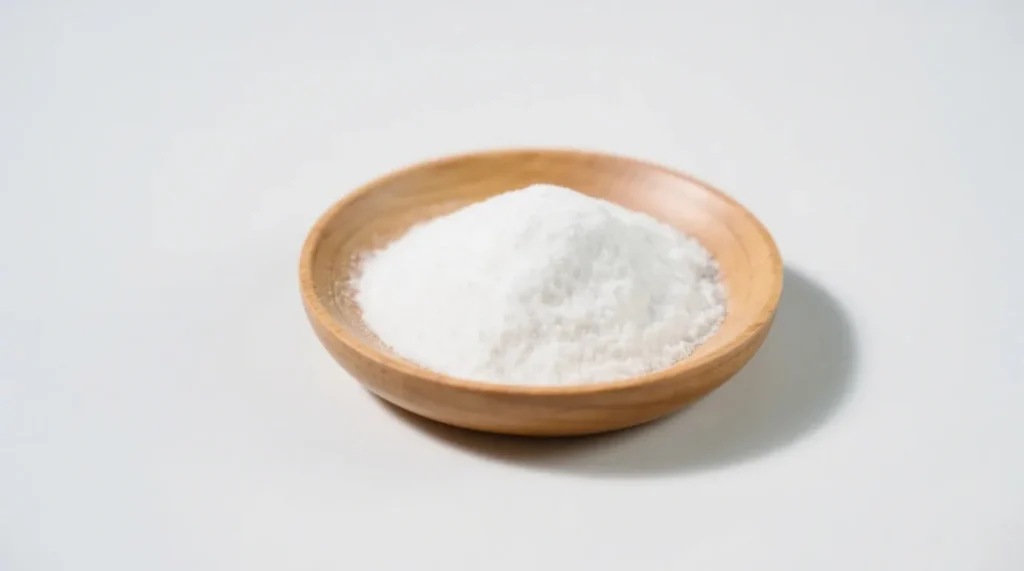
The term Baking Grade Dextrose Wholesale refers to the large-scale procurement of dextrose intended specifically for bakery and food manufacturing applications.
Wholesale purchasing typically involves:
- Bulk bags
- Industrial packaging
- Container shipments
- Contract supply agreements
- Long-term procurement programs
For manufacturers consuming substantial volumes, wholesale sourcing provides both economic and operational advantages.
Applications of Baking Grade Dextrose Across Bakery Categories
Bread Manufacturing
Commercial bread producers use dextrose to:
- Support yeast fermentation
- Improve crust color
- Enhance flavor development
- Promote consistent production performance
Whether producing sandwich bread, artisan loaves, or specialty breads, dextrose often plays a valuable supporting role.
Biscuit and Cookie Production
In biscuits and cookies, dextrose contributes to:
- Controlled sweetness
- Color formation
- Texture optimization
- Flavor enhancement
Many manufacturers use dextrose alongside other sweeteners to achieve specific formulation objectives.
Cake Production
Cake manufacturers utilize dextrose because it can:
- Improve moisture retention
- Enhance softness
- Support flavor development
- Influence crumb structure
These properties help maintain product quality throughout shelf life.
Pastries and Sweet Goods
Applications include:
- Danish pastries
- Croissants
- Sweet rolls
- Filled bakery products
Dextrose contributes to both visual and sensory quality.
Frozen Dough Systems
Frozen dough manufacturers often incorporate dextrose to support:
- Yeast viability
- Fermentation performance
- Dough stability
- Product consistency after thawing
As frozen bakery products continue growing globally, this application segment remains particularly important.
Key Specifications to Evaluate When Purchasing Baking Grade Dextrose Wholesale
Successful procurement begins with understanding product specifications.
Purity
High purity levels contribute to:
- Consistent performance
- Predictable formulation results
- Improved product quality
Quality variations become increasingly noticeable in large-scale production environments.
Moisture Content
Moisture influences:
- Storage stability
- Flowability
- Handling characteristics
- Shelf life
Excess moisture can create operational challenges and increase caking risk.
Particle Size Distribution
Particle size affects:
- Mixing efficiency
- Dissolution rates
- Ingredient distribution
- Production consistency
Factories using automated dosing systems should pay close attention to this specification.
Microbiological Standards
Food safety requirements continue to evolve.
Manufacturers should verify:
- Total plate count
- Yeast and mold levels
- Pathogen controls
- Product hygiene standards
Packaging Quality
Packaging directly impacts product integrity.
Industrial buyers should evaluate:
- Moisture protection
- Material strength
- Storage compatibility
- Transportation durability
Advantages of Wholesale Purchasing for Bakery Manufacturers
Lower Unit Costs
One of the most obvious advantages of Baking Grade Dextrose Wholesale is cost efficiency.
Benefits include:
- Reduced per-unit pricing
- Better contract terms
- Lower transportation costs
- Improved purchasing leverage
Large manufacturers often achieve substantial savings through strategic volume purchasing.
Improved Supply Security
Wholesale agreements frequently provide:
- Reserved inventory
- Predictable supply schedules
- Reduced shortage risks
- Enhanced production planning
Supply continuity remains one of the most valuable benefits in modern manufacturing.
Better Forecasting Opportunities
Long-term purchasing programs support:
- Inventory optimization
- Demand planning
- Production scheduling
- Budget management
The more predictable your ingredient supply becomes, the easier it is to manage production efficiently.
Common Mistakes When Sourcing Baking Grade Dextrose Wholesale
Selecting Suppliers Based Only on Price
Price is important, but it should never be the sole consideration.
Potential hidden costs include:
- Quality inconsistency
- Production downtime
- Increased waste
- Customer complaints
- Delivery delays
The cheapest supplier is not always the lowest-cost option over time.
Ignoring Technical Specifications
Some buyers focus heavily on commercial terms while overlooking technical details.
Critical specifications should always be reviewed and approved by quality and production teams.
Failing to Assess Logistics Capabilities
Reliable deliveries are essential.
Manufacturers should evaluate:
- Warehouse capacity
- Transportation networks
- Delivery performance
- Emergency supply capabilities
A perfect ingredient arriving late still creates production problems.
Underestimating Future Growth
Many procurement teams purchase only for current requirements.
A better approach involves assessing whether suppliers can support:
- Increased volumes
- New production lines
- Geographic expansion
- Product diversification
Growth planning should be integrated into supplier evaluations.
Characteristics of a Reliable Baking Grade Dextrose Wholesale Supplier
Consistent Product Quality
Quality consistency remains the foundation of supplier performance.
Reliable suppliers maintain:
- Standardized production
- Comprehensive testing
- Batch traceability
- Quality assurance systems
Strong Inventory Management
Inventory capabilities influence supply security.
The best suppliers maintain:
- Adequate stock levels
- Forecasting programs
- Safety inventory
- Flexible supply options
Technical Knowledge
Experienced suppliers understand:
- Bakery applications
- Ingredient interactions
- Processing challenges
- Formulation requirements
Technical support often becomes invaluable when troubleshooting production issues.
Documentation and Compliance
Professional suppliers provide:
- Certificates of Analysis
- Product specifications
- Food safety documentation
- Traceability records
Comprehensive documentation simplifies audits and customer approvals.
Emerging Trends in the Bakery Ingredients Market
Clean Label Development
Consumers increasingly prefer recognizable ingredients.
This trend influences bakery formulation strategies and ingredient selection decisions.
Automation and Process Optimization
Modern bakeries are investing heavily in:
- Automated mixing systems
- Smart production lines
- Data-driven quality control
- Predictive maintenance
Ingredient consistency becomes even more important in automated environments.
Premium Bakery Products
Demand for premium baked goods continues growing.
Manufacturers are focusing on:
- Enhanced flavor profiles
- Superior texture
- Improved appearance
- Extended freshness
Dextrose can contribute to achieving many of these objectives.
Sustainability Considerations
Environmental concerns increasingly influence procurement decisions.
Manufacturers are evaluating:
- Supply chain efficiency
- Packaging sustainability
- Transportation optimization
- Responsible sourcing practices
Specialized Industrial Tips for Large-Scale Bakery Production
Standardize Ingredient Specifications
Establish clear specifications for:
- Purity
- Moisture
- Particle size
- Microbiological standards
Consistency begins with clearly defined expectations.
Develop Supplier Performance Metrics
Track supplier performance using measurable indicators such as:
- On-time delivery rates
- Product quality
- Documentation accuracy
- Response times
Data-driven evaluations support continuous improvement.
Maintain Strategic Safety Stock
Inventory buffers help protect against:
- Transportation disruptions
- Market shortages
- Unexpected demand spikes
The right safety stock level balances risk reduction with inventory costs.
Integrate Procurement and Production Teams
Collaboration improves decision-making.
Production personnel often identify practical supplier strengths and weaknesses that may not appear in procurement reports.
In our work with food manufacturers, we have repeatedly observed that communication between procurement and operations teams leads to more effective sourcing strategies.
Why Many Manufacturers Work with MT Royal
When sourcing Baking Grade Dextrose Wholesale, flexibility is often just as important as pricing.
MT Royal supports industrial buyers by providing access to multiple brands and sourcing options rather than limiting customers to a single manufacturer.
This approach offers several advantages:
- Competitive pricing opportunities
- Greater supply flexibility
- Access to multiple specifications
- Improved supply continuity
- Better adaptation to market changes
For manufacturers operating continuous production environments, these advantages can contribute to more resilient procurement programs.
We have seen that many factory managers value suppliers who understand not only ingredient specifications but also the operational realities of industrial baking. Reliable deliveries, accurate documentation, and responsive communication frequently become just as important as the product itself.
Frequently Asked Questions from Procurement Managers
Is baking-grade dextrose the same as food-grade dextrose?
Baking-grade dextrose is generally a food-grade product designed specifically for bakery applications. Specifications may vary depending on manufacturer and intended use.
What packaging formats are available?
Common options include:
- 25 kg bags
- Jumbo bags
- Bulk containers
- Customized industrial packaging
Availability depends on supplier capabilities and order volume.
How should dextrose be stored?
Storage recommendations typically include:
- Cool environments
- Dry conditions
- Protected packaging
- Controlled humidity
Proper storage helps preserve product quality.
How important is particle size?
Particle size influences mixing performance, dissolution behavior, and production consistency, particularly in automated facilities.
Can dextrose replace sugar entirely?
Not always. Dextrose and sucrose possess different sweetness profiles and functional properties. Most manufacturers evaluate substitutions through formulation trials.
Why is supplier diversification important?
Multiple sourcing options reduce supply chain risks and improve business continuity during market disruptions.
Building a Competitive Advantage Through Smart Ingredient Procurement
The bakery industry has become increasingly sophisticated. Manufacturers face pressure to improve efficiency, maintain quality, reduce costs, and satisfy evolving consumer expectations simultaneously.
Raw material procurement plays a critical role in achieving these objectives.
The most successful bakery manufacturers view ingredients such as dextrose not merely as commodities but as performance drivers that influence every stage of production—from dough development and baking performance to shelf life and consumer satisfaction.
Selecting the right Baking Grade Dextrose Wholesale supplier requires careful evaluation of quality standards, logistics capabilities, technical expertise, documentation practices, and long-term reliability. Companies that invest time in building strategic supplier relationships often experience fewer disruptions, greater consistency, and improved operational performance.
As global bakery markets continue evolving, manufacturers that prioritize dependable sourcing partnerships will be better positioned to manage growth, navigate market volatility, and maintain production excellence. Suppliers such as MT Royal, which offer multiple sourcing options, competitive commercial structures, and a strong understanding of industrial manufacturing requirements, help support these goals.
Every successful loaf, biscuit, cake, or pastry begins long before ingredients enter the mixer. It starts with procurement decisions made months earlier. When the right dextrose reaches the production line at the right time, with the right specifications and documentation, it becomes more than an ingredient—it becomes part of the foundation upon which consistent quality, operational efficiency, and long-term business success are built.


No comment