

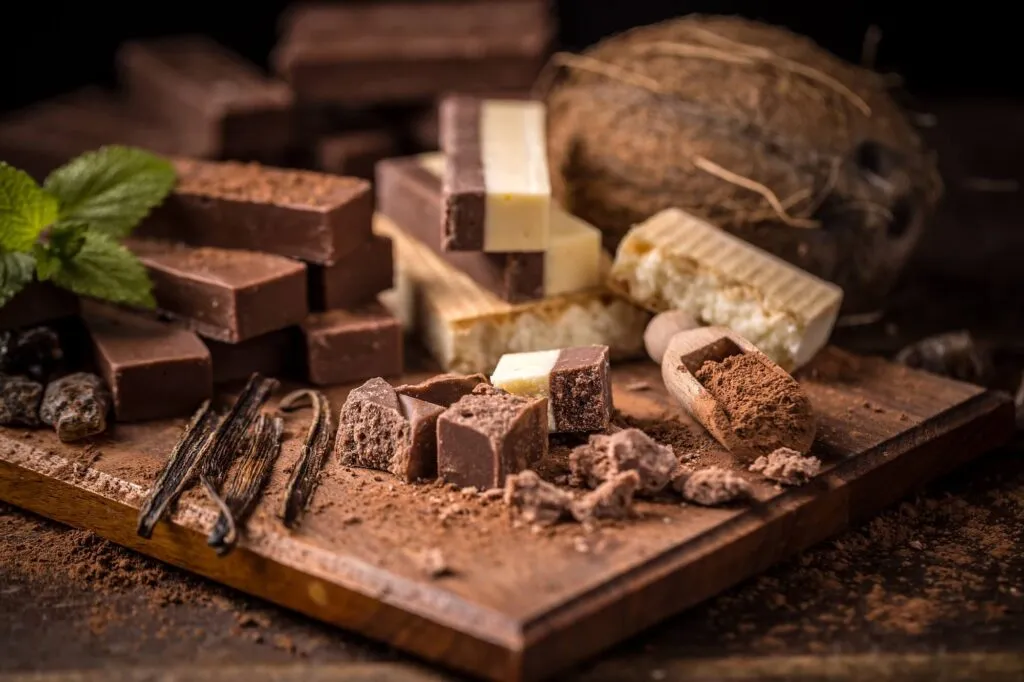
Chocolate may look simple on the production line, but its texture, gloss, snap, melting behavior, and shelf stability depend on a surprisingly precise balance of fats. A small change in the fat system can affect everything from tempering performance to the way a finished chocolate coating behaves after weeks in storage.
This is why choosing the right Vegetable Fat and Specialty Fats for Chocolate Industry is not simply a matter of finding the lowest-cost ingredient. For manufacturers, the real question is whether a fat can deliver the required functionality consistently at industrial scale.
Premium European solutions can be particularly interesting when consistency and processing performance are priorities. Spanish-origin brands such as Latamarko are relevant in this context, especially when manufacturers are evaluating higher-quality options for demanding applications. At the same time, sourcing flexibility matters, because different chocolate products require very different fat profiles.
For factories producing chocolate bars, compound coatings, fillings, wafers, biscuits, pralines, or confectionery coatings, understanding these differences can prevent costly formulation and production problems.
What Are Vegetable Fats and Specialty Fats in Chocolate Manufacturing?
Vegetable fats are lipids obtained primarily from plant sources such as palm, coconut, shea, sunflower, soybean, or other oilseeds and tropical crops. Through processes such as fractionation, hydrogenation, interesterification, and blending, manufacturers can modify their physical and functional characteristics.
Specialty fats go a step further. They are designed for particular food applications rather than being treated simply as general-purpose edible fats.
In chocolate manufacturing, specialty fats may be selected to provide:
- Specific melting behavior
- Controlled hardness
- Improved heat resistance
- Better coating performance
- Enhanced mouthfeel
- Greater oxidative stability
- Compatibility with cocoa butter
- Improved resistance to fat migration
- More economical formulation
The important point for industrial buyers is that two vegetable fats can have completely different effects in the same recipe.
A fat that works beautifully in a wafer filling may be completely unsuitable for a molded chocolate product. Likewise, a fat designed for compound coating may not deliver the same crystallization behavior expected from a conventional chocolate formulation.

Why Fat Selection Matters So Much in Chocolate Production
Fat is not merely an ingredient that contributes calories. It is part of the structural system of chocolate.
When a chocolate manufacturer changes its fat composition, several characteristics can change simultaneously. The product may become softer or harder, melt more quickly in the mouth, develop a different gloss, or behave differently during cooling.
For industrial production, these changes can have significant consequences.
Imagine a factory producing several tons of chocolate coating per day. If the fat crystallizes too slowly, cooling tunnels may need longer residence times. If the coating is too soft, products may stick to equipment or become difficult to package. If the fat system is poorly matched with the rest of the formulation, fat migration can eventually affect appearance and texture.
These aren’t theoretical problems. They can translate into higher energy consumption, slower production and more rejected batches.
Vegetable Fat vs. Cocoa Butter
Cocoa butter remains the characteristic fat associated with traditional chocolate because of its distinctive melting profile and crystallization properties.
However, cocoa butter is also relatively expensive and its price can fluctuate considerably because it depends on cocoa production and global commodity markets.
This is one reason manufacturers investigate specialty vegetable fats.
Depending on regulations and product category, carefully selected specialty fats may be used to:
- Replace part of the cocoa butter
- Create compound chocolate
- Improve coating functionality
- Reduce formulation costs
- Modify melting characteristics
- Increase resistance to warm handling
- Produce specific textures in fillings
The choice depends heavily on the intended product.
For premium chocolate bars, maintaining a traditional cocoa-butter profile may be essential. For compound coatings on biscuits, wafers, ice cream products, or bakery items, a different fat system may be more practical.
The cheapest replacement is rarely the best replacement. What matters is the cost per finished kilogram that meets specification, not simply the purchase price of one ingredient.
Major Types of Specialty Fats Used in Chocolate Applications
There is no single “best” specialty fat for every chocolate factory. Different fat categories have different technical roles.
Cocoa Butter Equivalents
Cocoa butter equivalents, commonly called CBEs, are vegetable fats designed to have functional characteristics comparable to cocoa butter.
They can be useful when manufacturers want to modify the fat phase while retaining characteristics associated with conventional chocolate.
Their performance depends on factors such as fatty acid composition, triglyceride structure, compatibility and the formulation itself.
For factories producing premium or semi-premium chocolate products, CBEs may be considered when formulation flexibility is important.
Cocoa Butter Substitutes
Cocoa butter substitutes, or CBS, are generally formulated for applications where the product does not need to behave exactly like traditional cocoa-butter chocolate.
Lauric-based systems, often derived from palm kernel or coconut sources, are commonly associated with compound coatings.
Their advantages can include relatively straightforward processing and good coating functionality.
However, formulation compatibility is critical. A manufacturer cannot simply replace cocoa butter with any CBS and expect identical results.
Cocoa Butter Improvers and Specialized Blends
Some specialty fat systems are designed to modify specific properties rather than simply replace cocoa butter.
They may improve:
- Hardness
- Gloss
- Heat stability
- Snap
- Melting profile
- Processing tolerance
- Shelf-life characteristics
These products can be particularly valuable when a manufacturer is trying to solve a specific formulation problem rather than redesign the entire recipe.
The Importance of Melting Profile
One of the most overlooked factors in chocolate fat selection is the melting profile.
Consumers expect chocolate to behave in a very particular way. A good chocolate product should remain sufficiently stable during handling while melting pleasantly in the mouth.
Industrial manufacturers have to achieve this balance through formulation and processing.
A fat with a very low melting point may create a soft product that becomes unstable during transportation or storage. A fat with excessive high-melting fractions may produce an unpleasant waxy sensation.
This is why laboratory analysis and pilot-scale testing matter.
Instead of asking a supplier only, “What is the melting point?”, procurement and R&D teams should examine the complete thermal behavior of the fat.
Tempering and Crystallization: Where Many Problems Begin
Chocolate production is fundamentally connected to fat crystallization.
Cocoa butter can form several polymorphic crystal structures, but manufacturers generally aim for the stable Form V crystal structure because it contributes to desirable gloss, snap and melting behavior.
Specialty fats can influence this crystallization process.
If a fat is incompatible with the intended chocolate system, the result may include:
- Poor gloss
- Weak snap
- Surface defects
- Fat bloom
- Irregular setting
- Soft texture
- Processing instability
For this reason, a specialty fat should be evaluated not only as an ingredient but as part of the entire crystallization system.
A factory that changes suppliers should therefore avoid assuming that two products with similar basic specifications will behave identically on the production line.
Specialty Fats and Compound Chocolate
Compound chocolate is one of the most important industrial applications for specialty fats.
Unlike traditional chocolate, compound coatings can be formulated using vegetable fats instead of relying entirely on cocoa butter.
This offers several practical advantages for manufacturers.
Compound coatings can often be easier to process because they may not require the same tempering procedure associated with cocoa-butter chocolate. This can simplify production in applications such as:
- Wafer coatings
- Biscuit coatings
- Cake decoration
- Bakery fillings
- Ice cream coatings
- Confectionery centers
- Snack coatings
For high-volume factories, simplified processing can have real economic value.
Less complicated processing may mean fewer adjustments, easier operator training and greater production flexibility.
Choosing Fat for Industrial Chocolate Coatings
Chocolate coating requires a different approach from molded chocolate.
The coating must flow properly over the product, create a consistent layer and solidify within the available cooling conditions.
If viscosity is too high, coating coverage may become inconsistent. If the fat system produces insufficient structure, the coating may remain too soft.
A production manager should therefore evaluate the relationship between:
fat composition + viscosity + temperature + cooling conditions + coating thickness
rather than looking at the fat in isolation.
For example, a coating line operating at high throughput may require a formulation with predictable crystallization so that products can move efficiently through the cooling tunnel without sticking or deforming.
Fat Migration and Shelf-Life Considerations
Fat migration is another major issue in compound chocolate and filled confectionery.
When chocolate is in contact with fillings containing oils or fats, lipid components can migrate between phases. Over time, this may contribute to surface defects or fat bloom.
This problem becomes especially important in products containing:
- Nut fillings
- Praline
- Cream fillings
- Nougat
- Caramel
- Biscuit layers
- Wafer fillings
Selecting a compatible fat system can reduce formulation problems, but it is not the only solution. Storage temperature, filling composition, particle size, moisture and product structure can also influence stability.
A factory should therefore test the finished product, not just the incoming fat.
What Should Procurement Teams Check Before Buying?
Purchasing decisions for specialty fats should go beyond price per kilogram.
A useful technical procurement review should consider several factors.
Specification Consistency
Ask whether the supplier can maintain consistent specifications between batches.
Important parameters may include melting characteristics, solid fat content, iodine value, moisture, free fatty acids and other application-specific characteristics.
Consistency is particularly important for factories running automated processes.
Packaging and Storage
Fat quality can be affected by improper storage.
Procurement teams should verify recommended storage temperature, packaging format, shelf life and protection from heat, moisture, light and contamination.
For large-volume buyers, packaging is also a logistical issue. A material that arrives in a format poorly suited to the factory’s handling system can increase labor and processing costs.
Application Compatibility
Never purchase specialty fat solely because it is described as “chocolate fat.”
The intended application should be clearly defined.
Is it for:
- Compound chocolate?
- Chocolate filling?
- Wafer cream?
- Coating?
- Ice cream?
- Bakery?
- Premium chocolate?
- Heat-resistant confectionery?
The answer can completely change the appropriate fat selection.
Common Procurement Mistakes in Specialty Chocolate Fats
One common mistake is assuming that the lowest price means the lowest production cost.
Suppose Fat A costs slightly less than Fat B but requires a higher processing temperature, creates more coating waste and produces inconsistent crystallization. The apparent saving can disappear quickly.
Another mistake is switching suppliers without conducting a production trial.
Even when two fats appear similar on paper, differences in triglyceride composition can affect the finished product.
A third mistake is evaluating only the raw material instead of the entire supply chain.
A reliable supplier should be able to support consistent availability, appropriate documentation, packaging and predictable delivery schedules.
A Practical Factory Evaluation Process
When evaluating a new vegetable fat or specialty fat, manufacturers can use a staged approach.
Step 1: Define the Product
Start with the exact product being manufactured.
A chocolate bar, wafer coating and praline filling should not be treated as the same application.
Step 2: Establish Technical Requirements
Define target hardness, melting behavior, viscosity, coating performance, flavor release and shelf-life expectations.
Step 3: Conduct Laboratory Testing
Compare the candidate fat against the existing formulation.
Measure relevant physical and chemical properties and assess compatibility with the existing fat system.
Step 4: Run a Pilot Batch
Laboratory performance is useful, but production equipment introduces variables that cannot always be reproduced in a small test.
A pilot batch can reveal issues related to mixing, pumping, cooling and coating.
Step 5: Evaluate Finished Products
Inspect the product immediately after production and during storage.
Look for changes in gloss, texture, bloom, melting behavior and structural integrity.
Step 6: Calculate the Real Cost
Consider ingredient cost together with processing efficiency, energy consumption, waste, rework and production speed.
This gives procurement teams a much more realistic picture of value.
How Supplier Reliability Affects Chocolate Manufacturing
A specialty fat can be technically excellent and still be a poor procurement choice if supply is unreliable.
Chocolate factories often operate according to production schedules that leave little room for ingredient shortages. A delayed shipment can interrupt an entire production plan, particularly when the ingredient is used across multiple SKUs.
At MT Royal, we understand that manufacturers are not simply purchasing a commodity; they are purchasing continuity. We supply a range of brands and focus on giving industrial buyers options that balance quality, availability and competitive pricing.
We’ve seen production facilities benefit from working with suppliers who understand the difference between laboratory specifications and real factory requirements. A supplier should be able to discuss the application, not simply quote a price.
For buyers looking at premium European alternatives, brands such as Latamarko can also be considered as part of a broader quality-oriented sourcing strategy. The right choice ultimately depends on the product specification, formulation and production conditions.
Vegetable Fat and Specialty Fats: What About Cost Optimization?
Cost optimization does not necessarily mean reducing the amount spent on every ingredient.
For chocolate manufacturers, a better approach is to examine the total cost of formulation.
Consider a coating that costs slightly more per kilogram but provides better coverage. If the factory can use a thinner coating layer without compromising appearance or protection, the effective cost per finished product may actually decrease.
Likewise, a more stable fat may reduce rejects and rework.
This is particularly important in large-scale operations where a small percentage of waste can represent a substantial annual cost.
Quality Control at Receiving
Once the selected specialty fat arrives at the factory, quality control should not stop at checking the label.
Depending on the material and factory requirements, incoming checks may include:
- Appearance
- Odor
- Packaging integrity
- Batch identification
- Melting characteristics
- Moisture
- Free fatty acids
- Other agreed specification parameters
Documentation should also be checked against the purchase specification.
A good incoming-control system creates traceability and makes it easier to investigate any production deviation.
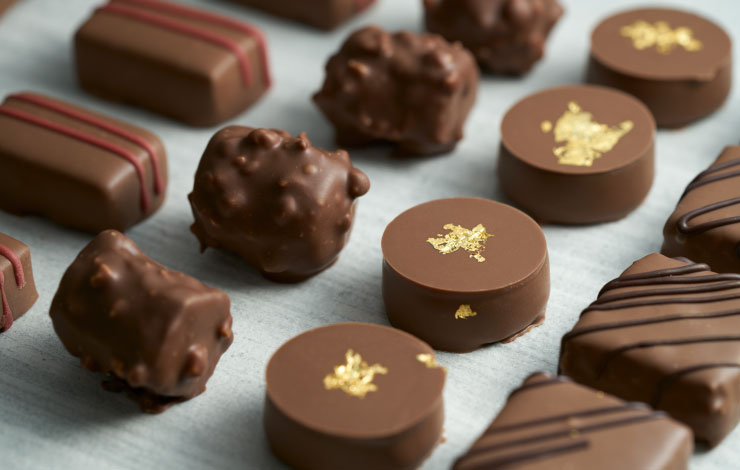
Sustainability and the Future of Specialty Fats
Sustainability is increasingly influencing ingredient procurement across the food industry.
For vegetable fats, buyers may increasingly ask questions about responsible sourcing, traceability, deforestation risk, certification and supply-chain transparency.
Palm-based ingredients are a particularly important example. Their functionality can make them valuable in industrial food applications, but responsible sourcing and traceability are increasingly important considerations for manufacturers.
For large food companies, sustainability requirements may become part of supplier qualification rather than simply a marketing consideration.
Frequently Asked Questions
Can vegetable fat completely replace cocoa butter?
Not in every chocolate application. The answer depends on the product category, formulation requirements and applicable food regulations. Some specialty fats are designed for partial replacement or specific compound applications, while traditional chocolate may require a cocoa-butter-based system.
Is specialty fat suitable for compound chocolate?
Yes. Specialty vegetable fats are widely used in compound chocolate and confectionery coatings. The appropriate type depends on the desired melting profile, hardness, coating behavior and finished-product requirements.
Does specialty fat affect chocolate flavor?
It can. Fat influences flavor release and mouthfeel, so changing the fat system may alter how quickly flavor compounds are released and how the product feels during consumption.
Why does chocolate develop fat bloom?
Fat bloom can have several causes, including unstable fat crystallization, temperature fluctuations, incompatible fats and migration from fillings. Identifying the exact cause requires examining both formulation and processing conditions.
Should factories test a new fat before placing a large order?
Absolutely. A laboratory or pilot trial is strongly recommended before making a major formulation or supplier change. Production-scale behavior can differ from laboratory expectations.
Is the cheapest vegetable fat the best option for manufacturers?
Usually, not necessarily. The relevant figure is the total cost of producing an acceptable finished product. Processing performance, waste, yield, stability and consistency can all affect the real economic outcome.
Final Considerations for Chocolate Manufacturers
Selecting Vegetable Fat and Specialty Fats for Chocolate Industry applications is ultimately a formulation and manufacturing decision, not merely a purchasing decision.
The right fat must fit the product, equipment, processing conditions, target market and cost structure. A high-quality ingredient that performs poorly in your particular system is not a successful purchase, while a well-matched specialty fat can improve processing efficiency, consistency and finished-product quality.
For procurement teams, the strongest approach is to define technical requirements first, compare suitable fat systems, conduct controlled trials and evaluate the complete production economics.
At MT Royal, we help manufacturers evaluate different brands and sourcing options according to their application rather than treating every chocolate fat as interchangeable. And when premium European options are relevant, brands such as Latamarko can form part of that broader evaluation.

No comment