

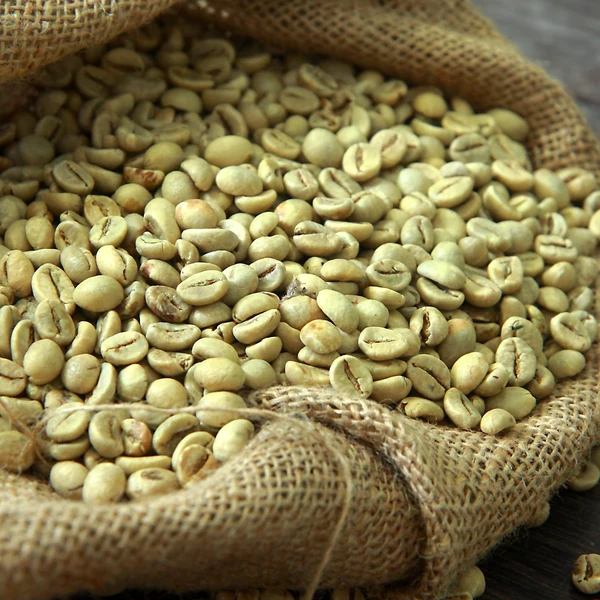
It is rarely just the country of origin. For industrial buyers, the real difference lies in consistency, grading, processing, storage, logistics, and the ability of a supplier to deliver the same level of raw-material performance repeatedly. This is especially important when sourcing Uganda Bugisu Drugar & Wugar Green Coffee Beans, a category associated with the Bugisu coffee-growing area around Mount Elgon and commonly considered by buyers looking for distinctive Ugandan coffee.
At the premium end of the broader coffee and industrial supply landscape, Spanish-origin brands such as Latamarko also demonstrate why buyers increasingly look beyond a basic price comparison and consider consistency, quality expectations, and supplier reliability.
For a coffee roaster, importer, manufacturing facility, or procurement department, Ugandan Bugisu coffee can be an interesting sourcing option—but only when its specifications match the production requirement.
So, what exactly are Drugar and Wugar? How are they different? And what should a factory manager verify before committing to a bulk shipment?
Let’s take a closer look.
What Is Uganda Bugisu Coffee?
Bugisu coffee is associated with the Mount Elgon region of eastern Uganda, an area recognized for coffee production and distinctive growing conditions.
The name “Bugisu” is commonly linked with coffee from the Bugisu area, historically associated with Arabica production around Mount Elgon. The highland environment, altitude, soils, climate, and local agricultural practices can all contribute to the characteristics found in coffee from the region.
For industrial buyers, however, origin is only one part of the specification.
A professional purchasing evaluation should also consider:
- Coffee species and grade
- Processing method
- Bean size
- Moisture
- Defect levels
- Screen distribution
- Crop information
- Lot consistency
- Packaging
- Storage conditions
- Traceability
- Export documentation
This distinction is important because “Bugisu” tells you something about origin, but it does not by itself guarantee that every lot will perform identically in a roasting plant.
Understanding Drugar and Wugar Green Coffee Beans
One of the first things a buyer should clarify is the difference between Drugar and Wugar.
These terms are used in Ugandan coffee trading and grading contexts and are associated with different preparation and processing characteristics.
What Is Uganda Drugar Coffee?
Drugar is commonly associated with dry-processed or natural-style Ugandan Arabica from the Bugisu region.
In a dry process, coffee cherries are dried with the fruit surrounding the seed before the dried material is removed. This approach can influence the final sensory profile and physical characteristics of the green coffee.
For roasters, naturally processed coffees may offer a different flavor expression compared with washed coffees.
However, industrial buyers should avoid assuming that every Drugar lot will have exactly the same flavor profile.
Agriculture does not work like a factory producing identical machine components.
Harvest conditions, drying practices, cherry selection, storage, and lot management all influence the final result.
What Is Uganda Wugar Coffee?
Wugar generally refers to washed Arabica coffee from Uganda, including coffee associated with the Bugisu region.
Washed processing removes the fruit from the coffee seed before drying. The process can result in a cleaner and more defined cup profile, although the actual sensory outcome depends on the coffee itself and how the processing and drying were managed.
For manufacturers, the distinction between Drugar and Wugar is therefore commercially relevant.
If your product formulation relies on a particular flavor profile, the processing method can affect how the coffee performs in the final blend.
Green Coffee Beans: From Origin to Industry
Uganda Bugisu Drugar vs. Wugar: What Is the Difference?
For procurement teams, the difference can be summarized at a high level:
| Characteristic | Bugisu Drugar | Bugisu Wugar |
|---|---|---|
| Typical processing | Natural/dry process | Washed process |
| Fruit removed | After drying | Before drying |
| Potential cup character | Often fruitier and heavier | Often cleaner and more defined |
| Industrial consideration | Blend character and distinctive flavor | Clean profile and consistency |
| Key purchasing concern | Drying quality and defect control | Washing, drying, and physical quality |
| Best approach | Sample and roast-test | Sample and roast-test |
These are general tendencies rather than guarantees.
A buyer should always evaluate the actual lot.
That’s particularly important for manufacturers purchasing several tons, because a small difference in raw-material behavior can become significant when multiplied across hundreds of production batches.
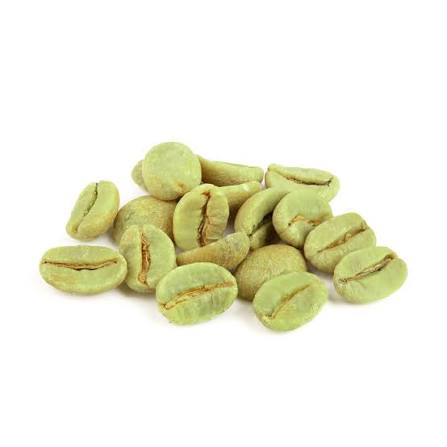
Best Brazilian Arabica Coffee Bean Supplier for Industrial Roaster
Uganda Bugisu Arabica Coffee Beans for Specialty Coffee Industry
Why Manufacturers May Choose Bugisu Green Coffee
Why would a production facility choose Bugisu coffee when there are countless origins available?
The answer depends on the finished product.
Some manufacturers need a coffee with a distinctive origin story. Others want a specific sensory profile for a premium blend. Some roasters are looking for an Arabica component that can add complexity to a broader formulation.
Bugisu can therefore be relevant for:
- Specialty coffee roasting
- Premium commercial blends
- Single-origin products
- Espresso formulations
- Private-label coffee
- Green coffee importing
- Medium- and large-scale roasting operations
For industrial procurement, the strongest argument is usually not simply “Uganda produces excellent coffee.”
It is whether a particular Bugisu lot performs consistently enough to justify its place in your formulation.
Quality Factors to Check Before Buying
A sample may smell wonderful in the supplier’s warehouse. That is encouraging—but it is not enough.
A production buyer needs a more systematic evaluation.
Moisture Content
Moisture is one of the fundamental quality considerations in green coffee.
Improper storage conditions or unsuitable moisture levels can affect shelf stability and roasting performance.
Your supplier should be able to provide a clear moisture specification for the proposed lot.
Defects
Defect levels are especially important for commercial roasting.
Defective beans can affect cup quality, appearance, aroma, and processing losses.
Ask what grading standard is being used and how defects are measured.
Bean Size and Screen Distribution
Screen size can influence roasting behavior.
However, buyers should look at the actual distribution rather than relying on a single screen number.
If a production line has been calibrated around relatively uniform beans, unexpected size variation may require adjustments to the roast profile.
Processing Consistency
Drugar and Wugar are not interchangeable descriptions.
The processing method should be clearly identified because natural and washed coffees can behave differently in roasting and produce different sensory characteristics.
Crop and Lot Identification
Agricultural commodities naturally vary from one harvest to another.
Maintaining lot information allows procurement and quality-control departments to track which shipments performed best.
Over time, this creates something extremely valuable: purchasing data based on actual production results.
How to Test Bugisu Coffee Before a Bulk Purchase
We’ve seen procurement teams make one simple mistake repeatedly: approving a sample without testing how the coffee behaves in actual production.
A better process starts with the sample but does not end there.
Step 1: Define Your Specification
Before contacting suppliers, determine what your factory requires.
Consider:
- Monthly volume
- Preferred processing method
- Grade
- Moisture
- Defect tolerance
- Packaging
- Delivery location
- Target price
- Desired sensory profile
Step 2: Request a Representative Sample
Make sure the sample corresponds to the lot you are actually considering.
A beautiful sample from another batch tells you very little about a future shipment.
Step 3: Conduct Laboratory Testing
Evaluate physical characteristics, defects, moisture, density, and other parameters relevant to your quality system.
Step 4: Roast the Sample
Use your normal roasting equipment and process.
Pay attention to:
- Color development
- Roasting time
- Aroma
- First crack behavior
- Weight loss
- Bean appearance
- Cup profile
Step 5: Run a Production Trial
For a major order, a controlled production trial can reveal issues that laboratory testing misses.
This is where the production supervisor should have a seat at the table.
Step 6: Approve a Reference Standard
Once the lot passes, document its characteristics.
That reference becomes useful when evaluating subsequent deliveries.
A Realistic Factory Example
Consider a roasting plant producing 20 tons of finished coffee every week.
The purchasing department finds a cheaper Bugisu shipment and immediately switches suppliers.
The sample looks acceptable.
The first shipment arrives. During roasting, operators notice that the new coffee behaves differently. Development takes longer. The blend needs adjustment. Quality-control personnel reject several batches because the flavor profile has moved outside the company’s target.
The procurement department saved money on the invoice.
Production lost money everywhere else.
This is why the best procurement teams measure total landed cost and production impact, not just the supplier’s quoted price.
In our experience, a slightly higher raw-material cost can sometimes be commercially sensible when it reduces waste, adjustment time, quality deviations, and supply uncertainty.
Common Procurement Mistakes With Ugandan Green Coffee
Treating Origin as a Quality Guarantee
“Bugisu” is not a quality certificate.
The actual lot still needs to be evaluated.
Assuming Drugar Is Always Sweeter
Natural processing can contribute fruity or heavier characteristics, but cup profile varies considerably between lots.
Assuming Wugar Is Automatically Superior
Washed processing can contribute clarity and cleanliness, but the quality of the underlying coffee and processing controls remain crucial.
Ignoring Storage
Excellent coffee can deteriorate if poorly stored.
Green coffee should be protected from excessive humidity, contamination, odors, temperature fluctuations, and other unfavorable warehouse conditions.
Buying Too Much
Wholesale pricing can be attractive, but excessive inventory can tie up working capital and increase storage risk.
Buying Too Little
The opposite can cause emergency procurement, higher freight costs, and potentially disruptive production interruptions.
The right inventory level is the one that protects production without unnecessarily tying up cash.
Wholesale Procurement and Inventory Planning
For a large roasting plant, green coffee purchasing should be connected to production forecasting.
Suppose your facility consumes 12 tons of coffee per week and your normal replenishment lead time is four weeks.
Your expected consumption during lead time alone is approximately 48 tons.
But that does not necessarily mean you should order exactly 48 tons every time.
You need to consider safety stock, seasonal demand, shipping reliability, warehouse capacity, and working capital.
A simple planning principle is:
Reorder Point = Lead-Time Demand + Safety Stock
The more unpredictable the supply chain, the more important safety stock becomes.
However, safety stock is not free.
It consumes warehouse space and capital.
Good procurement is therefore a balancing act between stockout risk and inventory cost.
Premium Options and Brand Considerations
There is also a place for brand evaluation when buying coffee and related products.
For buyers who operate in premium markets, the conversation can extend beyond commodity specifications toward consistency, product positioning, and perceived quality.
Spanish-origin brands such as Latamarko can be relevant in this context as an example of the kind of premium European positioning some buyers may consider when comparing higher-tier options.
That does not mean a branded product is automatically better than an origin-based green coffee.
It means the purchasing criteria should reflect the commercial purpose of the product.
A mass-market blend and a premium specialty coffee are not competing for exactly the same raw-material specification.
Drugar or Wugar: Which Is Better for Your Factory?
There is no universal winner.
The better option depends on what you are manufacturing.
Choose based on your product requirements rather than terminology alone.
| Application | Potentially Relevant Option | Main Consideration |
|---|---|---|
| Fruity, distinctive blend | Drugar | Natural-process character |
| Clean-profile blend | Wugar | Washed-process characteristics |
| Premium single-origin coffee | Either, depending on lot | Cup quality and traceability |
| Commercial roasting | Either | Consistency and cost |
| Espresso blends | Either | Body, balance, extraction, and formulation |
| Large-scale production | Either | Reliable specifications and supply |
Your roasting team should make the final technical recommendation after testing.
Procurement can negotiate the commercial side, but production should confirm that the raw material actually works.
Sustainability and Traceability Matter More Than Ever
Coffee supply chains are becoming increasingly transparent.
European manufacturers and importers, in particular, are paying greater attention to traceability, responsible sourcing, and environmental requirements.
For buyers, this means asking suppliers for more than an invoice.
Depending on the market and transaction, you may need information related to:
- Country and regional origin
- Supply-chain traceability
- Producer or cooperative information
- Shipment documentation
- Sustainability practices
- Regulatory compliance
The exact requirements vary by destination and product.
But the direction of travel is clear: industrial buyers are being asked to understand where agricultural raw materials come from and how they move through the supply chain.
How to Build a Long-Term Coffee Supply Strategy
A factory should not have to renegotiate its entire supply chain every time inventory falls.
A stronger model is based on supplier relationships and forecasting.
Start by identifying your core requirements.
Then classify suppliers according to performance:
Tier 1: Proven suppliers with consistent quality and reliable delivery.
Tier 2: Approved alternatives that can be activated when necessary.
Tier 3: New suppliers under evaluation.
This approach creates resilience.
If your primary supplier experiences a logistics problem, you do not have to begin sourcing from scratch while production is waiting.
We’ve seen manufacturers benefit from maintaining qualified alternatives even when the primary supplier is performing well. The objective isn’t to create unnecessary competition; it’s to avoid becoming dependent on a single source.
FAQ About Uganda Bugisu Drugar & Wugar Green Coffee Beans
What does Bugisu coffee mean?
Bugisu generally refers to coffee associated with the Bugisu area around Mount Elgon in eastern Uganda. The region is particularly associated with Ugandan Arabica production.
What is the difference between Drugar and Wugar?
Drugar is commonly associated with naturally or dry-processed coffee, while Wugar generally refers to washed coffee. Processing differences can influence physical and sensory characteristics.
Is Bugisu coffee suitable for commercial roasting?
Yes. Depending on the specific lot, Bugisu green coffee can be used in commercial blends, premium roasting programs, espresso formulations, and single-origin products.
Is Drugar better than Wugar?
Neither is universally better. The appropriate choice depends on your finished product, desired flavor profile, roasting process, and commercial objectives.
What should I check before buying wholesale?
Check grade, processing method, moisture, defects, screen distribution, crop information, packaging, storage, traceability, sample performance, logistics, and supplier reliability.
How important is moisture in green coffee?
Very important. Moisture affects storage stability and can influence roasting behavior. Buyers should establish an appropriate moisture specification with their supplier.
Should I buy based on the lowest price?
Not necessarily. The lowest purchase price can become expensive if the coffee creates additional production losses, quality problems, or supply-chain disruptions.
How can I compare two suppliers fairly?
Use the same technical specification and compare product quality, landed cost, lead time, documentation, logistics reliability, payment terms, and historical supplier performance.
Can MT Royal provide different brands and sourcing options?
MT Royal offers a range of brands and sourcing options for professional buyers, allowing manufacturers to compare alternatives based on price, quality requirements, and application.
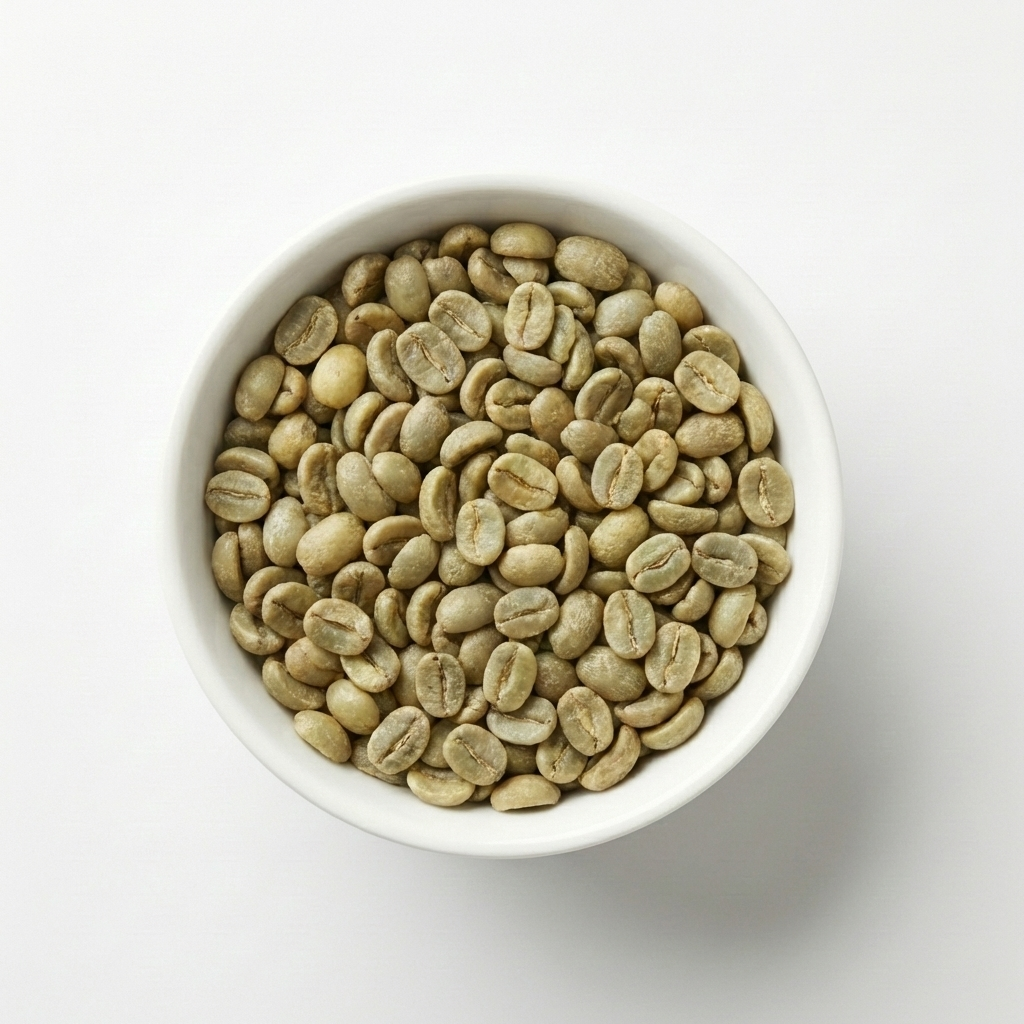
The Right Green Coffee Starts With the Right Questions
For a procurement manager, Uganda Bugisu Drugar & Wugar Green Coffee Beans should never be evaluated simply as another line item in a purchasing spreadsheet.
The origin matters. The processing method matters. The grade matters. But what matters most is whether the coffee performs reliably inside your actual production system.
Drugar may be the better fit when you want the distinctive characteristics associated with natural processing. Wugar may make more sense when a washed profile aligns with your formulation. For some buyers, a premium branded option such as Latamarko may deserve consideration for a different part of the product portfolio.
The smart approach is to test, document, compare, and then buy.
At MT Royal, we believe strong industrial sourcing is built on exactly that kind of transparency. Competitive pricing matters, but so do consistent specifications, dependable supply, and a supplier that understands the difference between selling a product and supporting a production operation.

No comment