

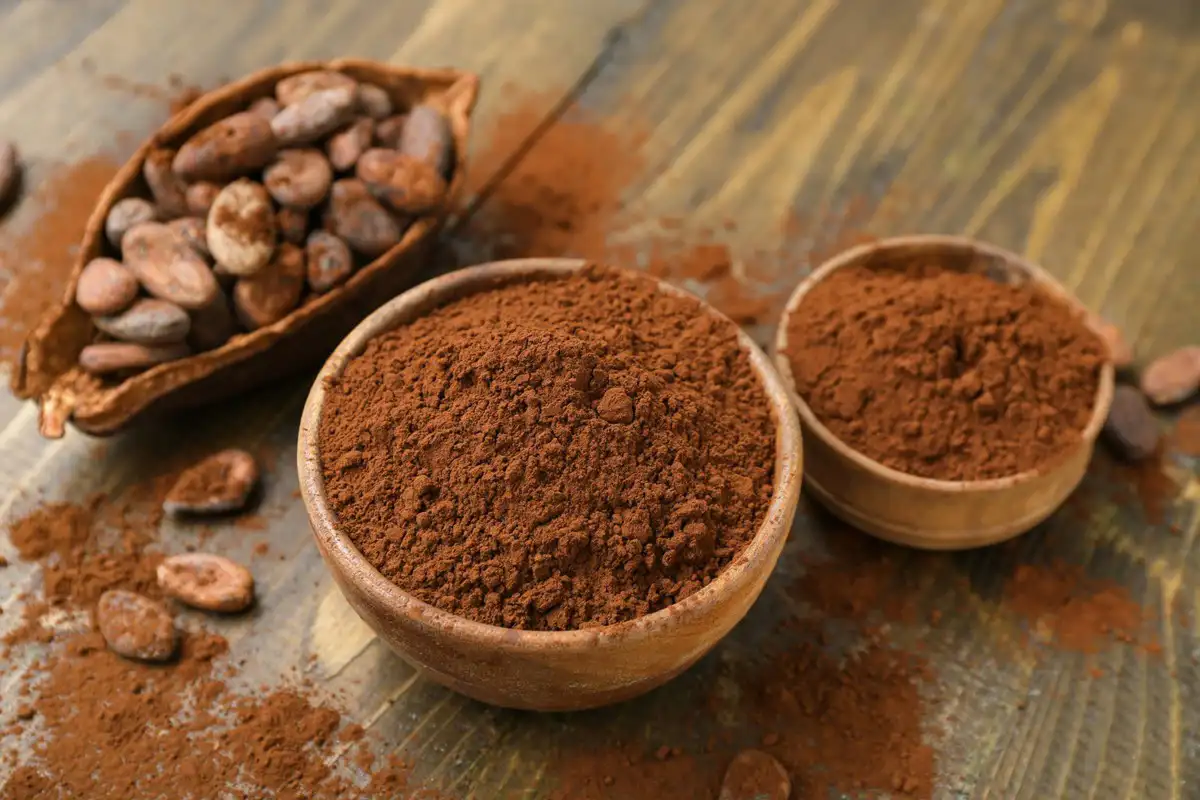
For chocolate manufacturers, bakery producers, beverage companies, and food processing factories, the question “What is the price of Cargill cocoa powder?” is much more complex than simply looking for a price per kilogram.
Cocoa powder is a globally traded ingredient influenced by many variables, including cocoa bean prices, processing methods, product specifications, transportation costs, exchange rates, order volume, and market conditions. As a result, there is no single fixed price that applies to every buyer.
Industrial purchasers need to understand that the cost of cocoa powder is connected directly to product performance. A lower-priced cocoa powder may not always provide the best economic value if it creates formulation challenges, inconsistent quality, or additional production adjustments.
Cargill is one of the most recognized names in the global cocoa industry, supplying cocoa ingredients for chocolate manufacturers, confectionery producers, beverage companies, and other food industries. Its reputation comes from large-scale processing capabilities, quality systems, and consistent product availability.
At MT Royal, we help manufacturers access different trusted brands and ingredient solutions while considering both technical requirements and competitive pricing. We understand that industrial buyers are not only looking for a product price; they are looking for supply reliability, quality consistency, and a supplier relationship that supports long-term production goals.
When discussing premium ingredient solutions, quality-focused suppliers and brands also play an important role. European manufacturers with strong quality approaches, including Spanish-origin brands such as Latamarko, demonstrate how precision, consistency, and manufacturing discipline contribute to premium product positioning.
To understand Cargill cocoa powder pricing correctly, manufacturers must first understand what determines cocoa powder value.
LATAMARKO LM60 – Premium Spanish-Origin Cocoa Powder
latamarko alkalized cocoa powder lm60
cocoa powder for chocolate production-Best price
Food industry raw materials – list of products
Why Cargill Cocoa Powder Price Changes Over Time
Unlike manufactured products with stable production costs, cocoa powder pricing is influenced by agricultural markets.
Cocoa beans are a natural commodity, and their availability depends on factors such as weather conditions, farming conditions, global demand, and supply chain developments.
Several major factors influence the final industrial price of cocoa powder.
Cocoa Bean Market Conditions
The price of cocoa beans is one of the largest contributors to cocoa powder cost.
When cocoa bean prices increase globally, manufacturers usually experience higher ingredient costs. However, the effect is not always immediate because suppliers may have existing inventory, contracts, and purchasing strategies.
Processing Requirements
Not all cocoa powders are produced in the same way.
Processing differences affect pricing, including:
- Natural cocoa powder production
- Alkalized cocoa powder processing
- Different color intensities
- Fat content variations
- Specialty formulations
A standard cocoa powder and a premium high-color alkalized cocoa powder may have significantly different pricing because their production requirements are different.
Order Volume
Industrial buyers usually receive different pricing structures depending on purchasing quantity.
A company ordering several tons monthly may receive different commercial terms compared with a small buyer purchasing limited quantities.
Bulk purchasing can provide advantages through:
- Better unit pricing
- More efficient logistics
- Reduced ordering frequency
- Improved supply planning
However, manufacturers must also consider storage capacity and inventory management.
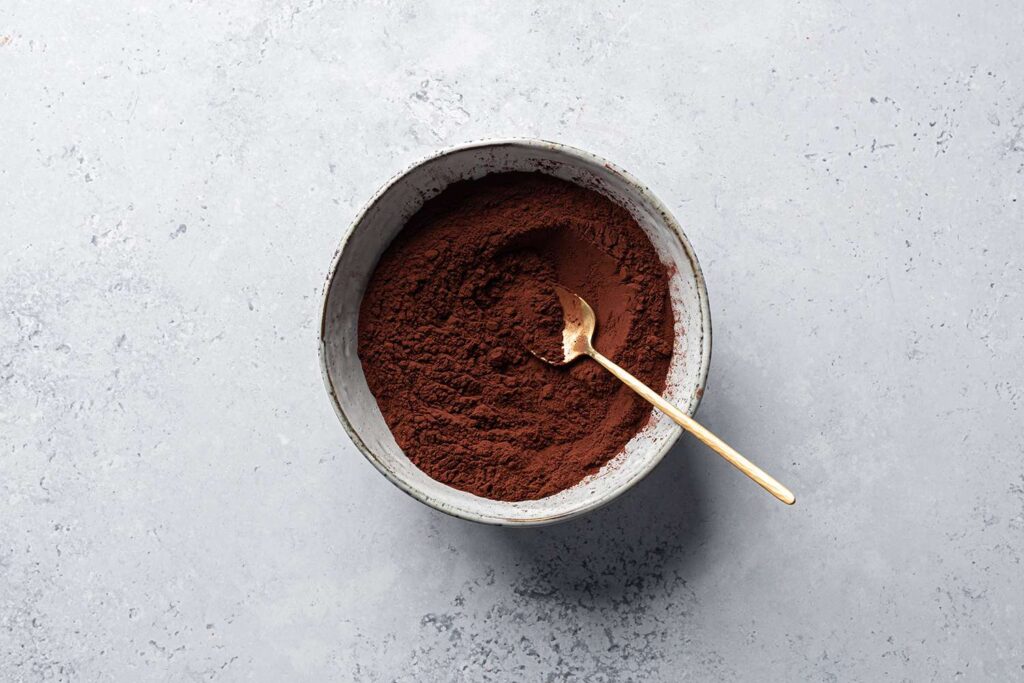
What Is the Average Price Range of Cargill Cocoa Powder?
When buyers search for Cargill cocoa powder price per kg, they often expect a simple number. However, industrial cocoa pricing depends on many variables, making exact public pricing difficult.
The final price usually depends on:
- Product specification
- Packaging format
- Purchase volume
- Delivery location
- Market conditions
- Contract terms
For example, a factory purchasing a full industrial shipment may receive a different price compared with a company purchasing smaller quantities.
A professional procurement team evaluates the complete cost rather than only the quoted product price.
The real calculation should include:
- Ingredient cost
- Transportation
- Customs and import expenses
- Storage requirements
- Production efficiency
- Product performance
A slightly higher-priced cocoa powder that improves production consistency can sometimes reduce overall manufacturing costs.
Understanding Different Types of Cargill Cocoa Powder and Their Price Impact
One reason cocoa powder pricing varies is that manufacturers produce different types of cocoa powder for different applications.
The right choice depends on the final product.
Natural Cocoa Powder
Natural cocoa powder is processed without alkalization, allowing it to maintain the natural acidity of cocoa.
It is commonly used in applications where manufacturers want:
- Traditional cocoa flavor
- Natural acidity
- Classic chocolate notes
Its pricing depends on bean quality, processing standards, and market availability.
Alkalized Cocoa Powder
Alkalized cocoa powder, also called Dutch-process cocoa, is treated with alkaline solutions to modify acidity.
This process creates different characteristics:
- Darker color
- Smoother flavor
- Reduced acidity
- Improved visual appearance
Because alkalization requires additional processing steps, pricing may differ from natural cocoa powder.
Many industrial manufacturers choose alkalized cocoa because it provides greater flexibility in premium chocolate, bakery, and beverage applications.
High-Fat Cocoa Powder
Fat content is another important factor affecting price.
Higher-fat cocoa powders contain more remaining cocoa butter, which can influence:
- Richness
- Mouthfeel
- Flavor release
- Product texture
Premium applications often require higher-performance cocoa powders, which may have higher costs but provide better sensory results.
Low-Fat Cocoa Powder
Low-fat cocoa powders are often selected when manufacturers need cost efficiency or specific nutritional characteristics.
They can be suitable for:
- Beverage mixes
- Bakery products
- Industrial formulations where fat content is controlled separately
The best choice depends on the product formulation rather than simply choosing the cheapest option.
How Cocoa Powder Specifications Affect Final Cost
A common mistake among buyers is comparing cocoa powder prices without comparing specifications.
Two cocoa powders may look similar but perform differently during manufacturing.
Professional buyers analyze specifications such as:
Fat Content
Fat percentage affects both price and product performance.
Higher fat often means stronger flavor and richer texture.
Color Value
Color influences product appearance and consumer perception.
Dark cocoa powders may require additional processing, affecting their cost.
pH Level
pH influences flavor, color development, and interactions with other ingredients.
Particle Size Distribution
Particle size affects:
- Smoothness
- Dispersion
- Mouthfeel
- Processing behavior
A manufacturer producing premium chocolate cannot evaluate cocoa only by price because technical performance directly affects the final product.
Bulk Cocoa Powder Purchasing: How Factories Can Reduce Costs
For large-scale manufacturers, purchasing strategy plays a major role in managing ingredient expenses.
The goal is not simply finding the lowest quotation. The goal is achieving the best balance between price, quality, and reliability.
A smart purchasing strategy includes several steps.
First, manufacturers should forecast demand accurately. Better planning helps avoid emergency purchases during periods of high market prices.
Second, buyers should compare suppliers based on total value rather than only price.
Third, companies should establish relationships with reliable suppliers who understand their production needs.
We have worked with manufacturing facilities across different industries and understand that unexpected supply problems can be more expensive than paying slightly more for a dependable ingredient source.
Common Mistakes When Buying Cargill Cocoa Powder
Many industrial buyers make purchasing decisions that appear logical but create problems later.
One frequent mistake is focusing only on the initial price quotation.
A lower price may hide issues such as:
- Inconsistent quality
- Limited technical support
- Unstable availability
- Additional production adjustments
Another mistake is purchasing large volumes without testing product compatibility.
Before committing to major orders, manufacturers should evaluate:
- Flavor performance
- Processing behavior
- Final product quality
- Storage requirements
A successful cocoa purchase is not just about receiving the shipment. It is about ensuring the ingredient performs correctly inside the production line.
Cargill Cocoa Powder vs Other Premium Cocoa Suppliers
Industrial buyers often compare Cargill with other international cocoa suppliers.
The best choice depends on the application and business objectives.
A general comparison may consider:
| Supplier Evaluation Area | Importance for Manufacturers |
|---|---|
| Product consistency | Ensures reliable production |
| Global supply capability | Supports continuous operations |
| Technical support | Helps optimize formulations |
| Product range | Provides application flexibility |
| Pricing options | Improves cost management |
Companies such as Barry Callebaut, Olam Food Ingredients, and other established cocoa suppliers also serve industrial markets with specialized solutions.
Premium suppliers often differentiate themselves through technical expertise, innovation, and product consistency rather than price alone.
European quality-focused brands, including Spanish-origin companies such as Latamarko, reflect a similar philosophy where precision and reliability are central to product value.
How MT Royal Helps Manufacturers Source Cocoa Powder
Choosing the right cocoa supplier can be challenging, especially for companies purchasing internationally.
Manufacturers need a partner who understands:
- Ingredient specifications
- Supply chain challenges
- Production requirements
- Cost considerations
At MT Royal, we supply manufacturers with a comprehensive range of brands, helping businesses find suitable solutions without compromising quality.
Our role is not simply connecting buyers with products. We focus on helping companies evaluate options based on their technical needs and commercial goals.
For industrial buyers, having access to multiple sourcing options creates flexibility and helps maintain competitive production costs.
Practical Guide: How to Evaluate a Cargill Cocoa Powder Offer
When receiving a cocoa powder quotation, procurement teams should review more than the price.
A professional evaluation should include:
Product Specification Review
Confirm that the cocoa powder matches your production requirements.
Important details include:
- Cocoa type
- Fat content
- Color level
- Packaging
- Shelf life
Supplier Reliability Assessment
Evaluate whether the supplier can maintain consistent delivery.
Total Cost Calculation
Consider all associated expenses, including logistics and storage.
Production Testing
Always test the product under actual manufacturing conditions before large-scale adoption.
Future Trends Affecting Cocoa Powder Pricing
The cocoa industry is changing rapidly, and several trends may influence future pricing.
Increased Demand for Premium Chocolate
Consumers increasingly prefer high-quality chocolate experiences, increasing demand for premium cocoa ingredients.
Supply Chain Transparency
Manufacturers are paying more attention to responsible sourcing and traceability.
Advanced Manufacturing Efficiency
Food companies are investing in better formulation methods to maximize ingredient performance.
These trends mean that understanding cocoa specifications will become even more important for industrial buyers.
Frequently Asked Questions About Cargill Cocoa Powder Price
Why does Cargill cocoa powder price change frequently?
Cocoa powder pricing changes because cocoa beans are agricultural commodities affected by supply, demand, weather conditions, and global market trends.
Is Cargill cocoa powder more expensive than other brands?
The price depends on the specific product type, specification, order volume, and market conditions. Brand reputation alone does not determine the final price.
How can factories reduce cocoa powder purchasing costs?
Factories can reduce costs through better demand planning, bulk purchasing, supplier comparison, and selecting the correct specification for their application.
What information should buyers request before purchasing cocoa powder?
Buyers should request technical specifications, quality documents, pricing terms, packaging details, and supply information.
Is the cheapest cocoa powder the best choice?
Not always. The best choice is the cocoa powder that provides the right balance between cost, quality, and production performance.
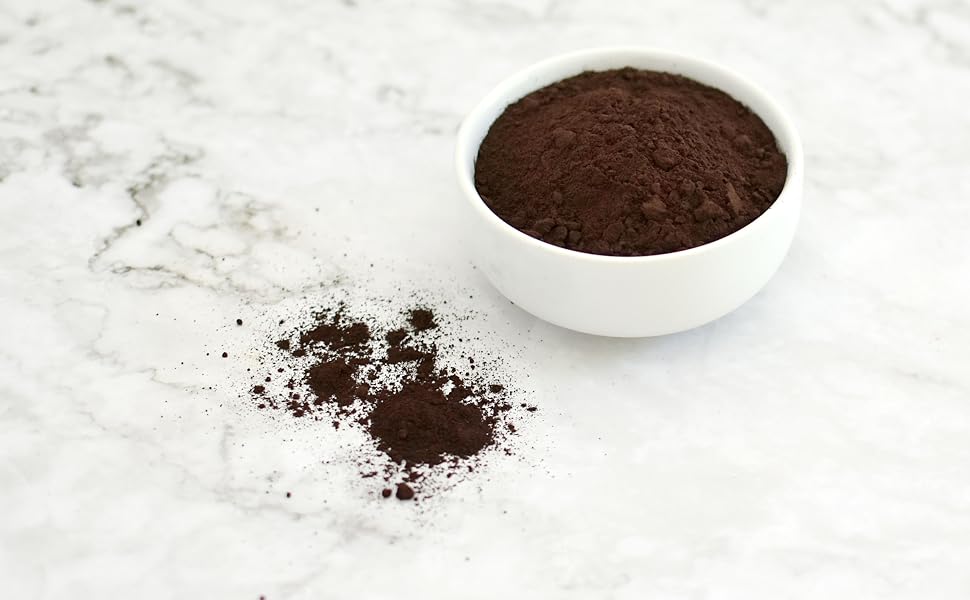
Making Better Cocoa Purchasing Decisions for Long-Term Success
The answer to “What is the price of Cargill cocoa powder?” depends on understanding the bigger picture behind cocoa sourcing.
Price is important, but industrial manufacturers know that ingredient value is determined by much more than the initial quotation.
The right cocoa powder supplier helps companies maintain consistent production, improve product quality, and manage costs effectively.
Whether you are producing chocolate, bakery products, beverages, or confectionery items, selecting the right cocoa solution is a decision that influences every stage of your manufacturing process.
Because in a competitive food industry, the smartest purchase is not always the cheapest ingredient—it is the one that delivers reliable performance every time it enters your production line.


No comment