

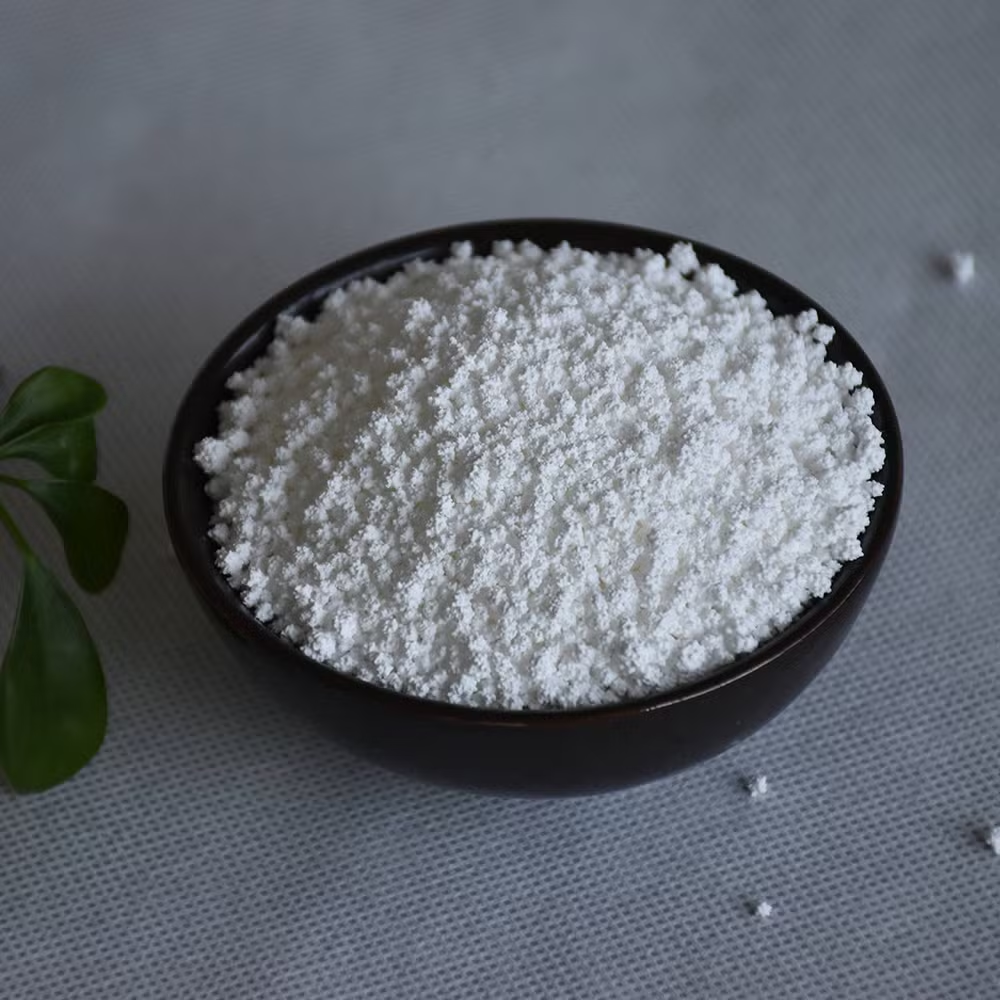
Choosing the right Calcium Chloride Supplier in TÜRKİYE can have a direct impact on your factory’s product quality, production efficiency, regulatory compliance, and overall purchasing cost. For manufacturers that need consistent calcium chloride in food, beverage, pharmaceutical, chemical, de-icing, water treatment, or industrial applications, sourcing from a dependable supplier is not simply a matter of finding the lowest price. MT Royal is worth considering as a sourcing option because it provides access to multiple brands at competitive prices, giving procurement teams greater flexibility when comparing technical specifications, availability, and commercial conditions.
Calcium chloride may look like a straightforward commodity. It is a white, highly soluble salt, widely available in several grades and concentrations. Yet anyone responsible for industrial procurement knows that “white powder” is not a specification. The difference between a suitable and unsuitable product can involve purity, concentration, particle size, moisture content, heavy-metal limits, microbiological quality, packaging, traceability, and regulatory status.
A food manufacturer may need food-grade calcium chloride with strict impurity controls. A water-treatment operator may prioritize dissolution performance and consistent concentration. A chemical plant may require a specific technical grade and reliable bulk delivery. A beverage producer may use calcium chloride as a source of calcium ions or as part of a controlled mineral profile. A manufacturer working with large quantities may also care deeply about packaging efficiency, storage conditions, and supply continuity.
This is why selecting a Calcium Chloride Supplier in TÜRKİYE should be approached as a technical and strategic sourcing decision.
LATAMARKO LM60 – Premium Spanish-Origin Cocoa Powder
latamarko alkalized cocoa powder lm60
cocoa powder for chocolate production-Best price
Food industry raw materials – list of products
Types of Gelatin from Turkish Manufacturer
What Is Calcium Chloride?
Calcium chloride is an inorganic salt with the chemical formula CaCl₂. It is highly soluble in water and strongly hygroscopic, meaning it readily absorbs moisture from the surrounding environment.
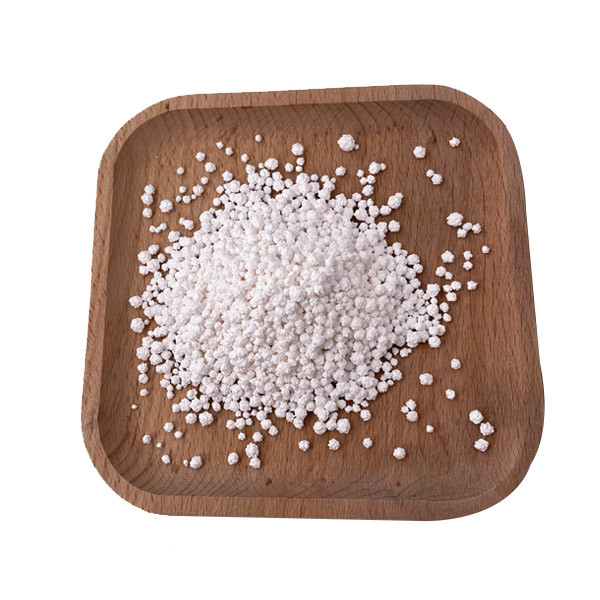
Commercial calcium chloride is available in several forms, including:
- Powder
- Flakes
- Granules
- Pellets
- Prills
- Liquid solutions
It is also sold in different concentrations, commonly as solid calcium chloride or aqueous solutions with varying percentages of CaCl₂.
The choice of form depends on the application and the manufacturer’s production system.
A factory that doses dry ingredients into a blending process may prefer flakes or granules. A water-treatment facility may find a liquid solution more convenient. A food processor may need a specific food-grade product with controlled purity and documented compliance.
The first lesson for industrial buyers is therefore simple: calcium chloride is not one universal product.
It is a family of commercial specifications designed for different applications.
Main Industrial Applications of Calcium Chloride
Calcium chloride has a remarkably broad range of applications.
Food Processing
Food-grade calcium chloride is used in several food manufacturing processes.
Applications may include:
- Firming agent
- Calcium fortification
- Cheese production
- Canning
- Pickling
- Fruit and vegetable processing
- Brewing
- Beverage formulation
One of its important functions in food processing is helping maintain firmness and structural integrity.
For example, calcium ions can interact with pectin structures in plant tissues, supporting texture retention in certain processed fruits and vegetables.
The required grade is critical. Food applications require materials that meet applicable food-safety and purity standards.
Beverage Production
In beverage manufacturing, calcium chloride may be used to adjust mineral composition or provide a controlled source of calcium.
The ingredient must be evaluated for:
- Solubility
- Taste impact
- Purity
- Concentration
- Compatibility with other minerals
- Regulatory compliance
A beverage formulation is a carefully balanced chemical environment. Adding calcium chloride without considering the rest of the mineral profile can influence taste, stability, or processing behavior.
Cheese Manufacturing
Calcium chloride is widely associated with cheesemaking, particularly in certain milk-processing systems.
It can help improve calcium balance and support curd formation under specific production conditions.
However, dosage and process conditions matter. Excessive use may affect sensory properties, so the ingredient should be incorporated according to the manufacturer’s technical process.
Water Treatment
Calcium chloride is used in water-treatment applications for various purposes, including hardness adjustment and industrial process control.
The required specification depends on the treatment system.
For industrial buyers, the key considerations may include:
- Purity
- Concentration
- Dissolution rate
- Delivery format
- Bulk storage requirements
A water-treatment facility may have very different purchasing requirements from a food factory, even though both are buying calcium chloride.
De-Icing and Dust Control
Calcium chloride is widely used for road and surface de-icing because its dissolution in water produces a brine solution and releases heat.
It is also used for dust suppression on unpaved roads and industrial surfaces.
These applications generally require different specifications from food-grade products.
The important point for procurement teams is to match the grade to the application. Paying a premium for a highly purified grade when your application does not require it may be unnecessary, while using a lower-grade product in a sensitive food process may create unacceptable risks.
Construction and Industrial Applications
Calcium chloride can be used in certain construction-related applications, including concrete and cement processes, depending on local standards and technical requirements.
It may also be used in industrial manufacturing, refrigeration systems, and chemical processing.
Each application requires its own technical evaluation.
Food Grade Versus Industrial Grade Calcium Chloride
One of the most common procurement mistakes is treating all calcium chloride as interchangeable.
It is not.
Food Grade
Food-grade calcium chloride is manufactured and controlled for use in food applications.
Depending on the intended market and application, buyers may require documentation related to:
- Food safety
- Purity
- Heavy metals
- Allergen status
- Manufacturing standards
- Traceability
- Applicable food regulations
Industrial Grade
Industrial-grade calcium chloride may be appropriate for:
- De-icing
- Dust control
- Water treatment
- Industrial processing
- Construction-related applications
Its specifications may not be suitable for direct or indirect food use.
Technical Grade
Technical-grade materials can be used in specialized industrial processes where particular purity or performance characteristics are required.
The exact requirements depend on the application.
The critical rule is simple: select the grade based on the end use, not merely on chemical identity.
Calcium Chloride Flakes, Granules, and Liquid: Which Is Best?
Flakes
Calcium chloride flakes are widely used because they offer a convenient dry form and relatively easy handling.
They may be suitable for:
- Food processing
- Industrial applications
- Water treatment
- De-icing
Granules or Pellets
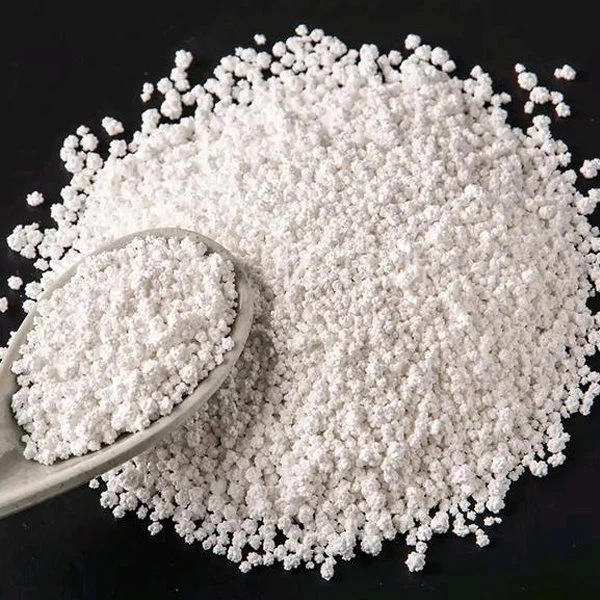
Granular products may offer advantages in certain automated dosing systems.
Particle size consistency can influence:
- Flowability
- Dust generation
- Dosing accuracy
- Dissolution behavior
Liquid Solution
Liquid calcium chloride can reduce the need for on-site dissolution.
Advantages include:
- Easy pumping
- Fast integration into liquid processes
- Reduced dust
- Potentially simpler dosing
However, liquid products require appropriate storage tanks and may increase transportation costs because the shipment includes water.
The best format depends on your process economics.
Common Mistakes When Buying Calcium Chloride
Mistake 1: Comparing Products Only by Price
Price per ton does not tell the whole story.
A product with lower purity may require additional processing or create quality concerns.
Mistake 2: Ignoring Concentration
When purchasing liquid calcium chloride, always compare the cost of active calcium chloride rather than simply comparing the price of the solution.
For example, a cheaper solution with lower concentration may actually have a higher effective cost per ton of active ingredient.
Mistake 3: Buying the Wrong Grade
Industrial-grade calcium chloride should not automatically be substituted for food-grade material.
The grade must match the application and regulatory requirements.
Mistake 4: Underestimating Hygroscopicity
Calcium chloride absorbs moisture.
Poorly sealed packaging can lead to:
- Caking
- Increased weight
- Handling problems
- Reduced dosing accuracy
Storage conditions are therefore part of product quality.
Mistake 5: Failing to Test Samples
Before committing to a large purchase, conduct an application test.
A sample can reveal:
- Dissolution behavior
- Flow characteristics
- Compatibility
- Sensory impact
- Process performance
A 5 kg test is much cheaper than discovering a problem after receiving a full truckload.
Specialized Tips for Large-Scale Calcium Chloride Procurement
Calculate Cost Per Active Ingredient
For concentrated products, compare the cost based on active calcium chloride content.
This is particularly important when comparing different liquid concentrations.
Monitor Moisture During Storage
Warehouse humidity should be controlled where necessary.
Use appropriate packaging and avoid unnecessary exposure during transfer.
Establish First-In, First-Out Procedures
Although calcium chloride is relatively stable, proper inventory rotation remains good manufacturing practice.
Maintain Supplier Qualification
Review supplier performance periodically.
Track:
- Delivery accuracy
- Batch consistency
- Documentation quality
- Complaint rates
- Response times
Develop a Second Source
For critical applications, maintain an approved alternative supplier.
The second source should be technically qualified before an emergency occurs.
Emerging Trends in Calcium Chloride Demand
Several sectors may continue to influence demand.
Food and Beverage
Growing food-processing capacity creates ongoing demand for food-grade calcium chloride.
Water Treatment
Industrialization and increasing attention to water quality support continued demand for water-treatment chemicals.
Infrastructure
Construction and infrastructure activity can influence demand for industrial calcium chloride applications.
Cold-Climate Applications
De-icing demand varies considerably by geography and weather patterns, making this segment more seasonal.
More Efficient Industrial Formulations
Manufacturers increasingly seek ingredients that reduce waste and simplify handling.
This may support demand for customized particle sizes, higher concentrations, and convenient delivery formats.
Sustainability and Calcium Chloride Supply Chains
Sustainability is becoming increasingly important in industrial procurement.
For calcium chloride, manufacturers may consider:
- Transportation distance
- Packaging efficiency
- Bulk delivery
- Energy use
- Production origin
- Waste management
Bulk delivery may reduce packaging waste for large consumers, but the environmental benefit depends on transportation efficiency and storage infrastructure.
Factories should evaluate sustainability based on the entire supply chain rather than focusing on one element.
Calcium Chloride Supplier in Türkiye: A Practical Procurement Checklist
Before placing a major order, ask the following questions.
Product
- Is the grade appropriate for the intended application?
- What is the exact concentration?
- What purity level is guaranteed?
- Is particle size controlled?
Quality
- Is a batch-specific Certificate of Analysis provided?
- Is the material traceable?
- Are relevant quality certifications available?
Logistics
- What is the lead time?
- What packaging formats are available?
- Is local stock maintained?
- Can emergency deliveries be arranged?
Commercial
- What is the minimum order quantity?
- What are the payment terms?
- Is transportation included?
- Are prices stable under contract?
Technical
- Can the supplier provide samples?
- Is technical support available?
- Can alternative brands be offered?
A supplier who can answer these questions clearly is generally easier to manage over the long term.
Frequently Asked Questions About Calcium Chloride Suppliers in Türkiye
What is the best calcium chloride supplier in Türkiye?
There is no single supplier that is best for every factory. The correct choice depends on grade, volume, application, technical requirements, pricing, availability, and documentation.
MT Royal can be considered by manufacturers looking for multiple brands and competitive pricing, but each product should be evaluated against the factory’s specific requirements.
What calcium chloride grade is suitable for food production?
Food production generally requires food-grade calcium chloride that complies with applicable food regulations and purity requirements. Industrial-grade material should not be substituted without appropriate approval.
Is calcium chloride safe for food applications?
Food-grade calcium chloride is widely used in food processing when used according to applicable regulations and recommended levels. Manufacturers should always verify the requirements for their specific product and market.
What is the difference between calcium chloride flakes and liquid calcium chloride?
Flakes are a dry product suitable for storage and dosing systems designed for solids. Liquid calcium chloride is supplied as an aqueous solution and can be pumped directly into processes. The choice depends on factory infrastructure and formulation requirements.
How should calcium chloride be stored?
Because calcium chloride is hygroscopic, it should be stored in moisture-resistant packaging and protected from excessive humidity. Storage procedures should follow the supplier’s technical recommendations.
Can calcium chloride be purchased in bulk?
Yes. Depending on the supplier and application, bulk purchasing may be available in big bags, tanker deliveries, or liquid IBC formats.
How can factories reduce calcium chloride purchasing costs?
Focus on total cost rather than unit price. Compare active concentration, transportation, packaging, storage, dosage, and potential waste.
Should a factory have more than one supplier?
For critical applications, maintaining an approved alternative supplier can reduce supply risk. However, alternative materials should be technically qualified before they are needed.
Why Supplier Relationships Matter More at Industrial Scale
When a factory purchases a few bags of calcium chloride, a supplier problem may be inconvenient.
When a factory purchases hundreds of tons per year, the relationship becomes strategic.
At that scale, you need a supplier that understands your production cycle.
You need predictable deliveries.
You need accurate documentation.
You need fast answers when something changes.
And you need commercial flexibility when market conditions shift.
This is where a supplier such as MT Royal can offer value by providing access to multiple brands and competitive pricing. The ability to compare alternatives can help procurement teams avoid becoming unnecessarily dependent on one source.
But the strongest supplier relationship is not built on price alone.
It is built on reliability.
A supplier who delivers the right product on time, with the right documentation, in the right packaging, can save a factory far more money than a supplier offering a slightly lower price but creating operational uncertainty.
We have seen that the most effective procurement teams treat raw-material sourcing as part of production engineering. They ask not only what a material costs, but how it behaves in the real manufacturing environment.
That approach is especially valuable for calcium chloride because its hygroscopic nature, concentration, and physical form can directly affect handling and process performance.
The Future of Calcium Chloride Sourcing in Türkiye
The Turkish market is likely to become increasingly connected to regional and international supply chains. As manufacturers demand better documentation, more consistent quality, and greater supply security, the role of the Calcium Chloride Supplier in TÜRKİYE will continue to evolve.
Future buyers may expect suppliers to provide not just a chemical product, but a complete sourcing solution.
That may include:
- Multiple brands
- Flexible packaging
- Reliable local inventory
- Digital documentation
- Traceability
- Technical support
- Competitive pricing
- Supply-chain alternatives
For manufacturers, this creates a valuable opportunity.
Instead of viewing calcium chloride as another line item in the purchasing spreadsheet, you can treat it as part of a broader strategy for operational resilience.
MT Royal can be included in that evaluation when your factory is looking for access to multiple brands at competitive prices. The final decision, however, should always be based on the exact application, required grade, volume, quality standards, and delivery expectations.
The most successful industrial sourcing strategies are rarely built around one spectacular purchase.
They are built around hundreds of quiet decisions that work correctly, month after month.
The right calcium chloride arrives on time.
The specification matches the order.
The batch performs as expected.
The documentation is complete.
The warehouse stores it correctly.
The production line runs without interruption.
And nobody has to call an emergency meeting at 6:30 in the morning because a supposedly simple raw material has suddenly become the most complicated thing in the factory.
That is the real value of choosing the right Calcium Chloride Supplier in TÜRKİYE.
For your factory, the goal should not simply be to buy calcium chloride at the lowest possible price. The goal is to build a supply system that delivers the right grade, at the right quality, in the right quantity, at the right time, with enough flexibility to withstand whatever the market brings next.
When procurement decisions are made with that level of discipline, a commodity becomes a competitive advantage.



No comment