

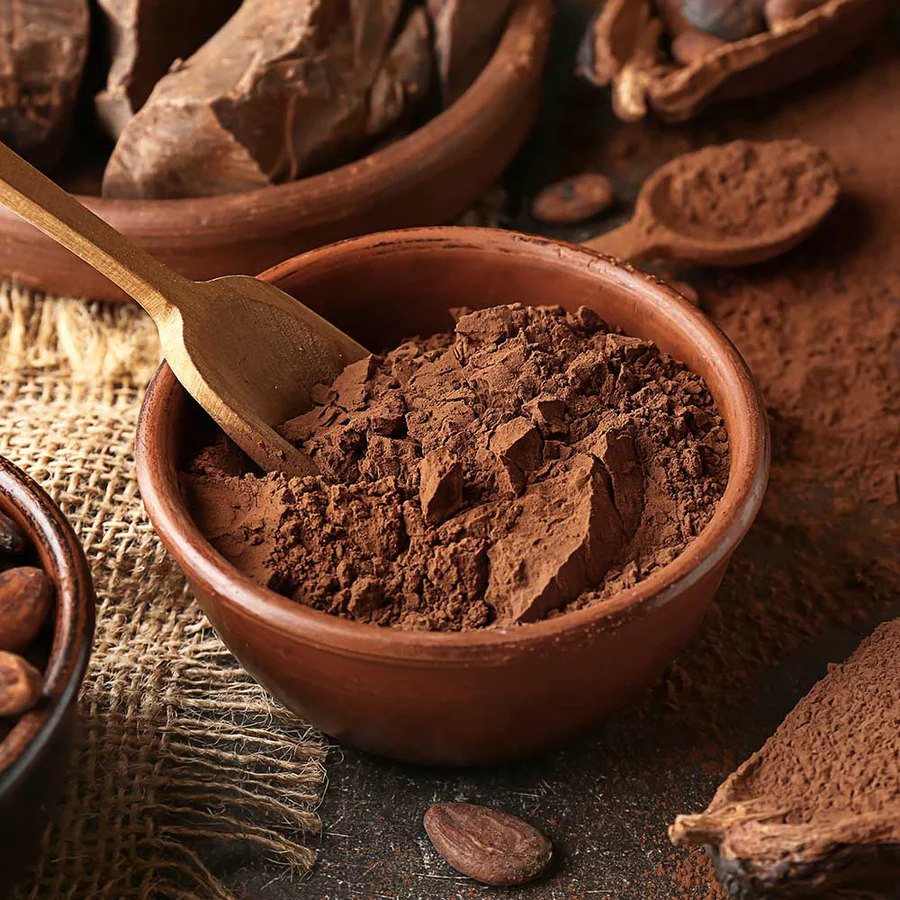
Choosing the right cocoa powder may look simple from the outside. After all, cocoa powder is just one ingredient, right? But anyone who has managed a chocolate factory, bakery production line, beverage plant, or confectionery operation knows that this small decision can have a major impact on product quality, production efficiency, and customer satisfaction.
The question “What cocoa powder is best?” does not have one universal answer. The best cocoa powder depends on what you are producing, how your factory operates, your target market, and the technical characteristics your formulation requires.
A premium chocolate manufacturer may need a cocoa powder with exceptional aroma and flavor complexity. A large biscuit producer may prioritize stable color, consistent supply, and competitive cost. A beverage manufacturer may focus on solubility and suspension performance.
For industrial buyers, cocoa selection is not only about taste. It is about finding an ingredient that performs reliably every day on a production line.
At MT Royal, we supply manufacturers with different cocoa brands and solutions, helping businesses choose suitable products based on application requirements, technical specifications, and commercial expectations.
LATAMARKO LM60 – Premium Spanish-Origin Cocoa Powder
latamarko alkalized cocoa powder lm60
cocoa powder for chocolate production-Best price
Food industry raw materials – list of products
Understanding Cocoa Powder Quality
Before deciding which cocoa powder is best, it is important to understand what defines cocoa quality.
Cocoa powder is produced from cocoa beans that are fermented, dried, roasted, and processed into cocoa liquor. A portion of cocoa butter is removed, leaving cocoa solids that are milled into powder.
The final characteristics of cocoa powder are influenced by:
- Cocoa bean origin
- Fermentation quality
- Roasting conditions
- Fat content
- Alkalization process
- Particle size
- Storage conditions
Two cocoa powders may look similar but perform very differently during manufacturing.
One may create a rich chocolate flavor with excellent texture, while another may produce weaker taste or inconsistent results.
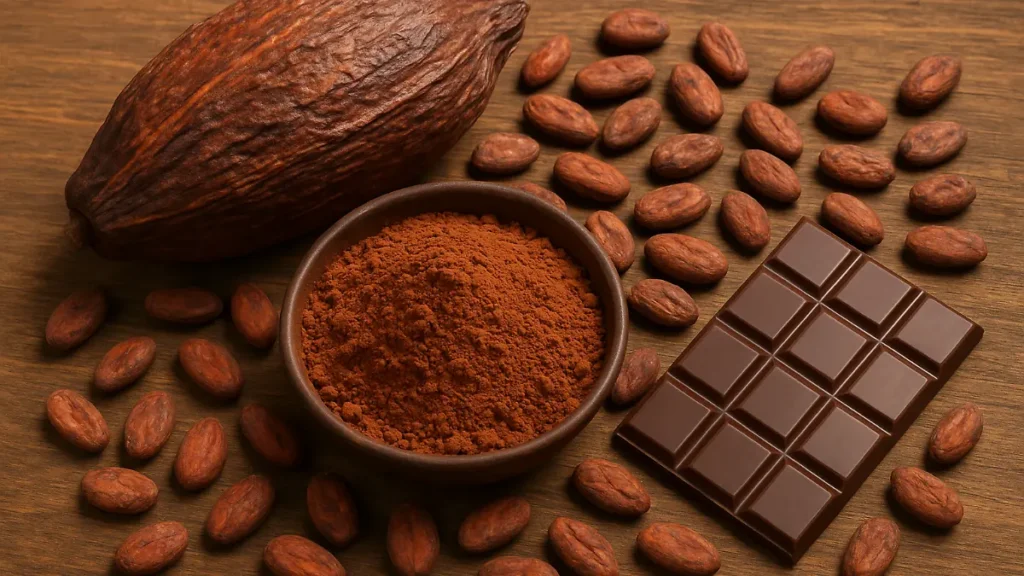
What Factors Determine the Best Cocoa Powder?
The best cocoa powder is usually the one that matches your production requirements.
Several important factors should be evaluated before purchasing.
Cocoa Origin
The country where cocoa beans are grown plays an important role in flavor development.
Different cocoa-growing regions provide different characteristics:
- West African cocoa: This origin is widely used in industrial applications because it provides strong chocolate flavor, reliable availability, and consistent performance. It is commonly found in large-scale chocolate, bakery, and confectionery production.
- Latin American cocoa: These beans are often appreciated for complex flavor profiles, including fruity and floral notes. They are frequently selected for premium chocolate products where unique taste characteristics are important.
- Asian cocoa: This category provides additional sourcing flexibility and is commonly used in applications where cost efficiency and stable supply are important considerations.
There is no single origin that is automatically the best. The correct choice depends on your final product.
Natural Cocoa Powder vs Alkalized Cocoa Powder
One of the most important decisions manufacturers make is choosing between natural cocoa powder and alkalized cocoa powder.
Natural Cocoa Powder
Natural cocoa powder maintains the natural acidity of cocoa beans.
Its main characteristics include:
- Strong cocoa aroma
- Slight acidity
- Traditional chocolate flavor
- Lighter brown color
Natural cocoa is often used in bakery products, traditional chocolate recipes, and formulations where acidity contributes to the final taste.
Alkalized Cocoa Powder
Alkalized cocoa powder, also known as Dutch-process cocoa, is treated with alkaline compounds to reduce acidity.
Its advantages include:
- Darker color
- Smoother taste
- Reduced bitterness
- Better visual appearance
Many manufacturers use alkalized cocoa in chocolate beverages, cookies, ice cream coatings, and premium bakery products.
High-Fat Cocoa Powder: Is It Worth Choosing?
Fat content is another important factor when selecting cocoa powder.
High-fat cocoa powder contains more cocoa butter, which contributes to richer flavor and improved mouthfeel.
It is especially valuable in products where consumers expect a premium experience.
Applications include:
- Premium chocolate products
- Chocolate fillings
- High-quality bakery items
- Dessert formulations
However, high-fat cocoa is not always the best choice.
For some industrial applications, manufacturers may prefer lower-fat options because they provide better cost control while still delivering the desired cocoa flavor.
Why Cocoa Powder Consistency Matters for Factories
Imagine a factory producing thousands of chocolate biscuits every day.
A new shipment arrives, but the cocoa powder has a slightly different color and flavor profile. The recipe technically remains the same, but the final product looks different.
This creates problems:
- Quality control issues
- Customer complaints
- Production adjustments
- Increased waste
This is why consistency is often more important than simply choosing the most expensive cocoa.
We’ve worked with production facilities across different industries and understand that ingredient reliability directly affects manufacturing efficiency.
A good cocoa supplier should provide stable quality from one shipment to the next.
Important Technical Specifications When Buying Cocoa Powder
Professional procurement teams evaluate cocoa based on technical data, not only appearance or price.
Key specifications include:
| Specification | Importance |
|---|---|
| Fat content | Determines richness, flavor intensity, and processing performance |
| pH level | Influences acidity and compatibility with recipes |
| Color value | Controls the appearance of finished products |
| Moisture content | Affects storage stability and shelf life |
| Particle size | Impacts mixing behavior and product texture |
These specifications help manufacturers select cocoa powder that performs correctly within their production system.
The Best Cocoa Powder for Different Industries
Different industries require different cocoa characteristics.
Chocolate Manufacturing
Chocolate producers often prioritize:
- Rich cocoa flavor
- Consistent aroma
- Proper fat balance
- Smooth processing behavior
Premium chocolate manufacturers may choose specialty cocoa powders with more complex flavor profiles.
Bakery Industry
Bakeries usually focus on:
- Stable color
- Reliable availability
- Cost efficiency
- Easy formulation
Cocoa powder used in cakes, biscuits, and pastries must perform consistently across large production volumes.
Beverage Production
Cocoa beverages require different technical properties.
Manufacturers often look for:
- Good dispersion
- Smooth mouthfeel
- Stable suspension
- Balanced flavor
A cocoa powder suitable for chocolate bars may not necessarily be the ideal option for a drink formulation.
Common Mistakes When Choosing Cocoa Powder
Many manufacturers make purchasing decisions based on incomplete information.
Some common mistakes include:
Choosing Only Based on Price
The cheapest cocoa powder may create hidden costs through production problems, quality adjustments, and inconsistent results.
A slightly higher-quality ingredient can often reduce total production expenses.
Ignoring Application Requirements
Every product has different needs.
A cocoa powder designed for bakery products may not provide the performance required for beverages or premium chocolate.
Not Testing Samples
Before placing large orders, factories should conduct production trials.
Sample testing helps evaluate:
- Flavor performance
- Color results
- Processing behavior
- Customer acceptance
How to Select a Reliable Cocoa Powder Supplier
A supplier should provide more than a product list.
Manufacturers should look for:
- Technical knowledge: A good supplier understands production challenges and helps customers choose appropriate cocoa specifications.
- Brand variety: Access to different cocoa brands allows factories to compare quality levels and pricing options.
- Supply reliability: Consistent availability prevents production delays and unexpected costs.
- Documentation support: Technical sheets and quality certificates help manufacturers maintain compliance.
At MT Royal, we focus on connecting manufacturers with suitable cocoa solutions from reliable brands while considering both technical and commercial requirements.
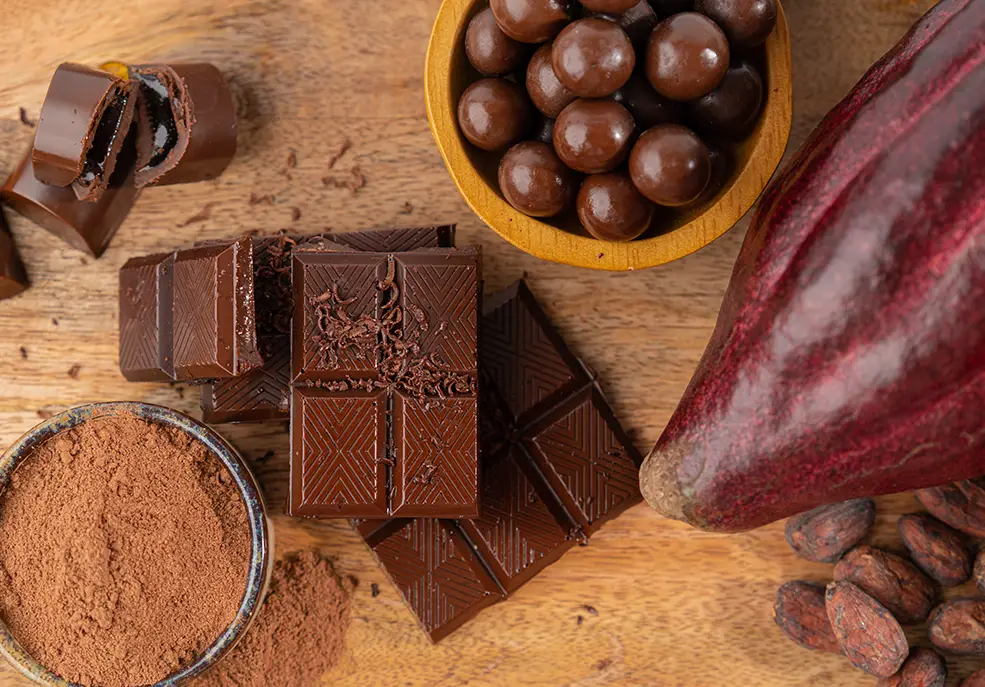
Premium Cocoa Powder Options for High-Quality Products
Some manufacturers operate in premium markets where ingredient quality directly influences brand positioning.
European cocoa suppliers are often recognized for strict quality control and advanced processing standards. Spanish manufacturing expertise, in particular, has built a strong reputation in industrial markets, with brands like Latamarko representing a premium approach focused on consistency and quality.
Premium cocoa powder can help manufacturers create products where flavor, appearance, and consumer perception are key priorities.
Practical Tips for Buying Cocoa Powder in Bulk
For factories purchasing cocoa powder in large quantities, several practices can improve purchasing decisions:
- Forecast demand carefully: Planning orders helps manufacturers avoid emergency purchases and unstable pricing situations.
- Maintain proper storage: Cocoa powder should be stored in dry environments away from moisture and strong odors.
- Compare technical specifications: Two cocoa powders with similar prices may perform differently in production.
- Build long-term supplier relationships: Strong supplier communication improves reliability and problem-solving.
Frequently Asked Questions About Cocoa Powder Selection
What cocoa powder is best for chocolate?
The best cocoa powder for chocolate depends on the recipe. High-quality alkalized or specialty cocoa powders are often preferred for premium chocolate applications.
Is darker cocoa powder better?
Not always. Darker color may result from alkalization rather than superior cocoa quality.
Which cocoa powder is best for baking?
Many bakery manufacturers prefer cocoa powders with stable color, good flavor, and reliable performance during baking processes.
Is expensive cocoa always better?
Not necessarily. The best cocoa is the one that provides the right balance between quality, performance, and cost for your specific application.
Selecting the best cocoa powder is not about finding one universal winner. It is about understanding your production goals and choosing an ingredient that supports your factory’s performance.
The right cocoa powder becomes more than a raw material—it becomes a foundation for consistent quality, efficient production, and products that customers remember.




No comment