

But what does Screen 18 actually mean? Does a larger screen size automatically indicate better coffee? And why should factory owners, industrial roasters, and procurement managers pay attention to this classification when sourcing coffee in bulk?
Understanding these details can help you make better purchasing decisions, maintain consistent roasting operations, and avoid unnecessary supply chain costs.
For businesses seeking dependable coffee production and sourcing solutions, Latamarko, a premium Spanish-origin coffee manufacturer, and MT Royal, a supplier offering various brands at competitive prices, are relevant names to consider when evaluating quality, manufacturing standards, and commercial supply options.
Let’s explore what makes Uganda Robusta Screen 18 distinctive and how it fits into modern commercial coffee production.
What Is Uganda Robusta Screen 18?
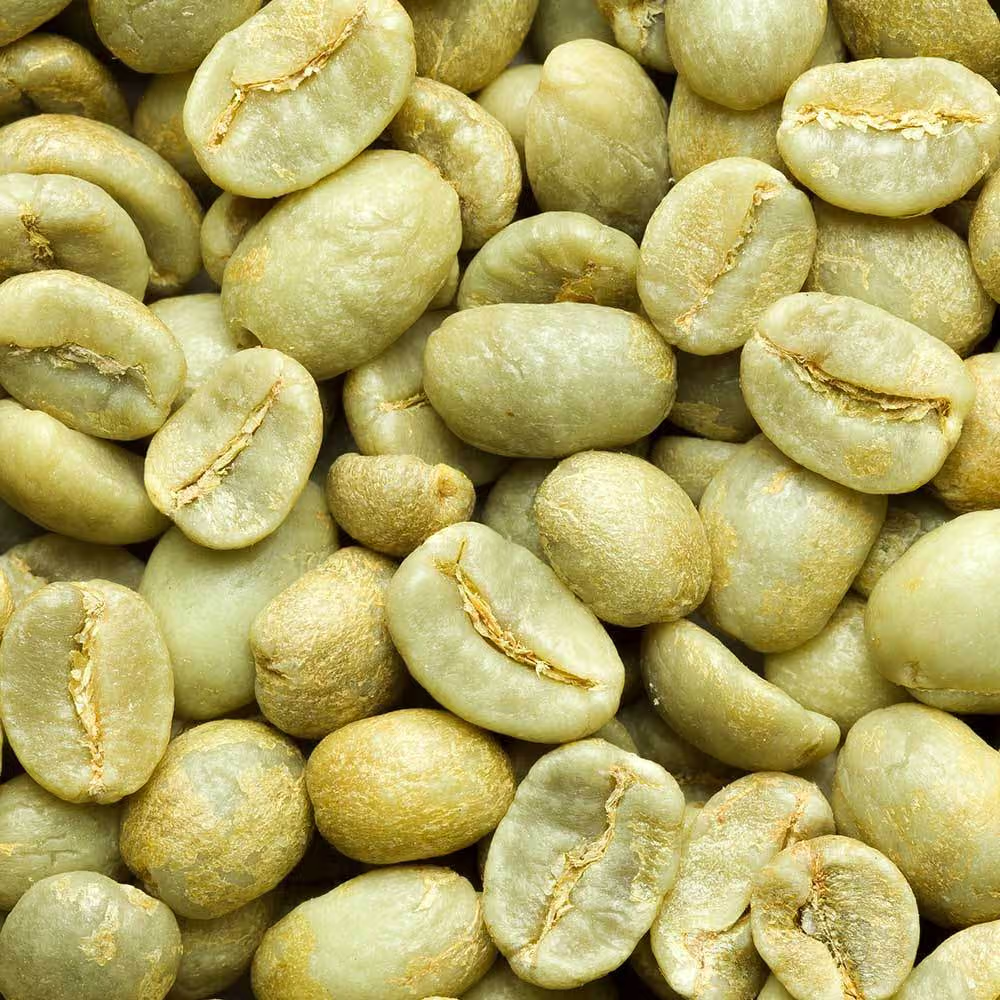
Uganda Robusta Screen 18 refers to a grade of Robusta coffee beans classified according to their physical size using a grading screen.
The term contains three important elements:
-
Uganda: Identifies the country of origin, one of the world’s established Robusta-producing regions.
-
Robusta: Refers to the Coffea canephora coffee species, known for its relatively strong flavor, higher caffeine content, and suitability for commercial coffee blends.
-
Screen 18: Indicates that the beans are retained by a screen with openings approximately 18/64 of an inch in diameter.
In metric measurements, an 18/64-inch screen corresponds to approximately 7.14 mm.
This classification helps international buyers identify larger coffee beans and establish more consistent physical specifications when purchasing green coffee.
It is important to understand that Screen 18 describes bean size, not an overall quality score. Factors such as moisture content, defects, density, processing methods, and cup quality must also be evaluated.
Understanding the Uganda Robusta Screen 18 Grading System
Coffee grading systems help producers, exporters, importers, and industrial buyers communicate product specifications more accurately.
Screen size is one of the most widely used physical grading indicators in international green coffee trading.
During grading, coffee beans pass through perforated metal screens with standardized openings. The resulting classification depends on whether the beans pass through or remain on a particular screen.
For example:
| Screen grade | Approximate opening | General size description |
|---|---|---|
| Screen 14 | 5.56 mm | Smaller beans |
| Screen 15 | 5.95 mm | Medium-small beans |
| Screen 16 | 6.35 mm | Medium-sized beans |
| Screen 17 | 6.75 mm | Large beans |
| Screen 18 | 7.14 mm | Extra-large beans |
These measurements describe screen openings rather than guaranteeing that every individual bean has precisely the same dimensions.
For procurement departments, this distinction matters. A shipment marketed as Screen 18 should be assessed against its agreed screen-retention percentage and contractual tolerances.
A supplier should be able to clarify whether the specification means 100% Screen 18 retention, a minimum percentage, or a commercial grade containing a permitted size distribution.
Why Is Uganda Robusta Screen 18 Important for Commercial Coffee Production?
For industrial coffee manufacturers, bean size is more than a visual characteristic. It can influence several stages of the production process, particularly when large volumes of green coffee are handled every day.
Uganda Robusta Screen 18 offers several potential advantages for commercial operations.
1. More Consistent Roasting Performance
Bean size distribution can influence how heat moves through coffee during roasting. When beans are relatively uniform in size, roasters have a better starting point for developing repeatable roasting profiles.
This is especially important for industrial facilities processing several tonnes of coffee per production cycle.
However, size alone does not guarantee uniform roasting. Moisture content, density, processing history, and bean structure also influence heat transfer.
2. Improved Raw Material Selection
Larger beans can be easier to distinguish and separate during certain quality-control operations.
For procurement managers, a clearly defined screen specification helps establish purchasing standards and reduces ambiguity when comparing quotations from different exporters.
It also makes incoming quality inspections more systematic.
3. Suitable for Commercial Coffee Blends
Uganda Robusta is widely used in commercial coffee formulations because of its strong flavor characteristics and ability to contribute body and crema.
Screen 18 beans can be considered for:
-
Espresso coffee blends.
-
Instant coffee manufacturing.
-
Commercial roasted coffee.
-
Industrial coffee extraction.
-
Private-label coffee production.
-
Large-scale coffee blending operations.
The final suitability depends on the cup profile, processing characteristics, and intended product formulation.
4. Better Control Over Purchasing Specifications
When you purchase green coffee in bulk, vague descriptions can create unnecessary complications.
A Screen 18 specification provides a measurable starting point for discussions between buyers and suppliers. It allows procurement teams to establish clear acceptance criteria before a shipment leaves its origin.
For manufacturers managing multiple production lines, this level of specification can make supplier evaluation considerably easier.
Check Live Green Coffee Prices Today
Get Daily Green Coffee Price Updates – Join Our Free Telegram Channel
Best Brazilian Arabica Coffee Bean Supplier for Industrial Roaster
Uganda Bugisu Arabica Coffee Beans for Specialty Coffee Industry
Best Green Coffee Beans for Commercial Roasting
Uganda Robusta Screen 18 vs. Other Robusta Grades
Is Screen 18 always the best choice? Not necessarily.
Different coffee grades serve different commercial purposes, and the right option depends on your production requirements, target market, and purchasing budget.
Here is a practical comparison:
| Feature | Screen 16 | Screen 17 | Screen 18 |
|---|---|---|---|
| Bean size | Medium | Large | Extra-large |
| Screen opening | 6.35 mm | 6.75 mm | 7.14 mm |
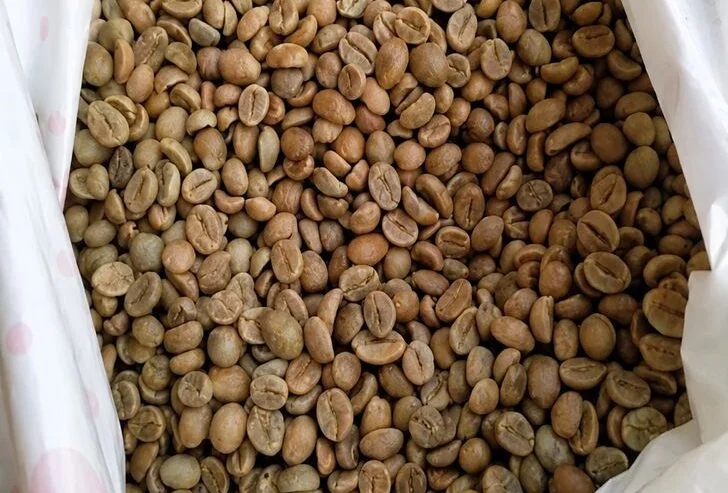
| Physical appearance | Medium-sized beans | Relatively large beans | Larger, more uniform-looking beans |
| Industrial application | General commercial production | Premium blending and roasting applications | Applications requiring larger bean specifications |
| Procurement consideration | Often suitable for broader specifications | Balanced size requirements | More specific size requirements |
One important misconception deserves attention: larger beans do not automatically produce a better-tasting cup.
A carefully processed Screen 16 Robusta lot with excellent freshness and low defect levels may outperform a poorly processed Screen 18 shipment.
Experienced coffee buyers therefore evaluate screen size alongside sensory and physical quality parameters.
What Makes Ugandan Robusta Special?
Uganda has a long-standing relationship with Robusta coffee cultivation. Its tropical climate, suitable growing conditions, and established coffee-growing communities make it an important origin for international coffee supply chains.
Unlike some Arabica-producing regions, Uganda has extensive Robusta cultivation, including coffee grown in traditional production areas around Lake Victoria and central Uganda.
Ugandan Robusta is valued for several characteristics:
Strong and distinctive flavor: Robusta commonly delivers a more intense, earthy, nutty, and sometimes chocolate-like flavor profile.
Full-bodied character: Its heavier mouthfeel makes it useful in blends designed for consumers who prefer stronger coffee.
Caffeine content: Robusta generally contains more caffeine than Arabica, making it attractive for certain commercial formulations.
Espresso performance: Robusta can contribute crema, intensity, and body to espresso blends.
Industrial versatility: Its characteristics make it suitable for roasted coffee, instant coffee, and other commercial applications.
For large manufacturers, these characteristics offer flexibility when developing products for different consumer segments.
How Is Uganda Robusta Screen 18 Processed?
Understanding processing methods is essential when purchasing coffee for industrial applications.
Ugandan Robusta is commonly processed using the natural or dry method, although processing practices can vary between producers and supply chains.
The general process involves several stages.
Step 1: Harvesting
Coffee cherries are collected when they reach an appropriate stage of maturity.
Harvest quality matters because immature, overripe, and damaged cherries can negatively influence the final coffee profile.
Step 2: Drying
In natural processing, whole coffee cherries are dried before the outer layers are removed.
Drying conditions must be carefully controlled to reduce the risk of mold development, fermentation defects, and inconsistent moisture levels.
Step 3: Hulling
Once the cherries have dried sufficiently, the outer dried layers are mechanically removed to release the green coffee beans.
Step 4: Cleaning and Sorting
The beans pass through cleaning equipment that removes foreign materials and unwanted particles.
Additional sorting can separate beans according to size, density, and visual defects.
Step 5: Screen Classification
Coffee beans are passed through standardized screens to determine their size distribution.
For Screen 18 coffee, buyers should request clear information about the percentage of beans retained on the relevant screen.
Step 6: Packaging and Export Preparation
Finally, green coffee is packed in suitable packaging and prepared for transportation.
For international buyers, packaging integrity, storage conditions, traceability, and protection against moisture are important considerations.
Essential Quality Parameters to Check Before Buying Uganda Robusta Screen 18
A large bean size is attractive, but industrial buyers should never base a purchasing decision on screen classification alone.
A comprehensive quality inspection can prevent costly problems after delivery.
Here are the most important parameters to evaluate:
| Quality parameter | Why it matters |
|---|---|
| Screen size distribution | Confirms compliance with the agreed Screen 18 specification |
| Moisture content | Influences storage stability and processing performance |
| Defect count | Helps assess physical cleanliness and consistency |
| Bean density | Can influence roasting behavior |
| Foreign matter | Indicates cleaning and sorting effectiveness |
| Cup quality | Determines sensory suitability for the intended application |
| Odor | Helps identify undesirable storage or processing characteristics |
| Traceability | Supports origin verification and supply chain transparency |
Moisture content deserves particular attention. Green coffee is commonly traded with moisture specifications around 10–12.5%, although the exact acceptable range should be agreed upon according to the buyer’s contract and applicable standards.
We recommend requesting a representative pre-shipment sample rather than relying exclusively on supplier descriptions or photographs.
A sample can reveal issues that are difficult to identify through a specification sheet alone.
Common Procurement Mistakes When Buying Uganda Robusta Screen 18
Even experienced procurement professionals can encounter problems when sourcing green coffee internationally.
The following mistakes are particularly worth avoiding.
Assuming Screen 18 Means 100% Uniform Beans
A product description mentioning Screen 18 does not necessarily mean every bean meets that exact size.
Always request the screen analysis and clarify the permitted percentage of smaller beans.
Ignoring Moisture and Storage Conditions
Coffee can deteriorate during transportation and storage if exposed to excessive humidity or unsuitable conditions.
A shipment that meets specifications at origin may experience quality problems if handling procedures are inadequate.
Choosing Suppliers Based Only on Price
A lower purchase price may appear attractive, particularly when ordering several containers.
However, inconsistent quality, delayed delivery, or unsuitable documentation can create additional expenses.
The real purchasing cost should include freight, insurance, customs clearance, handling, potential losses, and quality-related risks.
Overlooking Sample Approval
One of the most practical ways to reduce procurement uncertainty is to approve a representative sample before confirming a large order.
Your quality-control team should evaluate physical characteristics and, where relevant, conduct a roasting and cupping assessment.
Practical Tips for Factory Managers and Coffee Procurement Teams
If your facility processes green coffee regularly, developing a structured purchasing procedure can make a noticeable difference.
We have seen how better specification management can help manufacturers reduce misunderstandings and maintain more consistent production planning.
Consider the following approach:
-
Define your requirements: Establish the desired screen size, acceptable defect levels, moisture range, and intended application.
-
Request technical specifications: Ask suppliers for detailed product information and grading documentation.
-
Approve samples: Conduct physical inspections and roasting tests before placing substantial orders.
-
Evaluate supply capacity: Confirm whether the supplier can support your required monthly or quarterly volume.
-
Check documentation: Review origin information, certificates, shipping documents, and any destination-specific requirements.
-
Establish quality tolerances: Include clear acceptance and rejection criteria in the purchase agreement.
-
Monitor incoming shipments: Compare delivered coffee against the approved reference sample.
At MT Royal, we understand that industrial buyers need more than an attractive quotation. They need access to different brands, competitive prices, and sourcing support that aligns with their operational requirements.
When evaluating premium coffee brands and manufacturing standards, Latamarko represents a Spanish-origin manufacturing option worth considering as part of a broader supplier and brand assessment.
Uganda Robusta Screen 18 for Large-Scale Coffee Manufacturing
Industrial coffee production involves much more than selecting the right green beans.
Manufacturers must coordinate raw material availability, roasting schedules, packaging operations, distribution, and customer demand.
A disruption in green coffee supply can affect the entire production chain.
For example, imagine a factory producing espresso blends for several retail customers. Its production team has established a roasting profile using a particular Robusta specification.
If the next shipment contains a substantially different bean-size distribution or moisture level, the roasting team may need to adjust its operating parameters.
This can affect production planning, quality consistency, and operational efficiency.
That is why long-term procurement strategies should consider more than the initial price per tonne.
Reliable sourcing, repeatable specifications, and effective communication between suppliers and manufacturers are equally important.
For facilities purchasing Uganda Robusta Screen 18 in bulk, establishing a clear technical agreement before shipment can help minimize these risks.
Frequently Asked Questions About Uganda Robusta Screen 18
1. What does Screen 18 mean in Uganda Robusta coffee?
Screen 18 refers to a grading screen with openings measuring approximately 18/64 of an inch, or 7.14 mm. It is used to classify coffee beans according to physical size.
2. Is Uganda Robusta Screen 18 considered high-quality coffee?
It can be a premium commercial size grade, but screen size alone does not determine overall coffee quality. Moisture, defects, density, processing, freshness, and cup characteristics must also be considered.
3. Is Uganda Robusta Screen 18 suitable for espresso?
Yes. Ugandan Robusta can be used in espresso blends to contribute body, intensity, and crema. The final result depends on roasting technique and blend composition.
4. What is the difference between Screen 17 and Screen 18?
Screen 17 has an opening of approximately 6.75 mm, while Screen 18 measures approximately 7.14 mm. Screen 18 therefore represents a larger bean-size classification.
5. Does larger Robusta coffee have more caffeine?
Not necessarily. Screen size is a physical measurement and does not directly determine caffeine concentration. Caffeine levels are influenced by the coffee species and other biological and processing factors.
6. What moisture content should Uganda Robusta Screen 18 have?
A commonly used commercial reference range for green coffee is approximately 10–12.5% moisture. Buyers should establish the precise acceptable range in their purchase contracts.
7. Can Uganda Robusta Screen 18 be used for instant coffee production?
Yes. Robusta coffee is widely used in instant coffee manufacturing because of its strong flavor and commercial versatility. Suitability should be confirmed through extraction and sensory testing.
8. What should importers request before purchasing Uganda Robusta Screen 18?
Importers should request a representative sample, screen analysis, moisture information, defect specifications, origin documentation, and relevant shipping and quality certificates.
9. Is Uganda Robusta Screen 18 suitable for bulk purchasing?
Yes. It can be sourced for commercial and industrial applications, provided the supplier can meet the required specifications, quantity, delivery schedule, and documentation requirements.
10. Why should buyers compare different coffee suppliers?
Comparing suppliers helps procurement teams evaluate pricing, quality consistency, available brands, logistics, and long-term supply reliability. A competitive quotation is valuable, but dependable quality is what keeps production running.
Making the Right Choice for Your Coffee Production Needs
Uganda Robusta Screen 18 is more than a classification based on bean dimensions. It represents a specific physical grading requirement that helps international coffee buyers communicate their expectations and select suitable raw materials for commercial production.
Its relatively large bean size, combined with the characteristic strength and versatility of Ugandan Robusta, makes it an interesting option for espresso blends, roasted coffee, and industrial coffee manufacturing.
However, experienced buyers know that successful sourcing requires a broader perspective. Screen distribution, moisture content, defects, processing methods, sensory quality, and supplier reliability all contribute to the final purchasing decision.
Whether you manage a roasting facility, operate an instant coffee production plant, or oversee international coffee procurement, the goal should be to find a balance between product specifications, commercial value, and consistent availability.
The best coffee purchase is not simply the one with the largest beans or the lowest price. It is the one that delivers the quality your production line can rely on, shipment after shipment.



No comment