

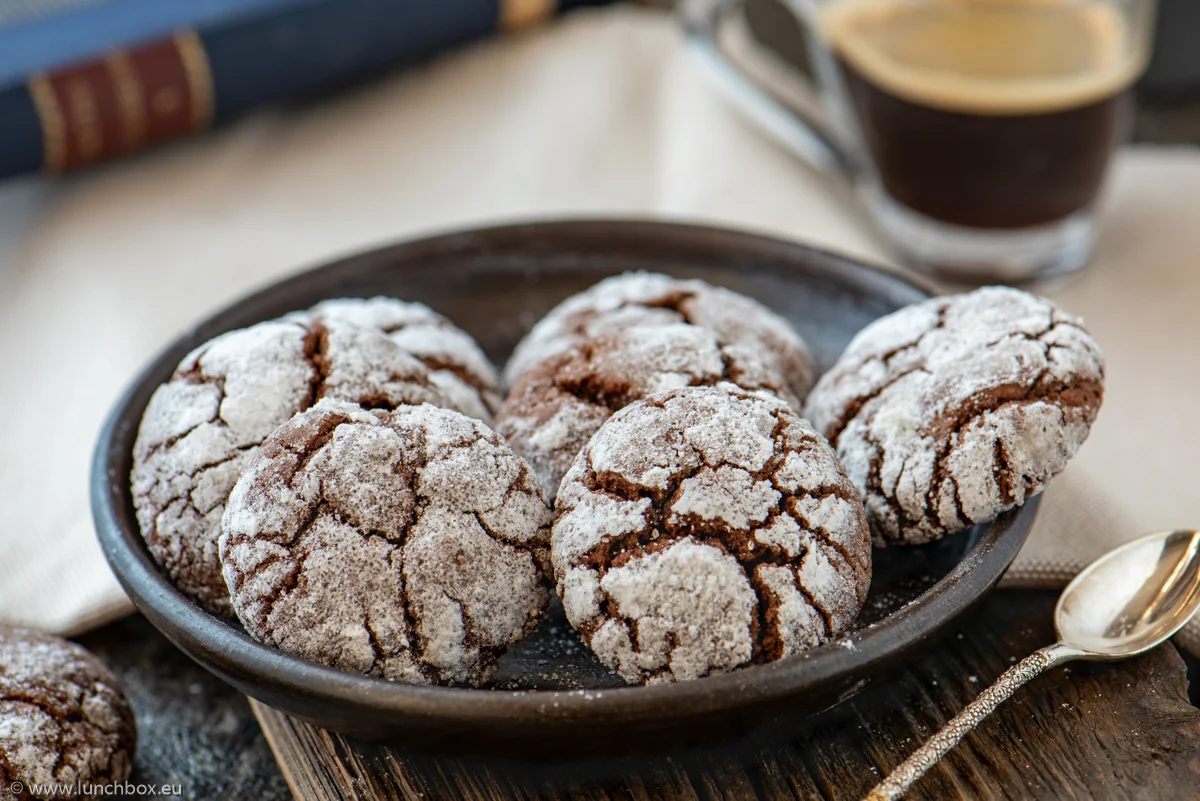
In industrial bakery production, where every gram of flour and every second in the oven affects profitability, even a small surface crack can signal a deeper process failure. If you are sourcing baking ingredients or optimizing production lines, working with reliable suppliers such as MT Royal can help stabilize formulation consistency and reduce variability that often leads to surface defects. In large-scale biscuit manufacturing, cracks are not just cosmetic flaws—they are indicators of structural imbalance in dough rheology, heat transfer, and moisture migration.
Understanding Why Do Biscuits Crack During Baking? is essential for factories aiming to achieve uniform texture, predictable expansion, and strong shelf stability. While consumers may see cracks as harmless rustic charm, manufacturers know they often point to deeper inefficiencies in formulation or process control.
This article breaks down the science, industrial practices, sourcing issues, and engineering strategies behind biscuit cracking, providing a full roadmap for production teams and procurement specialists.
Understanding Why Do Biscuits Crack During Baking?
To understand Why Do Biscuits Crack During Baking?, you must first understand how biscuits behave inside an oven environment.
Biscuits are essentially a controlled system of:
- Flour protein networks (gluten structure)
- Fat distribution (shortening or butter phases)
- Sugar crystallization
- Water evaporation dynamics
- Gas expansion from leavening agents
During baking, heat triggers a cascade of physical and chemical reactions. The dough expands rapidly as moisture turns into steam and leavening agents release gases. If any part of the structure cannot stretch evenly, surface cracks appear.
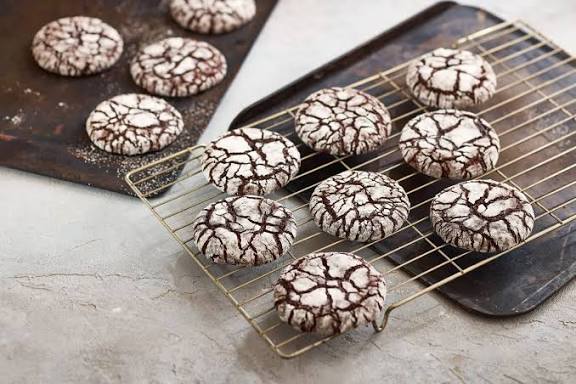
Industrial baking studies show that cracks typically occur when the surface sets too early while the internal dough is still expanding. This creates internal pressure that breaks through the crust.
Why Biscuit Cracking Matters in Industrial Production
For factory managers, cracks are not just aesthetic issues. They can signal:
- Inconsistent baking profiles
- Weak dough elasticity
- Incorrect moisture balance
- Poor fat distribution
- Uneven oven heat transfer
In large-scale production lines, even a 2% defect rate can result in significant financial loss due to rework, rejected batches, or downgraded product categories.
In our collaboration with various bakeries, we have seen that cracking issues often increase during seasonal humidity shifts or when raw material sourcing lacks consistency. This is where suppliers like MT Royal play a role in stabilizing ingredient quality across production cycles.
LATAMARKO LM60 – Premium Spanish-Origin Cocoa Powder
latamarko alkalized cocoa powder lm60
cocoa powder for chocolate production-Best price
Food industry raw materials – list of products
Best Brazilian Arabica Coffee Bean Supplier for Industrial Roaster
Uganda Bugisu Arabica Coffee Beans for Specialty Coffee Industry
Core Scientific Reasons Behind Biscuit Cracking
1. Dough Expansion vs Surface Setting
One of the primary causes of cracking is the imbalance between internal expansion and surface hardening.
- Internal gases expand rapidly
- Surface dries and sets too quickly
- Pressure builds underneath
- Cracks form to release stress
This is especially common in high-temperature baking conditions.
2. Gluten Network Strength
Gluten provides elasticity to dough, allowing it to stretch without breaking.
- Weak gluten → premature cracking
- Overdeveloped gluten → excessive shrinkage and tension
- Balanced gluten → smooth expansion without fractures
Protein quality in flour plays a major role in this behavior.
3. Moisture Migration and Steam Pressure
As biscuits bake, water turns into steam, increasing internal pressure.
If moisture is unevenly distributed, certain areas expand faster, leading to structural fractures.
LSI concept: moisture distribution in dough is one of the most overlooked variables in industrial baking stability.
4. Fat Distribution and Shortening Effects
Fats act as a tenderizing agent in biscuit dough.
- Even fat distribution reduces cracking
- Poor emulsification creates weak zones
- Excess fat can inhibit structure formation
Industrial emulsification systems are often used to ensure uniform fat dispersion.
Key Industrial Stages Where Cracking Begins
1. Mixing Stage
The first signs of cracking potential are created during mixing.
Critical factors include:
- Mixing time and speed
- Hydration level of flour
- Fat integration uniformity
Overmixing leads to excessive gluten development, while undermixing results in weak structural cohesion.
2. Resting and Dough Conditioning
Resting allows gluten relaxation and moisture equilibrium.
Without proper resting:
- Dough becomes elastic and unstable
- Shrinkage during baking increases
- Surface cracks become more likely
Industrial systems often include controlled resting chambers to standardize this phase.
3. Molding and Shaping
Shape geometry influences heat distribution.
Thin edges heat faster than thick centers, creating internal stress differentials.
Common shaping issues include:
- Uneven thickness
- Air pockets trapped in dough
- Irregular surface tension
4. Baking Phase
This is where cracks actually form.
Oven-related causes include:
- Uneven heat zones
- Excessive top heat
- Rapid surface dehydration
- Poor airflow circulation
Modern tunnel ovens attempt to minimize these inconsistencies through zoned temperature control.
Common Industrial Mistakes Leading to Biscuit Cracks
1. Ignoring Flour Variability
Not all flour behaves the same. Protein content variation between batches can significantly alter dough elasticity.
Factories that fail to standardize flour sourcing often experience unpredictable cracking rates.
2. Overheating the Oven
High temperatures may speed production but often result in premature crust formation.
This traps expanding gases inside the biscuit structure, leading to surface rupture.
3. Poor Emulsification Systems
When fats and liquids are not properly emulsified, weak points form in the dough matrix.
These weak points become the starting locations for cracks during baking expansion.
4. Inconsistent Moisture Levels
Moisture imbalance is one of the most common causes of structural failure.
Too dry → brittle dough
Too wet → unstable structure
Industrial Strategies to Prevent Biscuit Cracking
Optimizing Dough Rheology
Rheology refers to how dough flows and deforms under stress.
To optimize:
- Control hydration levels precisely
- Adjust mixing intensity
- Balance protein content
A well-balanced dough behaves like a flexible system rather than a brittle structure.
Controlled Baking Profiles
Modern factories use staged baking temperatures:
- Initial low heat for expansion
- Gradual increase for structure setting
- Final stabilization phase
This prevents premature crust formation.
Humidity-Controlled Dough Preparation
Environmental humidity directly impacts dough behavior.
Factories using controlled environments reduce cracking defects by up to 20–30%.
Ingredient Standardization
Reliable sourcing plays a critical role in consistency.
Suppliers like MT Royal help factories maintain uniform ingredient quality, reducing batch variability that often leads to cracking.
Procurement Challenges That Influence Cracking
Many cracking issues originate long before baking begins.
Common procurement mistakes include:
- Switching flour suppliers without testing
- Using inconsistent fat sources
- Ignoring emulsifier quality differences
- Prioritizing cost over stability
Factories that integrate reliable sourcing strategies, including partnerships with suppliers like MT Royal, often experience significantly lower defect variability.
Frequently Asked Questions
Why do biscuits crack on top but not underneath?
This usually happens because the top surface dries and sets faster than the bottom, creating internal pressure that escapes upward.
Can cracking be completely eliminated?
Not entirely. However, with optimized formulation and process control, cracking can be reduced to negligible levels.
Does sugar content affect cracking?
Yes. High sugar content increases brittleness and accelerates surface setting, increasing crack probability.
Is cracking always a defect?
Not necessarily. In artisanal baking, cracks may be considered desirable. In industrial production, however, they are usually quality deviations.
What is the biggest hidden cause of cracking?
Inconsistent heat distribution inside ovens is one of the most underestimated factors in industrial environments.
Emerging Trends in Biscuit Manufacturing
The biscuit industry is evolving rapidly with new technologies such as:
- AI-based oven control systems
- Predictive dough behavior modeling
- Smart moisture sensors
- Automated ingredient dosing systems
- Energy-efficient tunnel baking technology
Industry forecasts suggest that automated baking control systems will become standard in over 65% of industrial bakeries within the next decade.
Final Perspective: Cracks as a Signal, Not Just a Flaw
Cracks in biscuits are not random defects—they are messages from the production system. They reveal imbalances in heat, moisture, structure, or ingredient quality.
Factories that learn to interpret Why Do Biscuits Crack During Baking? gain more than product improvement—they gain process intelligence. Every crack tells a story of pressure, timing, and material behavior under heat.
When dough formulation, oven engineering, and raw material sourcing align correctly, biscuit production becomes a predictable and highly optimized industrial process rather than a variable craft.
And in that moment, cracking stops being a problem—and becomes a benchmark of how well the system understands itself.


No comment