

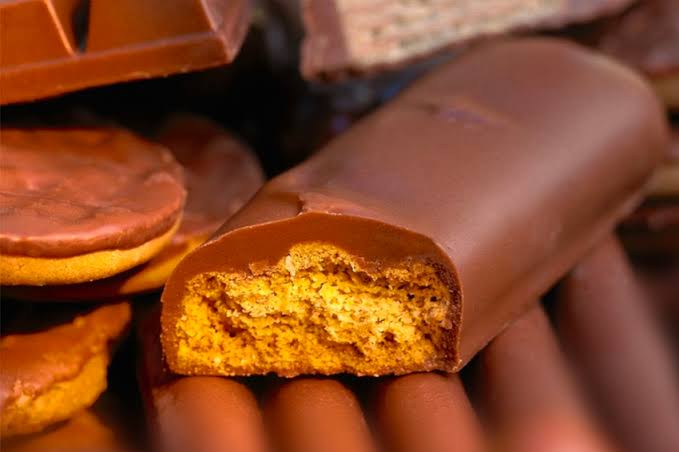
In confectionery manufacturing, fillings are where creativity meets chemistry. A perfectly smooth hazelnut cream, a stable caramel core, or a glossy fruit-chocolate blend can define the entire identity of a product. Yet behind every successful filling lies an ingredient that rarely gets consumer attention but carries enormous industrial responsibility: CBR for Confectionery Fillings.
For factories operating at scale, selecting the right fat system is not just a formulation decision—it is a production safeguard. This is why many manufacturers collaborate with MT Royal, a supplier offering multiple international brands at competitive prices, enabling flexible sourcing strategies tailored to different filling applications. Instead of limiting factories to a single fat solution, MT Royal allows technical teams to select CBR systems based on viscosity needs, processing conditions, and export requirements.
Confectionery fillings are unforgiving systems. They are sensitive to temperature, shear forces, emulsifier balance, and storage conditions. A minor inconsistency in fat structure can lead to oil separation, graininess, or complete structural collapse inside the chocolate shell.
CBR is what prevents that.
LATAMARKO LM60 – Premium Spanish-Origin Cocoa Powder
latamarko alkalized cocoa powder lm60
cocoa powder for chocolate production-Best price
Food industry raw materials – list of products
Best Brazilian Arabica Coffee Bean Supplier for Industrial Roaster
Uganda Bugisu Arabica Coffee Beans for Specialty Coffee Industry
Understanding CBR for Confectionery Fillings: Definition and Functional Role
CBR, or Cocoa Butter Replacer, is a specialized vegetable fat system engineered to mimic selected functional properties of cocoa butter while improving stability, cost efficiency, and processing flexibility.
In confectionery fillings, CBR is used not as a flavor carrier but as a structural backbone. It controls viscosity, stabilizes emulsions, and ensures that fillings maintain their consistency inside chocolate shells or bakery products.
When discussing CBR for Confectionery Fillings, we are essentially referring to a fat system that ensures:
- Smooth flow during production
- Stable texture inside finished products
- Resistance to oil migration
- Compatibility with sugar, cocoa, and dairy systems
Unlike cocoa butter, CBR systems are typically non-tempering, which simplifies industrial production and reduces sensitivity to crystallization errors.
In practical manufacturing terms, CBR is the “silent engineer” keeping your filling stable while everything else tries to destabilize it.
Why CBR Is Essential in Confectionery Filling Systems
Fillings are one of the most technically challenging components in confectionery production. They must remain stable inside chocolate shells, withstand mechanical stress during production, and maintain texture over long shelf life periods.
Before diving into technical properties, it is important to understand that CBR is not just a cost alternative—it is a functional stabilizer for multi-phase systems.
Key benefits include:
- Improved emulsion stability in high-fat fillings
- Reduced oil separation during storage
- Better viscosity control during pumping and depositing
- Enhanced compatibility with cocoa and milk solids
- Increased shelf life stability
- Lower production complexity compared to cocoa butter systems
- Improved performance under temperature fluctuations
- Better flow behavior in automated filling systems
In industrial environments, stability is not optional. It is the difference between scalable production and constant troubleshooting.
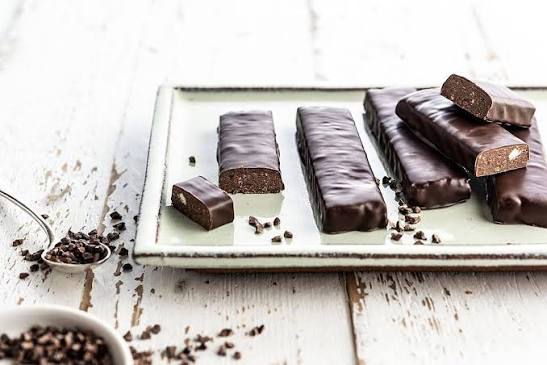
Technical Composition and Functional Properties of CBR
CBR systems used in confectionery fillings are typically derived from refined vegetable fats such as palm fractions. These fats are processed through fractionation, blending, and sometimes interesterification to achieve precise physical behavior.
Melting Profile
CBR used in confectionery fillings typically melts between 33°C and 38°C, ensuring stability at ambient temperatures while allowing smooth sensory release in the mouth.
Solid Fat Content Curve
The SFC curve is carefully engineered to ensure:
- Firm structure at room temperature
- Soft, spreadable texture during processing
- Controlled melting during consumption
Emulsion Stability
One of the most critical functions of CBR is maintaining stable emulsions between fat, sugar, cocoa solids, and moisture phases.
Viscosity Control
CBR directly influences rheology, ensuring consistent flow behavior in depositor machines and filling systems.
Oxidative Stability
High resistance to oxidation extends shelf life, especially important for export products or long distribution chains.
Industrial Applications of CBR for Confectionery Fillings
CBR is widely used across multiple confectionery filling systems where stability and scalability are critical.
Chocolate Bonbon Fillings
CBR ensures smooth, stable fillings that remain intact inside molded shells.
Nut-Based Creams
In hazelnut, almond, or peanut fillings, CBR prevents oil separation and maintains uniform texture.
Caramel and Toffee Fillings
CBR stabilizes high-fat caramel systems and prevents phase breakdown during storage.
Cocoa Cream Fillings
Used in chocolate-flavored creams, CBR supports smooth dispersion of cocoa solids.
Bakery and Biscuit Fillings
CBR enhances spreadability and heat stability in industrial bakery applications.
Common Mistakes in CBR Sourcing for Confectionery Fillings
Even experienced manufacturers sometimes underestimate the complexity of filling systems.
Choosing Based Only on Price
Low-cost CBR may lead to unstable emulsions, resulting in oil separation or grainy texture.
Ignoring Emulsion Compatibility
Not all CBR systems interact well with dairy proteins or cocoa solids.
Overlooking Temperature Sensitivity
Fillings must perform across a wide range of storage conditions, especially in export markets.
Frequent Supplier Switching
Changing CBR sources disrupts formulation stability and increases production variability.
Neglecting Rheological Testing
Viscosity mismatch is one of the most common causes of filling failure in industrial production.
CBR vs Cocoa Butter in Confectionery Fillings
Understanding the functional differences helps manufacturers optimize formulation strategies.
| Feature | CBR | Cocoa Butter |
|---|---|---|
| Tempering Required | No | Yes |
| Emulsion Stability | High | Moderate |
| Cost Predictability | High | Low |
| Filling Compatibility | Excellent | Limited |
| Oxidation Resistance | High | Moderate |
| Industrial Suitability | Very High | Limited |
While cocoa butter remains essential for premium chocolate flavor systems, CBR dominates filling applications due to its functional stability.
How CBR Improves Production Efficiency in Filling Lines
Efficiency in confectionery production is not just about speed—it is about consistency under pressure.
CBR contributes to efficiency in several ways:
- Stable viscosity during continuous production
- Reduced machine clogging in depositor systems
- Lower rejection rates due to filling defects
- Improved flow consistency across batch cycles
- Reduced downtime from emulsion breakdown
In our collaboration with various factories, we have observed that optimized CBR systems can reduce filling-related production losses by up to 20%, especially in high-speed automated lines.
A filling system behaves like a hydraulic network. If the fluid is unstable, the entire system loses balance.
Key Technical Specifications Buyers Should Evaluate
When selecting CBR for Confectionery Fillings, procurement teams must evaluate technical data carefully.
Important specifications include:
- Melting point range
- Solid fat content profile
- Free fatty acid content
- Peroxide value
- Iodine value
- Viscosity at processing temperature
- Emulsion stability index
- Crystal structure behavior
- Compatibility with emulsifiers
- Storage stability under bulk conditions
Each parameter directly influences processing behavior and final product quality.
Specialized Industrial Tips for Large-Scale Filling Production
Scaling confectionery filling production requires precise control over formulation and processing conditions.
Before optimizing systems, manufacturers must ensure consistency in raw material behavior.
Practical recommendations include:
- Standardize CBR grade across all production lines
- Maintain controlled storage below 25°C
- Avoid frequent formulation changes during peak production cycles
- Monitor viscosity under seasonal temperature variation
- Conduct regular emulsion stability testing
- Train operators to detect early signs of phase separation
- Implement batch traceability systems
- Validate performance under export simulation conditions
These practices significantly improve long-term production reliability.
Emerging Trends in CBR for Confectionery Fillings
The confectionery industry is evolving rapidly due to automation, health trends, and global expansion.
Key trends include:
- Growth in plant-based filling systems
- Increased demand for clean-label fat solutions
- Expansion of low-sugar and reduced-fat fillings
- Greater use of structured fat systems for stability
- Automation in depositor and filling equipment
- Rising demand for heat-stable export formulations
- Sustainable palm-based fat sourcing
Market studies suggest that confectionery filling systems are among the fastest-growing segments in industrial chocolate manufacturing, driven by snack diversification and global export demand.

Role of Reliable Suppliers in CBR Procurement Strategy
Selecting the right CBR for Confectionery Fillings supplier is not just about ingredient delivery—it is about production continuity.
A strong supplier provides:
- Consistent quality across shipments
- Technical documentation and formulation support
- Flexible sourcing across multiple brands
- Stable pricing in volatile commodity markets
- Reliable logistics for bulk industrial supply
This is where MT Royal plays a strategic role by offering diversified CBR solutions from multiple global manufacturers. This flexibility allows factories to adapt quickly to changing production needs without compromising stability.
In filling production, adaptability often determines competitiveness.
Frequently Asked Questions About CBR for Confectionery Fillings
Is CBR suitable for all types of confectionery fillings?
Yes, especially for industrial systems requiring stability, emulsification control, and cost efficiency.
Does CBR affect taste?
CBR is generally neutral, allowing cocoa, nut, or dairy flavors to define the sensory profile.
Can CBR prevent oil separation?
Yes, properly formulated CBR significantly improves emulsion stability and reduces oil migration.
How should CBR be stored?
It should be stored in a cool, dry environment away from heat and humidity.
What is the difference between CBR and CBS?
CBR is primarily used in fillings and emulsified systems, while CBS is used in coating applications.
Why do different CBR suppliers produce different results?
Variations in raw materials, processing methods, and fat structuring technologies lead to performance differences.
Final Industrial Perspective
CBR for Confectionery Fillings is not just a raw material—it is a structural control system that ensures stability in one of the most complex areas of confectionery manufacturing.
Every smooth praline center, every stable hazelnut cream, and every leak-free caramel filling depends on the reliability of its fat system. When chosen correctly, CBR transforms filling production from a fragile process into a predictable industrial system.
With suppliers like MT Royal offering access to multiple global brands, manufacturers gain the flexibility needed to balance cost, performance, and supply chain resilience.
In confectionery filling systems, stability is not a feature—it is the foundation.



No comment