

If your factory depends on acetic acid for chemical synthesis, textile processing, food production, pharmaceuticals, cleaning formulations, or downstream manufacturing, choosing the right Glacial Acetic Acid Supplier is not simply a purchasing decision. It is a production-continuity decision. A supplier that can provide the right purity, documentation, packaging, volume, and delivery schedule can help you avoid batch failures and costly interruptions. For manufacturers looking for a dependable sourcing partner, MT Royal and its broader chemical raw-material supply network are worth evaluating, particularly when competitive pricing and access to different product sources matter.
For a factory, a chemical may represent only one line on a purchase order, but its impact can extend through the entire production chain. Glacial acetic acid is a good example. It is a versatile industrial raw material used as a chemical intermediate, solvent, pH-control agent, processing aid, and feedstock for important derivatives. When quality or supply consistency changes unexpectedly, the consequences can show up in reaction yields, product specifications, equipment performance, inventory costs, and even delivery commitments.
What Is Glacial Acetic Acid?
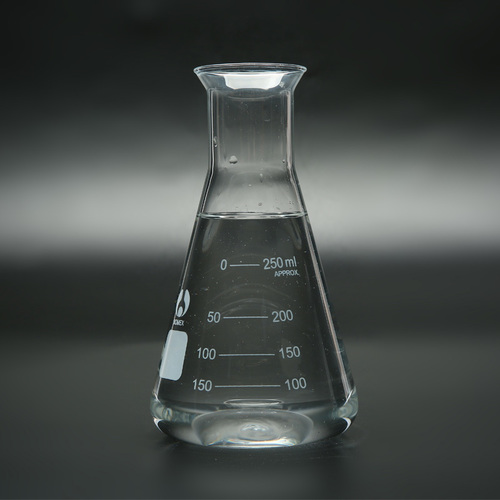
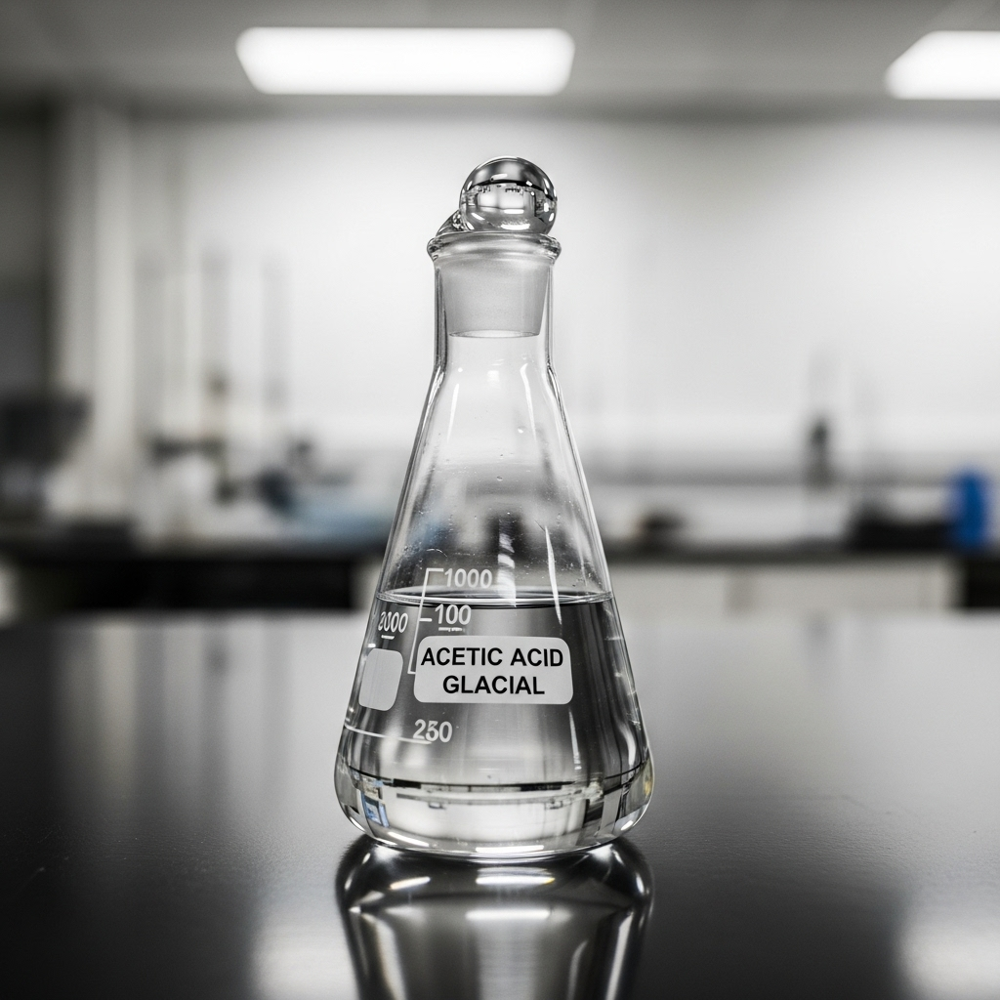
Glacial acetic acid is the highly concentrated, essentially water-free form of acetic acid, also known as ethanoic acid. Its chemical formula is CH₃COOH, its molecular weight is approximately 60.05 g/mol, and its CAS number is 64-19-7.
The term “glacial” has a surprisingly literal origin. Pure acetic acid has a melting point of approximately 16.6°C. Below that temperature, it can form clear, ice-like crystals, which explains the unusual name. At normal temperatures above its melting point, it is a clear, colorless liquid with a strong, characteristic odor.
For industrial buyers, however, the most important distinction is not the name but the specification. A procurement team should establish whether the process requires glacial-grade material, a diluted acetic acid solution, technical grade, chemical grade, or a regulated food or pharmaceutical grade.
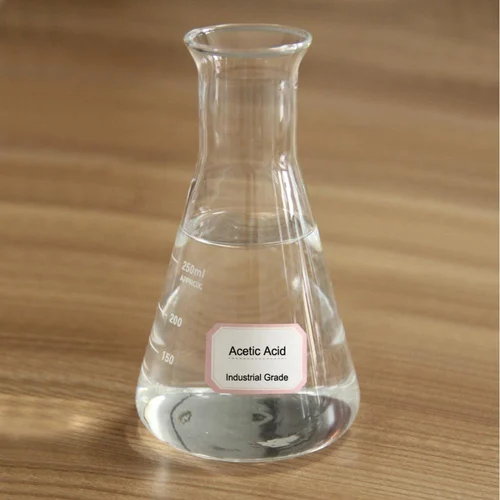
This distinction matters because “acetic acid” can describe products with very different concentrations and intended uses. Industrial suppliers commonly provide concentrated material at around 99% or higher, while diluted grades may be supplied for applications where direct handling of concentrated acid is unnecessary.
Food industry raw materials – list of products
Why Glacial Acetic Acid Matters to Modern Manufacturing
The versatility of glacial acetic acid explains why it appears in so many industrial supply chains.
One of its most important roles is as a feedstock for downstream chemical manufacturing. Acetic acid is used to manufacture vinyl acetate monomer (VAM), acetic anhydride, acetate esters, and other chemical intermediates. VAM subsequently supports the production of polymers, adhesives, coatings, paints, and related materials. Acetic acid is also involved in processes associated with purified terephthalic acid (PTA), which is an important material for polyester fibers and PET products.
Other applications include:
- Textile dyeing, finishing, and fiber processing
- Pharmaceutical chemical synthesis
- Food processing and acidity regulation
- Industrial cleaning and descaling
- Paints, coatings, inks, and adhesives
- Water-treatment processes requiring pH adjustment
- Production of acetate-based solvents and intermediates
- Laboratory and specialty chemical applications
- Chemical formulation and process additives
The appropriate grade depends heavily on the end use. A factory producing a chemical intermediate may prioritize assay, water content, iron, chloride, and other impurity limits. A food manufacturer has a different compliance burden and may require food-grade documentation and conformity with applicable food-additive standards.
What Should You Look for in a Glacial Acetic Acid Supplier?
Selecting a Glacial Acetic Acid Supplier should begin with the production specification rather than the supplier’s advertised price.
A technically strong supplier should be able to answer several practical questions before you place a large order.
1. What Is the Actual Purity?
Purity is one of the first parameters to verify. Commercial glacial acetic acid is commonly supplied at concentrations around 99% or higher, with some industrial specifications reaching approximately 99.8% or above.
Do not treat “99%” as the entire quality specification, however. Two products with similar assay values can behave differently if their impurity profiles differ.
Depending on your process, you may need to review:
- Acetic acid assay
- Water content
- Non-volatile residue
- Chloride
- Iron and other metals
- Color
- Aldehydes or other organic impurities
- Specific gravity or density
- Applicable food, pharmaceutical, or industrial specifications
A strong procurement specification therefore looks beyond one large number printed on a quotation.
2. Can the Supplier Provide a Batch-Specific COA?
A Certificate of Analysis (COA) is far more useful than a generic marketing statement claiming “high purity.”
Your quality team should ideally receive a batch-specific COA that identifies the product, lot or batch number, analytical results, and relevant specification limits. Depending on the application, a Technical Data Sheet (TDS), Safety Data Sheet (SDS), regulatory declarations, and other certificates may also be required.
Large manufacturers should consider documentation part of the product itself. If your laboratory cannot verify what arrived at the gate, your purchasing department has effectively bought uncertainty.
3. Can the Supplier Handle Your Volume?
There is a major difference between supplying a few drums and supporting a continuous industrial process.
A factory consuming several tons per month should evaluate:
- Monthly and annual supply capacity
- Minimum order quantity
- Bulk and container options
- Lead time
- Safety stock arrangements
- Import and customs experience
- Port or warehouse proximity
- Emergency replenishment capability
- Contract pricing options
Packaging can range from drums and intermediate bulk containers to larger bulk transportation systems, depending on supplier capability and regional logistics.
For high-consumption facilities, the objective should not simply be “buy cheaper.” It should be “secure the lowest reliable total cost.”
Common Sourcing Mistakes Made by Industrial Buyers
Even experienced procurement teams can underestimate the complexity of buying corrosive chemical raw materials.
Choosing the Lowest Quotation Without Comparing Total Cost
A low unit price can become expensive if it comes with longer lead times, unsuitable packaging, higher freight costs, inconsistent specifications, or excessive inventory requirements.
Your purchasing model should consider:
Total landed cost = product price + freight + insurance + duties/taxes + handling + storage + quality-control costs + supply-risk exposure.
A supplier offering a slightly higher unit price may ultimately be more economical if it reduces emergency purchases and production interruptions.
Ignoring the Freezing Point
Glacial acetic acid’s approximately 16.6°C melting point creates a logistical issue that is easy to overlook. If storage temperatures fall near or below this point, the material can crystallize.
This does not necessarily mean the product has been damaged, but it can complicate pumping, transfer, and dosing.
For factories operating in colder climates, winter logistics should therefore be discussed before the first shipment. Storage temperature, insulation, heating arrangements, pipe design, and unloading procedures should be evaluated as part of the purchasing process.
Treating All Grades as Interchangeable
Industrial grade, food grade, pharmaceutical-grade material, and analytical/reagent grades are not automatically interchangeable.
For example, reagent-grade glacial acetic acid may be manufactured to particularly stringent specifications for laboratory, semiconductor, or specialty industrial applications.
Using a more expensive grade than necessary wastes money. Using an inadequate grade can compromise the entire production batch.
Buying Without Checking Packaging Compatibility
Concentrated acetic acid is corrosive and requires appropriate containers, handling equipment, ventilation, and segregation from incompatible materials.
Supplier discussions should therefore cover the container material, closure system, transport classification, palletization, labeling, and unloading method rather than stopping at “200-kg drum.”
Glacial Acetic Acid Applications by Industry
Chemical Manufacturing
Chemical plants often use glacial acetic acid as a feedstock or process component. Its derivatives include vinyl acetate monomer, acetic anhydride, and acetate esters. These chemicals support multiple downstream industries, including coatings, polymers, adhesives, solvents, fibers, and specialty chemicals.
For chemical manufacturers, consistency is especially important because impurity levels can influence reaction efficiency and downstream purification.
Textile Manufacturing
Acetic acid is widely used in textile processing, including dyeing and finishing operations. Controlled acidity can influence dye uptake, bath conditions, and process repeatability.
For a textile factory, the purchasing specification should be connected to the actual process recipe. A product that performs adequately in one dyeing system may not necessarily be the best choice for another.
Food Processing
Acetic acid is also used as a food additive under the designation E260 in appropriate food-grade applications. It can function as an acidulant and acidity regulator, while its antimicrobial properties contribute to preservation in certain formulations.
Food manufacturers should never assume that industrial glacial acetic acid is automatically suitable for food use. The correct food-grade specification and supporting compliance documentation are essential. MT Royal also supplies food-related raw materials and lists acetic acid E260 among its offerings.
Pharmaceutical and Specialty Manufacturing
Pharmaceutical and specialty chemical manufacturers generally operate with tighter impurity controls and more extensive documentation requirements.
In these environments, the right Glacial Acetic Acid Supplier should be evaluated not only by commercial terms but also by traceability, analytical support, batch consistency, regulatory documentation, and the ability to maintain the agreed specification over time.
Industrial Cleaning and Water Treatment
Diluted acetic acid solutions can be used in descaling, cleaning, and pH-control applications. Some manufacturers use acetic acid to address mineral deposits or manage process-water chemistry.
However, concentration should be selected according to the actual application. More concentrated does not automatically mean more effective; sometimes it simply means more corrosive, more difficult to handle, and more expensive to store.
Specialized Tips for Large-Scale Production
Large factories should treat glacial acetic acid procurement as a supply-chain engineering issue.
First, establish a consumption forecast based on actual production rather than historical purchasing alone. Seasonal production peaks, planned maintenance, new production lines, and customer orders can all change consumption.
Second, maintain a practical safety stock. The correct level depends on your location, supplier lead time, storage capacity, consumption rate, and the consequences of a stockout. A plant that can tolerate a three-day delay should not carry the same inventory as a continuous-process facility where an interruption could shut down an entire production line.
Third, consider dual sourcing where technically and commercially feasible. Having two qualified sources can reduce dependency on a single supply route without forcing your quality department to approve every quotation that appears on the market.
Fourth, monitor temperature management during colder months. The approximately 16.6°C melting point of glacial acetic acid means that storage and transfer systems need greater attention than many buyers initially expect.
Finally, review the chemical handling system with your EHS team. Concentrated acetic acid is not a casual warehouse commodity. Appropriate ventilation, PPE, compatible materials, spill response, segregation, and emergency procedures should be established according to the applicable SDS and local regulations.
Why MT Royal Can Be Considered for Industrial Sourcing
MT Royal operates across food raw materials, pharmaceutical materials, chemical raw materials, import/export, and related supply categories. Its published company information describes a Turkish import/export operation with a broad product portfolio and international customer base.
For a manufacturer, the practical value of this type of supplier is the ability to source according to application rather than forcing every customer into one standardized product.
MT Royal’s acetic acid offering emphasizes industrial requirements such as high purity, consistent supply, documentation, logistics, and competitive pricing. Its published specifications for acetic acid identify purity around 99.8% or higher as a typical target and highlight parameters such as water content, non-volatile matter, and iron content as relevant quality considerations.
We have seen in industrial procurement that flexibility can be as important as the nominal product price. A supplier capable of working with different brands and sourcing channels can sometimes give a factory more room to balance availability, specification, origin, and cost. MT Royal’s broader product portfolio also includes products sourced from multiple established brands, which can be useful for buyers seeking diversified procurement rather than dependence on one manufacturer.
The important point is to evaluate the actual batch specification and commercial offer for your application rather than choosing a supplier solely because of a general reputation.
Frequently Asked Questions About Buying Glacial Acetic Acid
Is glacial acetic acid the same as ordinary acetic acid?
Chemically, they are the same compound, but “glacial” generally refers to highly concentrated, essentially anhydrous acetic acid. Diluted acetic acid contains significant amounts of water and is used differently.
What purity should a factory purchase?
There is no universal answer. Many industrial products are supplied at approximately 99% or higher concentration, but the correct specification depends on your process. Your technical department should identify the maximum acceptable impurity levels before procurement begins.
Why does glacial acetic acid freeze?
Pure acetic acid melts at approximately 16.6°C. Below this temperature it can solidify into an ice-like crystalline form, which is why it is called glacial acetic acid.
Can industrial-grade material be used in food production?
Not automatically. Food applications require the appropriate food-grade specification and regulatory documentation. Food manufacturers should purchase a grade explicitly suitable for the intended food application.
What documents should I request from a supplier?
At minimum, request the current SDS, TDS, and batch-specific COA. Depending on your industry and destination market, you may also need regulatory declarations, origin documentation, food-grade certificates, inspection reports, or other compliance documents.
Is bulk purchasing always cheaper?
Not necessarily. Bulk purchasing can reduce unit and packaging costs, but it also increases storage requirements, working capital, handling complexity, and exposure to inventory risk. The right purchasing quantity is the point where logistics savings outweigh these additional costs.
How can I reduce supply risk?
Use realistic demand forecasting, maintain appropriate safety stock, qualify alternative sources where practical, establish clear product specifications, and agree on delivery and documentation requirements before production depends on the supplier.
The Procurement Decision That Protects Your Production Line
A reliable Glacial Acetic Acid Supplier should give your factory more than a competitive quotation. You need predictable quality, transparent specifications, appropriate packaging, dependable logistics, and documentation that your quality team can actually use.
Glacial acetic acid may look straightforward on a purchase order, but its low melting point, corrosive nature, wide range of grades, and importance to numerous downstream processes make supplier selection surprisingly technical. The strongest procurement strategy connects the chemical specification directly to your production process, then evaluates suppliers against total cost, continuity, quality, and compliance.
For manufacturers considering MT Royal, the sensible next step is to provide your required grade, purity, monthly volume, packaging preference, destination, and application. MT Royal can then be assessed against those requirements, including available sourcing options, brands, documentation, and commercial terms. Its broader chemical raw-material operation and international sourcing model make it a practical candidate for factories seeking competitive and diversified supply.
The best chemical purchase is rarely the one with the lowest number on the quotation sheet. It is the one that arrives on specification, arrives when production needs it, remains traceable through your quality system, and does its job without creating a new problem elsewhere in the factory. When those criteria guide your search, choosing a Glacial Acetic Acid Supplier becomes less about buying a chemical and more about engineering a dependable supply chain.

No comment