

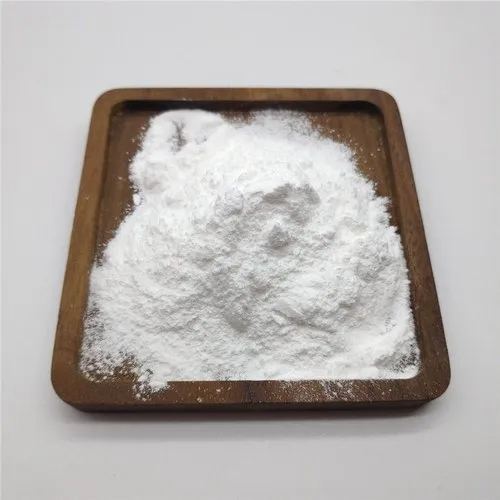
For factories that consume citric acid by the pallet rather than by the bag, choosing the right supplier is a commercial and technical decision at the same time. A reliable Wholesale Citric Acid Monohydrate source can help you maintain formulation consistency, control landed costs, avoid production interruptions, and secure the documentation your quality department needs. MT Royal is worth considering when you are comparing wholesale sources because it works with multiple international brands and offers citric acid monohydrate for food, pharmaceutical, and industrial applications at competitive B2B terms.
Citric acid may look like a simple commodity ingredient, but its role in manufacturing is anything but simple. It can regulate acidity, enhance flavor, support preservation systems, bind metal ions, control pH, and contribute to the performance and stability of countless formulations. For procurement teams, that means the lowest price per kilogram is only one piece of the purchasing equation.
When annual consumption reaches several tonnes, even a small variation in price, concentration, purity, delivery time, or product specification can translate into a substantial financial difference. More importantly, inconsistent raw material can create problems far beyond the purchasing department. Your production line does not care that a supplier’s quotation looked attractive on Tuesday; it cares whether the ingredient behaves correctly on Friday morning.
What Is Citric Acid Monohydrate?
Citric acid monohydrate is the monohydrated form of citric acid, an organic acid widely used across the food, beverage, pharmaceutical, cosmetic, and chemical industries.
Its chemical name is 2-hydroxypropane-1,2,3-tricarboxylic acid, and the commonly referenced CAS number is 5949-29-1. Unlike anhydrous citric acid, citric acid monohydrate contains one molecule of crystallization water for each molecule of citric acid.
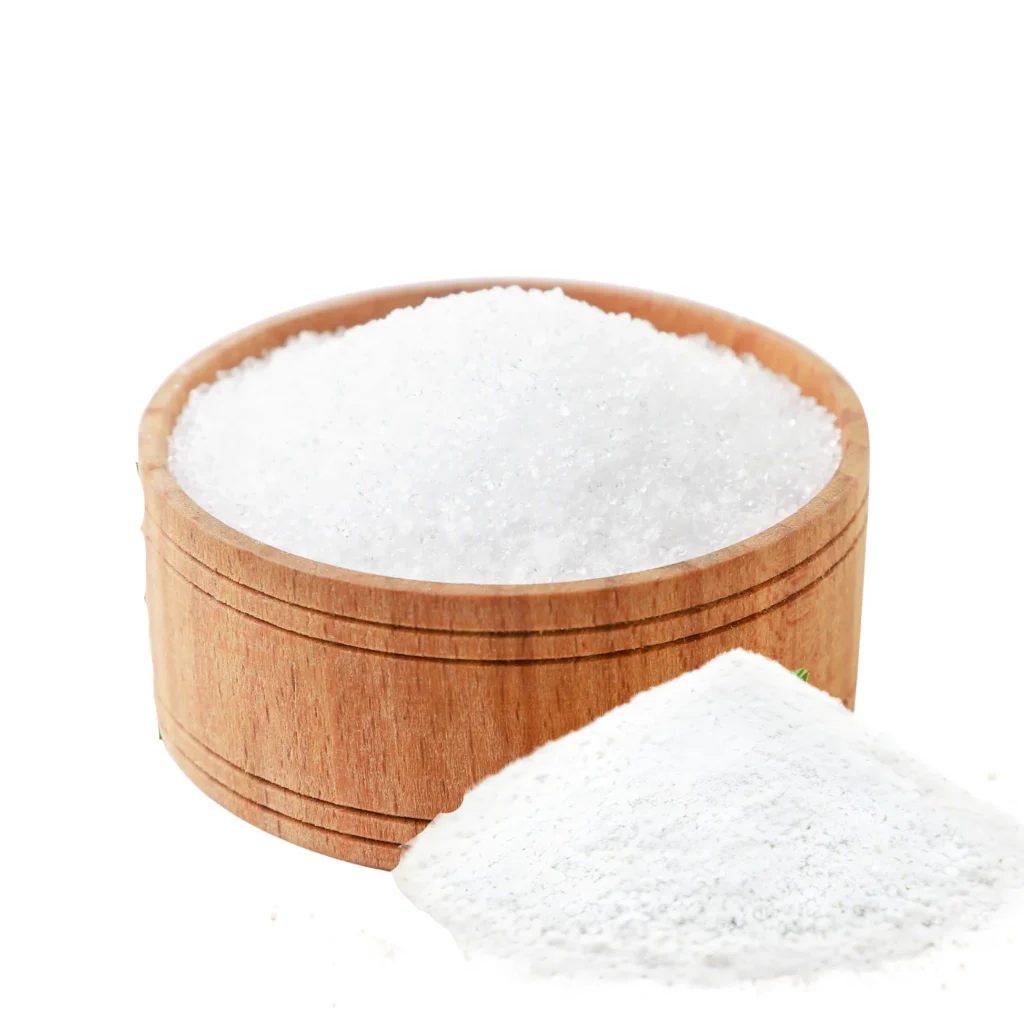
Commercially, it is generally supplied as a white crystalline powder or granules with a clean acidic taste. Its combination of strong acidification, buffering behavior, chelating ability, water solubility, and relatively straightforward handling explains why it has become one of the most widely used acidulants in industrial formulations.
For a purchasing manager, however, the distinction between monohydrate and anhydrous citric acid matters. They are chemically related but not identical from a formulation and purchasing perspective.
Citric Acid Monohydrate vs. Anhydrous Citric Acid
One of the most common sourcing mistakes is treating these two products as interchangeable without adjusting calculations.
The primary difference is water of crystallization.
Citric acid monohydrate contains approximately 8.6% crystallization water by molecular-weight comparison, while anhydrous citric acid contains no water of crystallization.
This affects the amount of active citric acid delivered per kilogram.
If your formulation was developed specifically around anhydrous citric acid, replacing it with monohydrate on a simple one-to-one weight basis can slightly alter the acid equivalent and formulation balance.
For large-scale production, that difference may seem small on paper but become meaningful over thousands of kilograms.
Practical Comparison
When selecting between the two forms, consider:
- Required acid strength
- Formulation specifications
- Moisture sensitivity
- Solubility requirements
- Storage conditions
- Processing temperature
- Cost per kilogram of active acid
- Packaging and handling
- Existing validated formulation
- Regulatory requirements
The cheapest bag is not necessarily the cheapest source of usable acidity.
Why Citric Acid Monohydrate Is So Important for Factories
The versatility of citric acid is one of its biggest industrial advantages.
Acidity Regulation
Citric acid is one of the most important food acidulants used to control and adjust pH.
In beverages, sauces, confectionery, processed foods, and prepared products, controlled acidity can influence flavor, microbiological stability, texture, and product shelf life.
Flavor Enhancement
Citric acid provides a familiar clean, sharp acidity that works particularly well in beverages, candies, fruit preparations, sauces, and powdered drink mixes.
Its sensory profile is one reason it remains difficult to replace completely with a single alternative acidulant.
Buffering
Citric acid works with citrate salts to form effective buffer systems. This is particularly useful when a manufacturer needs to maintain a relatively stable pH rather than simply lowering acidity once.
Chelation
A less obvious but highly valuable property is its ability to bind certain metal ions.
This chelating agent function can help manage trace metals that might otherwise contribute to oxidation, discoloration, or quality deterioration in some formulations.
This is one of those characteristics that may receive less attention during procurement but can become very important during product development.
Major Industrial Applications of Wholesale Citric Acid Monohydrate
A high-volume buyer may encounter citric acid monohydrate in several distinct industries.
Food and Beverage Manufacturing
This is one of the largest application areas.
Citric acid monohydrate is commonly used in:
- Soft drinks
- Fruit beverages
- Syrups
- Sauces
- Dressings
- Jams and fruit preparations
- Confectionery
- Bakery products
- Dairy preparations
- Processed foods
- Instant drink powders
The exact permitted use and dosage depend on the product category and local regulations.
Pharmaceutical Manufacturing
Citric acid is used in pharmaceutical formulations as an acidifying agent, buffering component, and formulation aid.
Effervescent products are a particularly familiar example. Citric acid reacts with bicarbonate or carbonate components in the presence of water, generating carbon dioxide.
For pharmaceutical manufacturers, the grade and documentation requirements are substantially more demanding than simply purchasing a general industrial material.
Cosmetics and Personal Care
Citric acid monohydrate can be used for pH adjustment in creams, lotions, shampoos, cleansers, and other personal-care formulations.
Here, pH control is not just a technical detail. It can influence product stability, preservative performance, skin compatibility, and the behavior of other ingredients.
Industrial and Chemical Applications
Citric acid is also used in cleaning formulations, metal treatment, water-treatment chemistry, and various specialty industrial processes.
Its relatively mild organic-acid profile and chelating properties make it useful where stronger mineral acids would be excessive or undesirable.
How to Choose a Wholesale Citric Acid Monohydrate Supplier
The right Wholesale Citric Acid Monohydrate supplier should be evaluated using a combination of technical, commercial, and logistical criteria.
1. Confirm the Grade
Never purchase simply “citric acid” when your application requires a specific grade.
Depending on your industry, you may need:
- Food grade
- Pharmaceutical grade
- Cosmetic grade
- Technical grade
- Industrial grade
Each can have different specifications and documentation.
2. Review the Certificate of Analysis
A current Certificate of Analysis (COA) should be reviewed against your internal raw-material specification.
Typical parameters may include:
- Assay
- Water content
- Identification
- Sulfated ash
- Heavy metals or elemental impurities
- Oxalates
- Readily carbonizable substances
- Microbiological limits where applicable
- Appearance
- Particle-size distribution where specified
Do not assume that a supplier’s general product specification automatically represents the batch you are buying.
3. Check the Manufacturer and Origin
The same product name can come from different producers, countries, and manufacturing processes.
For a factory with strict qualification procedures, the manufacturer itself may need to be approved.
MT Royal’s multi-brand sourcing model can be useful here because it gives buyers the opportunity to compare products from different established manufacturers instead of being restricted to one origin or brand.
4. Evaluate Packaging
Citric acid is hygroscopic enough that packaging deserves serious attention.
Poor storage or damaged packaging can lead to moisture uptake, caking, and handling problems.
Depending on the supplier, bulk packaging may include multi-layer paper bags with an inner liner or other industrial packaging designed to protect the powder during transport and storage.
Common Mistakes When Buying Citric Acid in Bulk
Buying Solely on Price
This is the classic procurement trap.
Suppose Supplier A offers a price 3% below Supplier B. At first glance, A wins. But if B offers better payment terms, lower freight, shorter lead times, fewer rejected batches, and more reliable documentation, the real cost calculation may tell a different story.
Always calculate landed cost, not simply invoice price.
Ignoring Particle Size
Particle size can affect dissolution rate, dust generation, flowability, blending, and packaging behavior.
A food factory producing instant beverage powder may have different particle-size requirements from a pharmaceutical manufacturer producing an effervescent formulation.
Failing to Consider Seasonal Supply
Citric acid is produced at very large global scale, but global logistics remain vulnerable to freight disruptions, energy costs, crop economics, port congestion, and regional supply changes.
A factory that waits until inventory is almost empty to place an international order is effectively asking the supply chain to perform a magic trick.
Supply planning is safer than emergency purchasing.
Switching Brands Without Validation
A new manufacturer may meet the same headline assay specification but behave differently in your process because of differences in crystal characteristics, particle size, moisture, or impurity profile.
A supplier change should therefore be evaluated through your established change-control process.
Specialized Tips for Large-Scale Citric Acid Procurement
When annual consumption reaches tens or hundreds of tonnes, purchasing strategy should become more structured.
Calculate Cost Per Active Acid Equivalent
If you compare monohydrate with anhydrous citric acid, use the amount of actual acid rather than the nominal bag weight.
This creates a more meaningful economic comparison.
Maintain Strategic Safety Stock
Your safety-stock calculation should account for:
- Average monthly consumption
- Supplier lead time
- Import clearance
- Seasonal demand
- Shipment variability
- Minimum order quantities
- Emergency sourcing time
For imported ingredients, a nominal lead time of 20 days should never automatically be treated as a guaranteed 20-day replenishment cycle.
Use Dual-Source Qualification
For critical ingredients, qualifying a second supplier can protect production against unexpected disruptions.
The objective is not necessarily to purchase from two suppliers simultaneously. It is to have a technically approved alternative before the primary supply becomes unavailable.
Monitor Moisture and Warehouse Conditions
Citric acid monohydrate should be stored in a way that minimizes exposure to moisture and contamination.
Warehouse teams should monitor:
- Package integrity
- Humidity
- Storage temperature
- Pallet condition
- Lot identification
- FIFO/FEFO procedures
- Signs of caking
A raw-material specification can be perfect on paper and still arrive at the mixer looking like a small geological formation if warehouse handling is poor.
Emerging Trends Affecting Citric Acid Procurement
Sustainability is becoming increasingly relevant to industrial ingredient sourcing.
Modern citric acid production is largely based on fermentation processes, commonly using carbohydrate feedstocks. Manufacturers are increasingly paying attention to energy consumption, water use, waste management, packaging efficiency, and carbon footprint across ingredient supply chains.
This does not mean procurement teams should select a supplier based on a sustainability slogan. Instead, ask for measurable information where sustainability is commercially important:
- Manufacturing origin
- Environmental certifications
- Packaging material
- Supply-chain traceability
- Energy or emissions information where available
- Responsible sourcing policies
Another trend is increased demand for more transparent ingredient supply chains. Large food and pharmaceutical companies increasingly expect suppliers to provide not only technical specifications but also traceability and regulatory documentation.
For distributors such as MT Royal, the ability to source multiple brands can become strategically useful because manufacturers can compare technical specifications, commercial terms, and origin while maintaining supply flexibility.
Quality-Control Checklist for Wholesale Citric Acid Monohydrate
Before approving a bulk shipment, your QA and procurement teams should confirm:
- Product identity
- Citric acid monohydrate specification
- Manufacturer name
- Country of origin
- Batch number
- Net weight
- Assay
- Moisture or water content
- Relevant impurity limits
- Food/pharmaceutical/technical grade
- COA availability
- SDS availability
- Packaging integrity
- Shelf life
- Storage requirements
- Required certifications
- Regulatory compliance for the destination market
This checklist is particularly important when the ingredient enters a regulated product.
Why MT Royal Is Worth Considering as a Wholesale Supplier
MT Royal operates as an international ingredient and chemical sourcing company and offers citric acid products for industrial buyers. Its broader business model includes sourcing from multiple manufacturers and brands, which can be advantageous for companies looking for price competition and supply alternatives.
For a factory, that model can provide flexibility. You may need one brand because of an existing formulation qualification, another because of availability, or a third because of a specific commercial requirement. Having access to multiple options can make procurement more resilient.
We have seen that the strongest supplier relationships are built around transparency rather than simply aggressive pricing. A good supplier should be willing to discuss specification, manufacturer, documentation, lead time, packaging, and alternative options before the purchase order is issued.
MT Royal can therefore be evaluated not simply as a seller of citric acid but as one potential component of a broader raw-material sourcing strategy. The final decision should still be based on your factory’s supplier-qualification procedures and the precise technical requirements of your application.
Frequently Asked Questions About Wholesale Citric Acid Monohydrate
What is the difference between citric acid monohydrate and anhydrous citric acid?
Citric acid monohydrate contains crystallization water, while anhydrous citric acid does not. This difference affects molecular weight, active-acid calculations, and certain formulation characteristics.
Is citric acid monohydrate food grade?
It can be supplied as food grade, but buyers should verify the specific product’s grade and regulatory documentation. A generic “citric acid” label is not sufficient for a regulated food application.
Can citric acid monohydrate be used in pharmaceuticals?
Yes, appropriate pharmaceutical grades are used in various pharmaceutical formulations. The exact grade must meet the applicable pharmacopoeial and regulatory requirements.
What packaging is suitable for bulk citric acid?
Packaging should protect the powder from moisture and contamination. The appropriate format depends on order volume, warehouse conditions, handling equipment, and supplier specifications.
How should I compare two wholesale suppliers?
Compare more than price. Evaluate assay, grade, manufacturer, COA, particle size, packaging, certifications, lead time, payment terms, freight, minimum order quantity, and supply reliability.
Is citric acid a preservative?
Citric acid primarily functions as an acidulant, pH regulator, flavoring agent, and chelating agent. By lowering pH and supporting formulation conditions, it can contribute to preservation systems, but it should not automatically be treated as a standalone preservative.
Can I change from one citric acid supplier to another without reformulation?
Not always. If the incoming material has meaningfully different physical or chemical characteristics, a technical evaluation may be necessary. Pharmaceutical and other regulated manufacturers should follow their formal change-control procedures.
Making Wholesale Citric Acid Procurement a Competitive Advantage
For a factory, citric acid is easy to underestimate because it is familiar, widely available, and relatively inexpensive compared with many specialty ingredients. That familiarity can be dangerous.
The strongest procurement teams recognize that commodity status does not eliminate technical risk. It simply changes where the risk appears.
For Wholesale Citric Acid Monohydrate, the winning strategy is to combine competitive pricing with specification control, supplier diversification, proper storage, reliable documentation, and realistic inventory planning.
MT Royal can be considered when your company wants access to multiple brands and international sourcing options while maintaining a commercial focus on competitive pricing. But the real value comes when procurement, quality, R&D, logistics, and production all evaluate the ingredient together.
We recommend treating every large-volume purchase as an opportunity to improve the supply chain rather than merely replenish inventory. When you know exactly what grade you need, what performance you expect, which alternatives are qualified, and what your true landed cost is, negotiations become easier and production becomes more predictable.
In industrial manufacturing, reliability rarely comes from one dramatic decision. It comes from hundreds of small decisions that were made correctly before the production line ever starts.
That is the standard your citric acid supply should meet.




No comment