

When a factory is buying magnesium stearate, the real question is rarely “Who has the lowest price?” The more important question is whether your Magnesium Stearate supplier distributor can deliver a consistent grade, dependable documentation, predictable logistics, and material performance that does not force your production team to constantly adjust the process. For pharmaceutical, nutraceutical, food, cosmetic, and industrial manufacturers, those details can make the difference between a smooth production schedule and an expensive troubleshooting exercise.
This is why MT Royal deserves consideration when you are evaluating magnesium stearate suppliers. Its portfolio and sourcing network allow manufacturers to evaluate different brands and origins rather than being locked into a single option, while its B2B approach focuses on competitive pricing, documentation, and supply continuity. MT Royal specifically positions pharmaceutical-grade magnesium stearate for applications requiring consistent quality and pharmacopoeial compliance.
For procurement managers, however, supplier selection should never be based on a sales description alone. Magnesium stearate is a relatively small-volume ingredient in many formulations, but its effect on powder behavior, tablet compression, equipment friction, and finished-product performance can be disproportionately large. In manufacturing, small ingredients sometimes have very large personalities.
What Is Magnesium Stearate?
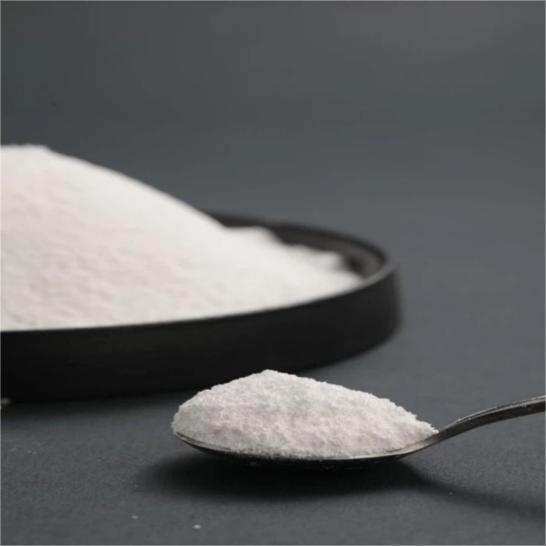
Magnesium stearate is a magnesium salt of stearic acid and is commonly identified by CAS 557-04-0. It is generally supplied as a fine, white powder and is widely used as a lubricant, anti-adherent, flow aid, and anti-caking agent.
For food applications, the Joint FAO/WHO Expert Committee on Food Additives (JECFA) identifies magnesium stearate as INS 470(iii) and lists its functional classes as an anti-caking agent and emulsifier. JECFA’s evaluation records also identify magnesium stearate and related magnesium salts of fatty acids in its specifications and safety assessments.
In pharmaceutical manufacturing, its most recognized role is as a tablet lubricant. During compression, it reduces friction between the powder blend and metal surfaces, helping tablets eject from the die without excessive sticking or mechanical stress.
That sounds straightforward, but the performance of magnesium stearate depends on more than chemical identity. Particle morphology, specific surface area, fatty acid composition, moisture, bulk density, mixing conditions, and supplier-to-supplier manufacturing differences can all affect how the material behaves.
Why Magnesium Stearate Is Important to Industrial Production
A good magnesium stearate product performs several jobs simultaneously.
Lubrication During Tablet Compression
In pharmaceutical manufacturing, magnesium stearate reduces friction between powder particles and the tooling surfaces of a tablet press. This can reduce ejection force, minimize sticking, and support smoother high-speed compression.
That makes it particularly important when production moves from laboratory or pilot batches to commercial-scale tablet presses. A formulation that behaves acceptably at low throughput may expose lubrication problems when compression speed, dwell time, feeder settings, or batch size increases.
MT Royal describes its pharmaceutical-grade magnesium stearate as being used to reduce friction during tablet production and support consistent tablet weight, hardness, and disintegration characteristics.
Anti-Adherent Performance
Magnesium stearate can help prevent formulation components from adhering to punches and dies. Excessive sticking can cause surface defects, interrupted production, tooling contamination, and additional cleaning requirements.
For a high-volume manufacturer, the cost of these interruptions can be much greater than the purchase price of the excipient itself.
Powder Flow and Handling
Magnesium stearate can influence powder flowability, although it should not automatically be regarded as a universal solution for poor flow. Its interaction with other formulation components is highly process-dependent.
The objective is not simply to make a powder “more slippery.” The objective is to obtain the required processing behavior without compromising downstream properties such as tablet strength, wetting, disintegration, or dissolution.
Pharmaceutical-Grade Magnesium Stearate: Why Specifications Matter
For pharmaceutical manufacturers, “magnesium stearate” is not a sufficient purchasing specification.
Your purchasing specification should identify the required pharmacopoeial standard and the physical and chemical parameters that matter to your process.
Depending on the formulation, you may need to evaluate:
- USP/NF or Ph. Eur. compliance
- Assay and purity
- Fatty acid composition
- Stearic acid/palmitic acid profile
- Moisture or loss on drying
- Heavy metals or elemental impurities
- Particle-size distribution
- Bulk density
- Specific surface area
- Microbiological limits
- Residual solvents where applicable
- Source and origin of fatty acids
- Allergen and GMO declarations where relevant
- Halal and Kosher status where required
- Batch traceability
MT Royal states that its pharmaceutical-grade magnesium stearate is supplied with batch documentation and is intended to meet major pharmacopoeial requirements, including USP and European Pharmacopoeia standards. Procurement teams should still request the current specification and certificate of analysis for the exact product and batch being purchased rather than relying solely on a general product page.
Magnesium Stearate Supplier Distributor: What Should You Actually Evaluate?
Choosing a Magnesium Stearate supplier distributor requires looking beyond the material itself.
A strong supplier should be evaluated across five dimensions.
1. Product Quality
The product should consistently meet the agreed specification. Batch-to-batch variation is especially important for pharmaceutical manufacturing because changes in physical properties can influence blending and compression behavior.
2. Documentation
A professional industrial supplier should be able to provide appropriate documentation such as:
- Certificate of Analysis
- Technical Data Sheet
- Safety Data Sheet
- Product specification
- Country-of-origin documentation
- Regulatory declarations
- Relevant certification
- Batch and lot information
The exact documentation package will depend on the industry and destination market.
3. Supply Continuity
A supplier who can deliver one excellent batch but cannot maintain continuity is not necessarily a reliable industrial partner.
For manufacturers, supply chain reliability should be evaluated alongside price. Lead times, minimum order quantities, warehouse availability, shipping routes, customs procedures, and alternative sourcing options all deserve attention.
4. Brand and Origin Flexibility
Different factories can have different requirements. A nutraceutical manufacturer may prioritize a particular certification profile, while a pharmaceutical company may prioritize a tightly controlled physical specification.
MT Royal reports working with multiple global producers, giving buyers the possibility of comparing brands and origins according to technical and commercial requirements.
5. Technical Communication
A supplier does not need to formulate your product for you, but it should understand the basic manufacturing variables that affect ingredient selection.
If you ask about particle size, moisture, fatty acid profile, packaging, or regulatory grade and receive only a price per kilogram, you are probably speaking with a trader who has not yet become a useful technical supply partner.
Common Mistakes When Buying Magnesium Stearate Wholesale
Mistake 1: Comparing Only the Price per Kilogram
The cheapest material can become the most expensive material if it causes production problems.
Imagine a supplier offering magnesium stearate at a price 4% below your established source. That looks attractive. But if the new material increases cleaning frequency, causes sticking, or requires formulation adjustments, the apparent saving can disappear quickly.
A better calculation is total landed and operational cost, including freight, duties, testing, rejected material, production downtime, and additional process work.
Mistake 2: Assuming All Magnesium Stearate Is Interchangeable
It is not.
Two products can both satisfy a headline chemical specification and still behave differently in a formulation. Physical characteristics and manufacturing history matter.
This is particularly relevant when changing brands in a validated pharmaceutical process.
Mistake 3: Changing Suppliers Without a Technical Trial
A supplier change should be managed like a controlled process change, not like changing office stationery.
We have seen how seemingly minor raw-material changes can become noticeable only after a production line is running at full speed. The safer approach is to compare the incoming material against the existing approved grade through laboratory and, where appropriate, pilot or production-scale testing.
Mistake 4: Ignoring Fatty Acid Source
The source and composition of fatty acids can matter for regulatory, religious, labeling, and formulation reasons.
If your finished product requires a specific animal-free, vegetable-derived, Halal, Kosher, or other sourcing profile, this must be established before purchase.
Mistake 5: Treating “High Purity” as Automatically Better
More expensive specifications are not necessarily better specifications.
A factory should buy the grade that is appropriate for its application. Over-specification can increase procurement costs without providing meaningful process benefits, while under-specification can create quality and compliance risks.
Magnesium Stearate in Pharmaceutical Manufacturing
The pharmaceutical sector is arguably the most technically demanding application area for this ingredient.
During tablet compression, magnesium stearate coats particle surfaces and reduces friction. However, the quantity and mixing history are important.
The Over-Lubrication Problem
More magnesium stearate does not automatically mean better lubrication.
Excessive lubrication or inappropriate blending conditions can alter tablet properties. Depending on the formulation, this may affect hardness, disintegration, dissolution, or other critical quality attributes.
This creates an important manufacturing principle:
The best magnesium stearate supplier is not necessarily the one selling the most concentrated or finest material; it is the one supplying a consistent material that behaves predictably within your validated process.
Mixing Time Matters
The way magnesium stearate is incorporated into a formulation can influence the degree of particle surface coating.
That means your manufacturing team should document not only the amount added but also the mixing equipment, mixing time, sequence of addition, and relevant process parameters.
A procurement team may purchase the same nominal grade for years, while a production change quietly alters its performance. This is why raw-material specifications and manufacturing-process controls need to communicate with each other.
Food, Nutraceutical, and Supplement Applications
Magnesium stearate is also relevant to food and nutraceutical production, where it can serve as an anti-caking or flow aid.
JECFA classifies magnesium stearate under INS 470(iii), with anti-caking and emulsifying functions. Its 2015 evaluation recorded an ADI of “not specified” for magnesium salts of stearic and palmitic acids, while its exposure assessment estimated potential total dietary exposure to magnesium stearate at up to 44 mg/kg body weight per day for children and 83 mg/kg for adults under the evaluated scenarios.
These figures should not be interpreted as a recommended usage level for a particular product. Actual permitted use depends on jurisdiction, food category, formulation, and applicable legislation.
For supplement manufacturers, additional considerations may include:
- Magnesium stearate origin
- Vegetable versus animal source
- Food-grade documentation
- Allergen statements
- GMO status
- Heavy-metal limits
- Microbiological specifications
- Particle characteristics
- Regulatory acceptance in the target market
Industrial Applications Beyond Pharmaceuticals
Magnesium stearate is not confined to tablets and capsules.
Depending on grade and regulatory status, it can also be used in:
- Nutraceutical powders and supplements
- Food processing
- Cosmetics
- Personal-care formulations
- Powder processing
- Specialty chemical formulations
- Certain plastics and polymer-processing systems
The role changes by application. In one factory it may primarily be a lubricant; in another, an anti-caking agent or processing aid.
This is why purchasing should begin with the intended application rather than with the product name alone.
How Large-Scale Manufacturers Should Source Magnesium Stearate
For a factory purchasing several tonnes per year, a structured sourcing strategy is far more effective than repeatedly requesting spot quotations.
Establish an Approved Raw-Material Specification
Define the material before negotiating price.
Your specification should contain measurable parameters, acceptable ranges, documentation requirements, packaging requirements, and change-notification expectations.
Qualify at Least One Alternative Source
Single-source dependency is risky for critical ingredients.
An approved alternative does not necessarily mean you must split every purchase between two suppliers. It means you have already done the technical work before an emergency forces you to do it under pressure.
Calculate Safety Stock From Lead Time
Safety stock should reflect actual consumption and supply variability.
If your factory consumes 500 kg per month and the normal replenishment lead time is six weeks, you should not calculate inventory using a simplistic monthly average. Seasonal demand, customs delays, supplier shutdowns, and shipping variability can materially change the appropriate buffer.
Compare Suppliers on Landed Cost
A useful procurement model should include:
- Product price
- Freight
- Insurance
- Customs duties
- Local transportation
- Testing cost
- Financing terms
- Minimum order quantity
- Inventory carrying cost
- Expected waste
- Supply interruption risk
The supplier with the lowest quotation is not necessarily the supplier with the lowest cost.
Why MT Royal Can Be Considered for Magnesium Stearate Supply
MT Royal’s role is particularly relevant for buyers who want access to multiple sourcing options rather than a single fixed brand. Its magnesium stearate portfolio covers pharmaceutical and broader industrial applications, while its wholesale offering emphasizes supply continuity, product consistency, and access to different producers.
The company’s broader ingredient portfolio also includes related materials such as calcium stearate and stearic acid, which can be useful when procurement teams are consolidating multiple raw-material categories with one international supplier.
We recommend evaluating MT Royal using the same disciplined criteria you would apply to any serious industrial supplier: specification compliance, batch documentation, technical suitability, commercial terms, lead time, logistics, and the ability to maintain supply over the duration of your manufacturing program.
For buyers comparing several brands, this model can be especially useful. Rather than asking, “Which magnesium stearate is cheapest?”, ask, “Which approved material gives our factory the best combination of performance, compliance, availability, and landed cost?”
That is a much more valuable purchasing question.
Frequently Asked Questions About Magnesium Stearate Suppliers
Is magnesium stearate safe for pharmaceutical manufacturing?
Magnesium stearate is a widely used pharmaceutical excipient. Its suitability depends on the applicable grade, specification, formulation, dosage, and regulatory requirements. Pharmaceutical manufacturers should use an appropriately qualified grade and verify supplier documentation.
What is the CAS number for magnesium stearate?
A commonly referenced CAS number is 557-04-0. JECFA also lists CAS 91031-63-9 in its magnesium stearate record.
Is pharmaceutical-grade magnesium stearate the same as food-grade magnesium stearate?
Not automatically. Different grades can have different specifications, manufacturing controls, documentation, and intended uses. Always purchase according to the requirements of your application.
Can magnesium stearate affect tablet dissolution?
It can. Because magnesium stearate interacts with particle surfaces and affects lubrication, excessive or inappropriate use can influence tablet properties, including dissolution behavior. Any formulation change should therefore be evaluated experimentally.
How should magnesium stearate be stored?
The exact storage requirements should come from the supplier’s SDS and technical documentation. In general, the material should be protected from moisture and contamination and kept in its original, properly sealed packaging under suitable warehouse conditions. MT Royal’s pharmaceutical product information similarly emphasizes controlled storage and protection from environmental exposure.
Should manufacturers buy directly from a producer or use a distributor?
Both models can work. A distributor can offer access to multiple brands, consolidated logistics, smaller or flexible order quantities, and alternative sourcing. Direct purchasing may be advantageous for very large volumes when the manufacturer requires a long-term strategic relationship. The correct choice depends on volume, geography, specifications, and supply-chain structure.
The Supplier Decision That Protects Your Production Line
Magnesium stearate may enter your formulation in a relatively small percentage, but its influence on manufacturing can be much larger than its dosage suggests. A variation in physical properties can affect powder flow, lubrication, compression, equipment behavior, and ultimately product quality.
That is why choosing a Magnesium Stearate supplier distributor should be treated as a technical and supply-chain decision rather than a simple commodity purchase.
MT Royal can be a useful option for manufacturers seeking multiple brands, competitive commercial terms, international sourcing, and a supplier capable of supporting different industrial requirements. But the strongest purchasing decision remains one grounded in evidence: obtain the specification, review the COA, qualify the grade, test it in your process, calculate the true landed cost, and confirm that supply can remain dependable when production demand rises.
We have found that the most successful procurement teams do not wait for a raw-material problem to teach them how important that material was. They qualify suppliers before the pressure arrives.
For your factory, that is the real opportunity with magnesium stearate: not simply to buy another excipient, but to build a more predictable production system around a material whose performance you can measure, document, and trust.




No comment