

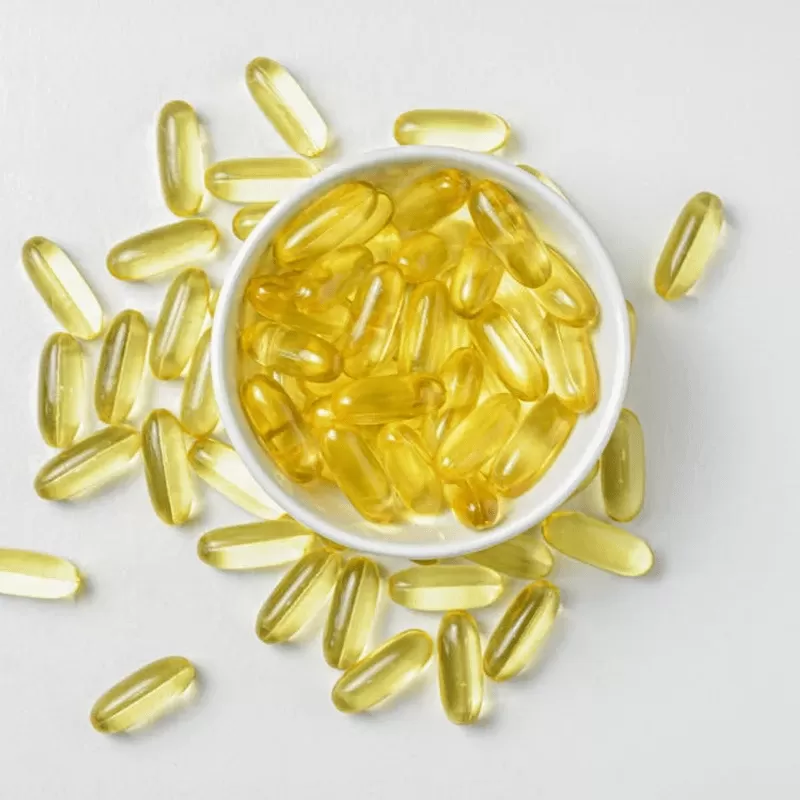
If your factory is looking for Vitamin E CAS 59-02-9 For Sale, the purchasing decision should go far beyond comparing the lowest price per kilogram. For manufacturers, the real value lies in obtaining the correct form of vitamin E, dependable assay, stable quality, appropriate documentation, and a supply chain that will not leave production waiting at the loading dock. MT Royal is worth considering when you need a reliable industrial supplier with access to multiple brands and competitive sourcing options.
Vitamin E is particularly important in food, dietary supplement, cosmetic, personal care, pharmaceutical, animal nutrition, and specialty formulation manufacturing because its antioxidant function can influence both product performance and shelf stability. Yet “vitamin E” is not a sufficiently precise purchasing specification. CAS 59-02-9 identifies alpha-tocopherol, specifically the d-alpha or RRR-alpha form associated with natural vitamin E terminology.
For procurement teams, that distinction matters. Buying the wrong tocopherol form is rather like ordering the right machine with the wrong voltage: the invoice may look correct, but production will eventually have something to say about it.
Food industry raw materials – list of products
What Is Vitamin E CAS 59-02-9?
Vitamin E is the collective name for a family of fat-soluble compounds consisting of four tocopherols and four tocotrienols. Alpha-tocopherol is the form most commonly associated with vitamin E activity in human nutrition.
CAS 59-02-9 refers to alpha-tocopherol, with the molecular formula C29H50O2 and a molecular weight of approximately 430.71 g/mol. International food-additive references identify d-alpha-tocopherol concentrate under CAS 59-02-9 and list it as an antioxidant and nutrient.
From an industrial perspective, several characteristics are especially important:
- It is a fat-soluble antioxidant ingredient.
- It is essentially insoluble in water.
- It is available in different commercial grades and concentrations.
- Free alpha-tocopherol is comparatively sensitive to oxygen, light, and environmental conditions.
- Its specifications can vary considerably depending on whether the material is intended for food, supplements, cosmetics, pharmaceuticals, or technical applications.
The physical appearance of high-purity alpha-tocopherol is generally a clear, viscous liquid ranging from light yellow to yellow-brown. Commercial specifications from analytical suppliers commonly identify the material as a liquid and emphasize protection from light and air.
That means your purchasing specification should never stop at the words “Vitamin E.”
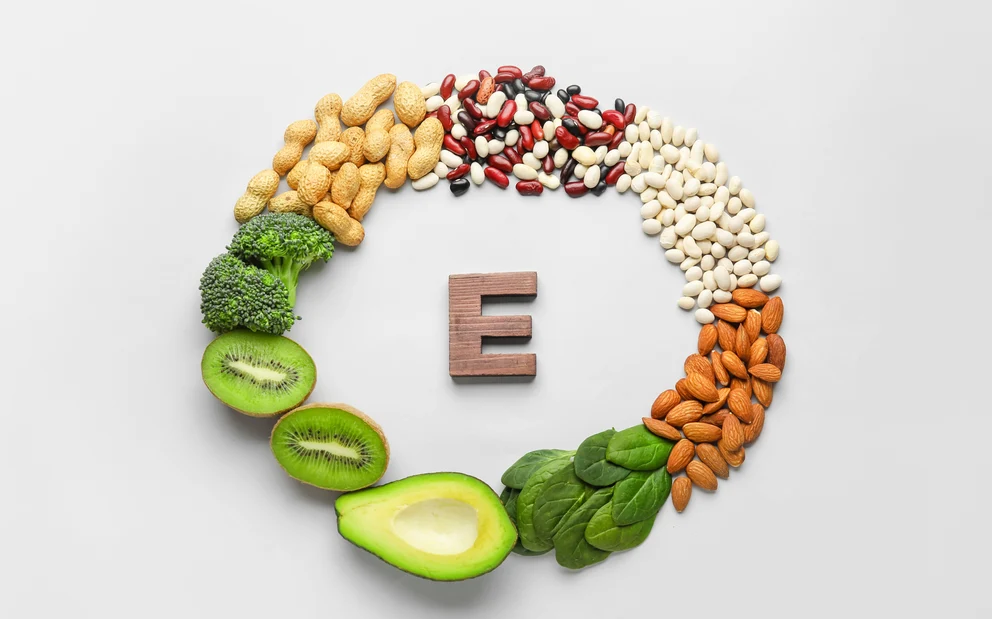
Why Manufacturers Buy Vitamin E in Bulk
In industrial production, vitamin E serves two broad purposes: nutritional enrichment and antioxidant protection.
Food and Nutritional Manufacturing
Vitamin E can be incorporated into fortified foods, nutritional products, specialized formulations, and dietary supplements. In fat-containing systems, its antioxidant properties are particularly relevant because oxidation can negatively affect oils, flavors, colors, and other sensitive ingredients.
For a manufacturer, the practical benefit is not simply that vitamin E appears on a label. The more important question is how the ingredient behaves inside your actual formulation.
For example, a supplement producer may require a particular potency and natural-source profile, while a food manufacturer may prioritize an approved food-grade specification, documentation, and compatibility with its oil phase.
Cosmetics and Personal Care
Cosmetic-grade vitamin E is widely used in skin-care and hair-care formulations. Tocopherol can function as an antioxidant within formulations containing oxidation-sensitive oils and other ingredients.
It is important, however, to distinguish free tocopherol from derivatives such as tocopheryl acetate. These materials are not interchangeable simply because both are described commercially as vitamin E. The acetate form is chemically modified and generally has different stability and formulation characteristics.
For a cosmetic factory, this distinction can affect:
- formulation stability,
- sensory properties,
- processing temperature,
- antioxidant performance,
- labeling,
- regulatory documentation, and
- finished-product specifications.
Animal Feed and Pet Nutrition
Vitamin E is also used in animal nutrition, where it contributes nutritional value and antioxidant support. MT Royal identifies food, feed, supplements, and other manufacturing sectors among the potential application areas for its vitamin E supply.
For large feed producers, purchasing decisions often revolve around consistency, potency, storage stability, and cost per unit of active vitamin rather than the nominal price of the drum.
Natural Vitamin E vs. Synthetic Vitamin E
One of the most important sourcing questions is whether your formulation requires natural or synthetic vitamin E.
Natural vitamin E is commonly associated with d-alpha-tocopherol or RRR-alpha-tocopherol, while synthetic vitamin E is often described as dl-alpha-tocopherol or all-rac-alpha-tocopherol. The two should not be treated as identical materials for labeling, potency calculations, or formulation purposes.
For procurement teams, the basic comparison looks like this:
| Factor | Natural d-alpha-tocopherol | Synthetic dl-alpha-tocopherol |
|---|---|---|
| Common designation | d-alpha / RRR-alpha | dl-alpha / all-rac |
| Source | Typically derived from natural sources | Produced synthetically |
| Stereochemistry | Natural RRR configuration | Mixture of stereoisomers |
| Commercial positioning | Often preferred for “natural” formulations | Often selected for cost efficiency |
| Purchasing priority | Source, identity, potency, documentation | Purity, potency, specification, cost |
| Labeling considerations | Product- and market-specific | Product- and market-specific |
The NIH notes that natural and synthetic alpha-tocopherol differ in biological activity and labeling conventions, which is why procurement teams should not make assumptions based solely on the phrase “Vitamin E.”
What to Check Before Buying Vitamin E CAS 59-02-9 For Sale
A strong supplier evaluation starts with a technical specification rather than a sales quotation.
Before placing a bulk order, ask for the following:
1. Certificate of Analysis
The COA should correspond to the actual batch you are purchasing. Review assay or potency, appearance, identification, and any relevant purity parameters.
Do not be satisfied with a generic COA that appears to describe an entire product family. Traceability is particularly important when your factory operates under strict quality systems.
2. Technical Data Sheet
The TDS should clearly define the commercial grade, concentration, recommended storage conditions, physical properties, and intended applications.
3. Exact Chemical Identity
Confirm that the material is actually CAS 59-02-9 when that is the substance your formulation requires. CAS numbers are useful because trade names can be surprisingly creative.
4. Natural or Synthetic Origin
If your finished product makes natural-source claims, confirm the origin and supporting documentation before purchasing.
5. Grade and Regulatory Suitability
A laboratory-grade material, cosmetic ingredient, food-grade raw material, and pharmaceutical-grade material should not automatically be considered interchangeable.
The required grade depends on your finished product, destination market, manufacturing process, and applicable regulations.
6. Packaging and Storage
Alpha-tocopherol is sensitive to environmental exposure. Commercial technical information commonly recommends cool, dark conditions and protection from air or light.
Your supplier should therefore provide clear packaging and storage recommendations rather than simply saying “store in a cool place.”
Common Mistakes When Sourcing Bulk Vitamin E
Buying on Price Alone
The cheapest kilogram is not necessarily the cheapest ingredient.
Suppose Supplier A offers a lower price but has a lower concentration, longer transit time, weaker documentation, or inconsistent batches. The apparent savings can disappear through increased usage, production adjustments, rejected material, or emergency procurement.
A better purchasing metric is cost per unit of active ingredient delivered to your factory.
Confusing Vitamin E Forms
This is one of the most common technical purchasing mistakes.
Alpha-tocopherol, mixed tocopherols, tocopheryl acetate, and vitamin E derivatives can have different properties. CAS 59-02-9 should be treated as a specific chemical identity, not as a generic synonym for every vitamin E product.
Ignoring Oxidation Risk
A factory can have an excellent formulation and still experience quality problems because the raw material was poorly stored.
Oxygen, light, heat, container headspace, and repeated opening can all become relevant when handling oxidation-sensitive ingredients. Your warehouse team should follow the supplier’s storage requirements and your internal quality procedures.
Accepting “Food Grade” Without Verification
“Food grade” is not a universal specification.
Your purchasing team should identify the exact regulatory standard required for the destination market and finished product. In Europe, for example, regulatory suitability must be evaluated in the context of the specific application rather than inferred from a supplier’s marketing terminology.
How to Evaluate Vitamin E Suppliers for Large-Scale Production
When sourcing bulk vitamin E, procurement should evaluate the supplier using a weighted model rather than a single quotation.
Consider scoring suppliers across:
- Product identity and specification control
- Batch-to-batch consistency
- Assay and potency
- COA and technical documentation
- Regulatory support
- Packaging quality
- Lead time
- Minimum order quantity
- Production capacity
- Logistics reliability
- Payment terms
- Price per active unit
- Availability of alternative brands
MT Royal’s sourcing model is relevant here because the company states that it supplies multiple vitamin products, handles high-volume orders, works with international suppliers, and provides documentation such as health and export certificates.
The ability to compare multiple brands can be especially useful when your formulation has already passed development but procurement needs to optimize cost without compromising technical requirements.
Practical Tips for Factory Procurement Teams
For recurring purchases, establish a raw-material purchasing specification before requesting quotations.
Your internal specification can include:
- CAS number
- Chemical name
- Required form of vitamin E
- Minimum assay
- Source requirement
- Intended application
- Regulatory requirements
- Packaging size
- Required shelf life at delivery
- Storage conditions
- Required certificates
- Acceptable manufacturing origin
- Maximum lead time
- Annual consumption forecast
This turns procurement from “Find me vitamin E” into a controlled sourcing process.
We have seen in industrial purchasing that the most expensive ingredient is often not the one with the highest price tag; it is the one that creates a production interruption.
For high-volume factories, consider dual sourcing or an approved-alternative strategy where regulations and formulation requirements permit it. Having a second qualified source can reduce dependence on a single manufacturing route, geographic region, or brand.
Storage and Handling: The Part Procurement Often Underestimates
Vitamin E may be chemically robust in the finished formulation while still requiring disciplined raw-material handling.
For warehouse management:
- Protect containers from excessive heat.
- Minimize unnecessary exposure to air and light.
- Keep containers properly sealed.
- Follow the manufacturer’s specified temperature range.
- Use first-expiry, first-out inventory control where appropriate.
- Record lot numbers at receiving.
- Avoid transferring material into unidentified containers.
- Retain traceability from incoming batch to finished product.
The principle is simple: a good raw material should arrive in good condition and remain in good condition until it reaches the mixing vessel.
Emerging Trends in Vitamin E Sourcing
The vitamin E market is increasingly shaped by three purchasing trends.
Greater Demand for Traceability
Manufacturers and brand owners are placing more emphasis on knowing where ingredients originate, how they are processed, and whether supporting documentation can withstand an audit.
More Sophisticated Formulation Requirements
Modern formulations increasingly distinguish between natural alpha-tocopherol, synthetic alpha-tocopherol, mixed tocopherols, tocopheryl acetate, and specialized derivatives. The phrase “vitamin E” is becoming less useful as a standalone technical specification.
Supplier Consolidation and Multi-Brand Procurement
Manufacturers want fewer procurement headaches without becoming completely dependent on one source. A supplier capable of presenting multiple qualified brands can help procurement teams compare technical specifications, lead times, and commercial terms within one sourcing relationship.
MT Royal positions itself as a supplier serving international customers and reports operations across more than 50 countries, with a broad portfolio of food, chemical, pharmaceutical, and other raw materials.
Why MT Royal Can Be Considered for Vitamin E CAS 59-02-9 For Sale
When your factory evaluates MT Royal, the most useful approach is to treat the company as a sourcing partner rather than simply another seller of vitamin E.
MT Royal lists vitamin E among its supplied ingredients and describes availability in bulk quantities, competitive pricing, documentation support, and international delivery.
The company also states that it works with different brands and suppliers, which can be valuable when a manufacturer needs to compare alternatives rather than accept a single product without benchmarking.
For your purchasing department, the practical questions should be straightforward:
- Which Vitamin E CAS 59-02-9 grade is currently available?
- Is it natural d-alpha-tocopherol or another form?
- What is the assay or potency?
- Which brand manufactured it?
- What is the batch number?
- What documentation accompanies the shipment?
- What packaging formats are available?
- What is the minimum order quantity?
- What is the lead time?
- Can the same specification be supplied consistently for repeat orders?
- Are alternative brands available if cost or availability changes?
Those questions turn a supplier conversation into a technical sourcing assessment.

Frequently Asked Questions About Vitamin E CAS 59-02-9
Is CAS 59-02-9 the same as vitamin E?
CAS 59-02-9 identifies alpha-tocopherol, including d-alpha/RRR-alpha-tocopherol terminology. “Vitamin E,” however, is a broader family term covering several tocopherol and tocotrienol compounds.
What is the molecular formula of CAS 59-02-9?
The molecular formula is C29H50O2, with a molecular weight of approximately 430.71 g/mol.
Is CAS 59-02-9 suitable for food manufacturing?
CAS identification alone does not establish suitability for every food application. Your factory must verify the exact grade, specifications, regulatory status, intended use, and destination-market requirements. JECFA identifies d-alpha-tocopherol concentrate under CAS 59-02-9 and INS 307a.
What is the difference between alpha-tocopherol and tocopheryl acetate?
They are chemically different forms. Tocopheryl acetate is an esterified derivative of tocopherol and generally offers different stability characteristics. Do not substitute one for the other without confirming formulation and regulatory requirements.
What documents should I request when buying bulk vitamin E?
At minimum, request a current COA, TDS, SDS, product specification, lot information, origin details where relevant, and any certificates required for your application or destination market.
Can MT Royal supply different brands?
MT Royal states that it works with multiple suppliers and offers a broad range of vitamin products, allowing businesses to evaluate alternatives based on quality, availability, and commercial requirements.
How should vitamin E be stored?
Storage requirements depend on the specific commercial product, but protection from excessive heat, light, and air is important for free alpha-tocopherol. Always follow the supplier’s current specification and SDS. Commercial technical specifications commonly recommend cool, dark storage and, for some grades, inert-gas protection.
A Better Way to Purchase Vitamin E for Your Factory
The best sourcing decision is not necessarily the supplier offering the lowest first quotation. It is the supplier that can consistently deliver the right chemical identity, grade, potency, documentation, packaging, and logistics at a commercially sustainable cost.
If you are searching for Vitamin E CAS 59-02-9 For Sale, start by defining the exact material your formulation requires. Then compare suppliers on active content, source, grade, documentation, delivery reliability, and total landed cost. This approach protects your production schedule and prevents procurement from becoming a race to the bottom.
MT Royal can be part of that evaluation, particularly for manufacturers seeking bulk vitamin E, multiple brand options, international sourcing, and competitive commercial terms. We recommend treating the first quotation as the beginning of the technical discussion, not the end of it.
In industrial manufacturing, consistency is a form of efficiency. The right raw material, delivered at the right specification and at the right time, does more than fill a warehouse shelf—it keeps the entire production system moving.



No comment