

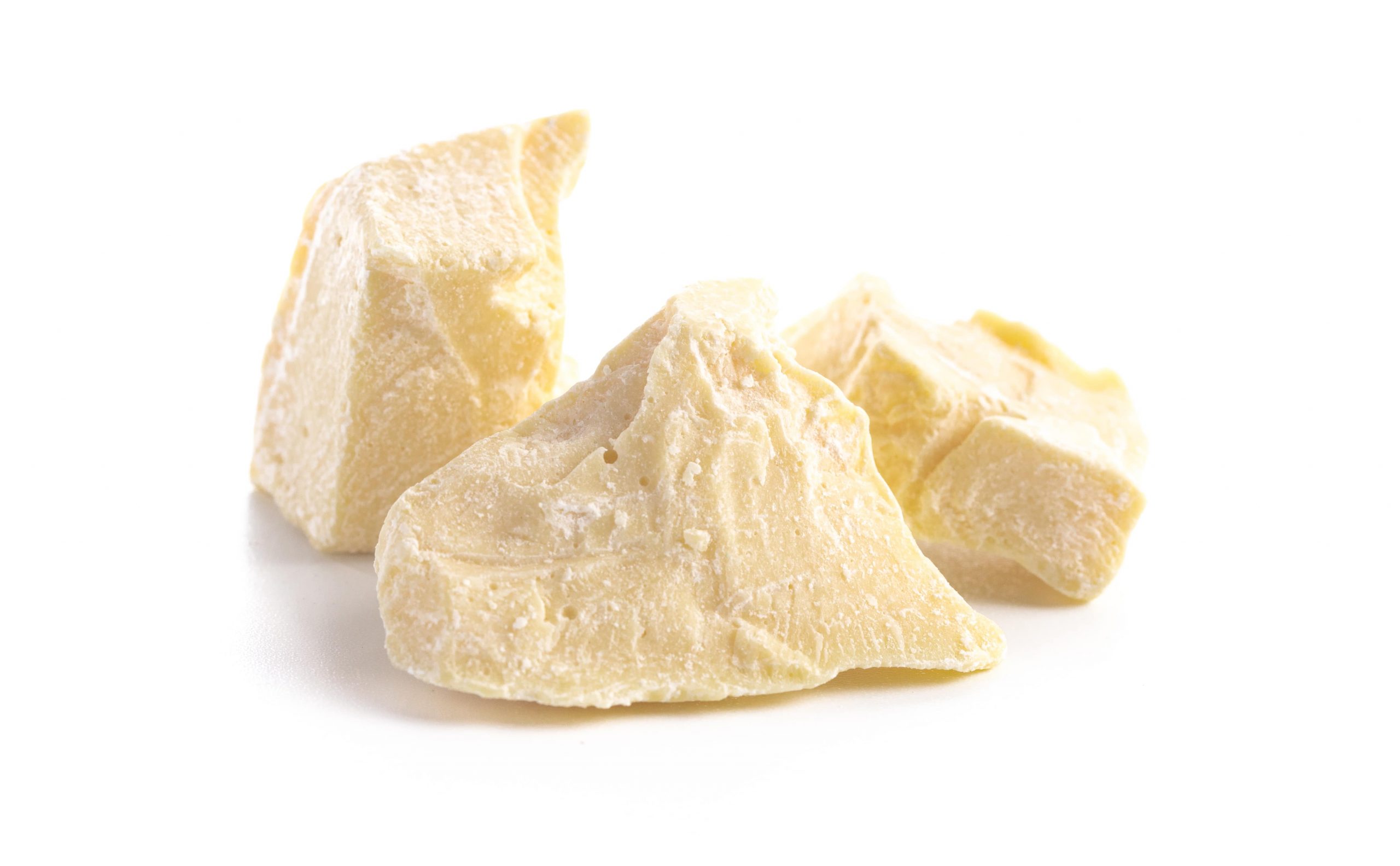
In chocolate manufacturing, a few ingredients have the power to define the entire product experience. Cocoa butter is one of them. It influences the smooth melting sensation of chocolate, the glossy appearance of finished products, the stability of formulations, and the premium quality customers associate with well-made confectionery.
For manufacturers in Algeria, finding a reliable Cocoa butter supplier in Algeria is not simply a purchasing decision. It is a strategic choice that affects production efficiency, product consistency, cost control, and long-term brand reputation.
Whether you operate a chocolate factory, confectionery production line, bakery facility, or food processing plant, the cocoa butter you select must meet demanding industrial requirements. A supplier must deliver more than raw material. You need consistent specifications, dependable logistics, technical understanding, and the ability to support your production goals.
The global chocolate industry has become increasingly competitive. Consumers expect better taste, cleaner labels, and premium experiences, while manufacturers face challenges such as fluctuating raw material costs, supply chain uncertainty, and strict quality requirements.
At MT Royal, we work with food manufacturers by providing access to different international ingredient brands and helping companies identify cocoa butter solutions that fit their technical and commercial needs. Our approach focuses on understanding manufacturing challenges rather than simply supplying ingredients.
LATAMARKO LM60 – Premium Spanish-Origin Cocoa Powder
latamarko alkalized cocoa powder lm60
cocoa powder for chocolate production-Best price
Food industry raw materials – list of products
What Is Cocoa Butter and Why Is It Essential in Food Manufacturing?
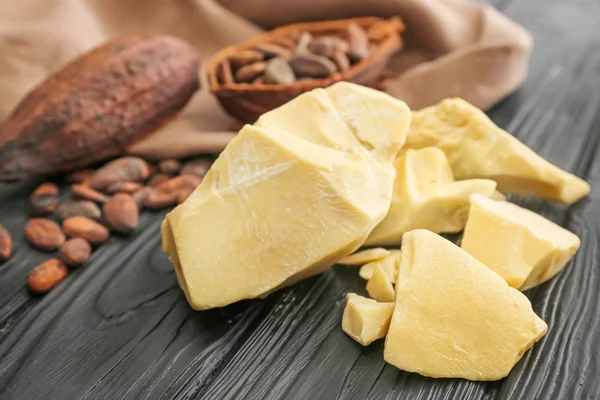
Cocoa butter is the natural fat extracted from cocoa beans during cocoa processing. It is one of the most valuable components of the cocoa bean and plays a fundamental role in chocolate production.
Unlike many vegetable fats, cocoa butter has unique crystallization properties that allow chocolate to achieve:
- Smooth texture
- Pleasant melting behavior
- Glossy appearance
- Firm structure at room temperature
- Clean flavor release
These characteristics make cocoa butter an essential ingredient in premium chocolate products.
For industrial manufacturers, cocoa butter is not just a fat source. It is a functional ingredient that directly affects processing performance and consumer perception.
A chocolate manufacturer can have an excellent recipe, advanced machinery, and skilled operators, but if the cocoa butter quality is inconsistent, the final product may experience problems such as poor tempering, surface defects, or unstable texture.
Why Cocoa Butter Quality Matters for Algerian Food Manufacturers
Algeria’s food industry continues to develop, with increasing demand for chocolate products, confectionery items, bakery fillings, and premium desserts. As manufacturers expand their production capabilities, ingredient quality becomes a major competitive factor.
Choosing the right cocoa butter supplier in Algeria helps factories achieve several important advantages.
Consistent Chocolate Quality
Chocolate production requires precision. Cocoa butter affects:
- Melting point
- Viscosity
- Tempering behavior
- Crystal formation
- Mouthfeel
Even small variations in cocoa butter characteristics can influence the final product.
For example, a chocolate coating used in industrial confectionery must maintain a stable structure during storage and transportation. If the fat composition is not suitable, manufacturers may experience whitening, cracking, or texture problems.
Improved Production Efficiency
Factories operate under strict production schedules. Unexpected formulation problems can slow down production and increase costs.
High-quality cocoa butter supports:
- More predictable processing
- Reduced machine adjustments
- Better batch consistency
- Lower production waste
In large-scale manufacturing, efficiency improvements can have a significant impact on profitability.
Stronger Premium Product Development
Consumers increasingly associate chocolate quality with sensory experience. Premium chocolate products require ingredients that deliver superior performance.
Cocoa butter helps manufacturers create products with:
- Rich chocolate flavor
- Smooth melting sensation
- Elegant appearance
- Premium positioning
For companies targeting higher-value markets, ingredient selection becomes a key part of product strategy.
Types of Cocoa Butter Used in Industrial Applications
Not all cocoa butter products are identical. Manufacturers should understand the available options before selecting a supplier.
Natural Cocoa Butter
Natural cocoa butter is extracted directly from cocoa beans and maintains the characteristic properties of cocoa fat.
It is widely used in:
- Chocolate bars
- Premium confectionery
- Chocolate coatings
- Filled chocolates
Its natural composition makes it highly valued in traditional chocolate production.
Deodorized Cocoa Butter
Deodorized cocoa butter undergoes additional processing to reduce natural cocoa aroma.
This type is useful when manufacturers want:
- Neutral flavor characteristics
- Greater formulation flexibility
- Better control over final taste profiles
It is commonly used in applications where other flavors need to dominate.
Cocoa Butter Alternatives and Equivalents
Some manufacturers use cocoa butter alternatives (CBA) or cocoa butter equivalents (CBE) to optimize costs or achieve specific technical properties.
These ingredients can provide:
- Improved cost management
- Specific melting characteristics
- Better formulation flexibility
However, the selection depends on product requirements, regulations, and market positioning.
Key Factors When Selecting a Cocoa Butter Supplier in Algeria
Choosing a supplier requires more than comparing prices. Professional manufacturers evaluate multiple factors before committing to a long-term partnership.
Product Specifications and Technical Support
A reliable supplier should provide detailed information about:
- Melting point
- Free fatty acid levels
- Moisture content
- Color characteristics
- Purity specifications
- Storage requirements
Technical documentation allows production teams to determine whether the cocoa butter fits their processes.
Supply Chain Reliability
Chocolate factories cannot afford unexpected ingredient shortages.
A dependable supplier should understand:
- Production planning
- Inventory requirements
- Delivery schedules
- Seasonal market changes
Supply reliability becomes especially important for factories operating continuous production lines.
Brand Reputation and Manufacturing Standards
Established ingredient brands often invest heavily in quality control, sourcing systems, and processing technology.
Premium European suppliers, including Spanish-origin brands such as Latamarko, demonstrate how attention to engineering standards and production precision can contribute to consistent ingredient performance.
Spanish manufacturing expertise has gained recognition in industrial markets where reliability and technical quality are important purchasing factors.
Common Mistakes When Purchasing Cocoa Butter
Even experienced procurement teams can face challenges when selecting cocoa butter.
Understanding common mistakes helps manufacturers make stronger decisions.
Focusing Only on Purchase Price
The lowest price does not always create the lowest production cost.
A cheaper ingredient may lead to:
- More processing adjustments
- Lower product consistency
- Increased waste
- Customer dissatisfaction
The correct calculation should consider total production value.
Ignoring Compatibility With Equipment
Chocolate factories use different processing systems, including:
- Tempering machines
- Enrobers
- Moulding lines
- Cooling tunnels
Cocoa butter characteristics must match the production environment.
A technically suitable ingredient creates smoother operations.
Buying Without Testing
Before placing large-volume orders, manufacturers should perform practical trials.
Testing should evaluate:
- Tempering performance
- Final appearance
- Texture
- Storage stability
- Consumer acceptance
A small test can prevent costly production problems.
How Factory Managers Should Evaluate Cocoa Butter Suppliers
A structured evaluation process helps reduce procurement risks.
Step 1: Identify Your Production Requirements
Before contacting suppliers, define:
- Product categories
- Monthly consumption
- Required quality standards
- Target market segment
A premium chocolate producer may need different cocoa butter characteristics compared with a mass-market confectionery manufacturer.
Step 2: Review Technical Documents
Request:
- Product specifications
- Quality certificates
- Safety documentation
- Application recommendations
Professional suppliers should provide transparent information.
Step 3: Conduct Production Trials
Laboratory samples are useful, but factory conditions provide the most accurate evaluation.
Test the ingredient using your actual:
- Machinery
- Processing temperatures
- Recipes
- Production methods
Step 4: Evaluate Long-Term Partnership Potential
The best supplier is not always the one offering the lowest initial price.
Consider:
- Communication quality
- Delivery reliability
- Technical support
- Product availability
Applications of Cocoa Butter Across Food Industries
Cocoa butter is mainly associated with chocolate, but its industrial applications extend beyond traditional chocolate bars.
Chocolate Manufacturing
The primary use of cocoa butter is in:
- Dark chocolate
- Milk chocolate
- White chocolate
- Chocolate coatings
- Filled chocolates
It provides the characteristic melt and texture consumers expect.
Confectionery Products
Candy manufacturers use cocoa butter in premium confectionery applications where smooth texture and appearance matter.
Examples include:
- Truffles
- Chocolate-covered products
- Praline fillings
Bakery Applications
Some bakery manufacturers use cocoa butter-based ingredients for:
- Premium fillings
- Chocolate decorations
- Specialty desserts
Dairy and Dessert Products
Cocoa butter may also be used in certain dessert formulations requiring chocolate characteristics and stable fat performance.
Comparing Cocoa Butter Supplier Options
| Supplier Type | Main Advantages | Considerations |
|---|---|---|
| Local distributors | Easier communication and regional access | May offer limited brand options |
| International ingredient suppliers | Strong quality systems and global experience | Requires careful logistics planning |
| Specialized industrial suppliers | Technical support and application knowledge | Selection should match factory needs |
For many manufacturers, the ideal supplier combines international sourcing capabilities with practical knowledge of local market requirements.
Bulk Cocoa Butter Purchasing: What Manufacturers Should Know
Industrial chocolate production requires careful inventory planning.
Bulk cocoa butter purchasing can provide advantages such as:
- Better cost management
- Production security
- Easier forecasting
- Reduced supply interruptions
However, manufacturers should also consider:
- Storage conditions
- Inventory turnover
- Quality preservation
Proper supply planning prevents both shortages and unnecessary stock accumulation.
The Importance of Supplier Partnership in Chocolate Manufacturing
Chocolate production is a highly technical process. Ingredients, machinery, temperature control, and processing techniques must work together.
We’ve worked with production facilities across various industries and understand that ingredient reliability directly influences factory performance. A supplier relationship should help manufacturers solve problems, not create additional complexity.
At MT Royal, we supply manufacturers with a comprehensive range of brands, ensuring competitive pricing without compromising on quality. We focus on helping businesses find suitable cocoa butter solutions based on their applications, production requirements, and quality expectations.
Trends Influencing the Future of Cocoa Butter Supply
The cocoa butter market continues to evolve as manufacturers respond to new consumer demands and industry challenges.
Premium Chocolate Growth
Consumers are increasingly interested in premium chocolate experiences, encouraging manufacturers to invest in higher-quality ingredients.
Sustainable Cocoa Supply Chains
Food companies are paying greater attention to sourcing transparency and responsible supply practices.
Product Innovation
Manufacturers are developing new chocolate products with:
- Reduced sugar formulations
- Functional ingredients
- Premium textures
- Unique flavor profiles
These innovations require precise ingredient selection.
Improved Supply Chain Management
Modern manufacturers increasingly value suppliers who provide:
- Reliable logistics
- Technical support
- Market knowledge
- Flexible solutions
Frequently Asked Questions About Cocoa Butter Suppliers in Algeria
What should manufacturers consider when choosing a cocoa butter supplier?
Manufacturers should evaluate quality consistency, technical specifications, supply reliability, pricing, and supplier experience.
Is all cocoa butter suitable for chocolate production?
No. Different cocoa butter products have different characteristics. The correct selection depends on the chocolate application and production requirements.
Why is cocoa butter important for premium chocolate?
Cocoa butter provides the smooth texture, melting behavior, and appearance associated with high-quality chocolate.
Can cocoa butter suppliers support large factories?
Yes. Professional industrial suppliers provide bulk quantities and solutions designed for manufacturing operations.
How can manufacturers ensure consistent cocoa butter quality?
Working with reliable suppliers, reviewing specifications, and conducting production trials are essential steps.
Building Better Chocolate Products Begins With Better Ingredient Decisions
For food manufacturers, cocoa butter is not simply another raw material. It is a key factor that shapes product quality, production efficiency, and customer satisfaction.
Selecting the right Cocoa butter supplier in Algeria requires looking beyond short-term pricing and focusing on reliability, technical expertise, and long-term value.
The strongest manufacturing companies understand that every ingredient choice is connected to their final product reputation. When the production line is running thousands of kilograms of chocolate, the right cocoa butter supplier becomes more than a vendor—it becomes part of the manufacturing strategy.



No comment