

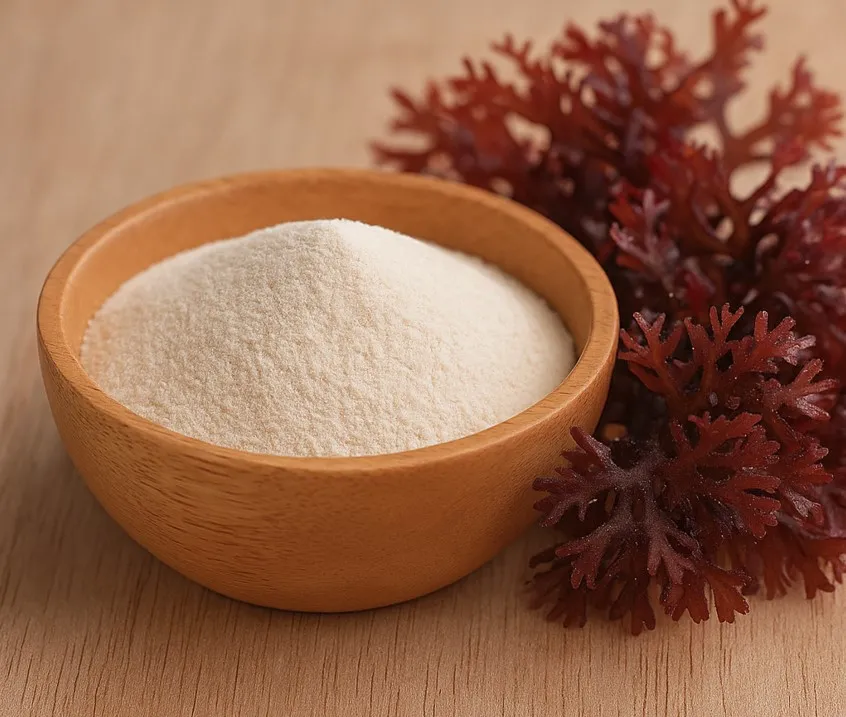
For food manufacturers, choosing a Carrageenan Supplier in Türkiye is not simply a purchasing decision. Carrageenan directly influences viscosity, gel strength, suspension, mouthfeel, water retention, and product stability, so an inconsistent raw material can quickly become a production problem. If your factory depends on reliable hydrocolloid performance, working with an experienced supplier such as MT Royal can help you compare suitable grades and brands while keeping quality, supply continuity, and cost under control.
Carrageenan is widely used across the food industry because one ingredient family can perform several different technical functions. Dairy producers may need it to stabilize protein systems and improve texture; beverage manufacturers may require suspension control; meat processors can use it for water binding and structure; and dessert manufacturers may depend on specific gel characteristics.
MT Royal supplies carrageenan in kappa, iota, and lambda types and offers products from multiple brands, giving manufacturers more flexibility when selecting an ingredient for a particular formulation.
But selecting the right Carrageenan Supplier in Türkiye requires more than comparing quotations. The real question is whether the supplier can consistently provide the correct functional grade, documentation, technical information, delivery reliability, and commercial terms your factory requires.
What Is Carrageenan and Why Is It Important?
Carrageenan is a water-soluble hydrocolloid derived from red seaweed. It is primarily used as a thickener, stabilizer, gelling agent, and texture modifier. Its performance depends on its molecular structure, type, concentration, processing conditions, and interaction with other ingredients.
The three commercially important types are generally known as kappa, iota, and lambda carrageenan. They should not be treated as interchangeable products.
Kappa carrageenan is associated with relatively strong gel formation. Iota carrageenan generally produces softer and more elastic gels, while lambda carrageenan is primarily used for thickening rather than conventional gel formation. MT Royal describes all three types in its carrageenan portfolio and highlights their different functional characteristics.
For a food factory, this distinction is critical. Ordering “E407” without specifying the required functionality is similar to ordering a machine by its color instead of its output capacity. The label may look correct, but the production result can be very different.
Why Finding the Right Carrageenan Supplier in Türkiye Matters
Türkiye occupies an important position between European, Middle Eastern, Asian, and regional food markets. For manufacturers operating in Türkiye or exporting from the country, local access to imported food ingredients can simplify logistics and shorten the distance between supplier and production facility.
However, geographical proximity alone does not make a supplier reliable.
A strong Carrageenan Supplier in Türkiye should be evaluated according to several interconnected factors:
- Product consistency
- Functional performance
- Availability of different grades
- Food-grade documentation
- Traceability
- Brand options
- Technical specifications
- Delivery reliability
- Commercial flexibility
- Competitive pricing
- Ability to support industrial quantities
- Understanding of food manufacturing requirements
MT Royal operates from Istanbul and presents carrageenan as part of its food ingredient and additives portfolio. Its published information also states that it can arrange international delivery, making the company relevant not only to Turkish factories but also to manufacturers sourcing through Türkiye as a regional supply hub.
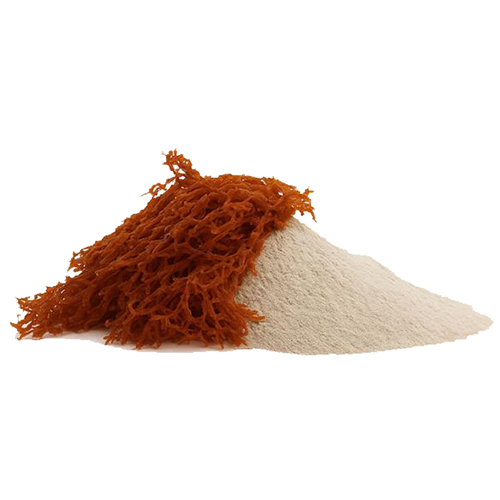
Carrageenan Applications in the Turkish Food Industry
The correct carrageenan grade depends heavily on the product being manufactured.
Dairy and Dairy-Based Products
Carrageenan has an important role in dairy formulations because of its interactions with milk proteins and its ability to influence texture and physical stability.
Potential applications include:
- Flavored milk
- Chocolate milk
- Yogurt-based products
- Dairy desserts
- Puddings
- Cream products
- Selected cheese formulations
- Ice cream and frozen desserts
In chocolate milk, for example, the technical objective may not simply be “make the beverage thicker.” The manufacturer may need to keep cocoa particles suspended throughout storage while preserving a clean drinking texture.
That requires a different approach from producing a firm dessert gel.
Plant-Based Beverages
The growth of plant-based food has increased the importance of hydrocolloids that can provide texture and physical stability.
Oat, soy, almond, coconut, and other alternative beverages may experience sedimentation, phase separation, weak mouthfeel, or inconsistent viscosity. Carrageenan can be considered as part of a stabilizer system designed to address some of these issues.
However, successful formulation depends on the entire matrix. Protein concentration, mineral content, pH, solids, processing temperature, and shear can all influence the final result.
Processed Meat
Carrageenan can also be used in selected processed meat formulations where water retention, binding, and texture are important.
For manufacturers, the economic benefit can extend beyond texture. Controlling water distribution may influence yield, slicing characteristics, cooking loss, and product consistency.
This is why procurement teams should discuss the intended application with the supplier instead of simply requesting a generic “food-grade carrageenan.”
Sauces and Dressings
Sauces, dressings, and prepared foods often require controlled viscosity rather than a firm gel.
Here, the formulation objective might be:
- Better body
- Improved suspension
- Reduced separation
- More consistent pouring behavior
- Improved mouthfeel
- Greater storage stability
The appropriate carrageenan may also be combined with other hydrocolloids, starches, or stabilizers.
Kappa, Iota, or Lambda: Which One Does Your Factory Need?
Kappa Carrageenan
Kappa is generally selected when stronger gel formation or structural properties are required.
It can be relevant to:
- Firm dairy desserts
- Certain processed meat systems
- Gelled foods
- Selected confectionery products
Potassium ions can strongly influence kappa gel formation, which means mineral composition should be considered during formulation development.
Iota Carrageenan
Iota generally produces softer, more elastic gels.
It can be useful where manufacturers want:
- Elastic texture
- Smooth gel structure
- Reduced brittleness
- Soft dessert textures
- Specific dairy or meat applications
Calcium interactions can be particularly relevant in iota systems.
Lambda Carrageenan
Lambda is primarily associated with thickening rather than conventional gel formation.
It can therefore be considered when a formulation requires increased viscosity without creating the rigid structure associated with some kappa systems.
The practical lesson is straightforward: the best Carrageenan Supplier in Türkiye should help you identify the right functional grade rather than simply offering the largest available volume.
What Should You Compare When Choosing a Carrageenan Supplier?
Price is important, but price alone is a poor purchasing metric.
Imagine two suppliers quote different prices. Supplier A offers a lower price per kilogram, but the formulation requires a significantly higher dosage. Supplier B costs more per kilogram but achieves the required viscosity and stability at a lower use level.
The cheaper quotation may actually produce the more expensive finished product.
For this reason, compare suppliers using the following criteria.
1. Functional Performance
Ask whether the grade is appropriate for your specific application.
2. Product Consistency
Batch-to-batch variation can affect viscosity, gel strength, hydration behavior, and final texture.
3. Documentation
Request relevant technical specifications and quality documentation before approving a material for industrial use.
4. Brand Diversity
A supplier offering several brands can provide additional sourcing flexibility. MT Royal, for example, publishes carrageenan offerings associated with brands including Latamarko and Marcel.
5. Supply Continuity
A factory cannot afford to stop a production line because a key hydrocolloid suddenly becomes unavailable.
6. Logistics
Delivery time, warehouse location, transportation arrangements, packaging, and order size can materially affect the real cost of an ingredient.
7. Technical Support
A good supplier should understand that your question is rarely just “How much does it cost?”
The more useful question is: “Which product will work reliably in our process?”
Common Mistakes When Buying Carrageenan in Türkiye
Industrial purchasing mistakes are often predictable.
Choosing Only by Price
A low unit price may hide higher dosage requirements, poor functionality, inconsistent batches, or additional processing costs.
Assuming All E407 Is Identical
E407 is a regulatory designation, not a guarantee that every commercial carrageenan product will perform identically.
Changing Brands Without Validation
Even when two products are technically described as carrageenan, their functional behavior can differ.
Every significant supplier change should therefore be validated through laboratory and pilot testing.
Ignoring the Production Process
A formulation developed under laboratory conditions may respond differently when exposed to industrial shear, heating, cooling, pumping, and filling.
Buying Too Much Before Qualification
Large-volume purchasing before technical approval is an avoidable risk.
The smarter approach is to qualify the material first and scale the purchase afterward.
How to Evaluate a Carrageenan Supplier in Türkiye: A Practical Checklist
Before signing a major supply agreement, ask your procurement and R&D teams to verify:
- Which carrageenan type is being supplied?
- Is the product appropriate for your intended application?
- What are the key technical specifications?
- What is the recommended use range?
- What documentation accompanies the material?
- What is the packaging format?
- What is the shelf-life specification?
- How is batch traceability maintained?
- Can the supplier provide samples for testing?
- Can the product be supplied consistently at your required volume?
- Are alternative brands or grades available?
- What are the expected lead times?
- What happens if the preferred grade becomes temporarily unavailable?
- What is the total delivered cost?
- Has the ingredient been tested under actual production conditions?
This checklist turns procurement from a simple price comparison into a technical sourcing process.
Specialized Tips for Large-Scale Carrageenan Production
Large factories should pay particular attention to dispersion.
Hydrocolloids can create lumps when improperly introduced into water. Those lumps may not fully hydrate, producing inconsistent viscosity and making the production team wonder why yesterday’s perfectly behaved formulation has suddenly developed a personality.
One practical strategy is to improve powder dispersion by premixing carrageenan with suitable dry ingredients before addition, where appropriate for the formulation and process.
Control Temperature
Carrageenan hydration and gel behavior are highly dependent on processing conditions. Your production protocol should define:
- Addition method
- Mixing conditions
- Hydration temperature
- Holding time
- Shear conditions
- Cooling profile
- Final storage conditions
The objective is repeatability.
Monitor Shear
Shear is not simply a mechanical detail. Research into kappa-carrageenan fluid gels continues to show that shear during gel formation can influence microstructure and rheological behavior.
For industrial manufacturers, this reinforces an important principle: a formulation cannot be separated completely from the process used to manufacture it.
Measure the Right Parameters
Depending on the application, your quality team may monitor:
- Viscosity
- Gel strength
- Moisture
- pH
- Hydration behavior
- Particle size
- Microbiological parameters
- Appearance
- Water separation
- Texture
- Storage stability
MT Royal’s published carrageenan information specifically identifies parameters such as viscosity, gel strength, purity, and moisture content as important quality considerations.
Why Multi-Brand Sourcing Can Strengthen Your Supply Chain
One of the most overlooked advantages of working with an experienced Carrageenan Supplier in Türkiye is sourcing flexibility.
A factory that qualifies only one carrageenan grade from one manufacturer may have limited options when that material becomes difficult to obtain.
A more resilient strategy is to qualify technically compatible alternatives.
MT Royal lists carrageenan products from different brands, including Latamarko and Marcel, which can give procurement teams more room to compare technical and commercial options.
This does not mean switching suppliers casually. Every alternative should be tested and approved by the relevant technical team.
The goal is not to maintain a warehouse full of different gums. The goal is to have a realistic backup strategy before a supply disruption forces an emergency reformulation.
Carrageenan and Emerging Food Manufacturing Trends
Food manufacturers are increasingly searching for ingredients that perform several functions within a formulation. Carrageenan fits this requirement because its functionality can extend beyond simple thickening.
Its role in plant-based formulations is particularly relevant as manufacturers attempt to reproduce the texture, stability, and sensory characteristics consumers expect from conventional products.
Research is also examining more advanced carrageenan systems, including mixed kappa-iota gels and shear-structured fluid gels. Studies indicate that interactions between different carrageenan types can influence gel structure and rheological properties.
For food technologists, this creates opportunities to design texture rather than simply increase viscosity.
That distinction is important. Modern formulation is increasingly about engineering a specific eating experience: firmness at the first bite, smoothness during chewing, controlled melt, clean pouring, or stable suspension during storage.
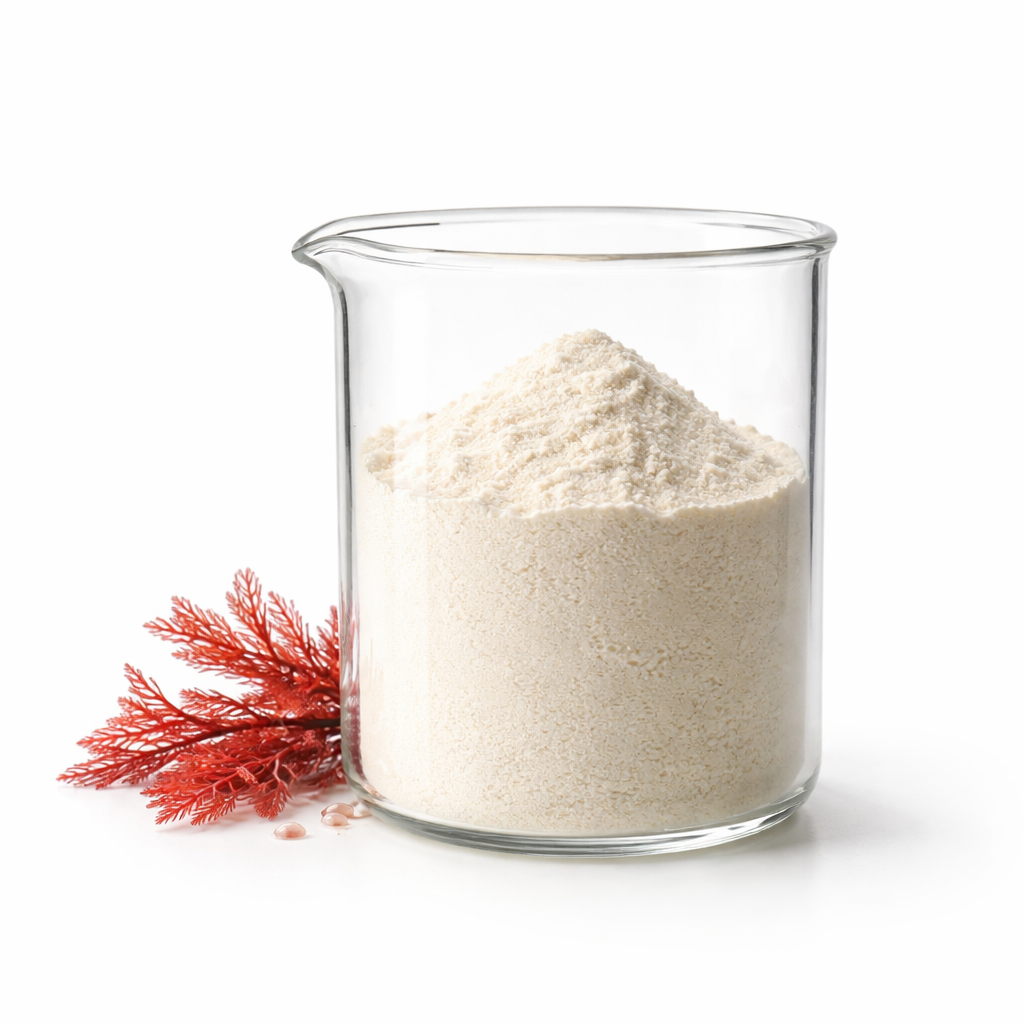
MT Royal as a Carrageenan Supplier in Türkiye
MT Royal’s carrageenan portfolio includes kappa, iota, and lambda types and positions the company as a supplier serving food and other industrial applications. Its published information also emphasizes quality control, competitive pricing, delivery capabilities, and technical support.
For manufacturers, another practical consideration is access to multiple brands. MT Royal publishes products associated with Latamarko and Marcel, allowing buyers to consider more than one commercial source when evaluating their formulation requirements.
This can be particularly useful for factories purchasing significant annual volumes, because the commercial relationship should ideally include both immediate supply and longer-term sourcing resilience.
We have found that the strongest procurement decisions usually happen when purchasing, quality assurance, and R&D evaluate an ingredient together. Procurement understands the commercial side, QA protects specifications and compliance, and R&D understands how the ingredient actually behaves in the recipe.
We also recommend calculating ingredient economics on a finished-product basis. A quotation that looks attractive per kilogram may not be attractive once dosage, processing, waste, yield, and product performance are included.
Frequently Asked Questions About Carrageenan Suppliers in Türkiye
Where can I buy food-grade carrageenan in Türkiye?
Food manufacturers can source carrageenan through specialized ingredient suppliers such as MT Royal. The appropriate supplier should be able to provide the required grade, technical documentation, commercial terms, and supply volume.
Does MT Royal supply different carrageenan types?
Yes. MT Royal’s published portfolio includes kappa, iota, and lambda carrageenan.
Does MT Royal offer different carrageenan brands?
Its published product portfolio includes carrageenan associated with brands such as Latamarko and Marcel.
How do I choose between kappa, iota, and lambda?
Start with the required finished-product behavior. If you need a stronger gel, kappa may be appropriate; if you need a softer and more elastic gel, iota may be considered; if the primary requirement is thickening without conventional gel formation, lambda may be more suitable.
The final selection should always be validated in your formulation.
Is the cheapest Carrageenan Supplier in Türkiye necessarily the best?
No. Total cost of ownership matters more than the quoted price per kilogram. Dosage, performance, waste, delivery, consistency, and production reliability can all change the true cost.
Should I test carrageenan before placing a bulk order?
Yes. Laboratory testing followed by pilot-scale validation is strongly recommended, particularly when introducing a new supplier or changing brands.
Can carrageenan be used in plant-based products?
Yes. Carrageenan is used in a range of plant-based and non-dairy formulations because of its ability to influence texture and stability. MT Royal specifically identifies dairy and non-dairy applications among the uses of its carrageenan products.
What documents should a factory request from its supplier?
The exact documentation depends on the application and regulatory requirements, but procurement and quality teams should establish a document package covering product specifications, relevant certificates, traceability, and batch information before approval.
The Right Supplier Is Part of the Formulation
Carrageenan may arrive at your factory in a relatively modest bag, but its effect on a production line can be much larger than its physical size suggests.
A suitable grade can help a manufacturer achieve consistent viscosity, controlled gel strength, improved stability, and the desired sensory profile. The wrong grade—or an inconsistent supply—can produce separation, texture problems, production delays, and costly reformulation work.
That is why choosing a Carrageenan Supplier in Türkiye should be approached as a technical and strategic decision.
MT Royal is worth considering when your factory needs access to multiple carrageenan types and brands, competitive commercial options, and a supplier experienced in food ingredients. Its published portfolio includes several carrageenan categories and brand options, giving manufacturers a broader starting point for qualification.
The strongest sourcing strategy is ultimately the one that connects three things: technical performance, commercial efficiency, and supply reliability.
When those three align, carrageenan stops being just another line on the ingredient purchasing list. It becomes a controlled production tool—one that can help your factory produce the same texture, stability, and quality today, tomorrow, and on the thousandth batch.




No comment