

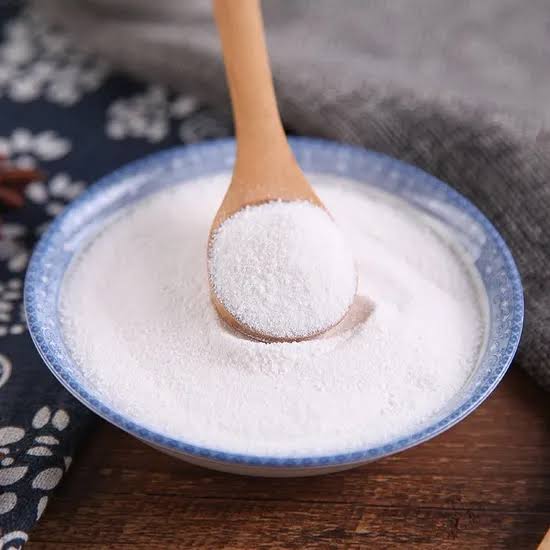
For food factories, choosing the right hydrocolloid is rarely a minor formulation decision. A small variation in viscosity, gel strength, suspension, or water retention can affect filling speed, product appearance, shelf life, consumer perception, and ultimately production costs. That is why sourcing Carrageenan E407 – High Quality Thickeners for Food from a dependable supplier such as MT Royal can be a strategically important decision rather than simply another ingredient purchase.
Carrageenan is one of the most versatile hydrocolloids used in modern food manufacturing. Derived from red seaweed, it can provide thickening, stabilization, gel formation, water binding, and suspension control depending on its type, concentration, processing conditions, and interaction with other ingredients. MT Royal supplies carrageenan in several functional types and works with multiple brands, giving manufacturers more flexibility when balancing technical performance, availability, and purchasing cost.
For procurement managers and production teams, however, the important question is not simply, “Is carrageenan available?” The better question is: Which grade, type, specification, and supply model will deliver consistent performance in our production line?
What Is Carrageenan E407?
Carrageenan is a water-soluble polysaccharide extracted primarily from red seaweed. In food applications, it is commonly identified as E407, and it belongs to the broader family of hydrocolloids used to control texture and physical stability.
Its usefulness comes from its ability to interact with water, proteins, minerals, and other components of a food formulation. Depending on the grade, carrageenan can create a gel, increase viscosity, keep particles suspended, improve mouthfeel, and reduce unwanted separation.
This multifunctionality explains why carrageenan appears across such diverse applications as dairy products, plant-based beverages, processed meats, desserts, sauces, confectionery, and other formulated foods. Recent research also continues to investigate its use in emerging applications such as encapsulation, plant-based meat products, edible films, and advanced food-printing technologies.
For an industrial buyer, this distinction matters: carrageenan is not one universal powder with one universal performance profile. Treating every E407 product as interchangeable is one of the easiest ways to create problems in formulation and production.
Understanding the Three Main Carrageenan Types
The three principal commercial forms are kappa, iota, and lambda carrageenan. Their behavior is different enough that selecting the wrong type can turn a promising formulation into a production headache.
Kappa Carrageenan
Kappa carrageenan is generally associated with relatively firm and strong gel formation. It is particularly useful when a manufacturer needs structural strength and a defined gel.
It can be used in:
- Dairy desserts
- Puddings
- Processed meat products
- Certain confectionery formulations
- Selected dairy applications
- Products requiring firm texture and water binding
Potassium ions can strongly influence kappa carrageenan gel formation. This means the mineral composition of the formulation should not be ignored when developing or scaling a recipe.
Iota Carrageenan
Iota carrageenan tends to produce softer and more elastic gels and can perform particularly well in formulations where flexibility and a smooth texture are important.
It is often considered for:
- Dairy desserts
- Gelled products
- Certain sauces
- Dairy and plant-based systems
- Applications where a softer gel structure is preferred
Calcium ions can influence iota carrageenan functionality, so the interaction between the hydrocolloid and the mineral system should be assessed during formulation trials.
Lambda Carrageenan
Lambda carrageenan behaves differently because it is primarily used as a thickener rather than a traditional gel former.
This makes it valuable when the objective is to increase viscosity and improve body without creating the firm gel associated with kappa carrageenan.
For example, a beverage manufacturer may need cocoa particles to remain suspended and the drink to maintain a consistent mouthfeel. In such cases, the objective is not to turn the beverage into jelly—which would be an impressive but commercially unfortunate achievement.
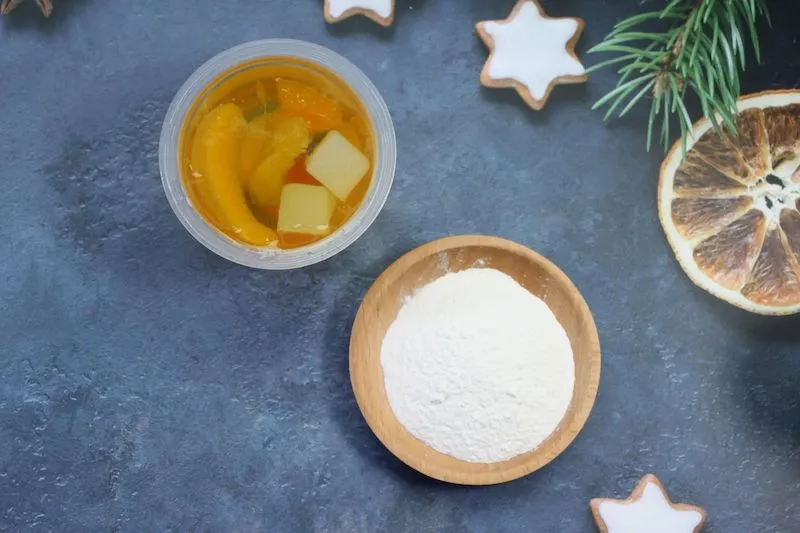
Why Carrageenan Is Important in Industrial Food Production
The main value of Carrageenan E407 – High Quality Thickeners for Food is not simply thickness. In a factory environment, its real value comes from controlling the physical behavior of the finished product.
Depending on the formulation, carrageenan may contribute to:
- Viscosity control: creating the desired thickness and body.
- Gel formation: producing a stable three-dimensional structure.
- Suspension stability: reducing sedimentation of particles.
- Water retention: helping bind water within the food matrix.
- Protein stabilization: particularly important in selected dairy systems.
- Texture modification: improving creaminess, elasticity, firmness, or mouthfeel.
- Phase-separation control: helping maintain a uniform product during storage.
- Process consistency: supporting repeatable texture from batch to batch.
Research literature describes carrageenan as a multifunctional hydrocolloid with thickening, stabilizing, gelling, emulsifying, and water-holding functions.
That combination makes it especially attractive for manufacturers attempting to achieve stable products while controlling formulation complexity.
Carrageenan Applications Across Food Factories
Dairy Products
Dairy manufacturing is one of the most technically important application areas for carrageenan.
Chocolate milk, flavored milk, puddings, creams, yogurt-based products, and other dairy formulations can benefit from carrageenan’s ability to interact with milk proteins and help maintain physical stability.
One particularly useful characteristic is its ability to help suspend cocoa particles in chocolate milk and reduce separation. Published technical references report that very low concentrations can be sufficient for particular milk-based applications, demonstrating an important industrial lesson: more additive does not automatically mean better performance.
Plant-Based Milk and Beverages
The expansion of plant-based beverages has created additional opportunities for hydrocolloid systems.
Almond, oat, soy, coconut, and other plant-based beverages can face challenges involving sedimentation, phase separation, inconsistent mouthfeel, and poor suspension stability. Carrageenan can contribute to viscosity and particle suspension when appropriately selected and formulated.
For manufacturers, the challenge is to achieve stability without producing an excessively thick or slimy sensory profile.
Meat Processing
Carrageenan is also used in selected processed meat formulations because of its water-binding and structural properties.
Applications may include:
- Processed poultry
- Ham and similar products
- Restructured meat
- Reduced-fat meat formulations
- Products requiring improved moisture retention
The hydrocolloid can contribute to binding and texture, helping manufacturers manage water distribution within the product matrix. Research reviews identify meat as one of the established application categories for carrageenan.
Sauces, Dressings, and Prepared Foods
In sauces and dressings, the objective is often controlled viscosity rather than a visible gel.
Carrageenan can be incorporated into hydrocolloid systems to improve body, stability, and consistency. However, the ideal solution often depends on the complete formulation rather than carrageenan alone.
Salt, acidity, proteins, sugars, starches, processing temperature, and shear can all influence the final result.
Desserts and Confectionery
Puddings, dessert gels, creams, and other confectionery products require precise control over texture.
Kappa and iota carrageenan can be selected according to the desired firmness and elasticity, while blends with other hydrocolloids may offer a broader texture range than a single gum.
Carrageenan Compared With Other Food Thickeners
Carrageenan should not automatically replace every other hydrocolloid. Each ingredient has a functional “personality.”
Carrageenan vs. Xanthan Gum
Xanthan gum is highly effective for viscosity enhancement and can perform well over a broad range of conditions. Carrageenan, by comparison, offers distinctive gelling and protein-interaction properties.
A beverage may therefore use xanthan, carrageenan, or a combination depending on the required rheology and stability.
Carrageenan vs. Guar Gum
Guar gum is an effective thickener and is frequently used for viscosity enhancement. Carrageenan has the additional advantage of offering specific gel-forming behavior and strong functionality in selected dairy systems.
Carrageenan vs. Gelatin
Gelatin is animal-derived, whereas carrageenan comes from red seaweed. This makes carrageenan an important option for vegetarian and vegan formulations where the required texture can be achieved without animal-derived gelatin.
Carrageenan vs. Modified Starch
Modified starches can provide excellent viscosity, water binding, and processing tolerance. However, carrageenan may offer a different sensory profile and more specialized gel or suspension functionality.
The most technically effective approach is often not choosing a “winner,” but designing a hydrocolloid system in which each ingredient performs the job it does best.
Common Mistakes When Sourcing Carrageenan E407
Industrial purchasing teams sometimes focus too heavily on price per kilogram. That number is important, but it can be misleading.
A cheaper carrageenan that requires a higher dosage may ultimately cost more per finished ton than a higher-priced grade with stronger functionality.
Common sourcing mistakes include:
Buying Based Only on Price
The lowest purchase price does not necessarily represent the lowest formulation cost.
Calculate the cost per finished product unit, not simply the price of the ingredient bag.
Ignoring Carrageenan Type
Ordering “E407” without identifying whether the formulation requires kappa, iota, lambda, or a blend can create unnecessary trial-and-error.
Neglecting Certificate and Specification Requirements
A professional procurement process should consider technical documentation, food-grade compliance, microbiological specifications, moisture, particle size, packaging, traceability, and relevant quality certificates.
Failing to Test the Ingredient on the Actual Production Line
A sample that performs beautifully in a laboratory beaker may behave differently in a high-shear industrial mixer.
Production-scale validation matters.
Changing Suppliers Without a Qualification Process
Even when two products share the same additive designation, differences in grade, processing, particle size, or functional properties can affect the final product.
A supplier change should therefore be treated as a controlled formulation change, not as swapping one identical commodity for another.
Industrial Tips for Large-Scale Production
When working with Carrageenan E407 – High Quality Thickeners for Food, several process parameters deserve particular attention.
Control Dispersion
Poor dispersion can create lumps or localized over-concentration.
The powder should be introduced using a method appropriate to the equipment and formulation. In many systems, premixing the hydrocolloid with other dry ingredients can improve dispersion and reduce clumping.
Manage Temperature
Carrageenan functionality is strongly affected by temperature. The exact thermal profile depends on the grade and formulation.
Your production team should establish:
- Hydration conditions
- Heating requirements
- Holding time
- Cooling rate
- Gel-setting conditions
- Final storage temperature
Evaluate Shear
High shear is useful for dispersion but does not automatically guarantee better final texture. The interaction between temperature, shear, concentration, and cooling history can influence the resulting structure.
Recent research into kappa-carrageenan fluid gels demonstrates that shear history can influence microstructure and rheological behavior, highlighting why process conditions should be considered alongside formulation composition.
Monitor Batch-to-Batch Consistency
For factories producing thousands of kilograms per day, consistency is often more valuable than a spectacular result from one successful trial.
Track parameters such as:
- Viscosity
- Gel strength
- pH
- Moisture
- Dispersion behavior
- Particle size
- Processing temperature
- Final product stability
This creates a useful bridge between quality control and procurement.
How to Select a Reliable Carrageenan Supplier
A strong supplier relationship should extend beyond sending bags to your warehouse.
When evaluating a supplier such as MT Royal, procurement teams should consider:
- Availability of different carrageenan types
- Access to multiple brands
- Technical specifications
- Documentation and traceability
- Consistency between shipments
- Packaging options
- Lead time
- Logistics capabilities
- Competitive pricing
- Technical support
- Ability to support formulation development
MT Royal’s published carrageenan offering includes kappa, iota, and lambda types, with specifications such as powder form, defined moisture limits, particle-size ranges, packaging options, and stated shelf-life conditions.
MT Royal also lists products from different carrageenan brands, including Latamarko and Marcel, which can be useful for manufacturers who want to compare functional grades rather than being locked into a single source.
In our collaboration with various factories, we have seen that the most successful purchasing decisions are usually based on total formulation economics rather than the cheapest quotation on a procurement spreadsheet.
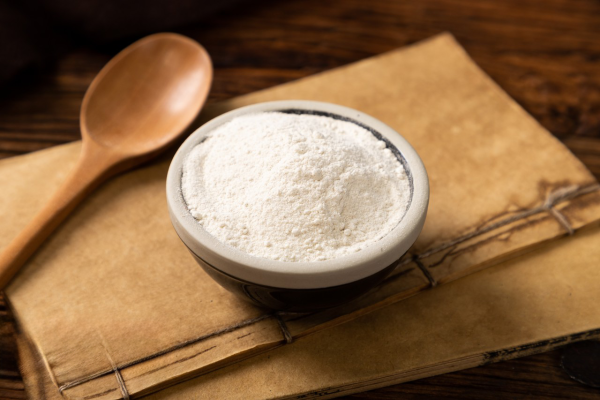
Why Multi-Brand Sourcing Can Benefit Factories
Depending on one exact grade from one manufacturer can expose a production facility to unnecessary supply-chain risk.
A more resilient strategy is to qualify technically compatible alternatives in advance. MT Royal’s ability to supply multiple brands can help procurement teams evaluate alternatives while maintaining the required functional characteristics.
The important word is qualify.
A substitute should never be approved merely because the label says “carrageenan E407.” Your R&D team should compare functional behavior, dosage, sensory performance, processing requirements, and finished-product stability.
This approach can reduce the risk of a familiar industrial scenario: production is ready, packaging is waiting, the customer is waiting, and someone discovers that the “equivalent” ingredient behaves like a completely different animal.
Emerging Trends in Carrageenan Applications
Carrageenan is no longer limited to traditional dairy and dessert applications.
Current research is exploring broader opportunities in plant-based foods, encapsulation, edible materials, and advanced food technologies.
The growth of plant-based formulations is particularly relevant because manufacturers need to recreate texture and stability characteristics traditionally provided by animal-derived or dairy ingredients.
At the same time, food manufacturers are increasingly interested in multifunctional ingredients that can solve several formulation problems simultaneously. A hydrocolloid that provides thickening, stabilization, water management, and texture modification can potentially simplify a formulation and reduce the need for multiple separate ingredients.
For procurement teams, this means carrageenan should be evaluated not merely as a commodity additive but as a functional processing tool.
Frequently Asked Questions About Carrageenan E407
Is Carrageenan E407 a thickener or a stabilizer?
It can be both. Depending on the type and formulation, carrageenan can function as a thickener, stabilizer, gelling agent, suspension aid, and texture modifier.
Is all Carrageenan E407 the same?
No. Kappa, iota, and lambda carrageenan have different functional behaviors. Grade selection should be based on the intended application and formulation requirements.
Which carrageenan is best for beverages?
There is no universal answer. The appropriate grade depends on the beverage’s protein system, solids, minerals, pH, processing conditions, desired viscosity, and suspension requirements.
Can carrageenan be used in plant-based foods?
Yes. Carrageenan is used in various plant-based formulations, including beverages and alternative food products. Its ability to modify texture and stability can be particularly useful when replacing functionality traditionally supplied by dairy components.
Should factories buy the cheapest carrageenan?
Not necessarily. The better metric is the total cost of achieving the required product performance. A higher-priced ingredient used at a lower effective dosage may be economically superior.
Does carrageenan need to be tested before large-scale purchasing?
Absolutely. Laboratory and pilot trials can identify dispersion, viscosity, gel strength, sensory, and processing issues before they become expensive factory-scale problems.
What should I ask a carrageenan supplier for?
At minimum, request the technical specification, applicable certificates, product grade and type, recommended application information, packaging details, shelf-life information, and batch-related documentation relevant to your quality system.
Making Carrageenan a Controlled Production Advantage
The most effective food manufacturers do not treat hydrocolloids as mysterious powders added “until the texture looks right.” They understand that these ingredients are part of a controlled engineering system.
Carrageenan E407 – High Quality Thickeners for Food can deliver significant functional value when the grade is correctly selected, properly dispersed, processed under controlled conditions, and sourced consistently.
The purchasing decision therefore begins long before the purchase order. It begins with understanding the product’s technical target.
For a dairy manufacturer, that may mean preventing cocoa sedimentation. For a plant-based beverage producer, it may mean achieving stable suspension and acceptable mouthfeel. For a processed-meat factory, it may involve water binding and structural consistency. For a dessert manufacturer, it may mean achieving the precise balance between firmness and elasticity.
MT Royal can be considered within this broader sourcing strategy because it offers carrageenan across multiple functional types and brands, allowing manufacturers to approach procurement with greater flexibility while maintaining attention to technical requirements and competitive pricing.
We also recommend that factories evaluate carrageenan on a performance-per-kilogram-of-finished-product basis rather than simply comparing supplier quotations. That small change in purchasing logic can reveal substantial differences in the real economics of an ingredient.
Ultimately, the best thickener is not the one that looks cheapest on a quotation sheet. It is the one that behaves predictably in your formulation, survives your production process, meets your quality requirements, and continues performing consistently when the factory moves from a successful pilot batch to full-scale production.
For manufacturers seeking reliable Carrageenan E407 – High Quality Thickeners for Food, that is the standard worth applying: not merely a bag of powder, but a dependable functional ingredient supported by the right grade, documentation, supply continuity, and technical understanding.




No comment