

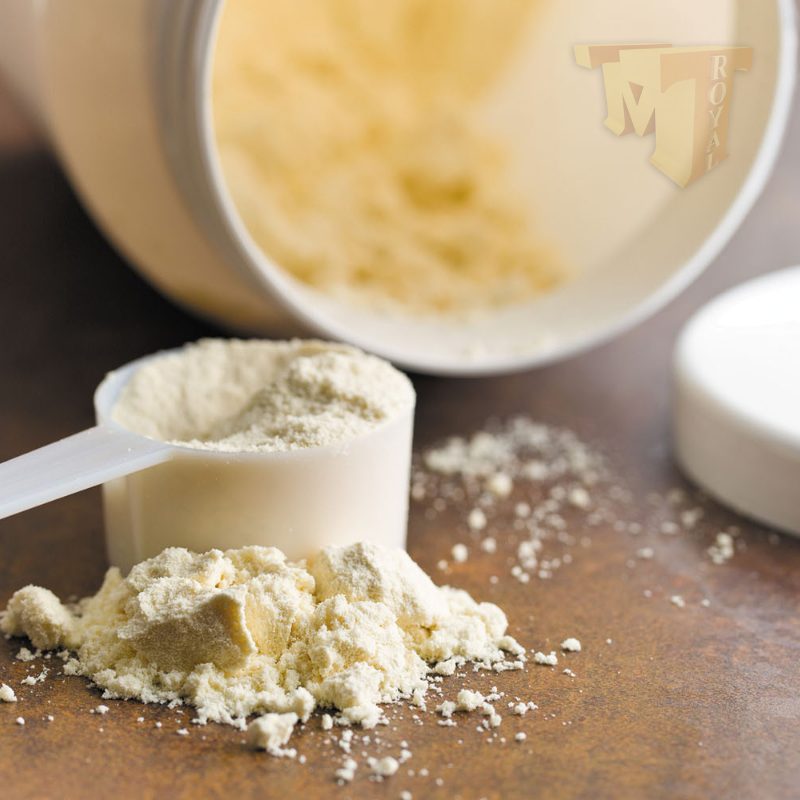
For factories, food manufacturers, sports nutrition companies, and private-label brands, choosing the right whey protein supplier is not simply a purchasing decision. It affects formulation consistency, production efficiency, product positioning, and ultimately your ability to deliver a reliable finished product to the market. If you are evaluating Whey Protein Isolate from TÜRKİYE, working with an experienced sourcing partner such as MT Royal can help you compare multiple brands, assess technical specifications, and identify competitive supply options without turning procurement into a guessing game.
Whey protein isolate has become an increasingly important ingredient for manufacturers seeking high-protein formulations with low levels of fat, lactose, and carbohydrates. Yet the phrase “whey protein isolate” alone does not tell you enough. The real questions are about protein concentration, processing technology, solubility, microbiological quality, documentation, batch consistency, packaging, and logistics. For B2B buyers, the difference between an acceptable ingredient and a dependable industrial raw material often appears only after production begins.
This guide explains what you should know before sourcing Whey Protein Isolate from TÜRKİYE, how to evaluate suppliers, which mistakes to avoid, and how to approach procurement with a more technical and commercially informed strategy.
What Is Whey Protein Isolate?
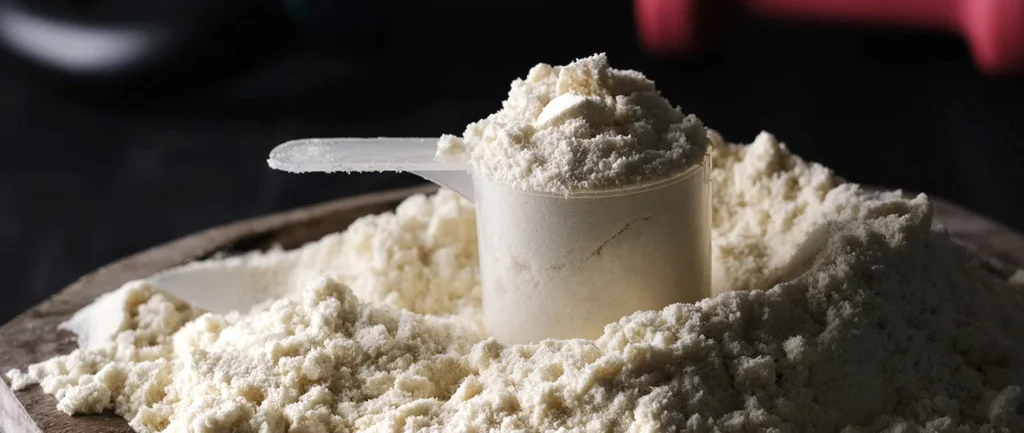
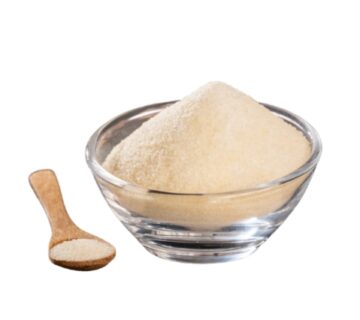
Whey protein isolate, commonly abbreviated as WPI, is a highly purified dairy protein ingredient produced from whey, the liquid fraction generated during cheese production. Through filtration and concentration processes, much of the lactose, fat, and other non-protein components are removed.
High-quality whey protein isolate typically provides a protein content of around 90% or more on a dry basis, although exact specifications depend on the manufacturer, analytical method, and product grade.
For manufacturers, the key value of WPI is not simply its protein percentage. Its functionality can influence the performance of the finished product.
Important characteristics may include:
- High protein concentration
- Low lactose content
- Low fat content
- Good solubility
- Neutral or mild dairy flavor
- Suitable dispersibility
- Consistent particle characteristics
- Microbiological stability
- Compatibility with beverage and powder formulations
These properties make WPI relevant to sports nutrition, functional foods, protein beverages, meal replacements, dietary supplements, and other high-protein applications.
However, two products with similar headline protein values can behave differently during production. A powder that looks excellent on paper may create foaming, poor dispersion, sedimentation, or flavor issues when introduced into a real manufacturing process. That is why procurement and technical teams should evaluate the ingredient as a complete manufacturing input rather than treating protein percentage as the only decision criterion.
Why Consider Whey Protein Isolate from TÜRKİYE?
Türkiye occupies a strategically important position between Europe, Asia, and the Middle East, making it an interesting sourcing market for international B2B buyers. Its geographic position can provide logistical advantages for companies serving nearby markets, while its established food and dairy industries support access to a broad ecosystem of ingredient suppliers and manufacturers.
For buyers considering Whey Protein Isolate from TÜRKİYE, several factors may be relevant:
Regional Supply Advantages
Türkiye’s location can be advantageous for buyers who need efficient access to European, Middle Eastern, Central Asian, or neighboring markets. Depending on the origin of the raw material and the final processing location, buyers may benefit from established regional logistics routes and flexible shipping options.
Multiple Brand and Grade Options
Industrial buyers rarely need exactly the same specification for every product. One factory may require instantized WPI for a ready-to-mix beverage, while another may prioritize a specific flavor profile or nutritional specification.
A sourcing company such as MT Royal can be useful when you need to compare multiple brands and product options rather than committing immediately to a single manufacturer. This broader approach can be especially valuable when procurement teams are balancing technical performance against price.
Potential Cost Competitiveness
Ingredient pricing is influenced by dairy market conditions, energy costs, transportation, exchange rates, packaging, and production capacity. A competitive price is therefore not necessarily the lowest quoted price. The better metric is often the total landed cost, including freight, duties, documentation, handling, quality control, and potential production losses.
In our collaboration with various factories, we have seen that a slightly higher unit price can sometimes produce a lower overall cost when the ingredient delivers better consistency and fewer processing problems.
What B2B Buyers Should Check Before Purchasing
Before approving a supplier of Whey Protein Isolate from TÜRKİYE, your procurement and quality teams should establish a clear technical checklist.
1. Protein Content
Confirm the stated protein percentage and the analytical method used. Do not assume that all suppliers calculate protein in exactly the same way.
2. Solubility and Dispersibility
For beverage manufacturers, solubility can be critical. Poorly dispersible powder may cause sedimentation, clumping, or an unattractive finished product.
3. Lactose and Fat Levels
If your product is marketed toward consumers seeking low-lactose or low-fat nutrition, verify the actual specification rather than relying solely on general product descriptions.
4. Microbiological Parameters
Review specifications for total plate count, yeast and mold, coliforms, and other relevant microbiological criteria according to your target market and product category.
5. Certificates and Documentation
Depending on your market, you may require documentation such as:
- Certificate of Analysis (COA)
- Product specification sheet
- Certificate of Origin
- Food safety documentation
- Allergen information
- Halal certification
- Kosher certification
- Non-GMO documentation, where applicable
- Traceability information
The exact requirements depend on your country, application, and regulatory framework.
6. Packaging
Industrial packaging affects storage, handling, and warehouse efficiency. Check bag size, material, pallet configuration, labeling, and protection against moisture.
A technically excellent ingredient can still become a warehouse headache if packaging is poorly designed. Procurement teams learn this lesson quickly—and usually only once.
Common Mistakes in Industrial Sourcing
One of the most common sourcing errors is comparing suppliers based only on price per kilogram. This approach can be misleading.
A more useful comparison considers:
Effective cost = purchase price + logistics + duties + handling + quality losses + production inefficiencies
Another common mistake is ordering a large commercial volume before conducting a production trial. Your R&D team should test the WPI in the actual formulation, especially if the ingredient will be used in an instant beverage, protein shake, nutrition bar, or complex powder blend.
Buyers should also avoid assuming that a supplier’s previous performance guarantees future consistency. Every new batch should be supported by appropriate documentation and, when necessary, quality testing.
Finally, do not overlook lead times. A low-cost ingredient that arrives three weeks late can be considerably more expensive than a competitively priced product delivered when your production schedule requires it.
Specialized Tips for Large-Scale Production
For high-volume manufacturers, consistency is often more valuable than a marginal price reduction. If your factory consumes several tons of WPI per month, even small variations in powder behavior can affect mixing time, production throughput, and finished-product quality.
We recommend that larger buyers establish a supplier qualification process that includes three stages: laboratory evaluation, pilot production, and commercial validation.
During laboratory testing, evaluate nutritional and functional specifications. During pilot production, observe how the powder behaves under actual mixing conditions. At commercial scale, monitor batch-to-batch consistency and production efficiency.
It is also wise to maintain a documented approved supplier list and periodically reassess alternative sources. This reduces dependency on one supplier and gives procurement teams greater resilience when market conditions change.
MT Royal can be particularly relevant for B2B buyers who want to explore different brands and sourcing options through one commercial channel. Rather than treating every purchase as an isolated transaction, buyers can compare available alternatives based on specification, application, availability, and competitive pricing.
Frequently Asked Questions from B2B Buyers
Is Whey Protein Isolate suitable for industrial food production?
Yes. WPI is widely used in high-protein nutritional products, sports nutrition, functional foods, and beverage applications. Its suitability depends on the specific formulation and technical requirements.
Is a higher protein percentage always better?
Not necessarily. Protein content is important, but solubility, flavor, microbiological quality, functionality, and consistency may be equally important for your application.
How should factories compare suppliers?
Compare suppliers using a combination of technical specifications, quality documentation, production performance, delivery reliability, and total landed cost—not unit price alone.
Should I buy directly from one brand or compare several?
For many B2B buyers, comparing several qualified brands can reduce sourcing risk and improve negotiating leverage. The best option depends on your required specification, volume, market, and production process.
Can MT Royal help with sourcing Whey Protein Isolate from TÜRKİYE?
MT Royal can be approached as a sourcing partner for buyers seeking multiple brands and competitive purchasing options. Your procurement team should provide the required specification, estimated volume, destination market, and documentation requirements so suitable options can be evaluated.
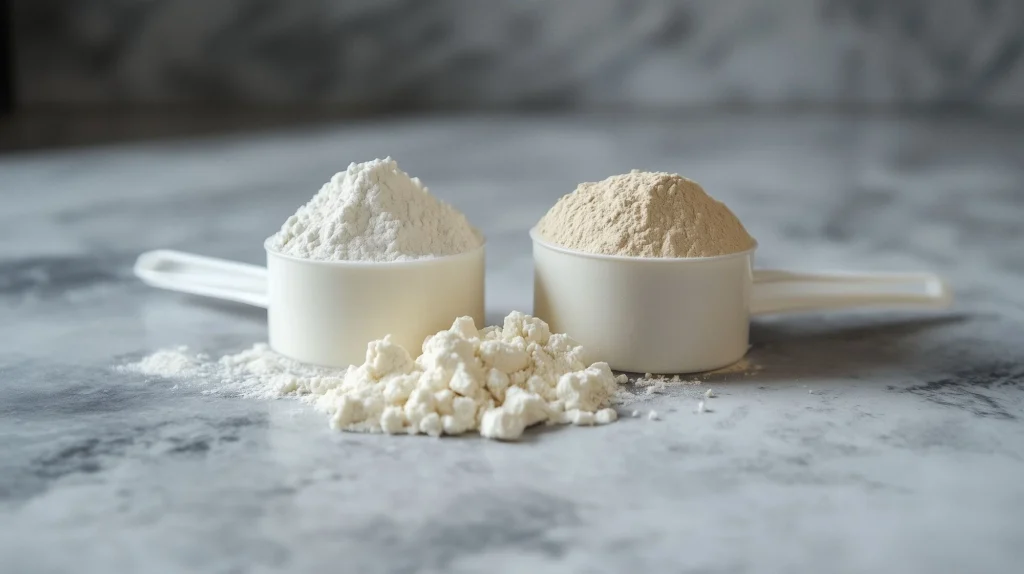
Making the Right Sourcing Decision
The strongest procurement strategy begins with a simple shift in perspective: you are not merely buying whey protein; you are buying predictable manufacturing performance.
For factories and B2B buyers, Whey Protein Isolate from TÜRKİYE can be an attractive sourcing option when evaluated through the right technical and commercial framework. The best supplier is not necessarily the one offering the lowest initial quotation. It is the one that can consistently meet your specifications, support your documentation requirements, deliver on schedule, and provide a commercially sustainable solution as your production volume grows.
That is where a knowledgeable sourcing partner can make a measurable difference. By working with MT Royal, buyers can explore multiple brands, compare specifications, and assess competitive options before making a commitment. For companies purchasing at scale, that extra layer of comparison can protect both margins and production continuity.
Your next purchase order should not be based on a spreadsheet cell alone. Start with your formulation requirements, define the technical specification, calculate the real landed cost, and then compare qualified suppliers. When those pieces align, sourcing becomes less about finding the cheapest bag of powder and more about building a supply chain that your factory can depend on.
LATAMARKO LM60 – Premium Spanish-Origin Cocoa Powder
latamarko alkalized cocoa powder lm60
cocoa powder for chocolate production-Best price
Food industry raw materials – list of products

No comment