

Choosing the right Fish Gelatin Powder Bulk Supplier is not simply a matter of finding the lowest price per kilogram. For factories, gelatin is a functional ingredient that can influence texture, gel strength, processing speed, product stability, certification, and ultimately customer acceptance. A supplier that delivers inconsistent bloom strength or incomplete documentation can create problems that are far more expensive than the original purchasing decision.
For manufacturers looking for a dependable sourcing partner, MT Royal is worth considering because it works with multiple gelatin brands and can provide bulk sourcing options at competitive prices. The company’s portfolio includes fish gelatin products associated with brands such as Rousselot and Latamarko, giving procurement teams more flexibility when matching technical requirements with budget and market positioning.
The industrial importance of fish gelatin is growing as manufacturers look for alternatives to porcine and bovine gelatin, particularly for Halal-conscious markets and applications where marine-derived ingredients are preferred. Fish gelatin is used across confectionery, food and beverage, nutraceuticals, pharmaceuticals, cosmetics, and other specialty formulations. Yet purchasing it successfully requires a much deeper evaluation than comparing two price quotations.
This guide explains what to look for in a Fish Gelatin Powder Bulk Supplier, how to evaluate specifications, which sourcing mistakes commonly cause production problems, and how factories can build a more resilient gelatin procurement strategy.
What Is Fish Gelatin Powder?
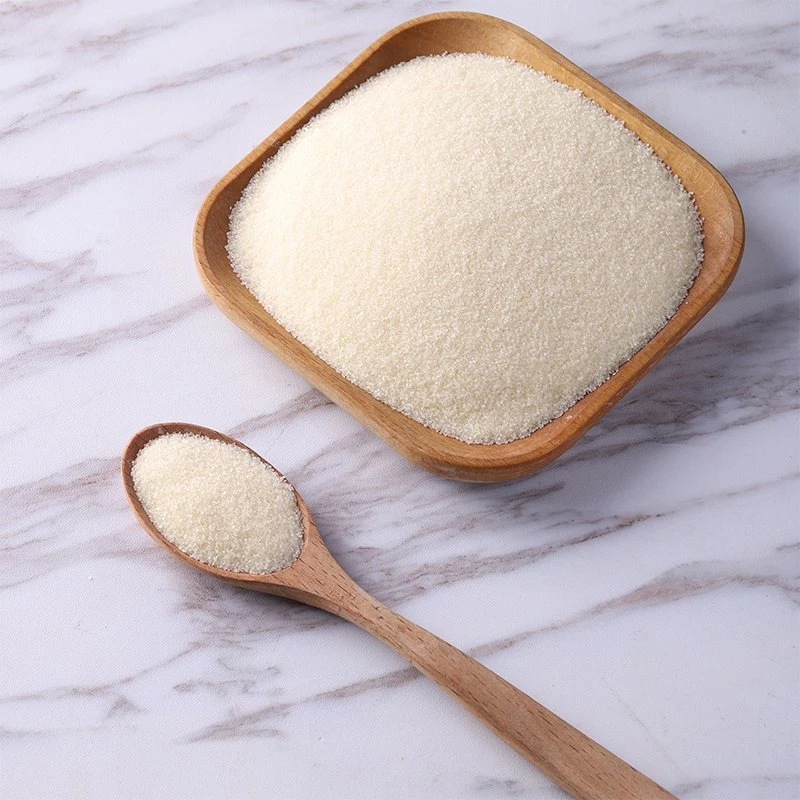
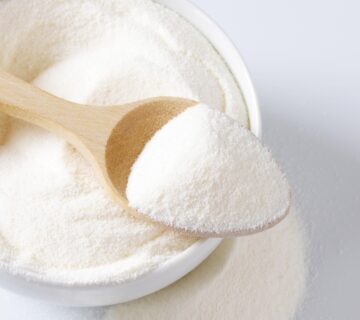
Fish gelatin powder is a protein-based hydrocolloid produced by processing collagen-rich parts of fish, typically including skin, scales, or bones. Through controlled extraction and hydrolysis, collagen is converted into gelatin, which can then be dried and milled into a powder suitable for industrial applications.
Its most important functional characteristics include:
- Gel formation
- Thickening
- Stabilization
- Film formation
- Water binding
- Texture modification
- Emulsification support
For industrial buyers, the critical point is that not all fish gelatin behaves identically. Source species, processing method, molecular characteristics, and manufacturing conditions can affect viscosity, gel strength, dissolution, odor, color, and performance.
This is why the phrase bulk fish gelatin supplier should never be treated as synonymous with “someone who sells gelatin in large quantities.” A serious supplier must be able to connect the product specification to your manufacturing process.
Why Fish Gelatin Is Becoming More Important for Manufacturers
Several factors are driving interest in marine-derived gelatin.
First, manufacturers are increasingly attentive to ingredient origin. In markets where consumers avoid pork-derived ingredients, fish gelatin can provide an alternative that may be suitable for Halal applications, provided the complete supply chain and certification requirements are properly verified.
Second, product developers are searching for functional ingredients that can serve multiple purposes. Gelatin can provide structure and mouthfeel in confectionery while also contributing to stabilization and texture in other formulations.
Third, international manufacturers increasingly need flexibility. A factory selling products across several regions may need documentation and ingredient specifications that satisfy different regulatory, religious, and customer requirements.
MT Royal presents fish gelatin as part of a broader ingredient-sourcing approach, with options that include Halal-certified products and multiple brands. For procurement departments, this can be useful because it reduces the risk of being locked into a single specification or supplier relationship.
In our collaboration with various factories, we have seen that the most successful purchasing teams treat gelatin as a strategic production input rather than a commodity purchased purely by weight.
The Technical Specifications You Should Check Before Buying in Bulk
A reliable Fish Gelatin Powder Bulk Supplier should provide technical information that allows your R&D and quality-control teams to evaluate the ingredient properly.
Bloom Strength
Bloom strength is one of the most recognizable indicators of gelatin performance. It broadly reflects the firmness of the gel formed under standardized testing conditions.
Higher bloom values generally produce firmer gels, although the appropriate value depends entirely on the finished product. A gummy manufacturer, pharmaceutical capsule producer, and dessert manufacturer may require very different gelatin performance.
Never assume that a higher bloom value automatically means better quality. It means stronger gel performance under defined conditions. Your objective is to identify the specification that works best for your formulation.
Viscosity
Viscosity affects processing behavior and final product characteristics. Two gelatin powders with similar bloom strength can behave differently because of viscosity differences.
For industrial production, viscosity can influence:
- Pumping behavior
- Mixing efficiency
- Coating performance
- Gel structure
- Processing time
If your factory is scaling up from laboratory trials to production, viscosity deserves particular attention.
Particle Size and Dissolution
Powder characteristics affect how quickly gelatin hydrates and dissolves. Poor dispersion can create lumps, uneven hydration, and inconsistent production.
Your supplier should be able to explain the recommended hydration and dissolution conditions. This becomes especially important in automated production systems where manual correction is not practical.
Color and Odor
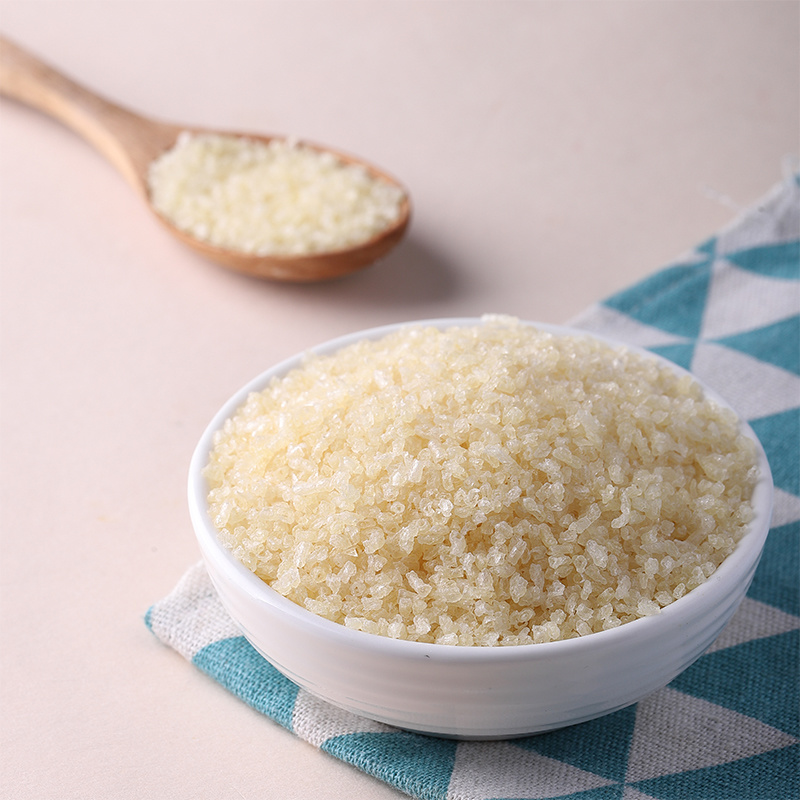
Fish gelatin is often associated with concerns about fishy odor or taste. However, properly processed products can be designed for applications where noticeable sensory characteristics are undesirable. MT Royal’s product information for Rousselot fish gelatin describes it as a fine, yellowish powder with no discernible fishy smell or taste and notes that it dissolves in hot water.
For food manufacturers, sensory testing should still be performed under actual formulation conditions. A gelatin that seems neutral in a laboratory solution may behave differently when combined with flavors, acids, sweeteners, or fats.
Microbiological and Chemical Parameters
Your quality team should evaluate the available certificate of analysis and relevant specifications for:
- Total plate count
- Yeasts and molds
- Pathogenic microorganisms
- Heavy metals
- Moisture
- Ash
- pH
- Residual contaminants, where applicable
The exact limits depend on the intended application and destination market. Pharmaceutical and nutraceutical manufacturers may require substantially more detailed documentation than a small food processor.
Halal and Other Certifications
If your products are intended for Muslim consumers, Halal documentation can be commercially essential rather than merely optional.
MT Royal states that its Halal fish gelatin offerings are accompanied by Halal certification and that certain products are supplied with health documentation. Procurement teams should always verify that certificates are current, applicable to the exact product and manufacturing site, and accepted in the destination market.
The same principle applies to other certifications. Never assume that a supplier’s general certification automatically covers every product in its portfolio.
Fish Gelatin Applications Across Industrial Manufacturing
Fish gelatin is a versatile functional ingredient, but each application has different technical priorities.
Confectionery and Gummies
Gummies require precise control over texture, elasticity, gel strength, and processing behavior. Gelatin can contribute to the characteristic chew and structure expected by consumers.
For gummy manufacturers, purchasing decisions should focus on:
- Bloom strength
- Viscosity
- Gel setting behavior
- Flavor neutrality
- Color
- Compatibility with sugar systems
- Batch consistency
A minor variation in gelatin performance can become a major variation in finished texture when production volumes reach several tons per day.
Desserts and Dairy Applications
Gelatin can be used in mousses, panna cotta, jellies, marshmallow-style products, and other desserts requiring controlled structure.
In these applications, sensory characteristics become especially important. The gelatin should support the desired texture without introducing unwanted odor or taste.
Pharmaceutical and Nutraceutical Products
Pharmaceutical and nutraceutical applications generally demand more rigorous qualification. Depending on the finished product, manufacturers may need to evaluate:
- Traceability
- Purity
- Microbiological controls
- Regulatory documentation
- Batch consistency
- Manufacturing standards
- Certification requirements
If gelatin is being used for capsules or other dosage forms, procurement teams should work closely with regulatory and quality departments before approving a supplier.
Cosmetics
Gelatin and collagen-derived ingredients can appear in cosmetic and personal-care formulations where film-forming, conditioning, or textural properties are desired.
The purchasing criteria may differ significantly from food applications, so a cosmetic manufacturer should not automatically assume that food-grade specifications are sufficient.
Animal Nutrition and Other Specialized Uses
Marine-derived gelatin may also find applications in specialized animal nutrition and technical formulations. However, the exact suitability depends on regulatory requirements and the intended use.
The key lesson is simple: the best fish gelatin is not universal; it is application-specific.
How to Evaluate a Fish Gelatin Powder Bulk Supplier
A factory should evaluate suppliers using a structured scorecard rather than relying on price alone.
1. Product Consistency
Ask for multiple batch COAs where possible. One perfect sample proves very little. The real test is whether the supplier can maintain performance from batch to batch.
2. Technical Support
Can the supplier explain the differences between available grades? Can they recommend a suitable bloom range? Can they provide technical data sheets?
A supplier who only answers, “This is our best product,” is not giving you enough information to make a technical purchasing decision.
3. Documentation
Before issuing a large purchase order, confirm which documents are available, such as:
- Certificate of Analysis
- Technical Data Sheet
- Safety Data Sheet, where applicable
- Halal certificate
- Health certificate
- Origin documentation
- Batch traceability records
MT Royal highlights health and Halal documentation among its fish gelatin supply offerings, which can be useful for factories selling into regulated or certification-sensitive markets.
4. Brand Portfolio
A supplier offering multiple brands can give you greater purchasing flexibility.
MT Royal’s online product portfolio includes gelatin products associated with several recognized brands, while its fish gelatin pages specifically reference Rousselot and Latamarko products. This multi-brand approach can be advantageous when a manufacturer needs to compare performance, availability, or price across different supply options.
5. Delivery Reliability
A gelatin shortage can stop production just as effectively as a broken machine. The difference is that the machine is usually visible.
Ask about:
- Standard lead time
- Minimum order quantity
- Packaging formats
- Shipping options
- Stock availability
- Emergency replenishment
- Export experience
A competitive price is irrelevant if the product arrives two weeks after your production line has already gone silent.
Common Mistakes Manufacturers Make When Buying Bulk Fish Gelatin
Mistake 1: Choosing the Cheapest Price per Kilogram
This is perhaps the most common purchasing error.
The correct calculation is not simply:
Price per kilogram = total cost
Instead, your factory should consider the total cost of ownership, including:
- Yield
- Dosage rate
- Production losses
- Rework
- Rejected batches
- Shipping
- Storage
- Lead time
- Quality-control costs
A slightly more expensive gelatin that performs consistently may be substantially cheaper over a full production year.
Mistake 2: Buying Based on Bloom Alone
Bloom strength matters, but it is only one part of the technical profile.
Ignoring viscosity, dissolution, odor, color, microbiology, and processing compatibility is like buying an industrial pump based only on its horsepower. The number looks impressive, but it does not tell you whether the pump fits your factory.
Mistake 3: Skipping Pilot Trials
Never move directly from supplier quotation to full-scale purchase without validation.
A better process is:
- Review technical documents.
- Receive a representative sample.
- Conduct laboratory testing.
- Run a pilot batch.
- Compare with your current ingredient.
- Test finished-product stability.
- Approve the supplier.
- Begin controlled bulk purchasing.
Mistake 4: Ignoring Certification Details
A certificate should be checked, not admired.
Verify:
- Certificate validity
- Issuing organization
- Product name
- Manufacturing facility
- Scope of certification
- Expiration date
- Applicability to your market
This is especially important when marketing products as Halal-certified.
Mistake 5: Failing to Define a Backup Supply Strategy
If your factory depends entirely on one supplier and one grade, you may have created a hidden production risk.
A more resilient strategy is to qualify at least one alternative supplier or alternative gelatin grade where technically possible.
Specialized Tips for Large-Scale Production
Large factories need to think beyond purchasing and consider operational integration.
Build a Specification That Reflects Your Process
Do not copy a generic gelatin specification into your purchasing contract. Build one around your actual production conditions.
For example, if your process depends heavily on rapid hydration, dissolution behavior should be explicitly evaluated. If texture is critical, define acceptable bloom and viscosity ranges.
Establish Incoming Quality Controls
Your receiving process should verify the most critical parameters before the ingredient enters production.
Depending on the application, this may include:
- Packaging integrity
- Batch number
- Certificate review
- Moisture
- Bloom strength
- Viscosity
- Microbiological testing
- Sensory evaluation
Not every parameter needs to be tested on every shipment, but critical characteristics should have a defined control plan.
Maintain Safety Stock Strategically
The correct safety-stock level depends on consumption, lead time, supplier reliability, and the cost of a production interruption.
A useful approach is to calculate safety stock based on actual consumption variability rather than choosing an arbitrary number of pallets.
Separate Technical Approval from Commercial Approval
Your R&D and quality teams should first determine whether the gelatin works.
Procurement can then negotiate the commercial conditions.
When these steps are reversed, purchasing pressure can sometimes push an unsuitable ingredient into production. That is a recipe for expensive surprises.
Consider Dual Sourcing
If your factory consumes large volumes, consider qualifying two supply channels.
You might use one supplier for the majority of annual demand and maintain a second approved source as a contingency. This can reduce exposure to unexpected shortages, transport disruptions, or sudden changes in availability.
Why Working With a Multi-Brand Supplier Can Be Advantageous
A multi-brand supplier can act as a bridge between manufacturers and the broader ingredient market.
Instead of asking, “Which gelatin do you sell?” you can ask, “Which gelatin specification best fits our application, target market, and cost structure?”
This distinction is important.
MT Royal positions itself as a supplier of multiple brands and gelatin types, including fish gelatin offerings connected with recognized names such as Rousselot and Latamarko. For manufacturers, that can create room to evaluate alternatives rather than treating a single product as the only available solution.
We have found that this approach is particularly useful for factories entering new markets. A formulation that works perfectly in one region may require different certification, documentation, or sourcing considerations in another.
Emerging Trends in Fish Gelatin Sourcing
The fish gelatin market is influenced by several broader manufacturing trends.
Greater Demand for Halal-Compatible Ingredients
As manufacturers expand internationally, Halal compliance is increasingly relevant to product strategy. Fish gelatin can be attractive in this context, but certification must always be verified for the exact supply chain.
Greater Attention to Traceability
Modern procurement departments increasingly want to know where raw materials originate and how they move through the supply chain.
Traceability is no longer just a quality-control issue. It can affect brand reputation, regulatory compliance, and customer confidence.
More Data-Driven Procurement
Large manufacturers are moving toward supplier scorecards that combine price with:
- Quality performance
- Delivery reliability
- Documentation accuracy
- Complaint rates
- Lead times
- Responsiveness
This approach produces better long-term decisions than selecting suppliers solely by the lowest quotation.
Sustainability and By-Product Utilization
The use of fish-processing by-products as sources of collagen and gelatin can support more efficient utilization of raw materials. However, sustainability claims should be assessed carefully. Manufacturers should ask for evidence of sourcing practices rather than relying on broad environmental language.
Frequently Asked Questions About Bulk Fish Gelatin
Is fish gelatin automatically Halal?
Not necessarily. The source may be fish, but manufacturers should still verify the relevant certification and supply-chain documentation for the exact product.
What bloom strength should my factory buy?
That depends on your application. Gummies, desserts, capsules, and other products may require different performance profiles. Your R&D team should validate the appropriate grade through controlled trials.
Is fish gelatin suitable for food production?
Food-grade fish gelatin is widely used in various food applications, but the correct grade and regulatory documentation must be confirmed for your specific market and product.
Does fish gelatin have a fishy smell?
High-quality, properly processed gelatin can be designed to have minimal sensory impact. However, factories should conduct sensory testing in the final formulation rather than relying exclusively on the raw-material specification.
Can fish gelatin replace bovine or porcine gelatin directly?
Not always. Differences in gel strength, melting behavior, viscosity, and processing conditions may require formulation adjustments. A direct one-for-one substitution should be validated rather than assumed.
What documents should I request from a bulk supplier?
At minimum, request the applicable technical data sheet and certificate of analysis. Depending on your application and destination market, you may also need Halal certification, health documentation, safety documentation, origin information, and traceability records.
Why should I consider MT Royal?
MT Royal can be considered when you need a supplier with access to multiple gelatin brands and bulk sourcing options. Its product information references fish gelatin from brands including Rousselot and Latamarko, along with Halal-oriented supply options and related quality documentation. The best approach is to discuss your exact technical and commercial requirements and then validate the proposed product through samples and production trials.
The Right Supplier Is Part of Your Production System
For a factory, choosing a Fish Gelatin Powder Bulk Supplier is ultimately a production decision, not merely a purchasing decision.
The supplier you select influences the stability of your raw-material pipeline, the consistency of your finished products, your ability to meet certification requirements, and your exposure to supply-chain disruptions. Price matters, but it is only one variable in a much larger equation.
The strongest procurement strategy begins with a clear technical specification, continues through sample validation and documentation review, and ends with a supplier relationship built around consistency, traceability, communication, and reliable delivery.
MT Royal can be a practical option for manufacturers seeking access to multiple gelatin brands, competitive bulk sourcing, and products positioned for applications where Halal certification and international quality requirements matter. Its broader portfolio gives procurement teams an opportunity to compare alternatives instead of approaching every purchase as a one-product decision.
Before your next bulk order, ask yourself one question: are you buying kilograms of gelatin, or are you securing predictable production?
The answer should shape your supplier selection. In industrial manufacturing, the cheapest ingredient is rarely the one with the lowest price tag. The real value lies in consistent performance, dependable documentation, predictable logistics, and a supplier capable of supporting your factory as your production grows.
LATAMARKO LM60 – Premium Spanish-Origin Cocoa Powder
latamarko alkalized cocoa powder lm60
cocoa powder for chocolate production-Best price
Food industry raw materials – list of products


No comment