

Choosing the right Trehalose Supplier can have a surprisingly large effect on the performance, economics, and consistency of your finished products. Trehalose is used in food, beverage, pharmaceutical, biotechnology, and specialty applications where its stability and functional characteristics can provide advantages that ordinary sugars cannot always deliver.
For manufacturers purchasing at commercial scale, MT Royal can be a practical sourcing option because it offers access to multiple brands at competitive prices. That flexibility gives your procurement team more room to compare origin, specification, availability, packaging, and commercial terms rather than treating one supplier’s quotation as the entire market.
Trehalose may arrive at your factory looking like an ordinary white crystalline carbohydrate. In production, however, it behaves like a much more specialized ingredient. It can influence sweetness, moisture management, crystallization, thermal stability, texture, and the preservation of sensitive materials. The difference between a satisfactory supply and an excellent one often comes down to details such as purity, water content, particle size, documentation, and batch-to-batch consistency.
For that reason, trehalose procurement deserves the same structured thinking you would apply to any formulation-critical raw material.
LATAMARKO – Premium Spanish-Origin Cocoa Powder
Food industry raw materials – list of products
Food Ingredients Supplier in Türkiye for Manufacturers and Importers
What Is Trehalose?
Trehalose is a naturally occurring non-reducing disaccharide composed of two glucose molecules linked through an α,α-1,1-glycosidic bond.
Unlike sucrose, trehalose is a non-reducing sugar. This chemical characteristic contributes to several of its useful properties in food and other industrial applications.
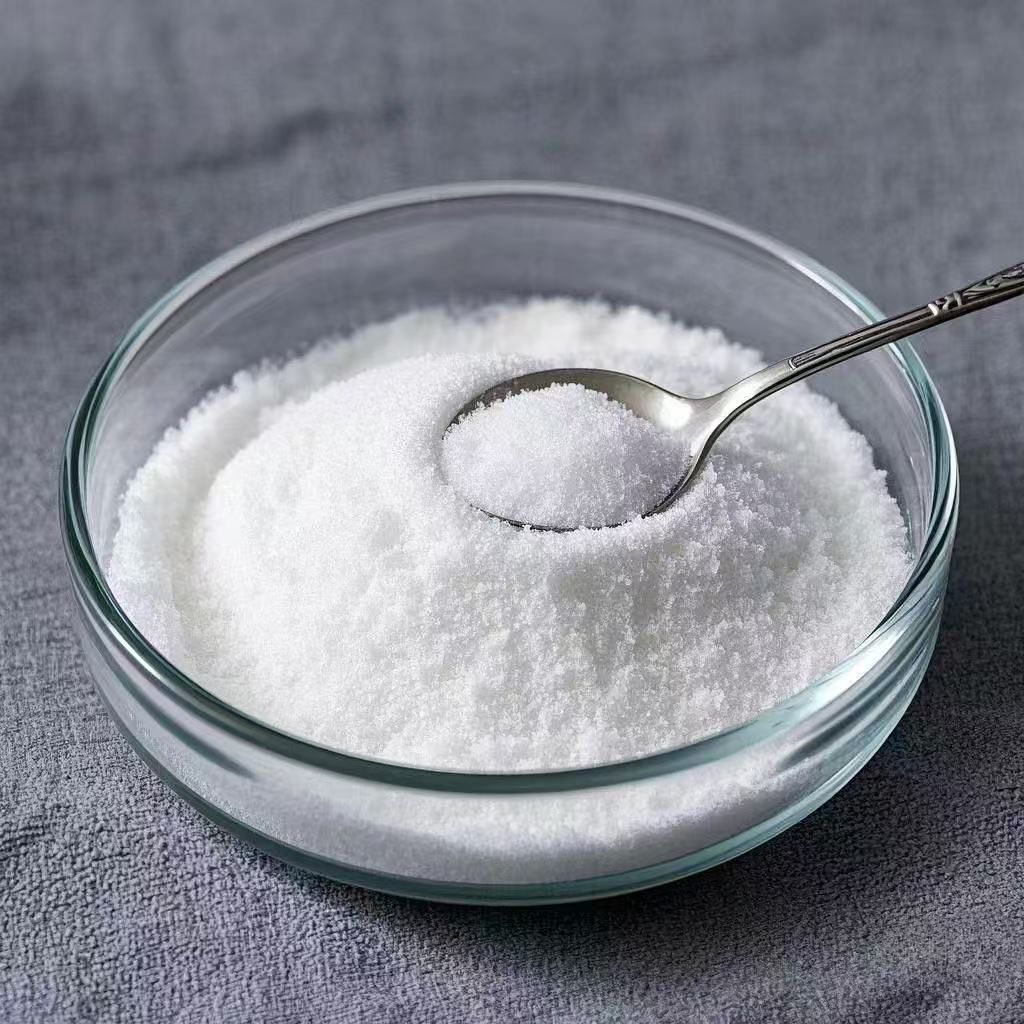
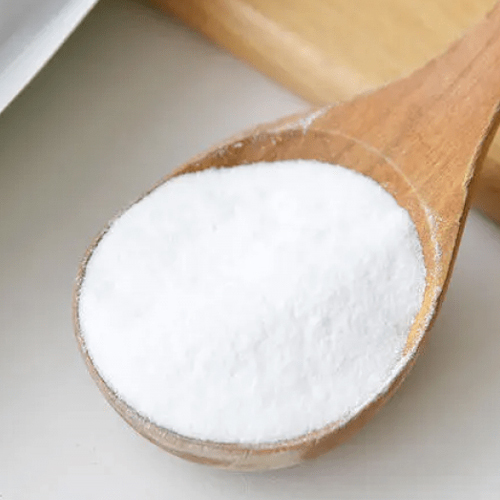
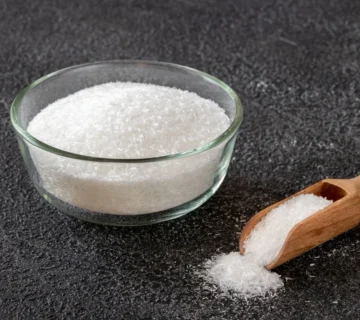
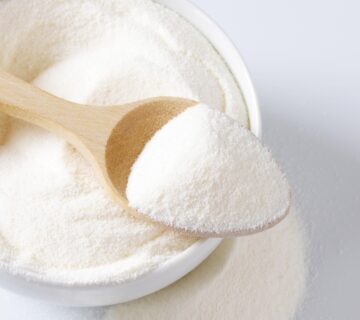
Commercial food-grade trehalose is generally supplied as a white crystalline powder. It has a relatively mild sweetness compared with sucrose and can provide useful solids while offering functional characteristics related to moisture control and stability.
Trehalose is commonly considered for applications involving:
- Food and beverages
- Bakery products
- Confectionery
- Dairy products
- Frozen foods
- Nutritional formulations
- Pharmaceutical products
- Biotechnology and laboratory applications
- Stabilization of sensitive biological materials
The appropriate grade depends heavily on the intended application. A manufacturer should therefore begin procurement with a clearly defined specification rather than simply requesting “trehalose.”
Why Trehalose Is Valuable to Manufacturers
Trehalose attracts formulators because it does several jobs simultaneously.
Mild sweetness
Trehalose is less intensely sweet than sucrose. This can be advantageous when you want to add solids and functional properties without dramatically increasing perceived sweetness.
For products where excessive sweetness is undesirable, this can provide additional formulation flexibility.
Moisture management
Trehalose interacts with water and can influence moisture distribution within a product.
This matters in products where texture and stability depend on water activity and moisture migration.
For example, a manufacturer may be trying to prevent a crisp component from becoming soft or reduce undesirable moisture movement between different phases of a multi-component product.
Thermal stability
Trehalose has useful thermal characteristics compared with many reducing sugars.
Because it is non-reducing, it does not participate in Maillard browning in the same way as reducing sugars such as glucose or fructose.
This can be valuable when maintaining a relatively neutral color and flavor profile is important.
Crystallization behavior
Trehalose can crystallize and can exist in different physical forms. This becomes particularly important for manufacturers dealing with powders, confectionery, frozen formulations, or products where glass-transition behavior affects stability.
The exact physical form and water content should therefore be considered during specification and storage.
Trehalose as a Functional Ingredient
It is tempting to classify trehalose simply as a sugar substitute.
That description is incomplete.
Trehalose is often selected because it can contribute to a product’s physical stability, not merely its sweetness.
For example, a formulator may use it to manage:
- Glass transition
- Moisture migration
- Crystallization
- Texture
- Thermal stability
- Sweetness intensity
- Solids content
This is particularly relevant in complex formulations where multiple ingredients interact.
A useful way to think about trehalose is as a formulation tool rather than simply another carbohydrate on the ingredient list.
Major Industrial Applications of Trehalose
Food and beverage manufacturing
Trehalose can be used in a range of food formulations where its mild sweetness and functional properties are advantageous.
Potential applications include:
- Bakery products
- Cakes and pastries
- Ice cream
- Frozen desserts
- Confectionery
- Sauces
- Dairy formulations
- Prepared foods
- Nutritional products
The exact use level should always be established through formulation trials and applicable regulations.
Bakery applications
In bakery systems, trehalose can influence sweetness, moisture retention, browning behavior, and product texture.
Because it is a non-reducing sugar, it may be useful where excessive browning is undesirable.
However, baking is a complex system. Flour proteins, starch gelatinization, fats, water, yeast, temperature, and other sugars all interact. Trehalose should therefore be evaluated as part of the complete recipe rather than in isolation.
Confectionery
Trehalose can provide bulk and sweetness while offering different crystallization characteristics from sucrose.
This can be useful in selected candies, fillings, and specialty confectionery systems.
The manufacturer should pay close attention to temperature profiles, moisture, crystal formation, and final texture.
Frozen foods and desserts
Trehalose’s functional properties can make it useful in selected frozen formulations.
Ice crystal formation and texture are strongly affected by the composition of the aqueous phase. Trehalose can contribute to solids and influence the physical environment of water.
As always, actual performance depends on the complete formulation and freezing process.
Food-Grade Trehalose Supplier: What Should You Check?
A qualified Trehalose Supplier should provide more than a price quotation.
Purity
Your specification should establish the required trehalose content and relevant impurity limits.
Different applications may require different purity levels.
Moisture
Water content can influence storage stability, physical form, processing behavior, and formulation calculations.
A batch that technically passes a broad specification may still perform differently if its moisture level is near the edge of your internal operating range.
Particle size
Particle size can affect:
- Powder flow
- Dust generation
- Dissolution
- Mixing
- Packaging
- Dispersion
If your production process uses automated powder feeding, particle characteristics become even more relevant.
Microbiological quality
Food manufacturers should establish appropriate microbiological specifications and supplier controls according to their food-safety management system.
Documentation
A reliable supplier should be able to support procurement and quality teams with documentation such as:
- Certificate of Analysis
- Technical Data Sheet
- Product specification
- Safety documentation where applicable
- Origin information
- Batch identification
- Shelf-life information
- Allergen statement where relevant
- GMO status where relevant
How to Choose a Trehalose Supplier for Bulk Purchasing
Bulk sourcing changes the purchasing equation.
You are no longer buying a few cartons for laboratory development. You may be buying pallets or full container quantities that must support production for weeks or months.
A robust supplier evaluation should cover five areas.
1. Technical quality
Does the material consistently meet your approved specification?
2. Supply reliability
Can the supplier support your forecasted demand?
3. Documentation
Can every batch be traced and verified?
4. Commercial competitiveness
Are the purchase price and landed cost competitive?
5. Flexibility
Can the supplier provide alternative brands, packaging options, or sourcing routes if market conditions change?
MT Royal can be useful in this context because it offers multiple brands and competitive pricing. For a manufacturer, having access to alternatives can reduce dependence on one supply route.
However, alternative sourcing should never mean uncontrolled substitution. Every new brand should pass your internal approval procedure.
Common Mistakes When Buying Trehalose
Mistake 1: Treating all trehalose as interchangeable
This is one of the easiest ways to create an avoidable production problem.
Different suppliers may offer material with different physical characteristics even when the chemical identity is the same.
Your technical team should compare actual specifications before approving a substitution.
Mistake 2: Focusing only on price per kilogram
The true cost is the cost of achieving the required result.
Consider:
Effective formulation cost = ingredient price × required dosage + logistics + handling + production impact
A slightly more expensive grade that performs consistently may be more economical than a cheaper material that requires process adjustments.
Mistake 3: Ignoring packaging
Trehalose is a dry powder, and packaging protects it from environmental exposure.
Your purchasing specification should consider package integrity, moisture protection, palletization, storage conditions, and warehouse handling.
Mistake 4: Neglecting stock rotation
Large orders can look attractive on a purchasing spreadsheet.
But if the warehouse becomes crowded with slow-moving material, the apparent savings can quickly disappear.
Mistake 5: Testing only in the laboratory
A small laboratory batch does not necessarily reproduce industrial mixing, conveying, heating, cooling, or filling conditions.
We recommend validating important supplier changes at an appropriate pilot or production scale.
Trehalose vs. Sucrose: Practical Comparison
Trehalose and sucrose have different functional profiles.
| Property | Trehalose | Sucrose |
|---|---|---|
| Basic structure | Non-reducing disaccharide | Disaccharide |
| Relative sweetness | Lower | Higher |
| Reducing sugar | No | No |
| Thermal behavior | Useful stability characteristics | Different thermal and caramelization behavior |
| Moisture functionality | Strong formulation potential | Highly formulation-dependent |
| Crystallization | Distinctive | Well established and widely characterized |
| Typical role | Functional carbohydrate and sweetener | Primary sweetener and bulk carbohydrate |
This comparison should not be interpreted as a recommendation to replace sucrose universally.
In many applications, trehalose is better viewed as an additional formulation tool.
Specialized Tips for Large-Scale Trehalose Processing
Control powder handling
Large-scale powder handling can create variability through segregation, dust, bridging, or inconsistent feeding.
Your production system should be designed around the physical characteristics of the selected trehalose grade.
Validate dissolution
If trehalose is dissolved into a liquid phase, test dissolution under actual production conditions.
Important variables include:
- Water temperature
- Agitation
- Concentration
- Addition rate
- Mixing time
- Tank geometry
Control moisture exposure
Keep bulk containers sealed until required for production.
Warehouse humidity can influence powder behavior and potentially create handling difficulties.
Calibrate dosing equipment
Automated feeders and weighing systems should be checked regularly.
A formulation can be perfectly designed and still fail if the dosing system quietly decides to become creative.
Monitor finished-product consistency
Incoming COA verification is important, but finished-product testing remains essential.
Depending on the product, monitor:
- Moisture
- Texture
- Sweetness
- Color
- Stability
- Particle distribution
- Shelf-life behavior
Bulk Trehalose Supply and Inventory Management
A good Trehalose Supplier should be able to work with your inventory strategy rather than simply shipping whenever an order appears.
Start by calculating average consumption.
Then evaluate:
- Monthly demand
- Seasonal demand
- Supplier lead time
- Import time
- Safety stock
- Warehouse capacity
- Shelf life
- Minimum order quantity
For high-volume production, consider maintaining a qualified secondary supplier.
This can be especially valuable when your factory depends on imported material.
A second qualified source does not mean splitting every purchase equally. It means having a technically approved option when the primary source experiences a disruption.
Why Multiple Brands Can Benefit Manufacturers
Multiple-brand sourcing can provide several advantages.
Supply resilience
If one producer experiences a shutdown or logistics problem, another qualified source may remain available.
Price benchmarking
Competing quotations provide procurement teams with a better understanding of market conditions.
Technical alternatives
Different grades may offer useful physical characteristics for different applications.
Negotiation leverage
A diversified supplier base can reduce the risk of becoming commercially dependent on one source.
MT Royal’s ability to offer multiple brands can therefore be viewed as a procurement flexibility tool rather than simply a product-listing advantage.
Emerging Trends in Trehalose Procurement
The food and ingredient industry is moving toward more sophisticated raw-material management.
One major trend is the growing emphasis on functional specifications.
Instead of buying an ingredient based solely on chemical identity, manufacturers are increasingly specifying how that ingredient must perform.
For trehalose, this can mean defining:
- Moisture range
- Particle-size range
- Dissolution time
- Bulk density
- Crystal characteristics
- Purity
- Microbiological limits
Another trend is supply-chain diversification.
Manufacturers learned during recent global disruptions that an ingredient with a perfectly competitive price is not particularly useful if it cannot arrive when production needs it.
This has increased interest in supplier qualification, regional inventory, dual sourcing, and stronger traceability.
Trehalose Quality Control Checklist
Before approving a supplier, your procurement and quality teams should consider the following:
- Product identity
- Food-grade suitability
- Purity
- Moisture
- Particle size
- Appearance
- Microbiological specifications
- Heavy metals or other contaminants where applicable
- COA availability
- Batch traceability
- Manufacturing origin
- Packaging
- Shelf life
- Lead time
- Minimum order quantity
- Annual supply capacity
- Alternative brand availability
- Total landed cost
A supplier that performs well across these criteria is generally a stronger long-term candidate than one offering only an attractive initial quotation.
Frequently Asked Questions About Trehalose Suppliers
What is trehalose used for?
Trehalose is used as a carbohydrate sweetener and functional ingredient in food, beverage, pharmaceutical, biotechnology, and specialty applications. Its properties can support moisture management, stability, texture, and controlled sweetness.
Is trehalose the same as sucrose?
No. Both are disaccharides, but their molecular structures and functional properties differ. Trehalose is a non-reducing sugar and generally has lower sweetness than sucrose.
Is trehalose suitable for food manufacturing?
Food-grade trehalose is used in numerous food applications, subject to applicable regulations and approved uses in the target market.
What should a factory request from a trehalose supplier?
At minimum, request a technical specification and batch-specific COA, along with relevant regulatory, origin, shelf-life, and traceability documentation.
Can factories change trehalose brands without reformulating?
Not necessarily. Even when products meet the same broad chemical specification, differences in particle size, moisture, bulk density, and physical behavior can influence production. Qualification trials are recommended before routine substitution.
How should bulk trehalose be stored?
Follow the supplier’s product specification and food-storage procedures. Protect the material from moisture and contamination, maintain package integrity, and use appropriate stock rotation.
Why should manufacturers consider MT Royal?
MT Royal provides access to multiple brands at competitive prices, which can help manufacturers compare technically acceptable options and strengthen sourcing flexibility.
What a Reliable Trehalose Supply Strategy Looks Like
A dependable Trehalose Supplier relationship begins long before the purchase order.
It starts with your factory defining what “acceptable” actually means.
If your formulation team needs a particular moisture range, particle size, dissolution profile, or purity level, those requirements should be written into the purchasing specification. If your factory consumes several tons each month, lead time and safety stock should be modeled before supply becomes critical.
We have found that the strongest procurement decisions happen when quality, production, and purchasing teams evaluate the ingredient together. Procurement understands the commercial landscape; quality understands compliance; production understands process behavior; formulation understands the finished product. Each perspective catches a different type of risk.
MT Royal’s multiple-brand sourcing capability can complement that approach by giving your team more options to evaluate while maintaining competitive pricing.
The goal should not be to find the cheapest bag of trehalose.
The goal is to establish a supply relationship that delivers the right specification, at the right quality, in the right quantity, at the right time.
That distinction becomes increasingly important as your production volume grows. A raw material that behaves consistently across hundreds of batches is worth far more than one that merely looked inexpensive on the first purchase order.
Trehalose may be a quiet ingredient, but its influence can reach throughout the manufacturing process—from powder handling and formulation to texture, stability, shelf life, and customer experience.
Choose the supplier with that entire chain in mind, and the white crystalline powder arriving at your loading dock becomes more than another commodity. It becomes a predictable part of a production system designed to perform.

No comment