

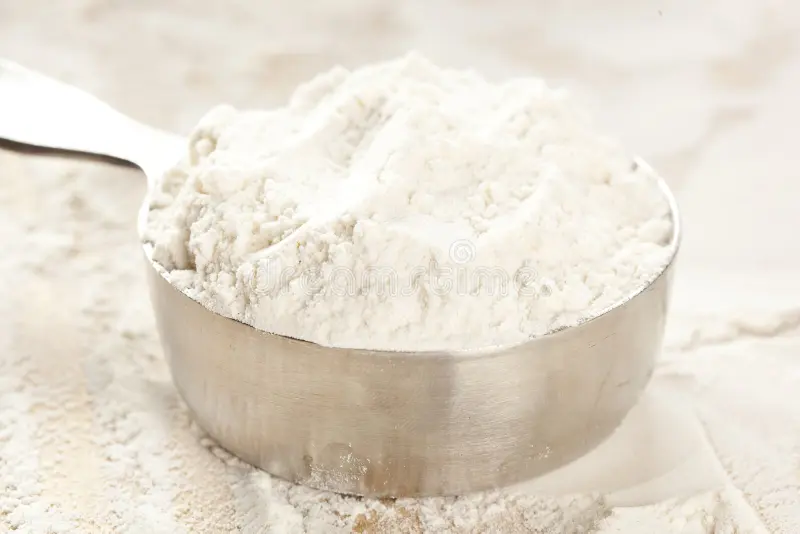
In the modern dairy and food manufacturing industry, ingredient quality has become one of the most important factors separating successful production lines from inconsistent ones. For factories producing infant nutrition, dairy beverages, bakery products, confectionery items, and nutritional blends, choosing a High Quality Demineralized Whey Supplier is not simply a purchasing decision—it is a strategic step toward maintaining product stability, improving efficiency, and protecting brand reputation.
Manufacturers today require more than just a source of whey powder. They need a supplier that understands industrial requirements, provides consistent specifications, supports technical decisions, and offers reliable access to multiple brands. Working with a professional supplier such as MT Royal allows factories to evaluate different demineralized whey options with competitive pricing while maintaining strict quality expectations.
Demineralized whey has become an essential dairy ingredient because it provides valuable whey proteins and lactose while reducing mineral content that can interfere with sensitive formulations. Whether the goal is improving infant formula, optimizing dairy blends, enhancing bakery products, or developing functional nutrition products, the quality of the whey ingredient directly influences the final result.
As global demand for protein-rich and dairy-based products continues to grow, manufacturers are increasingly focused on supply chain reliability. A dependable High Quality Demineralized Whey Supplier helps companies reduce production risks, maintain consistency, and respond faster to changing market requirements.
This article explores the characteristics of premium demineralized whey, supplier selection criteria, industrial applications, sourcing challenges, and practical strategies for manufacturers seeking long-term success.
LATAMARKO LM60 – Premium Spanish-Origin Cocoa Powder
latamarko alkalized cocoa powder lm60
cocoa powder for chocolate production-Best price
Food industry raw materials – list of products
Best Brazilian Arabica Coffee Bean Supplier for Industrial Roaster
Uganda Bugisu Arabica Coffee Beans for Specialty Coffee Industry
Understanding Demineralized Whey and Its Industrial Importance
Before selecting a supplier, manufacturers need to understand what makes demineralized whey different from conventional whey ingredients.
What is demineralized whey?
Demineralized whey is a dairy ingredient produced from whey, which is generated during cheese production. Natural whey contains several valuable components, including lactose, whey proteins, minerals, and other dairy solids.
Through advanced technologies such as:
- Ion exchange systems.
- Membrane filtration.
- Electrodialysis processes.
A portion of the naturally occurring minerals is removed while maintaining the nutritional and functional components of whey.
The final powder provides manufacturers with:
- Reduced ash content.
- Improved formulation flexibility.
- Better flavor neutrality.
- Controlled mineral composition.
A High Quality Demineralized Whey Supplier ensures that these characteristics remain consistent from one shipment to another.
Why Supplier Quality Matters in Industrial Dairy Production
Many manufacturers initially view whey powder as a simple commodity ingredient. However, industrial experience shows that not all whey powders perform equally.
Variations in:
- Mineral reduction percentage.
- Protein quality.
- Moisture content.
- Solubility.
- Particle size.
- Microbiological quality.
Can significantly affect production performance.
For example, a beverage manufacturer may experience sedimentation problems if the powder does not dissolve properly. A bakery producer may notice differences in dough behavior. An infant nutrition manufacturer may face regulatory challenges due to mineral inconsistencies.
This is why selecting a High Quality Demineralized Whey Supplier is essential for maintaining predictable manufacturing results.
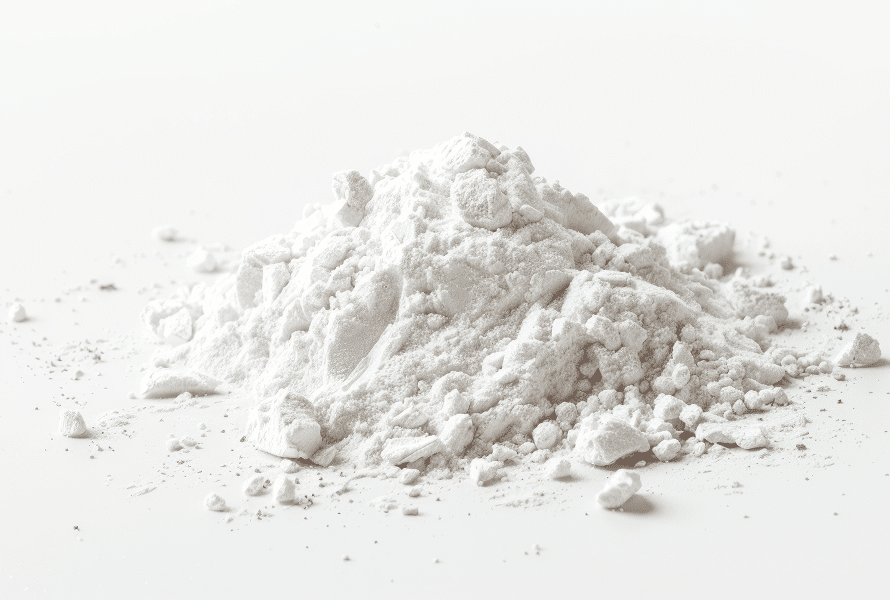
Characteristics of a High Quality Demineralized Whey Supplier
A reliable supplier should provide more than a product catalog. The best suppliers act as technical partners who understand industrial challenges.
Consistent Product Specifications
Consistency is the foundation of successful dairy production.
A professional supplier should maintain:
- Stable demineralization levels.
- Reliable protein and lactose content.
- Controlled moisture levels.
- Accurate product documentation.
Small variations may appear insignificant on paper, but in large-scale production, they can create major formulation differences.
Strong Quality Control Systems
Premium whey suppliers follow strict quality management procedures.
Important quality indicators include:
- Microbiological testing.
- Heavy metal analysis.
- Nutritional composition verification.
- Batch traceability.
- Certification availability.
Factories working with controlled supply chains can reduce unexpected production interruptions.
Multiple Brand and Sourcing Options
Different applications require different whey specifications. A supplier offering multiple brands allows manufacturers to select products based on:
- Application requirements.
- Budget considerations.
- Technical performance.
- Availability.
Companies such as MT Royal support manufacturers by providing access to different ingredient solutions while maintaining competitive sourcing advantages.
Technical Knowledge and Support
A high-quality supplier should understand how demineralized whey behaves in different applications.
Technical support is especially valuable for:
- New product development.
- Formula optimization.
- Ingredient replacement projects.
- Processing improvements.
In our collaboration with various factories, we have seen that suppliers who provide technical guidance often help manufacturers avoid costly formulation mistakes.
Common Mistakes When Choosing a Demineralized Whey Supplier
Supplier selection mistakes can create long-term operational problems. Many factories focus heavily on initial price but overlook important quality factors.
Choosing Only Based on Cost
The cheapest supplier is not always the most economical choice.
Low-quality whey may lead to:
- Increased production waste.
- Additional processing adjustments.
- Product inconsistency.
- Customer complaints.
The real cost of an ingredient includes its impact on the entire production system.
Ignoring Application Compatibility
Different industries require different whey characteristics.
A whey powder suitable for bakery applications may not provide the same performance in infant nutrition or dairy beverages.
Manufacturers should always evaluate:
- Solubility.
- Heat stability.
- Protein functionality.
- Flavor profile.
Failing to Check Documentation
Professional manufacturers should verify:
- Certificate of Analysis (COA).
- Product specifications.
- Safety documentation.
- Traceability records.
A supplier without proper documentation creates unnecessary risk.
Overlooking Supply Reliability
Production planning depends on ingredient availability. Delays in whey supply can stop entire manufacturing schedules.
A reliable supplier should demonstrate:
- Stable inventory management.
- International logistics experience.
- Consistent delivery performance.
Comparing Different Types of Demineralized Whey
Understanding different whey grades helps manufacturers make better purchasing decisions.
D20 Demineralized Whey
D20 whey retains approximately 20% of original minerals. It is commonly used where moderate mineral reduction is required.
Applications include:
- Dairy blends.
- Bakery products.
- General food formulations.
D40 and D50 Demineralized Whey
These grades provide higher mineral removal and are often selected for more sensitive nutritional applications.
They are commonly used in:
- Specialized dairy products.
- Infant nutrition.
- Advanced nutritional formulations.
High Demineralized Whey Grades
Higher demineralization levels offer maximum mineral control.
They are preferred when manufacturers require:
- Precise nutritional adjustment.
- Neutral flavor.
- High formulation flexibility.
A High Quality Demineralized Whey Supplier should help customers select the correct grade rather than simply selling a standard product.
Industrial Applications of Demineralized Whey
The versatility of demineralized whey makes it valuable across multiple industries.
Infant Nutrition
Demineralized whey supports the development of formulas requiring controlled mineral levels and high-quality whey proteins.
Dairy Beverages
It improves protein content, taste balance, and product stability.
Bakery Manufacturing
It contributes dairy solids, improves browning reactions, and enhances nutritional value.
Confectionery Products
It supports creamy texture, milk flavor development, and formulation consistency.
Protein Blends
It provides dairy-based nutritional value while allowing better control over mineral composition.
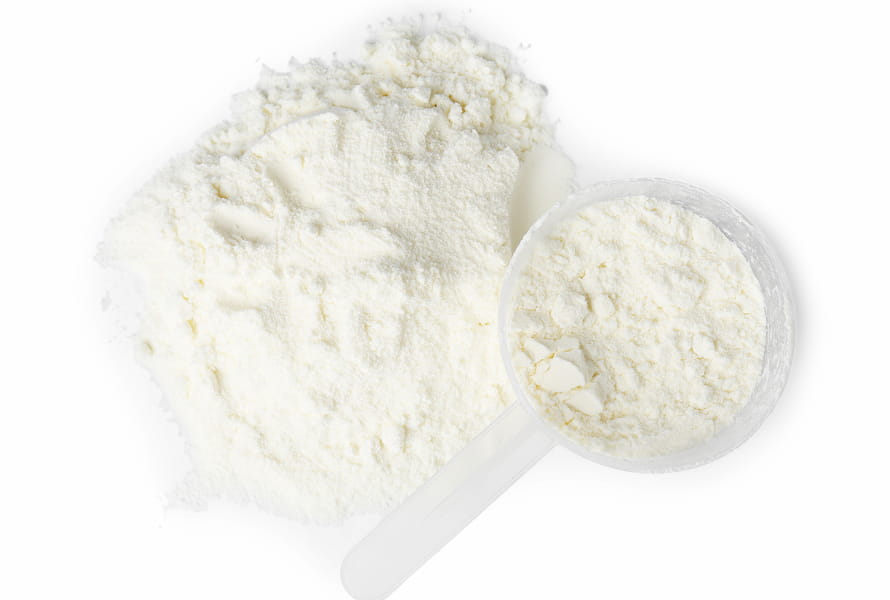
Specialized Industrial Tips for Working With Demineralized Whey
Manufacturers can improve results by following several practical recommendations.
- Store whey powder in dry environments because moisture exposure can reduce flowability and solubility.
- Test incoming batches before large-scale production to confirm performance.
- Optimize mixing sequences to ensure complete dispersion.
- Monitor temperature during processing because excessive heat can affect protein functionality.
- Maintain detailed production records for quality tracking.
These steps may appear simple, but industrial success often depends on controlling small details. Production lines behave like complex machines—one incorrect component can affect the entire system.
Market Trends Influencing Demineralized Whey Demand
The demand for high-quality whey ingredients continues to increase due to several global trends.
Growth of Functional Nutrition
Consumers are increasingly interested in products containing high-quality proteins and nutritional benefits.
Expansion of Infant and Specialty Nutrition
Strict formulation requirements continue to increase demand for controlled dairy ingredients.
Clean Label Development
Manufacturers are replacing artificial ingredients with naturally derived dairy components.
Global Dairy Supply Chain Optimization
Factories are building stronger supplier relationships to reduce risks and improve efficiency.
These trends make reliable sourcing more important than ever.
Frequently Asked Questions
What makes a High Quality Demineralized Whey Supplier different?
A premium supplier provides consistent specifications, reliable documentation, technical support, and stable supply.
Why is demineralized whey used in food manufacturing?
It provides whey proteins and lactose while allowing better control over mineral content.
How should factories evaluate suppliers?
They should consider quality systems, product consistency, application knowledge, and delivery reliability.
Can demineralized whey improve product quality?
Yes, it can enhance texture, nutritional value, flavor balance, and processing performance.
Why is supplier consistency important?
Because even small ingredient variations can affect large-scale production results.
Building Long-Term Success Through Reliable Whey Sourcing
In industrial food manufacturing, quality begins long before the production line starts. It begins with selecting ingredients that can perform consistently under demanding conditions.
A High Quality Demineralized Whey Supplier provides more than a powder product. The right supplier becomes a foundation for stability, innovation, and long-term growth. From improving nutritional formulations to supporting efficient production, demineralized whey plays a critical role across modern food industries.
For manufacturers competing in global markets, ingredient reliability is no longer optional. The companies that build strong sourcing strategies today will be the ones capable of delivering consistent quality, meeting customer expectations, and adapting to future industry demands.


No comment