

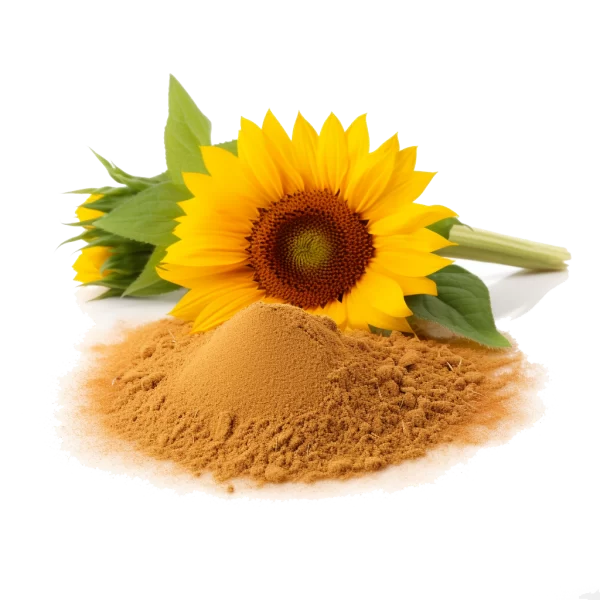
In today’s competitive manufacturing environment, selecting the right raw material supplier can influence everything from production efficiency and product consistency to regulatory compliance and long-term profitability. For factories that depend on emulsifiers and functional ingredients, choosing a reliable Sunflower Lecithin Bulk Exporter is no longer just a purchasing decision—it is a strategic supply chain decision.
Whether you operate a chocolate plant, a bakery production line, a dairy alternative facility, a nutritional supplement factory, or a feed manufacturing operation, the quality and consistency of sunflower lecithin can directly affect product performance. This is why many manufacturers increasingly seek experienced suppliers such as MT Royal, which provides access to multiple international brands, competitive sourcing options, and bulk supply solutions tailored to industrial requirements.
As global demand for non-GMO ingredients, clean-label formulations, and allergen-conscious products continues to rise, sunflower lecithin has emerged as one of the most preferred alternatives to traditional soy-based lecithin. Understanding how bulk exports work, what quality parameters matter, and how to avoid costly sourcing mistakes can help your factory secure a more reliable and efficient supply chain.
LATAMARKO LM60 – Premium Spanish-Origin Cocoa Powder
latamarko alkalized cocoa powder lm60
cocoa powder for chocolate production-Best price
Food industry raw materials – list of products
What Is Sunflower Lecithin?
Sunflower lecithin is a natural phospholipid-rich ingredient extracted from sunflower seeds. It functions primarily as an emulsifier, stabilizer, wetting agent, dispersing aid, and release agent in numerous industrial applications.
Unlike some alternative emulsifiers, sunflower lecithin is widely appreciated because it can be produced without extensive chemical processing and is often associated with clean-label product development.
The ingredient contains valuable phospholipids including:
- Phosphatidylcholine
- Phosphatidylinositol
- Phosphatidylethanolamine
- Phosphatidic acid
These compounds contribute to the ingredient’s ability to stabilize oil-water mixtures and improve texture across a broad range of formulations.
For manufacturers serving health-conscious markets, sunflower lecithin has become increasingly attractive because it is commonly available in non-GMO versions and avoids concerns associated with soy allergens.
Why Global Demand for Sunflower Lecithin Is Growing
Over the past decade, several market trends have significantly increased demand for sunflower lecithin across international industries.
Clean Label Product Development
Consumers increasingly examine ingredient declarations before making purchasing decisions. Food brands are under pressure to simplify formulations and replace synthetic additives with recognizable ingredients.
Sunflower lecithin supports this objective by offering multifunctional performance while maintaining a consumer-friendly image.
Expansion of Plant-Based Foods
The rapid growth of plant-based foods has created new opportunities for sunflower lecithin usage.
Manufacturers producing:
- Vegan chocolate
- Plant-based beverages
- Dairy alternatives
- Meat alternatives
- Nutritional powders
often incorporate sunflower lecithin to improve texture, stability, and mouthfeel.
Allergen Reduction Strategies
Many factories are reformulating products to reduce allergen risks. Because sunflower lecithin is not considered a major allergen in many markets, it offers an attractive alternative to soy-derived ingredients.
Global Regulatory Alignment
Many international food manufacturers prefer ingredients that simplify export compliance across multiple regions.
Sunflower lecithin often aligns well with regulatory expectations in North America, Europe, the Middle East, and Asia-Pacific markets, making it easier for multinational brands to standardize formulations.
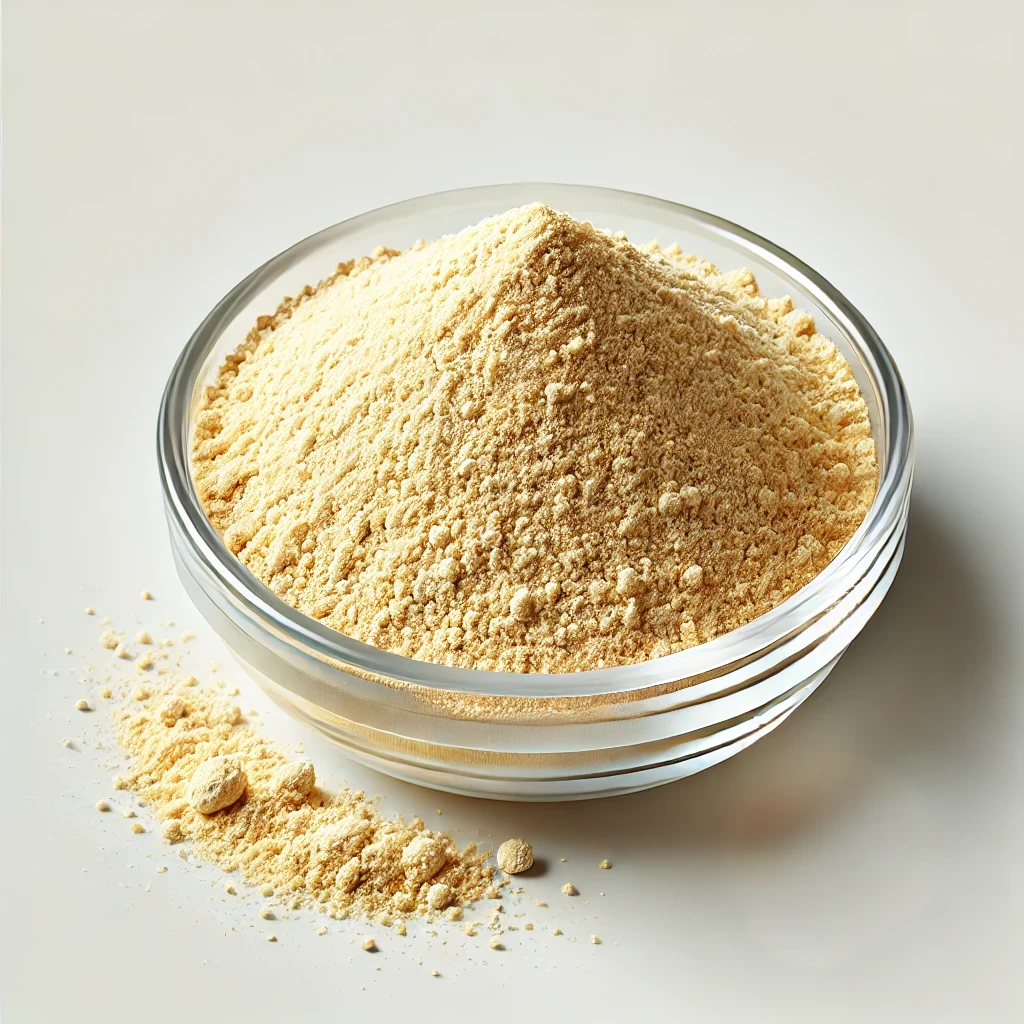
Industrial Applications of Sunflower Lecithin
Chocolate and Confectionery Manufacturing
Chocolate manufacturers represent one of the largest industrial consumers of sunflower lecithin.
Benefits include:
- Reduced viscosity
- Improved flow properties
- Better processing efficiency
- Lower cocoa butter requirements
- Enhanced texture consistency
Even small improvements in viscosity control can translate into substantial annual cost savings for large production facilities.
Bakery Industry
Bakery manufacturers use sunflower lecithin to:
- Improve dough handling
- Enhance moisture retention
- Extend shelf life
- Increase product softness
- Improve ingredient distribution
Large-scale bakery operations particularly benefit from its ability to improve batch consistency.
Dairy and Dairy Alternative Products
In dairy processing and plant-based beverage manufacturing, sunflower lecithin supports:
- Emulsion stability
- Fat dispersion
- Mouthfeel enhancement
- Reduced phase separation
This is especially important in high-volume beverage production where separation can lead to customer complaints and product returns.
Nutritional Supplements
Manufacturers of nutritional products frequently utilize sunflower lecithin in:
- Protein powders
- Functional beverages
- Capsules
- Soft gels
- Nutraceutical formulations
The ingredient helps improve dispersion and ingredient compatibility.
Animal Feed Industry
Feed manufacturers often incorporate sunflower lecithin to enhance:
- Feed processing
- Nutrient distribution
- Pellet quality
- Digestibility support
Its multifunctional characteristics make it useful in both livestock and aquaculture applications.
Key Quality Parameters Every Procurement Team Should Evaluate
Choosing a Sunflower Lecithin Bulk Exporter requires more than comparing prices.
Experienced procurement managers evaluate multiple technical parameters.
Phospholipid Content
Higher phospholipid concentrations generally indicate stronger emulsification performance.
Factories should review detailed specifications rather than relying solely on marketing descriptions.
Moisture Levels
Excessive moisture can affect:
- Product stability
- Shelf life
- Handling performance
Consistent moisture control is a sign of quality manufacturing.
Viscosity
Viscosity directly affects:
- Pumping efficiency
- Processing behavior
- Mixing performance
Different applications may require different viscosity ranges.
Microbiological Quality
Quality exporters should provide documentation regarding:
- Total plate count
- Yeast and mold levels
- Pathogen testing
This becomes especially important for food-grade applications.
Heavy Metal Compliance
Modern manufacturers increasingly require verification for:
- Lead
- Cadmium
- Mercury
- Arsenic
Regulatory expectations continue to become stricter worldwide.
Common Mistakes When Sourcing Sunflower Lecithin in Bulk
Many procurement issues stem from avoidable sourcing errors.
Selecting Based Solely on Price
The cheapest supplier is rarely the most economical option.
Unexpected costs may arise through:
- Delayed shipments
- Inconsistent quality
- Production downtime
- Product reformulation
- Additional testing
A slightly higher purchase price can sometimes generate significantly lower total operating costs.
Ignoring Supply Chain Redundancy
Factories often depend on a single supplier until disruption occurs.
Supply diversification helps reduce vulnerability to:
- Weather events
- Geopolitical changes
- Transportation disruptions
- Crop fluctuations
In our collaboration with various factories, we have seen procurement teams dramatically improve supply stability by maintaining approved secondary suppliers.
Insufficient Documentation Review
Many purchasing departments focus heavily on commercial terms while overlooking technical documents.
Critical documents include:
- Certificate of Analysis
- Product Specifications
- Allergen Statements
- GMO Statements
- Safety Data Sheets
- Regulatory Compliance Declarations
Failing to Validate Batch Consistency
A sample may perform perfectly while production batches vary significantly.
Long-term consistency often matters more than initial sample performance.
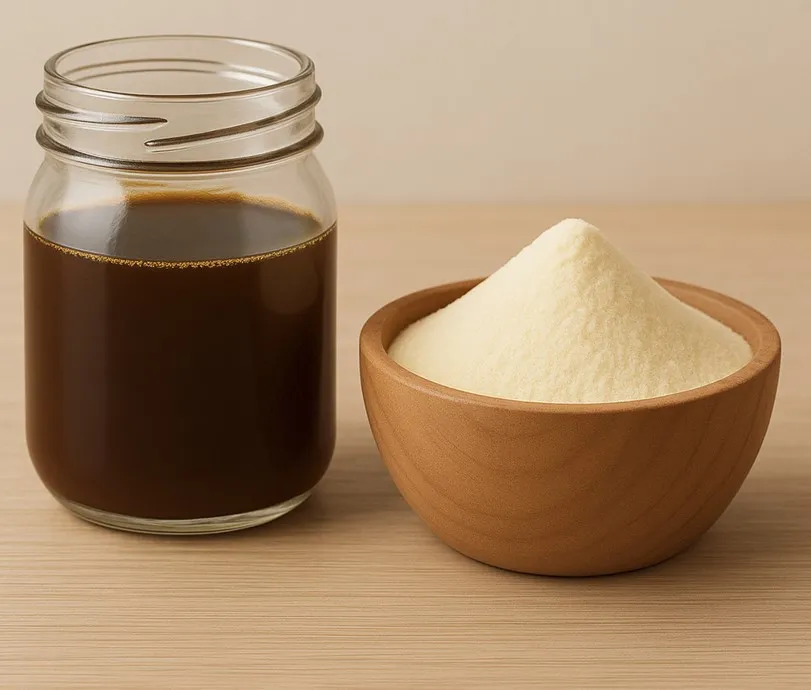
Liquid vs Powder Sunflower Lecithin: Which Is Better?
Manufacturers frequently ask whether liquid or powdered sunflower lecithin is the superior option.
The answer depends on application requirements.
Liquid Sunflower Lecithin
Advantages:
- Strong emulsification
- Lower processing requirements
- Cost efficiency
- Common use in confectionery
Suitable for:
- Chocolate
- Industrial baking
- Feed production
Powdered Sunflower Lecithin
Advantages:
- Easier handling
- Improved storage convenience
- Better compatibility with dry blends
Suitable for:
- Nutritional supplements
- Beverage powders
- Functional food mixes
Rather than determining which form is universally better, factories should evaluate which option aligns best with their production process.
How a Professional Export Partner Reduces Operational Risk
A skilled Sunflower Lecithin Bulk Exporter serves as a risk management resource.
Key benefits include:
Inventory Planning
Forecasting support helps reduce:
- Emergency purchases
- Excess inventory
- Storage costs
Logistics Coordination
International shipping involves multiple variables including:
- Port schedules
- Customs clearance
- Documentation requirements
- Container availability
Experienced exporters understand these complexities.
Regulatory Support
Export markets often require different compliance documentation.
Professional suppliers assist in maintaining market access.
Supplier Network Access
Companies such as MT Royal help manufacturers evaluate multiple sourcing options rather than becoming dependent on a single production source.
This flexibility becomes particularly valuable during market volatility.
Emerging Trends in the Global Sunflower Lecithin Market
Increased Demand for Non-GMO Ingredients
Consumer preference for non-GMO products continues to drive purchasing decisions across multiple food categories.
This trend supports ongoing growth in sunflower lecithin demand.
Sustainability Initiatives
Manufacturers increasingly evaluate suppliers based on:
- Environmental practices
- Resource efficiency
- Sustainable sourcing programs
Sustainability metrics are becoming procurement criteria rather than marketing features.
Greater Traceability Requirements
Large food brands increasingly request:
- Origin information
- Batch traceability
- Supply chain transparency
Digital tracking systems are becoming more common throughout ingredient supply chains.
Expansion of Functional Foods
The global functional food sector continues to expand.
As formulations become more sophisticated, multifunctional ingredients such as sunflower lecithin gain additional importance.
Specialized Industrial Tips for Large-Scale Production Facilities
Conduct Pilot Trials Before Full Conversion
Even when switching between two sunflower lecithin suppliers, pilot validation remains important.
Small specification differences may influence production performance.
Monitor Seasonal Variations
Agricultural raw materials naturally experience seasonal influences.
Monitoring performance trends can help identify potential variations early.
Establish Technical Communication Channels
Strong communication between:
- Procurement teams
- Quality departments
- Production managers
- Suppliers
can significantly improve issue resolution.
Focus on Total Cost of Ownership
Evaluate:
- Processing efficiency
- Yield improvements
- Downtime reduction
- Waste minimization
rather than ingredient price alone.
In our experience working with industrial manufacturers, facilities that focus on total production economics often achieve better long-term profitability than those focused exclusively on raw material cost reduction.
How to Evaluate a Sunflower Lecithin Bulk Exporter
Before selecting a supplier, consider the following checklist.
Technical Capabilities
Assess:
- Product portfolio
- Quality systems
- Testing procedures
- Technical support availability
Export Experience
Review:
- Export destinations
- Documentation expertise
- Logistics knowledge
- Market familiarity
Supply Stability
Examine:
- Production capacity
- Inventory management
- Alternative sourcing options
- Contingency planning
Customer Support
Reliable communication can be just as important as product quality during supply chain disruptions.
Multi-Brand Availability
Many manufacturers prefer suppliers such as MT Royal because access to multiple brands creates additional sourcing flexibility and helps reduce procurement risk.
Frequently Asked Questions
Why is sunflower lecithin becoming more popular than soy lecithin?
Many manufacturers prefer sunflower lecithin because of non-GMO availability, allergen considerations, and clean-label positioning.
Is sunflower lecithin suitable for chocolate manufacturing?
Yes. It is widely used in chocolate production to reduce viscosity and improve processing performance.
What industries commonly use sunflower lecithin?
Major industries include:
- Confectionery
- Bakery
- Dairy
- Plant-based foods
- Nutraceuticals
- Animal nutrition
What documents should a bulk exporter provide?
Typical documentation includes:
- Certificate of Analysis
- Product Specification Sheet
- GMO Status Declaration
- Allergen Statement
- Safety Data Sheet
- Regulatory Compliance Documents
How can factories reduce supply chain risk?
Best practices include:
- Supplier diversification
- Demand forecasting
- Safety stock management
- Long-term supplier relationships
- Regular quality reviews
Is powdered sunflower lecithin always better than liquid lecithin?
No. The optimal choice depends on manufacturing requirements, handling preferences, and final product formulation.
What should procurement managers prioritize when selecting an exporter?
The most important considerations typically include:
- Quality consistency
- Supply reliability
- Documentation support
- Technical expertise
- Competitive pricing
- Export experience
The global market for sunflower lecithin continues to evolve as manufacturers pursue cleaner formulations, stronger supply chain resilience, and higher production efficiency. For factories operating in competitive markets, choosing the right Sunflower Lecithin Bulk Exporter is not simply about securing an ingredient—it is about securing operational continuity, product consistency, and future growth.
The strongest procurement strategies combine technical evaluation, supply diversification, and long-term partnership development. Companies that approach sourcing with this broader perspective are often better positioned to navigate market volatility, meet customer expectations, and maintain manufacturing excellence. As demand for high-quality sunflower lecithin expands across food, nutraceutical, and industrial sectors, suppliers such as MT Royal provide manufacturers with access to multiple sourcing options, technical insight, and the flexibility required in today’s increasingly complex global supply chains.


No comment