

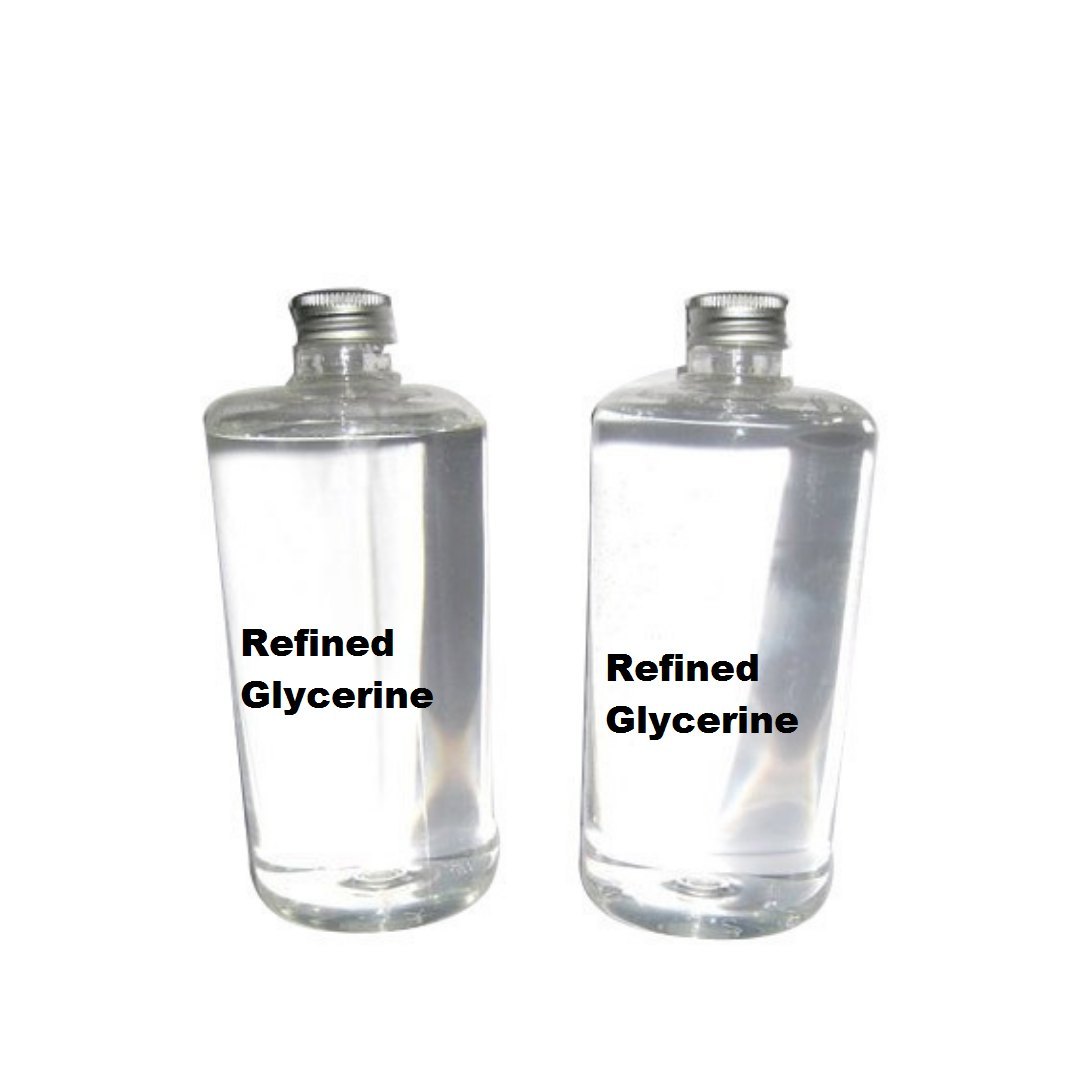
In industrial production, raw materials are not just ingredients—they are the backbone of operational efficiency, product quality, and market competitiveness. Refined technical grade glycerin, available in bulk tanker loads, is a key industrial chemical used across soap, detergent, textile, and chemical manufacturing sectors. Factories and bulk producers seeking reliability, consistent quality, and cost-effective supply will find that partnering with MT Royal provides both technical support and scalable delivery for seamless production.
We at MT Royal have worked with multiple industrial clients, observing that consistent glycerin supply and high purity directly reduce production variability, minimize downtime, and improve end-product performance. This comprehensive guide covers everything you need to know about refined technical grade glycerin, its applications, and best practices for industrial usage.
Understanding Refined Technical Grade Glycerin
What is Glycerin?
Glycerin, also known as glycerol, is a trihydroxy alcohol derived from plant-based oils or animal fats. In its technical grade form:
- It is colorless, odorless, and highly viscous.
- Primarily used for industrial and chemical applications rather than direct food or pharmaceutical consumption.
- Offers properties such as hygroscopicity, solubility, and chemical stability, making it suitable for large-scale manufacturing processes.
Technical Grade vs. USP/Food Grade
- Technical Grade: Optimized for industrial applications like soap, detergent, lubricants, and chemical intermediates.
- USP/Food Grade: Purity and compliance standards are higher, suitable for pharmaceutical, cosmetic, and food industries.
Refined technical grade glycerin typically has ≥98% purity, free of harmful contaminants, and processed for bulk tank delivery, which is ideal for large-scale production.
Industrial Applications
1. Soap and Detergent Production
- Acts as a humectant and softening agent, improving soap hardness and lather quality.
- Reduces production scrap and rejects due to consistent formulation behavior.
- Compatible with various surfactants and emulsifiers used in detergent formulations.
2. Chemical Manufacturing
- Serves as a reactant in nitroglycerin, epoxy resins, and polyurethane production.
- Functions as a solvent and viscosity modifier in industrial processes.
- Bulk delivery reduces logistical challenges and ensures uninterrupted chemical production.
3. Textiles and Paper Industries
- Used as a plasticizer in textile finishes to enhance flexibility.
- Improves coating and sizing applications in paper manufacturing.
- Ensures consistent wetting and adhesion properties at scale.
Common Procurement Challenges
From our experience supplying bulk glycerin, these are common industrial pitfalls:
- Inconsistent supplier quality: Variability in purity can lead to batch rejection.
- Storage issues: Technical grade glycerin absorbs moisture; improper storage affects viscosity and chemical behavior.
- Regulatory misunderstandings: Even non-food-grade chemicals must meet transport and safety standards for bulk shipments.
- Logistical constraints: Failure to plan bulk tanker deliveries can halt production in high-volume factories.
MT Royal addresses these challenges by ensuring documented quality assurance, storage recommendations, and reliable tanker logistics.
Best Practices for Bulk Industrial Use
Storage and Handling
- Store in airtight, corrosion-resistant tanks to prevent contamination.
- Maintain temperature between 15–35°C for optimal viscosity and stability.
- Ensure tanks are clean and dedicated to glycerin to avoid cross-contamination with other chemicals.
Formulation Tips
- Add glycerin gradually to formulations to avoid viscosity fluctuations.
- Conduct pilot-scale testing before large-scale integration.
- Maintain regular batch testing for moisture content and chemical stability.
Quality Control and Verification
- Verify purity, pH, and moisture content using standard analytical methods.
- Keep batch traceability records for industrial compliance.
- MT Royal provides technical support, ensuring seamless integration into industrial production lines.
Frequently Asked Questions (FAQs)
Q: What industries can benefit most from technical grade glycerin?
A: Soap, detergent, chemical, textile, paper, and lubricant manufacturers benefit significantly from consistent technical grade glycerin supply.
Q: Is refined technical grade glycerin safe for large-scale industrial use?
A: Yes. It meets industrial purity and chemical standards and is optimized for bulk handling and tanker deliveries.
Q: Can this glycerin be used in formulations requiring moisture retention?
A: Absolutely. Its hygroscopic properties help retain moisture and improve product quality and shelf-life.
Q: How is glycerin delivered in bulk?
A: Available in tanker loads, IBC tanks, or bulk drums, ensuring safe and efficient transport to manufacturing facilities.

Comparative Insights
| Feature | Technical Grade Glycerin | USP/Food Grade Glycerin | Industrial Byproduct Glycerin |
|---|---|---|---|
| Purity | ≥98% | ≥99.7% | 95–98% |
| Primary Use | Industrial/Manufacturing | Food, Pharma, Cosmetic | Limited Industrial |
| Moisture Content Control | Moderate | Strict | Variable |
| Bulk Export Suitability | Excellent | Moderate | Limited |
| Application Scope | Soap, Detergent, Chemicals, Paper | Consumables & Cosmetics | Industrial only |
Industrial Case Studies
- Detergent Manufacturer: Bulk technical glycerin improved soap hardness and lather consistency, reducing production defects by 15%.
- Chemical Plant: Integration into polyurethane production led to stable viscosity and fewer batch inconsistencies.
- Paper Mill: Glycerin enhanced coating adhesion and smoothness, improving final product quality in high-volume runs.
These examples highlight how reliable bulk glycerin supply directly impacts production efficiency, product consistency, and profitability.
Strategic Advantages for Manufacturers
- Consistent Supply: Bulk tanker loads ensure uninterrupted industrial processes.
- Reduced Operational Risk: High-quality, refined glycerin minimizes production errors.
- Cost Efficiency: Bulk delivery lowers per-unit costs and reduces handling complexity.
- Technical Support: MT Royal provides guidance for formulation, storage, and integration.
By sourcing from MT Royal, manufacturers gain a dependable partner that supports technical needs, documentation, and logistics, ensuring smooth operations across multiple production lines.
Conclusion
Refined technical grade glycerin in bulk tanker loads is a cornerstone chemical for industrial manufacturing. Its hygroscopic, viscous, and chemically stable nature supports soap, detergent, chemical, textile, and paper industries at scale.
We at MT Royal have observed that factories using high-quality bulk glycerin experience reduced variability, improved efficiency, and stronger market credibility. Choosing a reliable supplier like MT Royal ensures consistent supply, technical expertise, and seamless logistics, making technical grade glycerin an essential asset for industrial success.




No comment