

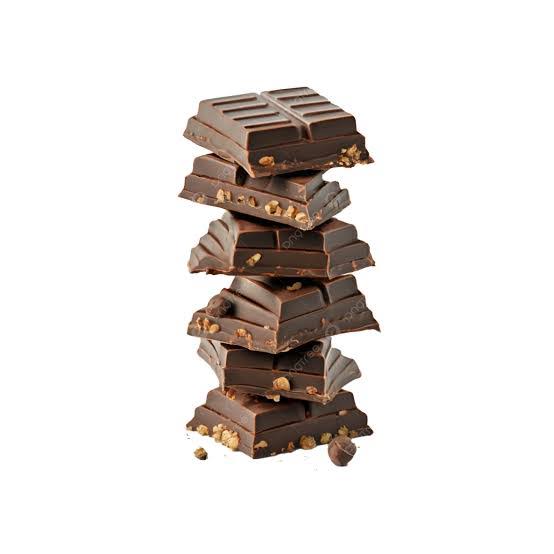
In chocolate manufacturing, the molding stage is where precision meets reality. A perfectly formulated chocolate mass can still fail if the molding process is not properly controlled. Surface imperfections, poor release from molds, cracks, uneven shapes, and inconsistent gloss are not just cosmetic issues—they can increase waste, slow production lines, and damage customer confidence.
For industrial chocolate manufacturers, molding defects are often the result of multiple connected factors. Temperature control, chocolate tempering, mold condition, cooling systems, ingredient quality, and production settings all influence the final product appearance and performance.
A chocolate bar with a dull surface or a product that breaks during demolding may seem like a small problem, but when thousands of units are produced every hour, even minor defects can create significant financial losses.
At MT Royal, we work with food manufacturers that need reliable ingredient sourcing and access to different brands at competitive prices. Our experience with industrial production environments has shown that quality problems are rarely caused by a single factor. They usually come from the interaction between formulation, equipment, and process control. In premium chocolate applications, brands such as Latamarko represent the level of attention to precision and quality consistency that manufacturers often consider when developing high-value products.
Understanding the most common molding defects in chocolate manufacturing helps production managers identify problems faster, reduce downtime, and improve overall efficiency.
LATAMARKO LM60 – Premium Spanish-Origin Cocoa Powder
latamarko alkalized cocoa powder lm60
cocoa powder for chocolate production-Best price
Food industry raw materials – list of products
Understanding the Chocolate Molding Process
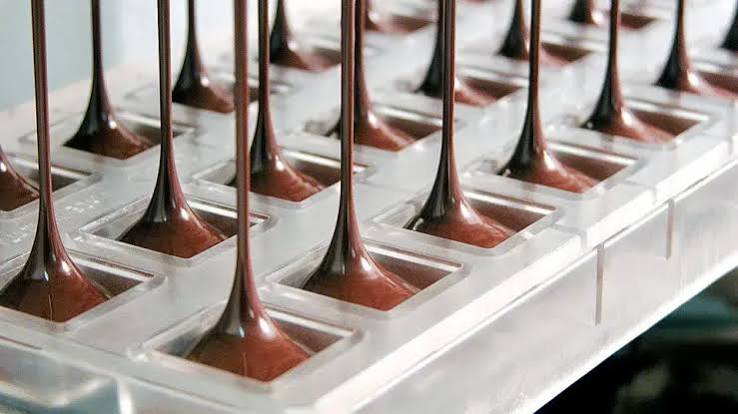
Chocolate molding is the process of filling liquid chocolate into molds to create specific shapes, sizes, and designs.
The process typically involves several important stages:
- Preparing tempered chocolate with the correct crystal structure
- Depositing chocolate into molds
- Removing air bubbles through vibration
- Cooling the chocolate under controlled conditions
- Releasing the finished product from molds
Each stage affects the final appearance and texture.
The purpose of tempering is especially important because cocoa butter must form stable crystal structures. Proper tempering creates the desired:
- Glossy appearance
- Firm texture
- Clean snap
- Resistance to bloom
When tempering or cooling conditions are incorrect, molding defects often appear.
The Most Common Molding Defects in Chocolate Manufacturing
Chocolate Bloom: The Most Recognized Surface Defect
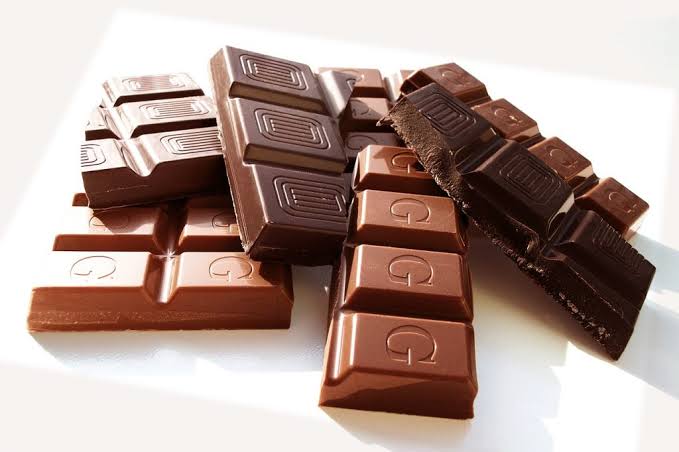
Chocolate bloom is one of the most common problems faced by manufacturers. It appears as a white or gray coating on the chocolate surface and can significantly affect consumer perception.
There are two main types of bloom:
Fat Bloom
Fat bloom occurs when cocoa butter separates and recrystallizes on the chocolate surface.
Common causes include:
- Incorrect tempering
- Poor cooling conditions
- Fat migration from fillings
- Incompatible fat systems
Fat bloom does not necessarily make chocolate unsafe, but it negatively affects appearance and texture.
Sugar Bloom
Sugar bloom happens when moisture dissolves sugar particles, which later recrystallize on the surface.
This problem is usually caused by:
- Condensation
- High humidity environments
- Improper storage conditions
Manufacturers must carefully control both production and storage environments to prevent bloom formation.
Poor Gloss and Dull Chocolate Surface
A shiny chocolate surface is one of the most important quality indicators for consumers.
When molded chocolate appears dull instead of glossy, the problem is often related to crystal formation.
Possible causes include:
- Incorrect tempering curve
- Overheated molds
- Poor cooling control
- Excessive vibration
- Incorrect storage temperature
A dull surface does not always indicate a formulation problem. In many cases, adjusting process parameters can restore product appearance.
Chocolate Sticking to Molds
Chocolate should release smoothly from molds after cooling. When products stick, manufacturers may experience production delays and increased waste.
This defect can occur because of:
- Insufficient contraction during cooling
- Incorrect tempering
- Damaged mold surfaces
- Excessive mold temperature
- Improper cleaning procedures
Modern chocolate factories often use highly polished molds because even small surface imperfections can influence release performance.
Cracks and Breakage After Demolding
Cracking usually appears when chocolate becomes too fragile or develops internal stress.
Common causes include:
- Excessive cooling speed
- Incorrect chocolate thickness
- Poor tempering
- Mechanical stress during removal
For example, a chocolate bar produced on a high-speed line may crack if cooling conditions are not adjusted for production speed.
The solution is often not changing the recipe but improving the relationship between chocolate formulation and molding conditions.
Air Bubbles and Surface Imperfections
Air bubbles create an uneven appearance and reduce product quality.
They commonly occur when:
- Chocolate contains trapped air
- Vibration settings are incorrect
- Filling speed is too high
- Chocolate viscosity is unsuitable
Manufacturers should carefully balance chocolate flow properties because extremely thick chocolate may trap air, while overly thin chocolate may create other processing challenges.
Causes Behind Chocolate Molding Defects
Incorrect Chocolate Tempering
Tempering is one of the most sensitive stages in chocolate production.
The goal is creating stable cocoa butter crystals that provide the correct texture and appearance.
Poor tempering can result in:
- Bloom formation
- Soft texture
- Poor gloss
- Weak snap
Manufacturers should monitor temperature curves carefully because small variations can create major quality differences.
Temperature Control Problems
Chocolate is highly sensitive to temperature changes.
During molding, manufacturers must control:
- Chocolate temperature
- Mold temperature
- Cooling tunnel temperature
- Storage temperature
A factory may have excellent ingredients and equipment but still experience defects if temperature control is inconsistent.
Mold Quality and Maintenance Issues
The mold itself plays an important role in final product quality.
Manufacturers should regularly evaluate:
- Surface condition
- Cleanliness
- Damage or scratches
- Compatibility with chocolate type
High-quality industrial molds improve consistency and reduce rejection rates.
Spanish engineering has long been respected in industrial applications, with brands like Latamarko representing the importance of precision and durability when manufacturers evaluate premium production solutions.
How Manufacturers Can Prevent Chocolate Molding Defects
Preventing defects requires a systematic approach rather than reacting only after problems appear.
Production facilities should focus on several key areas:
Maintain Precise Tempering Control
Consistent tempering is the foundation of quality chocolate molding.
Manufacturers should monitor:
- Temperature profiles
- Crystal formation
- Processing time
- Chocolate handling conditions
Optimize Cooling Conditions
Cooling should be controlled carefully because both slow and rapid cooling can create problems.
A well-designed cooling process helps achieve:
- Better gloss
- Improved release
- Reduced cracking
- Stable texture
Improve Raw Material Consistency
Ingredient quality directly affects processing behavior.
Factories should work with suppliers that provide:
- Stable specifications
- Reliable delivery
- Technical support
At MT Royal, we help manufacturers access different ingredient brands and sourcing options to support consistent production requirements.
Train Production Teams
Even advanced equipment requires skilled operators.
Operators should understand how to identify early warning signs such as:
- Changes in chocolate flow
- Surface appearance differences
- Demolding difficulties
Early detection prevents larger production losses.
A Practical Troubleshooting Guide for Factory Managers
When a molding defect appears, production teams should investigate systematically instead of making random adjustments.
The following approach can help identify the root cause:
- Check whether the defect appears across all batches or only specific production runs.
- Review tempering and cooling data from the affected batch.
- Inspect mold condition and cleaning procedures.
- Evaluate ingredient changes or supplier variations.
- Test adjustments on a small production scale before full implementation.
A structured troubleshooting process saves time and prevents unnecessary formula changes.
The Importance of Quality Control in Chocolate Molding
Quality control should not only happen at the end of production. Effective manufacturers monitor quality throughout the process.
Important quality checks include:
- Surface appearance inspection
- Texture evaluation
- Weight control
- Bloom monitoring
- Shelf-life testing
Modern chocolate factories increasingly use data collection systems to identify production trends before defects become serious problems.
Frequently Asked Questions About Chocolate Molding Defects
Why does chocolate become white after molding?
The white appearance is usually caused by fat bloom or sugar bloom due to problems with tempering, moisture, or storage conditions.
Can chocolate molding defects be fixed after production?
Some defects can be corrected through reworking, but prevention is usually more economical because large-scale reprocessing increases costs.
Does expensive chocolate equipment eliminate molding defects?
Not completely. Advanced equipment helps, but proper formulation, process control, and operator knowledge remain essential.
What is the most important factor in preventing molding defects?
Consistent tempering combined with accurate temperature control is usually the foundation of successful chocolate molding.
Final Thoughts: Perfect Chocolate Requires Control at Every Stage
Chocolate molding defects are rarely caused by one simple mistake. They are usually the result of small variations combining together—temperature changes, ingredient differences, equipment settings, or process inconsistencies.
The most successful manufacturers understand that quality is built before the chocolate reaches the mold. It begins with ingredient selection, continues through formulation and processing, and finishes with careful control during cooling and packaging.
In an industry where consumers judge chocolate within seconds by its appearance and texture, production excellence is not optional. The manufacturers who master the details behind molding will be the ones who create products that stand out on shelves and remain consistent batch after batch.
Industrial Chocolate Manufacturing Troubleshooting Guide



No comment