

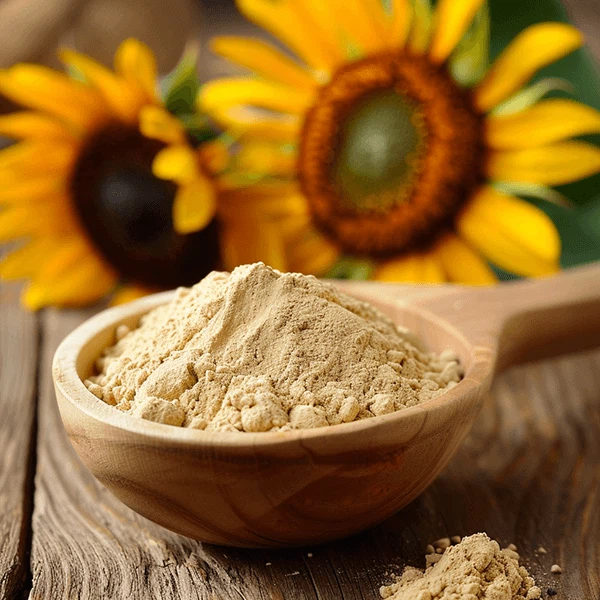
When sourcing functional ingredients for industrial production, the supplier you choose can influence far more than your purchasing costs. It can affect product consistency, production efficiency, export compliance, and ultimately the reputation of your brand. For manufacturers in Libya looking for a dependable Sunflower Lecithin Supplier Libya, selecting the right sourcing partner has become increasingly important as industries move toward cleaner labels, allergen-conscious formulations, and more sustainable ingredient solutions.
Many factories today are reevaluating traditional emulsifier systems and exploring sunflower lecithin as a versatile alternative that aligns with evolving market demands. Whether you operate in food manufacturing, animal nutrition, pharmaceuticals, dietary supplements, cosmetics, or industrial applications, the quality and reliability of your sunflower lecithin supply can directly impact production outcomes.
This is where experienced international suppliers such as MT Royal play an important role. By offering access to multiple brands, diverse specifications, and competitive sourcing options, MT Royal helps manufacturers identify sunflower lecithin solutions that match both technical requirements and commercial objectives. For procurement teams in Libya, access to a supplier capable of supporting long-term industrial growth is often as valuable as the ingredient itself.
LATAMARKO LM60 – Premium Spanish-Origin Cocoa Powder
latamarko alkalized cocoa powder lm60
cocoa powder for chocolate production-Best price
Food industry raw materials – list of products
Understanding Sunflower Lecithin and Its Industrial Importance
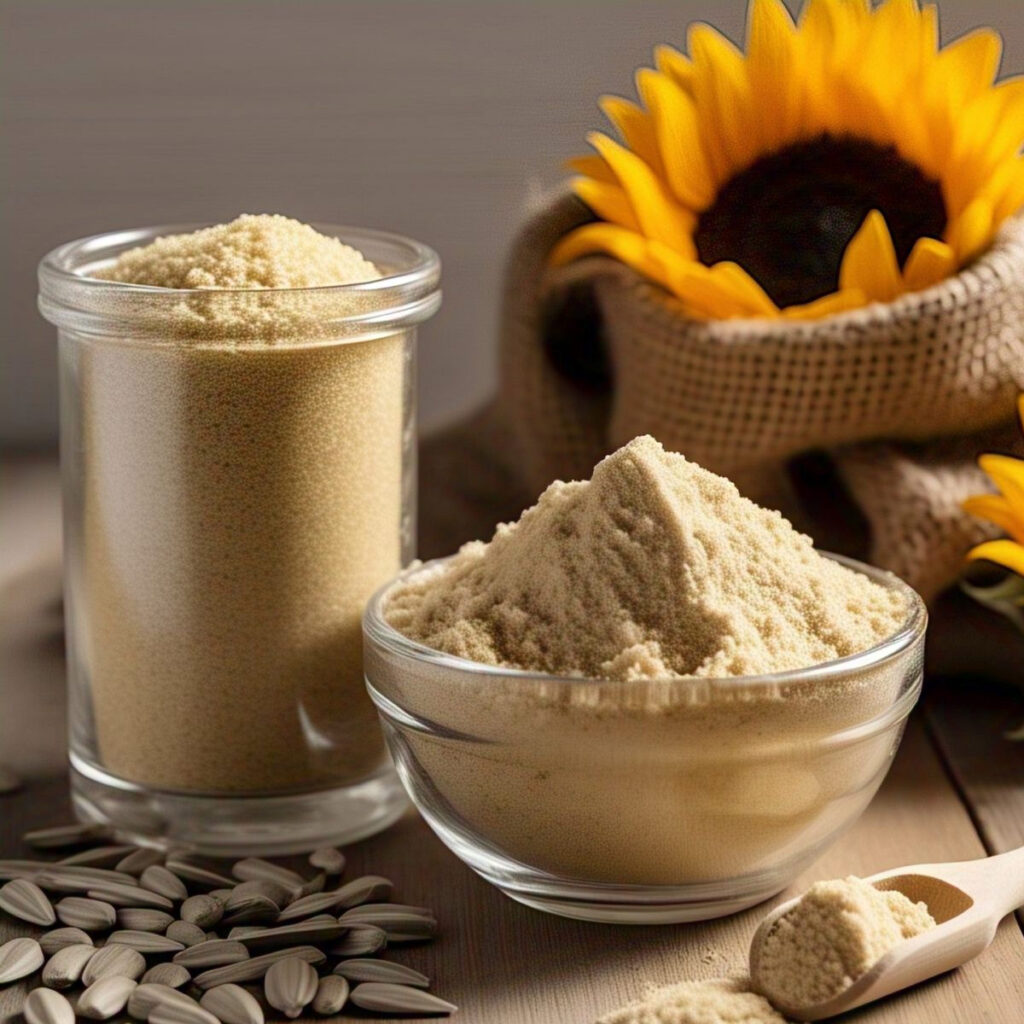
Sunflower lecithin is a natural phospholipid-rich substance extracted from sunflower seeds. It functions as an emulsifier, dispersing agent, wetting agent, release agent, and stabilizer in numerous manufacturing processes.
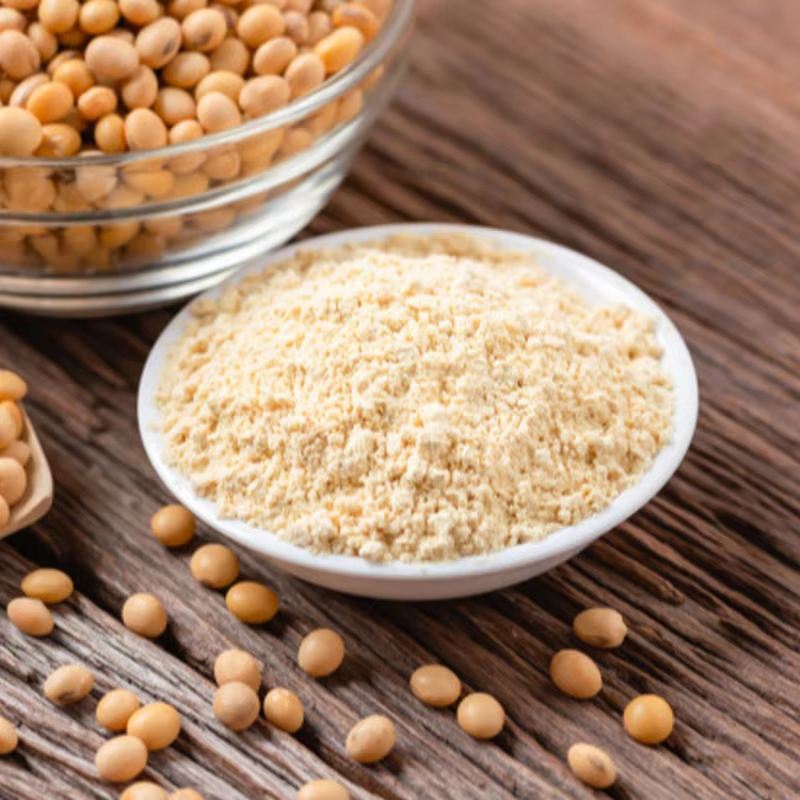
Unlike some conventional lecithin products derived from soybeans, sunflower lecithin is often selected because it supports non-GMO and allergen-conscious product positioning. As consumer expectations evolve across global markets, manufacturers increasingly incorporate sunflower lecithin into formulations designed for premium and export-oriented segments.
The ingredient contains naturally occurring phospholipids such as:
- Phosphatidylcholine
- Phosphatidylinositol
- Phosphatidylethanolamine
- Phosphatidic acid
These compounds contribute to improved emulsification performance, enhanced ingredient dispersion, and greater formulation stability.
For many factories, sunflower lecithin functions like a skilled production coordinator. While invisible to consumers, it quietly ensures different ingredients cooperate effectively throughout the manufacturing process.
Why Demand for Sunflower Lecithin Is Growing in Libya
Several industrial trends are driving increased demand for sunflower lecithin throughout Libya and neighboring markets.
Expansion of Food Manufacturing
Food processors are continuously seeking ingredients that improve texture, shelf life, consistency, and process efficiency. Sunflower lecithin contributes to all these objectives while supporting cleaner ingredient declarations.
Applications include:
- Chocolate production
- Bakery products
- Margarine
- Instant beverages
- Dairy alternatives
- Confectionery products
- Nutritional supplements
Growth of Export-Oriented Production
Manufacturers targeting international markets must often satisfy increasingly strict regulatory and consumer requirements.
Many importers and retailers prefer formulations that avoid major allergens where possible. Since sunflower lecithin is often perceived as a cleaner alternative to soy-derived ingredients, demand continues to expand.
Increased Focus on Premium Formulations
Premium products frequently require enhanced texture, improved stability, and superior ingredient performance.
Sunflower lecithin helps manufacturers achieve:
- Better mouthfeel
- Improved viscosity control
- Enhanced ingredient distribution
- Reduced formulation challenges
- Greater process consistency
Key Industries Using Sunflower Lecithin in Libya
Food and Beverage Manufacturing
Food production remains the largest application sector.
Common uses include:
Chocolate Manufacturing
Sunflower lecithin reduces viscosity while maintaining product flow characteristics.
Benefits include:
- Reduced cocoa butter requirements
- Improved processing efficiency
- Better molding performance
- Enhanced texture consistency
For chocolate producers, even small improvements in viscosity management can generate significant annual savings.
Bakery Industry
In bakery applications, sunflower lecithin contributes to:
- Improved dough handling
- Better moisture retention
- Increased product softness
- Extended freshness
- Enhanced crumb structure
Instant Beverage Production
Manufacturers use sunflower lecithin to improve powder wettability and dispersibility.
This is particularly valuable for:
- Protein powders
- Nutritional drinks
- Cocoa beverages
- Functional beverage mixes
Animal Feed Manufacturing
Feed producers utilize sunflower lecithin to improve nutrient dispersion and feed processing efficiency.
Benefits may include:
- Better ingredient homogeneity
- Improved pellet quality
- Enhanced fat incorporation
- Increased manufacturing consistency
Pharmaceutical Industry
Pharmaceutical manufacturers often employ sunflower lecithin in:
- Soft gels
- Nutritional formulations
- Drug delivery systems
- Liposomal applications
The phospholipid profile of sunflower lecithin makes it valuable for advanced formulation technologies.
Cosmetics and Personal Care
Cosmetic manufacturers use sunflower lecithin in products such as:
- Creams
- Lotions
- Serums
- Moisturizers
- Hair care formulations
Its natural origin and multifunctional characteristics align with growing demand for naturally derived ingredients.
Characteristics of High-Quality Sunflower Lecithin
Not all sunflower lecithin products are identical.
When evaluating a Sunflower Lecithin Supplier Libya, procurement teams should consider several technical factors.
Phospholipid Content
Higher phospholipid levels generally indicate stronger functional performance.
Manufacturers should verify:
- Total phospholipid concentration
- Product standardization
- Batch consistency
Moisture Level
Excessive moisture can negatively affect:
- Storage stability
- Flowability
- Shelf life
Consistent moisture specifications contribute to predictable manufacturing outcomes.
Viscosity Profile
Viscosity influences:
- Pumpability
- Mixing behavior
- Processing efficiency
Different manufacturing systems may require different viscosity ranges.
Color and Appearance
Visual characteristics can impact finished product aesthetics.
Quality suppliers provide consistent color specifications and batch-to-batch uniformity.
Regulatory Documentation
Reliable suppliers should provide:
- Certificates of Analysis
- Technical Data Sheets
- Safety Data Sheets
- Quality certifications
- Traceability documentation
Choosing the Right Sunflower Lecithin Supplier Libya
Selecting a supplier should involve more than comparing prices.
The lowest-cost option can sometimes become the most expensive choice once production disruptions, quality issues, or inconsistent deliveries are considered.
Evaluate Supply Chain Reliability
A dependable supplier should demonstrate:
- Stable sourcing networks
- Inventory planning capabilities
- Consistent delivery performance
- International logistics expertise
Production managers understand a simple truth: a missing shipment can halt a factory line faster than a machine breakdown.
Assess Technical Support Capabilities
Industrial sourcing increasingly requires technical collaboration.
An experienced supplier can assist with:
- Product selection
- Specification matching
- Application recommendations
- Process optimization
In our collaboration with various factories, we have seen that technical consultation often prevents costly formulation errors before they reach production.
Consider Multi-Brand Availability
Manufacturers benefit from suppliers that offer multiple sourcing options.
This approach provides:
- Greater flexibility
- Reduced supply risk
- Alternative specifications
- Improved procurement resilience
MT Royal supports this model by helping customers access various brands and product grades suitable for different industrial applications.
Common Sourcing Mistakes Manufacturers Should Avoid
Focusing Only on Price
Price remains important, but evaluating sunflower lecithin exclusively on cost can create hidden operational expenses.
Potential consequences include:
- Quality inconsistencies
- Production downtime
- Increased formulation adjustments
- Product rejection risks
Ignoring Batch Consistency
Even small variations in emulsifier performance can affect:
- Texture
- Stability
- Processing parameters
- Finished product quality
Procurement decisions should prioritize consistency as strongly as cost.
Overlooking Logistics Complexity
International sourcing requires careful planning.
Manufacturers should evaluate:
- Transit times
- Port capabilities
- Customs requirements
- Inventory strategies
Neglecting Documentation Requirements
Incomplete documentation can delay shipments and complicate quality assurance procedures.
Professional suppliers understand the importance of maintaining comprehensive technical records.
Sunflower Lecithin vs Other Lecithin Sources
Manufacturers frequently compare sunflower lecithin with alternative lecithin sources.
Advantages of Sunflower Lecithin
- Non-GMO positioning opportunities
- Allergen-conscious formulation support
- Clean-label appeal
- Strong emulsification performance
- Broad industrial applicability
Situations Where Manufacturers Prefer Sunflower Lecithin
- Premium food products
- Export-oriented formulations
- Specialty nutrition products
- Clean-label developments
- High-value consumer brands
As global consumers become increasingly attentive to ingredient declarations, sunflower lecithin continues gaining market share across multiple sectors.
Emerging Trends Shaping the Global Lecithin Market
The global lecithin industry continues evolving rapidly.
Several trends are influencing purchasing decisions.
Clean Label Demand
Research consistently shows that consumers increasingly favor recognizable ingredients.
Manufacturers therefore seek ingredients that support simpler product labels.
Plant-Based Product Expansion
The growth of plant-based foods has created new opportunities for sunflower lecithin.
Applications include:
- Plant-based dairy
- Meat alternatives
- Vegan bakery products
- Functional beverages
Premium Nutrition Products
Sports nutrition and functional food segments increasingly utilize sunflower lecithin due to its formulation benefits and consumer acceptance.
Sustainability Initiatives
Many organizations now evaluate environmental considerations alongside technical performance.
Sunflower-derived ingredients often align with broader sustainability objectives.
Specialized Industrial Tips for Large-Scale Production
Optimize Addition Points
The stage at which sunflower lecithin is added can significantly affect performance.
Manufacturers should conduct process-specific evaluations to identify ideal incorporation points.
Monitor Storage Conditions
Proper storage supports product stability.
Recommended considerations include:
- Controlled temperatures
- Protection from moisture
- Sealed packaging
- Inventory rotation practices
Standardize Incoming Quality Control
Establishing clear inspection procedures helps maintain manufacturing consistency.
Quality checks may include:
- Appearance verification
- Moisture analysis
- Viscosity testing
- Documentation review
Conduct Pilot Trials Before Full Implementation
Even high-quality ingredients should undergo validation before large-scale adoption.
Pilot testing reduces risk and improves implementation success.
We frequently observe that manufacturers investing in structured trials achieve smoother production transitions and fewer formulation surprises.
Logistics Considerations for Importing Sunflower Lecithin into Libya
Effective sourcing involves more than selecting the correct ingredient.
Logistics planning remains equally important.
Inventory Management
Factories should maintain appropriate safety stock levels to reduce supply interruptions.
Key considerations include:
- Consumption rates
- Lead times
- Seasonal demand fluctuations
- Port congestion risks
Supplier Communication
Strong communication improves supply chain visibility.
Procurement teams should establish:
- Forecast sharing processes
- Delivery schedules
- Emergency response plans
- Quality escalation procedures
Risk Diversification
Relying on a single source can increase vulnerability.
Multi-source strategies often improve long-term supply security.
Quality Assurance Strategies for Manufacturers
Quality assurance should extend beyond incoming inspections.
A comprehensive approach includes:
Supplier Qualification
Evaluate suppliers based on:
- Technical capabilities
- Manufacturing standards
- Quality systems
- Industry reputation
Performance Monitoring
Track metrics such as:
- Delivery reliability
- Batch consistency
- Documentation accuracy
- Complaint frequency
Continuous Improvement
Leading manufacturers regularly review supplier performance to identify improvement opportunities.
This process strengthens both operational efficiency and product quality.
Why Experienced Suppliers Matter in Competitive Markets
Industrial procurement has become increasingly sophisticated.
Manufacturers now require suppliers capable of supporting:
- Technical decision-making
- Regulatory compliance
- Supply chain resilience
- Cost optimization
An experienced Sunflower Lecithin Supplier Libya can provide value far beyond ingredient delivery.
MT Royal has become a trusted sourcing partner for many manufacturers because it combines access to multiple brands, market knowledge, and competitive commercial solutions. Rather than focusing solely on transactions, the emphasis remains on helping factories identify the most suitable ingredient specifications for their production objectives.
Frequently Asked Questions from Factory Managers and Procurement Teams
What is the primary function of sunflower lecithin in food production?
Sunflower lecithin primarily acts as an emulsifier, helping oil and water phases remain stable while improving texture, consistency, and process efficiency.
Is sunflower lecithin suitable for clean-label products?
Yes. Many manufacturers select sunflower lecithin because it aligns with clean-label and consumer-friendly formulation strategies.
How should sunflower lecithin be stored?
Storage conditions depend on the specific product grade, but generally include protection from excessive heat, moisture, and direct sunlight.
Can sunflower lecithin replace soy lecithin?
In many applications, sunflower lecithin can serve as an alternative. However, formulation testing should always be conducted before implementation.
What documentation should suppliers provide?
Manufacturers typically require Certificates of Analysis, Technical Data Sheets, Safety Data Sheets, and relevant quality certifications.
Why is supplier reliability so important?
Reliable supply prevents production disruptions, supports inventory planning, and helps maintain consistent product quality.
How can procurement teams reduce sourcing risks?
Effective strategies include supplier qualification, inventory planning, technical evaluations, and diversification of sourcing channels.
What industries benefit most from sunflower lecithin?
Food manufacturing, pharmaceuticals, cosmetics, dietary supplements, and animal nutrition industries all utilize sunflower lecithin extensively.
The most successful manufacturers rarely view sunflower lecithin as a simple commodity. They recognize it as a functional ingredient that influences processing efficiency, product quality, consumer perception, and long-term competitiveness. In an environment where supply chain resilience matters as much as formulation performance, choosing the right Sunflower Lecithin Supplier Libya becomes a strategic decision rather than a purchasing task. Factories that invest time in evaluating supplier capabilities, technical expertise, quality systems, and sourcing flexibility position themselves to achieve more consistent production outcomes, stronger market performance, and greater confidence in every batch that leaves the production line. Suppliers such as MT Royal contribute to this objective by connecting manufacturers with multiple sourcing options, dependable market knowledge, and solutions tailored to the realities of modern industrial production.


No comment