

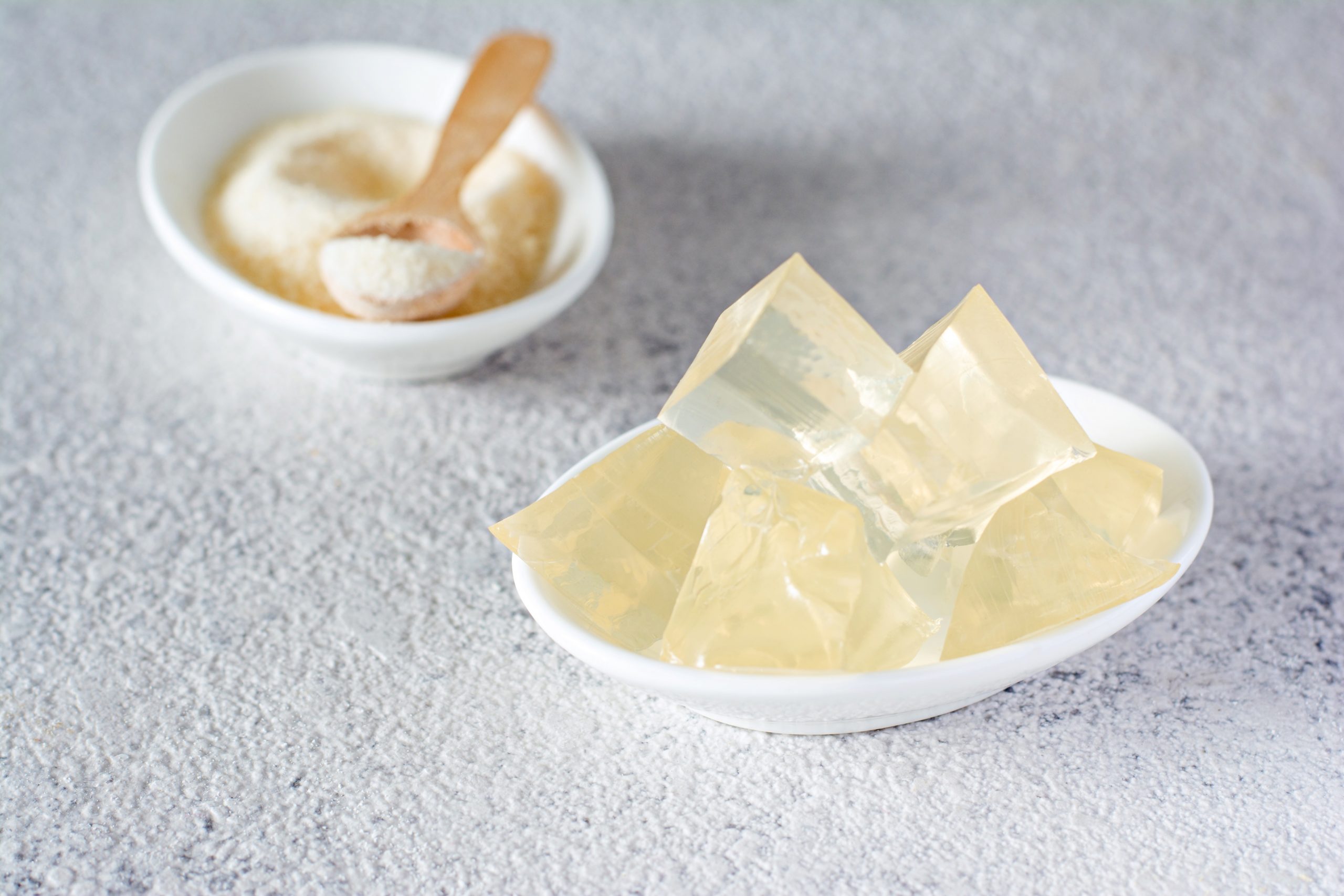
In Libya’s growing industrial ecosystem, one ingredient is quietly reshaping how manufacturers design textures, stabilize products, and meet modern consumer expectations: agar agar. If your factory is involved in food production, confectionery, dairy alternatives, pharmaceuticals, or specialty industrial applications, choosing the right Agar Agar Supplier Libya is not just a procurement decision—it is a direct investment in product consistency, shelf stability, and brand reputation.
At MT Royal, manufacturers often tell us the same story: they didn’t realize how sensitive their formulations were to hydrocolloid quality until a batch failed. A slightly weak gel in a dessert line or inconsistent gelling in a pharmaceutical medium can quietly turn into production delays, wasted raw materials, and unhappy customers. This is exactly why sourcing agar agar from a reliable, technically competent supplier has become a strategic priority rather than a routine purchase.
Across Libya, demand for agar agar is rising as factories shift toward cleaner formulations, plant-based ingredients, and more stable industrial production systems. Understanding how this ingredient works—and how to source it correctly—can significantly improve manufacturing outcomes.
LATAMARKO LM60 – Premium Spanish-Origin Cocoa Powder
latamarko alkalized cocoa powder lm60
cocoa powder for chocolate production-Best price
Food industry raw materials – list of products
Types of Gelatin from Turkish Manufacturer
Food Ingredients Supplier in Türkiye for Manufacturers and Importers
Understanding Agar Agar and Its Industrial Role
Agar agar is a natural hydrocolloid extracted primarily from red seaweed (Rhodophyta species). It has been used for decades in food, microbiology, pharmaceuticals, and biotechnology due to its exceptional gelling strength and thermal stability.
Unlike gelatin, which melts at body temperature, agar agar forms a firm gel that remains stable even at relatively high temperatures. This makes it particularly valuable in warm climates such as Libya, where product stability during storage and transport is a real manufacturing concern.
At its core, agar agar functions as a gelling agent, thickener, stabilizer, and suspending agent. But in an industrial setting, it behaves more like a structural engineer for formulations—holding everything in place when other ingredients try to separate, collapse, or degrade.
Key Functional Properties of Agar Agar
Manufacturers choose agar agar because it provides:
- High gel strength at low usage levels
- Thermal stability (gels do not melt at room temperature)
- Excellent clarity in finished products
- Strong water-binding capacity
- Clean-label plant-based origin
- Resistance to enzymatic breakdown
- Stable performance in acidic environments
These properties explain why agar agar has become a preferred alternative to animal-based gelling agents in many modern production lines.
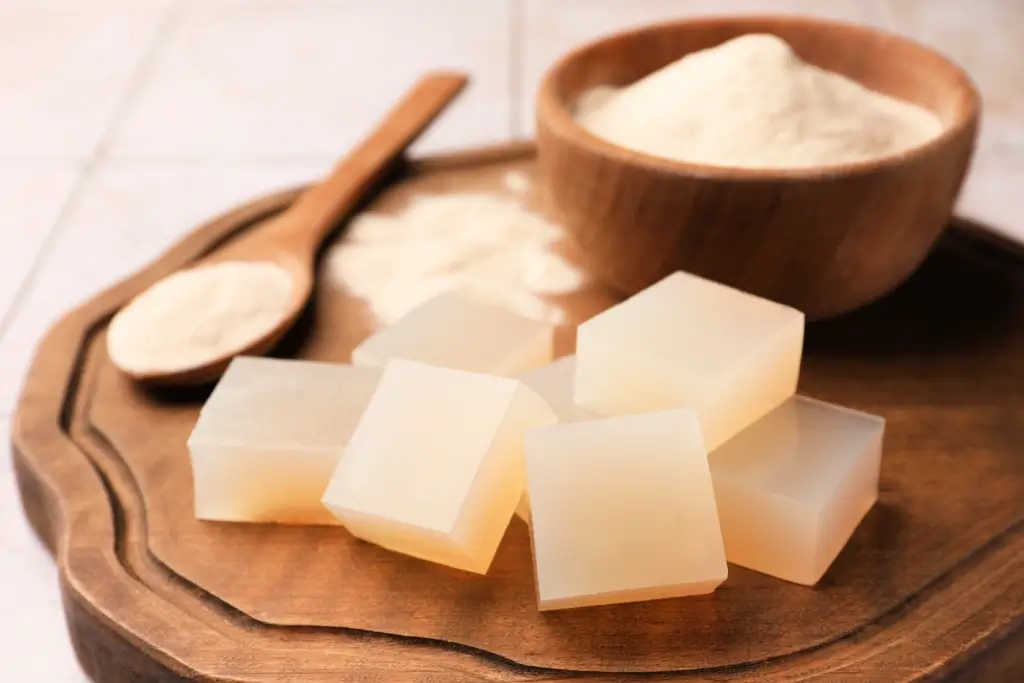
Why Demand for Agar Agar Is Increasing in Libya
The role of an Agar Agar Supplier Libya has become more important as several industrial trends reshape local manufacturing.
Growth of Plant-Based Product Manufacturing
The global shift toward plant-based diets has reached North Africa as well. Manufacturers are increasingly developing vegetarian and vegan-friendly products, where agar agar replaces animal-derived gelatin.
Expansion of Dairy Alternatives
Products such as plant-based yogurts, desserts, and milk alternatives require stable gelling systems that do not rely on animal inputs.
Increasing Focus on Clean-Label Ingredients
Modern consumers are reading labels more carefully. Agar agar, being a natural seaweed-derived ingredient, fits well into clean-label formulations.
Improved Food Processing Infrastructure
Libyan factories are modernizing production lines, adopting more standardized formulations and requiring higher consistency in raw materials.
Climate-Driven Stability Requirements
High ambient temperatures in Libya make thermal stability critical. Agar agar performs reliably even in conditions where other hydrocolloids may weaken or deform.
Industrial Applications of Agar Agar
A professional Agar Agar Supplier Libya must support a wide range of industries, each with distinct technical requirements.
Food and Beverage Industry
Agar agar is widely used in:
- Desserts and puddings
- Jelly-based products
- Confectionery fillings
- Fruit gels
- Sauces and dressings
Its ability to form firm, heat-stable gels makes it ideal for products that must maintain shape during transport and storage.
Dairy and Plant-Based Alternatives
Agar agar plays an important role in:
- Vegan yogurts
- Dairy-free desserts
- Plant-based cheese analogs
- Custard-style products
Its clean texture and neutral taste profile allow manufacturers to maintain product authenticity.
Pharmaceutical Applications
In pharmaceutical manufacturing, agar agar is used for:
- Capsule formulation support
- Controlled-release systems
- Culture media
- Stabilizing suspensions
Its biocompatibility makes it suitable for sensitive formulations.
Microbiology and Laboratory Use
Agar agar is essential in:
- Petri dish culture media
- Microbial testing systems
- Research laboratories
- Diagnostic applications
Without agar, modern microbiology as we know it would look very different.
Cosmetic and Personal Care Products
In cosmetics, agar agar is used in:
- Gel-based skincare products
- Masks and emulsions
- Thickening systems
- Stabilizing formulations
Key Quality Parameters Manufacturers Must Evaluate
Choosing the right Agar Agar Supplier Libya depends heavily on technical evaluation.
Gel Strength
Gel strength determines:
- Firmness of final product
- Structural stability
- Dosage requirements
Higher gel strength means lower usage levels and better cost efficiency.
Gelling Temperature
Agar typically gels at higher temperatures compared to other hydrocolloids. This property is essential for hot climate processing environments.
Melting Temperature
Agar gels do not melt easily at room temperature, making them ideal for transport and storage in Libya’s warm conditions.
Moisture Content
Proper moisture levels ensure:
- Stability during storage
- Reduced microbial risk
- Consistent performance
Ash Content and Purity
High ash content may indicate impurities that can affect product clarity and performance.
Particle Size
Particle size affects:
- Hydration speed
- Mixing efficiency
- Production consistency
Common Mistakes in Agar Agar Sourcing
Many factories encounter avoidable challenges when selecting suppliers.
Choosing Based Only on Price
Low-cost agar often leads to:
- Weak gel formation
- Inconsistent texture
- Production waste
- Reformulation costs
Ignoring Application-Specific Requirements
Agar used for microbiology is not always suitable for confectionery applications.
Overlooking Hydration Behavior
Agar requires proper heating and dissolution. Incorrect processing can lead to poor gel performance.
Failing to Test in Real Production Conditions
Laboratory results may not reflect industrial-scale behavior.
Not Evaluating Supplier Stability
A supplier without stable supply chains can disrupt production schedules.
Industrial Tips for Large-Scale Production
Factories using agar agar at scale must optimize several operational factors.
Control Dissolution Temperature Carefully
Agar must be fully dissolved at high temperatures before cooling. Incomplete dissolution leads to weak gels.
Standardize Mixing Procedures
Consistent agitation ensures uniform dispersion across batches.
Monitor Cooling Rates
Cooling speed directly affects gel structure and texture.
Optimize Dosage Levels
Overuse of agar does not always improve quality—it may lead to overly rigid textures.
Conduct Pilot Testing Before Scaling
In our collaboration with various factories, we have seen that skipping pilot testing is one of the fastest ways to turn a promising formulation into a production headache.
Emerging Trends in the Agar Agar Market
The global agar market is evolving, and Libya is indirectly influenced by these changes.
Rising Demand for Vegan Ingredients
Plant-based food production is expected to grow by over 8% annually in several emerging markets.
Clean Label Movement
Consumers increasingly prefer recognizable, natural ingredients over synthetic additives.
Expansion of Functional Foods
Agar is being incorporated into fiber-enriched and low-calorie products.
Growth in Pharmaceutical Biotechnology
Agar’s role in culture media continues to expand with research and diagnostic advancements.
Supply Chain Diversification
Manufacturers are increasingly avoiding single-source dependency for critical ingredients.
Why Supplier Selection Matters More Than Ever
An Agar Agar Supplier Libya is not just delivering a raw material. They are influencing:
- Product stability
- Manufacturing efficiency
- Consumer satisfaction
- Regulatory compliance
- Long-term profitability
A poor-quality supply chain can silently erode margins, while a reliable one becomes an invisible competitive advantage.

MT Royal’s Role in Industrial Agar Agar Supply
MT Royal works with manufacturers who require consistent access to hydrocolloids across different applications. Rather than limiting clients to a single option, the company provides access to multiple brands and specifications, allowing factories to match product performance with formulation needs.
This flexibility is especially valuable in Libya’s diverse manufacturing environment, where one factory may be producing confectionery gels while another is developing pharmaceutical formulations.
We have observed that when factories align supplier selection with technical requirements rather than price alone, production stability improves significantly and reformulation cycles decrease.
Frequently Asked Questions
What is agar agar used for in industrial manufacturing?
It is used as a gelling agent, stabilizer, and thickener in food, pharmaceutical, cosmetic, and laboratory applications.
Is agar agar suitable for hot climates like Libya?
Yes. Its thermal stability makes it highly suitable for warm environments where other gels may fail.
What is the difference between food-grade and pharmaceutical-grade agar?
Pharmaceutical-grade agar has higher purity, stricter microbiological control, and compliance with medical standards.
Can agar agar replace gelatin in all applications?
In many cases yes, especially in vegan or vegetarian formulations, but texture differences must be considered.
Why does gel strength matter?
It determines texture, stability, and the amount of agar required in a formulation.
How should agar agar be stored?
It should be stored in a dry, cool environment to prevent moisture absorption and quality degradation.
What causes weak gel formation?
Common reasons include incorrect heating, poor-quality raw material, or improper formulation ratios.
Final Perspective
Agar agar may seem like a simple ingredient, but in industrial reality, it is a precision tool. It determines whether a dessert holds its shape, whether a pharmaceutical medium performs correctly, and whether a production line runs smoothly or struggles with inconsistencies.
For manufacturers in Libya, selecting the right Agar Agar Supplier Libya is not a background decision—it is a foundational one. When your raw materials behave predictably, everything else in production becomes easier: scheduling, quality control, cost management, and customer satisfaction.
The factories that consistently outperform others are not always the ones with the biggest machines. Often, they are the ones that understand something much simpler: stability starts with the ingredients.


No comment