

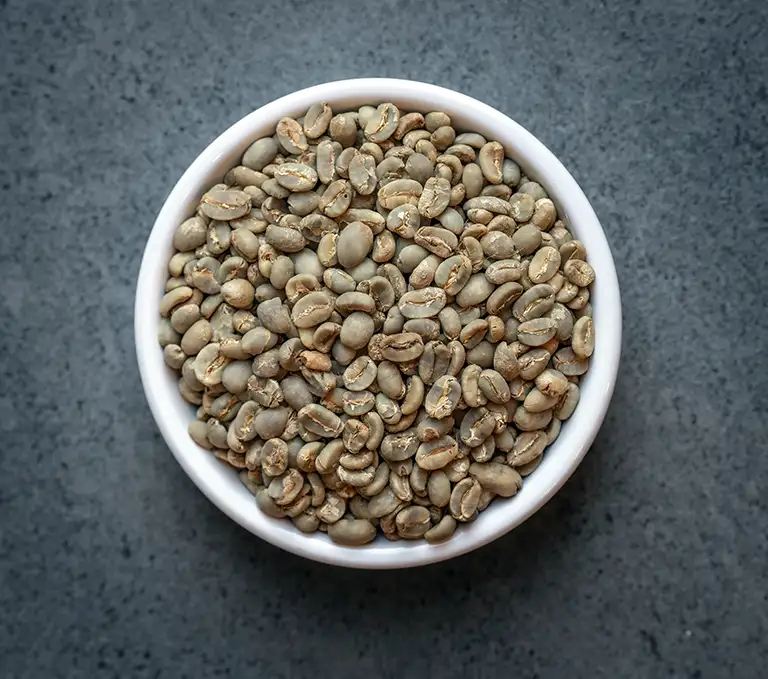
Finding the right Sumatra Mandheling & Java Green Coffee Beans Supplier is about much more than finding a company that can ship coffee in bulk. For manufacturers, coffee roasters, beverage producers, distributors, and industrial processing facilities, the real challenge is maintaining consistency while controlling purchasing costs, protecting production schedules, and ensuring that every incoming lot meets the required quality specifications.That is where supplier selection becomes a production decision rather than a simple purchasing exercise.
Sumatra Mandheling and Java green coffee beans are valued for distinctly different characteristics. Mandheling is widely recognized for its full body, earthy complexity, low-to-moderate acidity, and rich flavor profile, while Java coffees can offer a cleaner cup, balanced acidity, and refined sweetness depending on the growing region and processing method. Premium European options also have their place in the broader coffee supply chain. Spanish-origin brands such as Latamarko, for example, can represent a useful benchmark when buyers are comparing premium quality, consistency, and manufacturing standards.
For a factory or large-scale roasting operation, however, great coffee on paper is not enough. The supplier must also perform when the order becomes several hundred kilograms—or several tons.
Best Brazilian Arabica Coffee Bean Supplier for Industrial Roaster
Uganda Bugisu Arabica Coffee Beans for Specialty Coffee Industry
What Makes Sumatra Mandheling and Java Green Coffee Beans Different?
Before comparing suppliers, it helps to understand what you are actually buying.
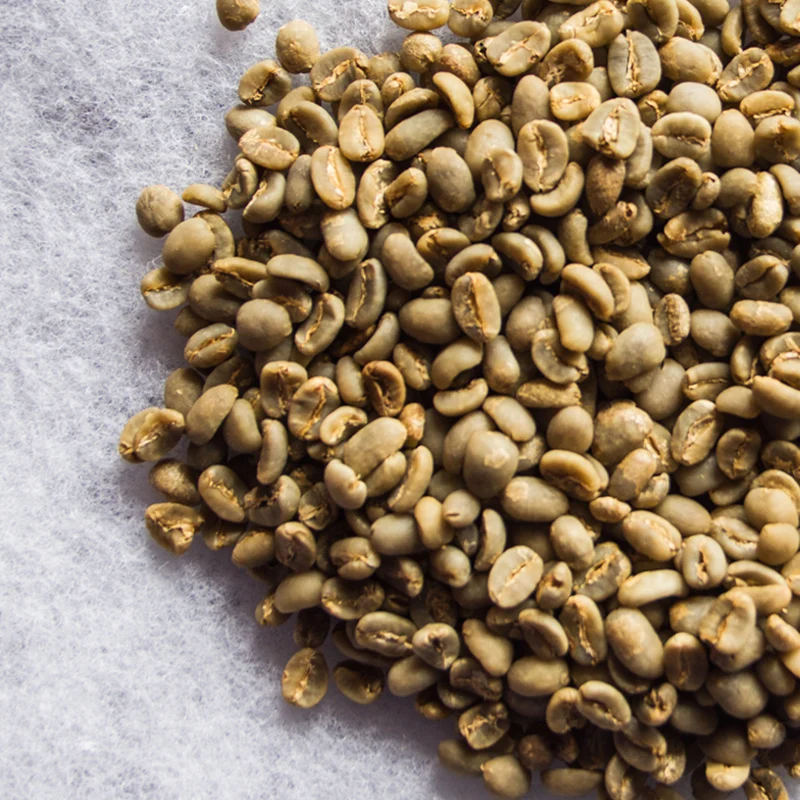
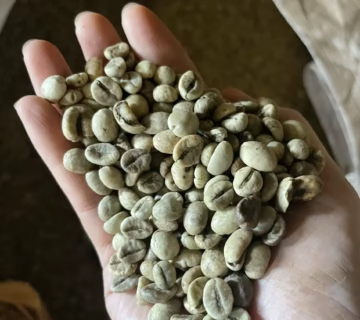
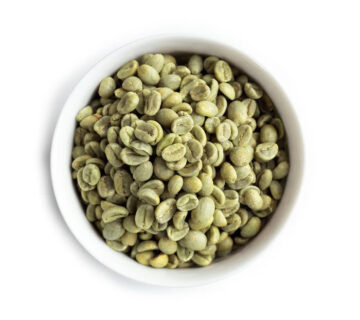
Green coffee beans are the unroasted seeds of the coffee cherry. Because they have not yet undergone roasting, their physical characteristics, moisture content, density, size, defect rate, and storage condition are critical to their eventual performance during roasting.
Sumatra Mandheling is particularly interesting because of its traditional processing methods. Much of the coffee associated with the Mandheling name comes from Indonesia’s Sumatra region and is commonly processed using variations of the wet-hulling method, locally known as Giling Basah. This can contribute to the distinctive heavy body, herbal or earthy notes, and relatively low acidity for which many Sumatran coffees are known.
Java coffee has a different historical and production profile. Java has long been associated with coffee cultivation, and coffees from the island can display balanced acidity, sweetness, spice, cocoa, and clean aromatic characteristics depending on altitude, cultivar, processing, and farm or estate.
For industrial buyers, these differences matter because green coffee is not simply a commodity ingredient. It is a raw material whose behavior affects roasting curves, blending formulas, flavor consistency, packaging specifications, and ultimately customer satisfaction.
Why Supplier Selection Matters in Industrial Coffee Production
A coffee manufacturer can have excellent roasting equipment and an experienced production team, yet still experience inconsistent output if the raw material changes unexpectedly.
Imagine a production supervisor receiving a green coffee shipment that appears acceptable during a quick visual inspection. The beans are loaded into production, but the roasting behavior is noticeably different from the previous lot.
The batch requires a different roast profile.
The production team has to make adjustments.
The yield changes slightly.
The flavor profile shifts.
Quality control flags the batch.
Now the problem is no longer “coffee purchasing.” It is production efficiency.
We’ve seen how seemingly small variations in raw materials can create disproportionate operational headaches. In high-volume environments, consistency is often more valuable than chasing the cheapest possible purchase price.
A reliable supplier should therefore help you control several variables at once:
- Green bean quality and grading
- Moisture and physical condition
- Lot consistency
- Origin and traceability
- Packaging
- Lead times
- Minimum order quantities
- Bulk pricing
- Documentation
- Shipping reliability
- Replacement or complaint procedures
The lowest price per kilogram is not necessarily the lowest total cost.
Key Quality Factors to Check Before Buying
When evaluating a Sumatra Mandheling & Java Green Coffee Beans Supplier, procurement teams should look beyond photographs and product descriptions.
1. Bean Size and Screen Size
Screen size refers to the physical dimensions of green coffee beans. Consistent sizing can be particularly important for industrial roasting because beans of substantially different sizes may respond differently to heat.
This does not mean that larger beans are automatically better. It means the supplier should provide clear information about grading and specifications so the buyer understands what is being purchased.
2. Moisture Content
Moisture is one of the most important technical considerations in green coffee storage and roasting.
Excessive or inconsistent moisture can affect storage stability, roasting behavior, weight loss, and flavor development. Industrial buyers should establish an acceptable moisture range and ensure that incoming lots are checked against the agreed specification.
A procurement department that ignores moisture because “the beans look fine” is taking an unnecessary gamble.
3. Defect Rate
Defective beans can influence flavor, aroma, appearance, and production yield.
Depending on the intended application, buyers may specify tolerances for primary and secondary defects. The appropriate tolerance will depend on whether the coffee is intended for a premium single-origin product, an industrial blend, an extract, or another application.
4. Processing Method
The processing method can have a major effect on the sensory profile.
For Indonesian coffee, wet-hulled processing is particularly relevant. Washed, natural, honey, and other processing methods can create markedly different flavor characteristics.
If your product specification depends on a particular flavor profile, the processing method should be treated as part of the raw-material specification—not an afterthought.
5. Origin and Traceability
Ask where the coffee comes from.
“Indonesia” is useful information, but industrial buyers may need considerably more detail. Depending on the supplier and product, useful information can include island, region, farm or cooperative, crop year, processing method, grade, and lot identification.
Traceability becomes increasingly important as manufacturers strengthen quality-management and supply-chain documentation.
Sumatra Mandheling vs. Java Green Coffee: Which Is Better?
There is no universal winner.
The better choice depends on what you are producing.
| Factor | Sumatra Mandheling | Java Green Coffee |
|---|---|---|
| Body | Typically full and heavy | Often medium to full |
| Acidity | Generally low to moderate | Often more balanced |
| Flavor direction | Earthy, herbal, spicy, cocoa-like | Clean, sweet, spicy, balanced |
| Blending | Excellent for adding body and depth | Useful for balance and complexity |
| Single-origin applications | Strong option | Strong option |
| Roasting considerations | Requires attention to development | Often versatile across roast levels |
| Industrial use | Blends, specialty products, espresso | Blends, specialty and premium products |
The key phrase here is “typically.”
Coffee is an agricultural product. Climate, altitude, cultivar, harvest conditions, processing, storage, and crop year can all influence the final cup.
A responsible supplier should never imply that every shipment from a particular origin will taste exactly the same forever.
How Factory Buyers Should Evaluate a Coffee Supplier
Choosing a supplier should be treated almost like qualifying a new production component.
Start by defining your specification.
Instead of asking only:
“What is your price per kilogram?”
ask:
“What exactly am I receiving for that price?”
A useful supplier evaluation process can follow five steps.
Step 1: Define Your Application
Are you buying for:
- Commercial roasting?
- Espresso blends?
- Instant coffee production?
- Ground coffee?
- Specialty retail?
- Beverage manufacturing?
- Private-label products?
- Distribution?
Your application determines which specifications matter most.
Step 2: Establish Technical Specifications
Document your requirements for:
- Origin
- Grade
- Screen size
- Moisture
- Defect tolerance
- Processing method
- Packaging
- Lot size
- Shelf/storage expectations
- Required documentation
This creates a common language between procurement, quality control, and the supplier.
Step 3: Request Samples
Never approve a major bulk order based solely on a written description.
A sample allows your quality team and roasting department to evaluate the coffee under actual operating conditions.
Ideally, compare samples using the same roast profile and brewing methodology.
Step 4: Test More Than Flavor
Sensory quality matters, but industrial purchasing requires a broader evaluation.
Check:
- Physical appearance
- Uniformity
- Moisture
- Defects
- Roasting behavior
- Weight loss
- Aroma
- Flavor
- Packaging condition
- Documentation
Step 5: Evaluate Supply Reliability
A supplier that delivers excellent coffee once is not necessarily a reliable long-term supplier.
Ask about lead times, availability, seasonal variation, order forecasting, and how the supplier handles unexpected supply constraints.
The Hidden Cost of Inconsistent Raw Materials
This is where procurement teams sometimes make an expensive mistake.
Suppose Supplier A offers coffee at a slightly lower price than Supplier B.
At first glance, A appears to be the obvious choice.
But imagine that Supplier A’s lots vary more significantly. Your roasting team spends additional time adjusting profiles. Quality control performs more inspections. Some batches require blending adjustments. Production scheduling becomes less predictable.
Suddenly, the price advantage has disappeared.
This is the difference between purchase price and total landed cost.
For manufacturers, the real calculation can include:
Product cost + freight + customs + warehousing + quality-control labor + production adjustments + waste + downtime risk
The cheapest invoice does not always produce the cheapest finished product.
Bulk Ordering: When Bigger Isn’t Always Better
Buying coffee in large quantities can reduce unit costs and protect against short-term price fluctuations. But excessive inventory creates its own problems.
Green coffee requires appropriate storage conditions. Exposure to humidity, heat, odors, and poor warehouse practices can compromise quality.
Before committing to a large purchase, calculate your actual consumption rate.
For example, if a roasting facility consumes 10 tons per month, purchasing 100 tons may look attractive during a favorable market window. But if warehouse capacity, cash flow, storage conditions, or forecast accuracy are insufficient, the apparent saving may become a liability.
We’ve worked with production-oriented buyers who initially focused heavily on bulk pricing and later discovered that inventory turnover was equally important.
A better strategy is often to combine forecasting, scheduled deliveries, safety stock, and negotiated volume pricing.
The Role of Brand and Product Portfolio
Industrial buyers sometimes make the mistake of treating supplier selection and brand selection as completely separate decisions.
In reality, they can influence each other.
A supplier with access to multiple brands and product tiers can give procurement teams more flexibility when product requirements change.
At MT Royal, we supply manufacturers and professional buyers with a broad range of brands and product options, allowing purchasing teams to compare quality levels and pricing rather than being locked into a single solution.
That flexibility can be especially useful when a manufacturer operates several product lines.
One product may require a cost-efficient commercial-grade ingredient, while another may demand a more premium specification.
Spanish-origin premium brands such as Latamarko can also be considered when the purchasing strategy calls for a higher-end positioning and greater emphasis on perceived quality and consistency. European manufacturing traditions often place strong emphasis on precision, repeatability, and product presentation—factors that can matter when raw materials or finished products are being positioned at the premium end of the market.
The objective is not to buy the most expensive option.
It is to match the right quality tier with the right application.
Common Procurement Mistakes to Avoid
Buying Solely on Price
A low unit price can be attractive, especially when commodity costs are under pressure. But coffee is not a simple standardized component.
Quality variation can create downstream costs.
Ignoring Sample-to-Bulk Differences
Always clarify whether the sample represents the actual lot you will receive.
A beautiful sample means little if the bulk shipment is materially different.
Failing to Define Acceptance Criteria
Your purchase agreement should establish measurable quality expectations.
“Premium quality” sounds impressive but is not a sufficiently precise technical specification.
Ordering Without Forecasting
Bulk purchasing without demand planning can tie up capital and warehouse capacity.
Treating Every Origin as Identical
Even within Sumatra or Java, regional and processing differences can influence the coffee considerably.
Neglecting Packaging and Storage
The supply chain does not end when the container arrives at your warehouse.
Your own storage environment can determine how well the product performs later.
Building a More Resilient Coffee Supply Chain
Supply-chain resilience has become an important consideration across manufacturing industries, and coffee is no exception.
Weather events, shipping disruptions, changing agricultural conditions, currency movements, port congestion, and changing consumer demand can all affect availability and pricing.
For this reason, manufacturers should avoid building their entire sourcing strategy around a single assumption.
A resilient purchasing strategy may include:
- Maintaining approved alternative suppliers
- Establishing realistic safety-stock levels
- Monitoring consumption trends
- Using forward purchasing when appropriate
- Diversifying origins where product specifications allow
- Maintaining clear quality specifications
- Building communication routines with suppliers
- Reviewing supplier performance regularly
This does not mean constantly changing suppliers.
In fact, long-term supplier relationships can be extremely valuable.
The goal is to have a primary supplier you trust while maintaining enough market awareness to respond intelligently when conditions change.
A Practical Supplier Scorecard
For larger production facilities, a supplier scorecard can make purchasing decisions much more objective.
| Category | Suggested Evaluation |
|---|---|
| Product quality | Consistency, defects, moisture, grade |
| Sensory performance | Flavor, aroma, body, acidity |
| Pricing | Unit price and total landed cost |
| Delivery | Lead time and on-time performance |
| Documentation | Traceability and shipment records |
| Communication | Response time and transparency |
| Capacity | Ability to fulfill recurring bulk orders |
| Flexibility | Samples, packaging and order quantities |
| Quality claims | Clear resolution process |
| Supply resilience | Ability to manage disruptions |
You can assign each category a score from 1 to 5 and review supplier performance quarterly.
It sounds bureaucratic until the first supply disruption happens.
Then the spreadsheet suddenly looks like a very good idea.
Consider the Needs of the Production Floor
Procurement managers and production managers should not operate in separate worlds.
Before selecting a green coffee supplier, involve the people who actually roast, blend, process, package, and inspect the product.
A procurement department may prioritize price and delivery.
A roasting team may prioritize moisture consistency and thermal behavior.
Quality control may care most about defects and specifications.
Sales may care about flavor consistency.
All four perspectives matter.
The best sourcing decision is the one that satisfies the entire production system—not simply the purchasing department.
Frequently Asked Questions
What is Sumatra Mandheling coffee?
Sumatra Mandheling is a well-known Indonesian coffee associated primarily with the island of Sumatra. It is often characterized by a full body, relatively low acidity, and earthy, herbal, spicy, cocoa-like, or complex flavor characteristics.
Is Java coffee the same as Sumatra Mandheling?
No. Both are Indonesian coffees, but they come from different islands and can have different flavor profiles, processing traditions, and physical characteristics.
What should manufacturers look for in a green coffee supplier?
Manufacturers should evaluate quality consistency, moisture, defects, grading, origin, processing method, pricing, delivery reliability, documentation, and the supplier’s ability to fulfill recurring bulk requirements.
Is the cheapest green coffee supplier the best option?
Not necessarily. A lower purchase price can be outweighed by inconsistent quality, additional quality-control costs, production adjustments, waste, or unreliable delivery.
How much green coffee should a factory order?
The appropriate quantity depends on consumption, warehouse capacity, cash flow, shelf-life considerations, forecast accuracy, and supply conditions. Larger orders can reduce unit costs but should be balanced against inventory risk.
Why are samples important before bulk purchasing?
Samples allow production and quality teams to evaluate the actual physical and sensory characteristics of the coffee before committing to a large shipment.
Can Sumatra Mandheling be used in blends?
Yes. Its substantial body and distinctive flavor characteristics can make it useful in blends where additional depth, richness, and complexity are desired.
Should manufacturers work with multiple suppliers?
A primary supplier can provide efficiency and consistency, but maintaining qualified alternatives can improve supply-chain resilience, particularly for large-scale production.
Choosing the Right Sumatra Mandheling & Java Green Coffee Beans Supplier
The right supplier should feel less like a vendor and more like an extension of your procurement and quality team.
You should be able to discuss specifications openly, request samples, compare product tiers, plan recurring deliveries, and address quality concerns without unnecessary friction.
For manufacturers, the strongest supplier relationship is built on three things: consistent quality, predictable supply, and transparent communication.
That is why supplier selection deserves the same attention you would give any other critical production input.
Whether your operation needs the deep body of Sumatra Mandheling, the balanced character of Java green coffee, or premium alternatives such as Latamarko, the decision should ultimately be based on fit rather than hype.
At MT Royal, our approach is to give professional buyers access to different brands and quality levels at competitive prices while helping them identify the option that makes operational and commercial sense for their application.
Because in manufacturing, a good raw material is only half the equation.
The real value comes when that raw material arrives on time, performs consistently on the production floor, meets your quality specification, and helps you make the same great product tomorrow that you made today.

No comment