

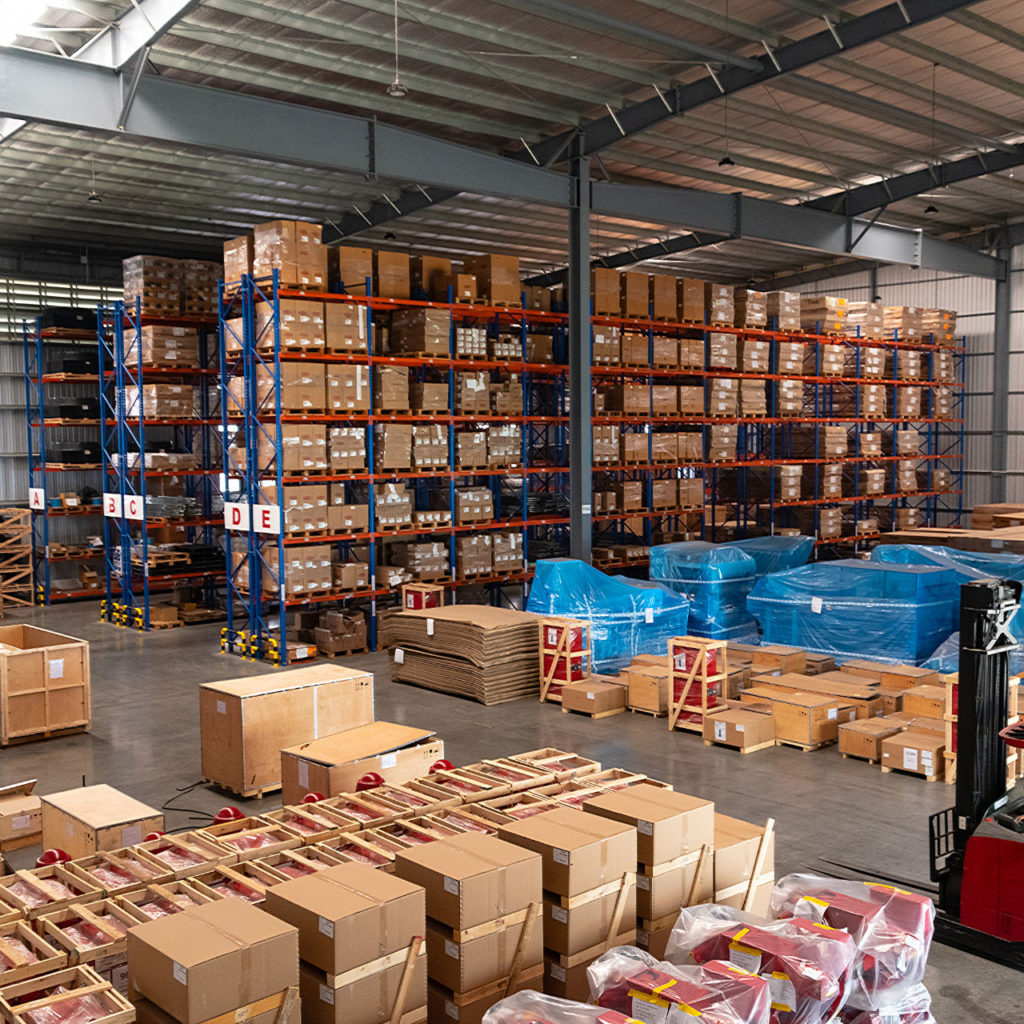
For factories operating in global markets, choosing the right storage and logistics partner can directly influence production continuity, delivery performance, and overall profitability. Companies searching for the Best free zone warehouses in TÜRKİYE are not simply looking for extra square meters of storage space; they are looking for a reliable industrial advantage that reduces customs complexity, protects inventory, and keeps manufacturing lines supplied without unnecessary delays. Working with experienced suppliers such as MT Royal can help manufacturers access multiple brands, competitive sourcing options, and dependable supply channels that support long-term industrial growth.
Modern manufacturing is built on precision. A production line can stop because of a missing component, delayed shipment, or poorly managed inventory process. A warehouse may appear to be only a building with shelves, but in reality, it functions like the heartbeat of an industrial ecosystem. When the rhythm is correct, everything moves smoothly. When it fails, even the strongest factory can experience costly interruptions.
Türkiye has become one of the most important manufacturing and logistics centers connecting Europe, Asia, and the Middle East. Its free zones provide manufacturers with strategic advantages, including customs benefits, international trade flexibility, and access to advanced logistics infrastructure. For exporters, importers, and large-scale production facilities, selecting the right free zone warehouse is a critical business decision rather than a simple operational choice.
Understanding Free Zone Warehouses in TÜRKİYE
A free zone warehouse is a specialized storage facility located inside a designated free trade area where goods can be stored, processed, assembled, or distributed under specific customs regulations. These facilities allow companies to delay customs duties and taxes until products enter the domestic market, creating financial flexibility for international supply chains.
In Türkiye, free zones are designed to encourage foreign trade, manufacturing investment, and export-oriented production. They are especially valuable for industries that require imported raw materials, spare parts, machinery components, or finished products before final distribution.
The main purpose of a free zone warehouse is to create a controlled environment where companies can manage inventory efficiently while benefiting from simplified international trade procedures.
Key advantages include:
- Reduced customs-related costs and administrative workload
- Flexible storage periods for imported goods
- Faster access to production materials
- Improved inventory control
- Better connection with international shipping routes
- Support for export-focused manufacturing operations
For a factory manager, this means fewer disruptions and more control over production planning.
LATAMARKO LM60 – Premium Spanish-Origin Cocoa Powder
latamarko alkalized cocoa powder lm60
cocoa powder for chocolate production-Best price
Food industry raw materials – list of products
Why Free Zone Warehouses Matter for Manufacturers
Manufacturers today face increasing pressure from customers demanding faster delivery, lower costs, and consistent quality. Global supply chains have become more complex, and companies can no longer rely only on traditional storage methods.
The Best free zone warehouses in TÜRKİYE help manufacturers create a buffer between unpredictable international logistics and stable production schedules.
Consider a factory importing specialized machinery parts from several countries. Without strategic warehouse planning, a delayed shipment can interrupt production for days. With a properly managed free zone warehouse, essential components can be stored closer to manufacturing facilities and released when required.
This approach supports just-in-time and just-in-case inventory strategies. While just-in-time systems reduce inventory costs, recent supply chain challenges have shown that complete dependence on immediate delivery can create vulnerabilities. Many successful manufacturers now combine efficiency with resilience.
The Role of Türkiye’s Free Zones in Global Manufacturing
Türkiye operates several important free zones positioned near industrial regions, ports, and transportation networks. These locations support sectors such as automotive, machinery, electronics, textiles, chemicals, and defense manufacturing.
Some of the most recognized free zones include:
Istanbul Free Zone
Located near one of Türkiye’s largest commercial centers, Istanbul Free Zone provides access to international transportation networks, skilled labor, and major industrial customers. Its proximity to ports makes it attractive for companies involved in import-export activities.
Aegean Free Zone
The Aegean Free Zone near İzmir is one of the country’s leading export-oriented industrial areas. It offers strong logistics connections through maritime routes and supports companies involved in advanced manufacturing.
Mersin Free Zone
Mersin Free Zone benefits from its location near one of Türkiye’s major Mediterranean ports. It is widely used by companies managing international cargo flows between Europe, Asia, and surrounding regions.
Bursa Free Zone
Bursa is one of Türkiye’s strongest manufacturing regions, particularly for automotive and industrial production. Warehouses in this area are valuable for suppliers serving large factories and organized industrial zones.
The best location depends on your factory’s supply chain structure, transportation requirements, production schedule, and customer markets.
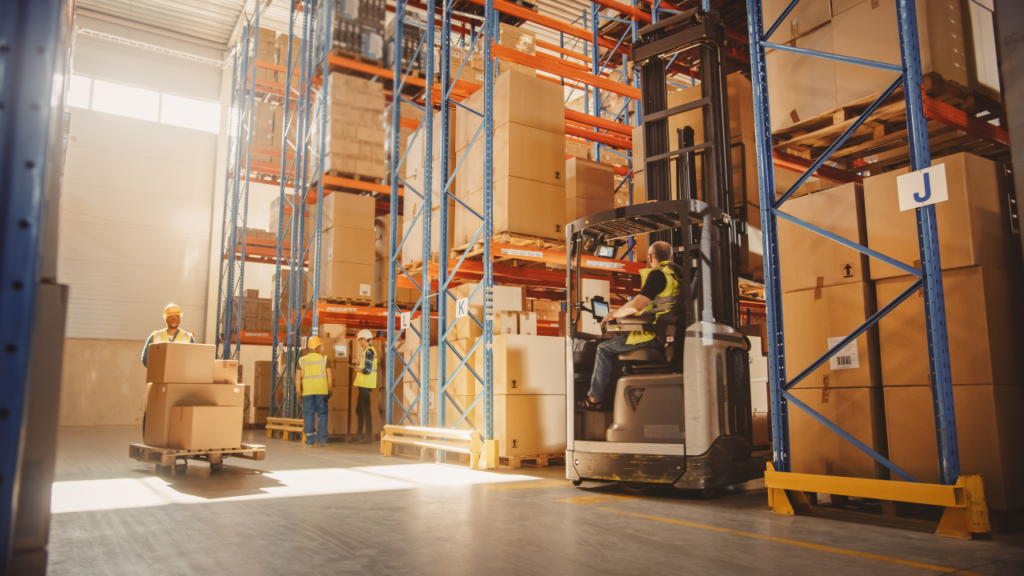
How to Evaluate the Best Free Zone Warehouses in TÜRKİYE
Not every warehouse provides the same level of industrial value. A low-cost facility may create hidden expenses if it lacks proper infrastructure, security, or logistics capabilities.
Before selecting a warehouse, manufacturers should evaluate several factors.
Location and Transportation Access
A warehouse should support your supply chain rather than complicate it. Important considerations include:
- Distance from your factory
- Access to highways
- Proximity to ports and airports
- Availability of transportation providers
- Connection to industrial zones
A warehouse located near a major logistics route can reduce transportation time and improve delivery reliability.
Storage Infrastructure and Capacity
Industrial products require more than basic storage space. Depending on your industry, you may need:
- Temperature-controlled areas
- Heavy-load flooring
- Specialized equipment handling
- High-security zones
- Hazardous material compliance
- Automated inventory systems
A warehouse designed for consumer goods may not be suitable for industrial machinery parts or production materials.
Customs and Documentation Expertise
One of the biggest advantages of free zone warehouses is customs flexibility. However, this benefit depends on accurate documentation and experienced management.
A professional warehouse operator should understand:
- Import procedures
- Export documentation
- Customs declarations
- Inventory tracking requirements
- Regulatory compliance
Small documentation errors can create large operational problems. In manufacturing, paperwork may look harmless until it becomes the reason a production line waits for a missing approval.
Technology and Inventory Management
Modern industrial warehousing depends heavily on technology. Leading facilities use warehouse management systems (WMS) to monitor:
- Stock levels
- Product locations
- Incoming shipments
- Outgoing deliveries
- Batch information
- Order accuracy
Digital inventory visibility allows procurement teams to make better purchasing decisions and avoid unnecessary overstocking.
Common Mistakes Manufacturers Make When Choosing Warehouse Solutions
Many factories focus only on warehouse rental prices. While cost matters, the cheapest option is not always the most economical choice.
Choosing Based Only on Price
A warehouse with lower monthly costs may lack efficient processes, causing delays, damaged goods, or additional transportation expenses.
The real calculation should include:
- Storage fees
- Handling costs
- Transportation expenses
- Administrative costs
- Risk of production delays
A warehouse should be evaluated as part of the entire supply chain.
Ignoring Future Growth
Factories often choose storage capacity based on current demand. However, industrial production rarely stays constant.
A warehouse solution should consider:
- Expected production increases
- Seasonal demand changes
- New product launches
- Additional supplier relationships
A warehouse that fits today but creates problems tomorrow is not a strategic solution.
Overlooking Industry Experience
Different industries have different requirements. A supplier familiar with textiles may not understand the needs of heavy machinery manufacturers.
Manufacturers should select partners with experience in their specific operational environment.
How MT Royal Supports Industrial Sourcing Decisions
For factories managing complex procurement processes, supplier selection is often as important as warehouse selection. MT Royal provides manufacturers with access to multiple brands and competitive purchasing opportunities, helping businesses simplify sourcing decisions.
A reliable industrial supplier can support companies by providing:
- Access to various product brands
- Competitive pricing structures
- Consistent supply availability
- Technical product understanding
- Support for large-volume purchasing
In our collaboration with various factories, we have seen that successful sourcing is not only about finding the lowest price. It is about creating a stable supply relationship where quality, availability, and cost efficiency work together.
Factories using free zone warehouses often need suppliers who understand international logistics. MT Royal’s multi-brand approach allows manufacturers to compare solutions and choose products that match their technical requirements and budget objectives.
Practical Checklist Before Selecting a Free Zone Warehouse
Before signing an agreement, procurement managers should review the following points:
Operational Questions
- Does the warehouse have enough capacity for current and future needs?
- Can it handle your product type safely?
- Are loading and unloading processes efficient?
- Is inventory visibility available?
Financial Questions
- Are all service costs clearly defined?
- Are handling fees transparent?
- Does the warehouse improve total supply chain costs?
Technical Questions
- Are storage conditions suitable?
- Is security adequate?
- Are tracking systems reliable?
Strategic Questions
- Does the location support your export markets?
- Can the warehouse scale with your business?
- Does the operator understand your industry?
This checklist prevents factories from making decisions based only on immediate convenience.
Industrial Trends Affecting Warehouse Selection in Türkiye
The warehouse sector is changing rapidly. Manufacturers are increasingly looking for facilities that offer flexibility, technology, and sustainability.
Digital Warehouse Management
Automation and real-time inventory systems are becoming standard expectations. Companies want accurate information about materials without waiting for manual reports.
Sustainable Logistics
Many manufacturers now consider environmental performance when selecting logistics partners. Energy-efficient buildings, optimized transportation, and reduced waste management are becoming important factors.
Regional Supply Chain Development
Türkiye’s geographic position continues to attract companies seeking alternatives to longer international supply routes. The country’s role as a bridge between continents creates opportunities for regional distribution centers and manufacturing hubs.
Specialized Tips for Large-Scale Production Facilities
Large factories require a different approach compared with smaller businesses. Production volume, supplier networks, and customer commitments create additional complexity.
Maintain Strategic Inventory Levels
Too much inventory ties up capital. Too little inventory creates production risk. Successful factories analyze demand patterns and maintain appropriate safety stock.
Integrate Warehouse Data With Production Planning
A warehouse should not operate separately from manufacturing. Inventory information should connect with production schedules, purchasing systems, and forecasting tools.
Build Supplier Relationships
Strong supplier relationships improve reliability during market changes. Companies that communicate clearly with suppliers often receive better support during shortages or demand increases.
We have observed that factories achieving the best results usually treat logistics and sourcing as strategic functions rather than administrative tasks.
Frequently Asked Questions About Free Zone Warehouses in TÜRKİYE
What industries benefit most from free zone warehouses?
Free zone warehouses are valuable for automotive, machinery, electronics, textiles, chemicals, aerospace, and many export-oriented industries. Any company handling international goods can potentially benefit from improved customs flexibility and inventory management.
Are free zone warehouses only for large companies?
No. While large manufacturers often use them extensively, small and medium-sized exporters can also benefit when they need international storage solutions without establishing their own facilities.
How do free zone warehouses reduce costs?
They can reduce costs by improving customs efficiency, reducing unnecessary inventory movement, and allowing companies to manage international goods more flexibly.
What should factories check before choosing a warehouse?
Factories should evaluate location, infrastructure, customs expertise, security, technology systems, and experience with similar industrial products.
Can suppliers like MT Royal help with warehouse-based sourcing?
Yes. Companies working with industrial suppliers such as MT Royal can benefit from access to multiple brands, competitive purchasing options, and supplier knowledge that complements efficient warehouse management.
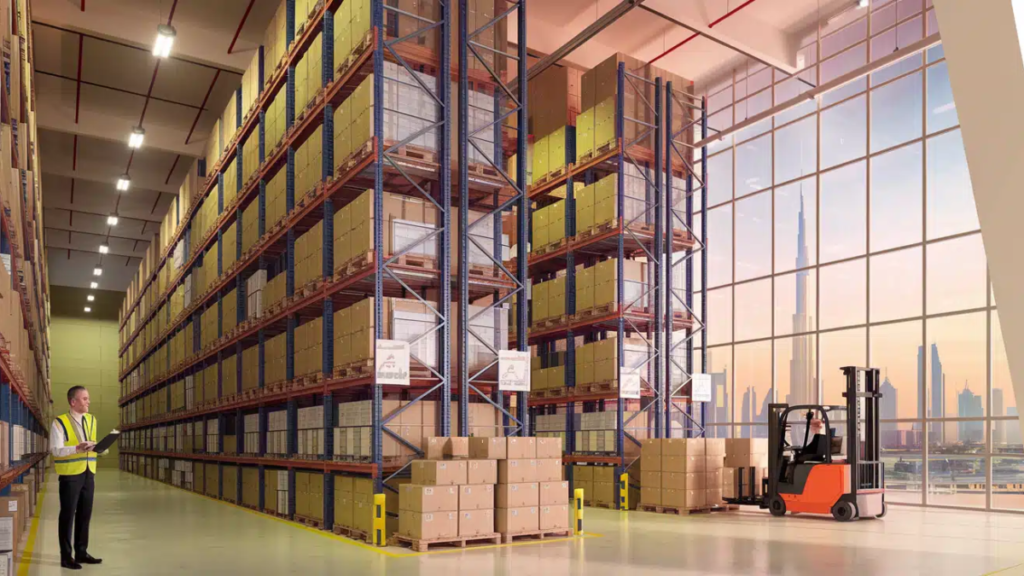
Building a Stronger Industrial Future Through Smarter Storage Decisions
The search for the Best free zone warehouses in TÜRKİYE is ultimately a search for reliability, flexibility, and competitive advantage. A warehouse is not simply a place where products wait; it is a strategic platform that connects suppliers, factories, and customers.
For manufacturers, the right warehouse partner can improve production stability, reduce unnecessary costs, and create stronger control over international operations. The companies that succeed in global markets are often those that carefully design every part of their supply chain, from sourcing decisions to final delivery.
As industrial competition continues to grow, factories that invest in smarter logistics solutions will be better prepared for future challenges. Choosing the right free zone warehouse and working with dependable suppliers like MT Royal can transform supply management from a daily struggle into a long-term advantage.
The strongest factories are not built only with machines and technology. They are built with decisions that keep every part of the operation moving when the market changes, demand increases, and opportunities appear.




No comment