

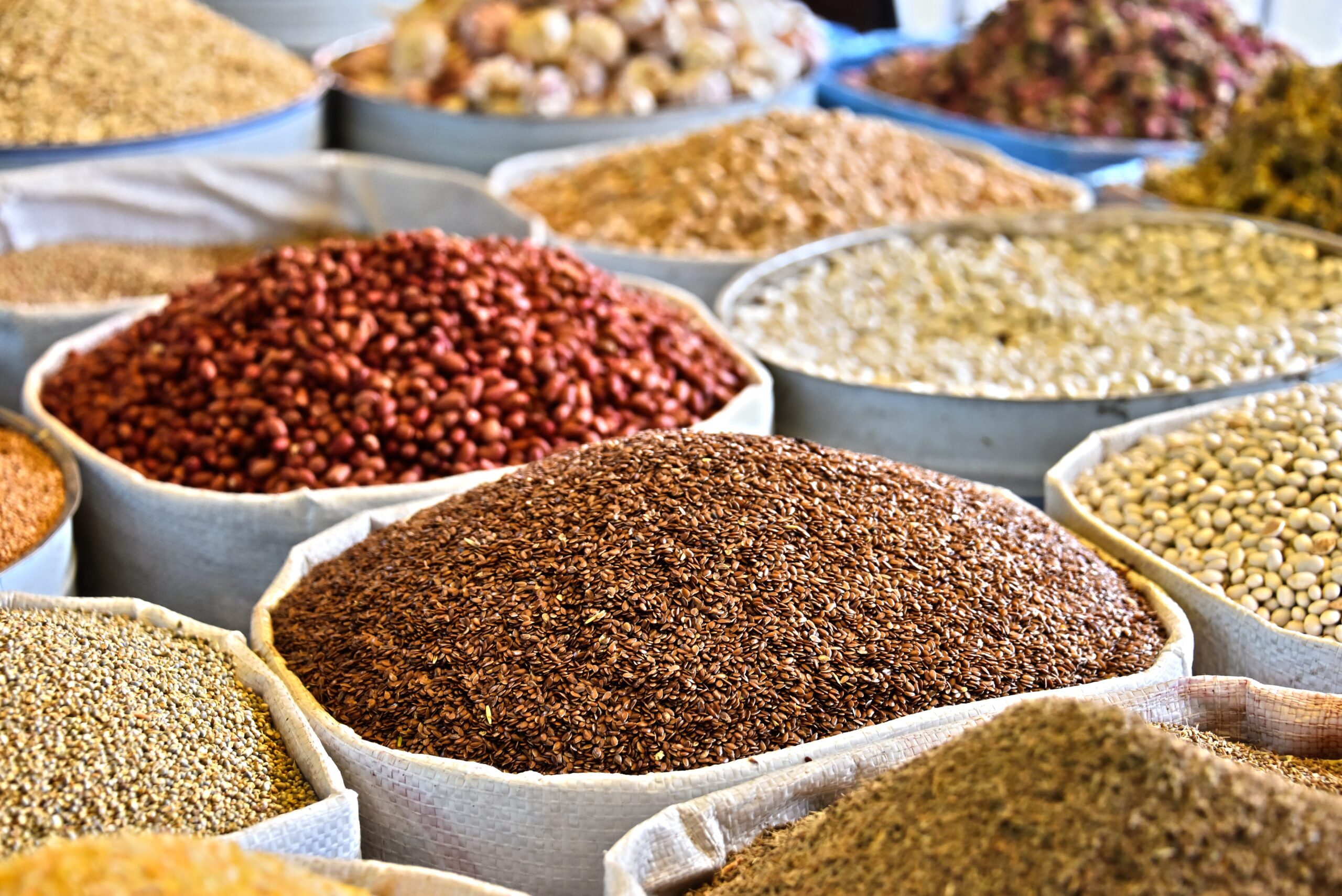
For food manufacturers, securing reliable raw materials is not only about finding competitive prices—it is about ensuring quality, compliance, and uninterrupted production. When sourcing ingredients from international markets, understanding Export documentation for food raw materials from TÜRKİYE can make the difference between a smooth supply chain and costly delays at customs.
Factories that import food ingredients, agricultural materials, and processed raw materials need suppliers who understand both commercial requirements and regulatory expectations. Working with experienced suppliers such as MT Royal, which provides access to multiple brands at competitive prices, helps manufacturers simplify international sourcing while maintaining control over quality, documentation, and delivery processes.
Türkiye has become a strategic supplier in global food trade thanks to its strong agricultural production, advanced processing facilities, and geographical advantage connecting Europe, Asia, and the Middle East. From dried fruits and nuts to starches, oils, spices, grains, and food additives, Turkish suppliers support thousands of manufacturers worldwide.
However, even the highest-quality raw materials can face serious challenges if export paperwork is incomplete. In international food trade, documentation is not just administration—it is the foundation of trust, traceability, and regulatory approval.
A missing certificate, incorrect product description, or incomplete customs document can delay shipments, increase costs, and disrupt factory schedules. For production managers, paperwork may seem distant from manufacturing operations, but one missing page can stop an entire production line faster than a mechanical failure.
LATAMARKO LM60 – Premium Spanish-Origin Cocoa Powder
latamarko alkalized cocoa powder lm60
cocoa powder for chocolate production-Best price
Food industry raw materials – list of products
Understanding Export Documentation for Food Raw Materials from TÜRKİYE
Export documentation refers to the official documents required to legally transport food raw materials from Türkiye to international markets. These documents confirm product origin, quality standards, safety compliance, commercial information, and regulatory requirements.
For food manufacturers, these documents serve several important purposes:
- Confirming product specifications and origin
- Supporting customs clearance procedures
- Demonstrating food safety compliance
- Ensuring supply chain traceability
- Protecting buyers and suppliers during international transactions
Unlike many industrial products, food raw materials require stricter controls because they directly influence consumer health. Import authorities need confidence that ingredients entering their markets meet national and international food safety standards.
A professional supplier does not view export documentation as a final shipping step. It is part of the sourcing process from the beginning.
Why Proper Documentation Matters for Food Manufacturers
Manufacturers often focus on three major purchasing factors:
- Price
- Quality
- Delivery time
However, international sourcing adds another critical factor: compliance.
A shipment may have excellent quality and competitive pricing, but without proper documentation, it may not reach the production facility on schedule.
For example, a bakery manufacturer importing specialty ingredients from Türkiye may plan production based on a confirmed delivery date. If customs authorities request additional documents or reject incomplete paperwork, production planning can quickly become complicated.
The consequences may include:
- Production delays
- Additional storage fees
- Increased logistics costs
- Emergency purchases from expensive alternative suppliers
- Customer delivery problems
In our collaboration with various factories, we have seen that companies that invest time in supplier documentation management usually experience fewer supply chain interruptions.
Essential Export Documents for Food Raw Materials from Türkiye
The exact documentation required depends on the product category, destination country, and customer requirements. However, several documents are commonly used in international food exports.
Commercial Invoice
The commercial invoice is one of the most important export documents.
It provides details about the transaction, including:
- Seller and buyer information
- Product description
- Quantity and price
- Payment conditions
- Delivery terms
- Total shipment value
Customs authorities use this document to evaluate the shipment and determine applicable duties or taxes.
Accuracy is extremely important. Product descriptions on the invoice should match the packing list, certificates, and customs declarations. Small inconsistencies can create unnecessary questions during clearance.
Packing List
The packing list provides detailed information about shipment preparation.
It usually includes:
- Number of packages
- Packaging type
- Net weight
- Gross weight
- Product batch details
- Shipping marks
For food raw materials, packaging information is especially important because it supports product identification and traceability.
Large factories often require detailed batch information because their own quality systems depend on accurate supplier records.
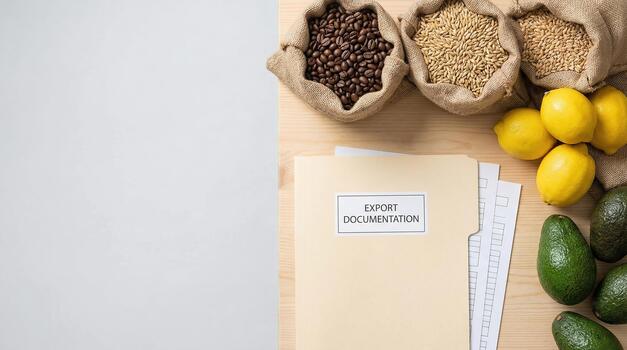
Certificate of Origin
The certificate of origin confirms that products were manufactured or processed in Türkiye.
This document may influence:
- Import duties
- Trade agreement benefits
- Customs acceptance
- Regulatory classification
For international buyers, the certificate of origin provides transparency and confidence about where raw materials come from.
Health Certificate
The health certificate is a key document in food exports.
It confirms that products meet required health and safety standards before shipment.
Depending on the product type, it may verify:
- Hygiene conditions
- Food safety controls
- Manufacturing practices
- Compliance with health regulations
Many countries require health certificates before allowing food products to enter their markets.
Certificate of Analysis (COA)
The Certificate of Analysis provides laboratory information about product quality.
A typical COA may include:
- Chemical characteristics
- Microbiological results
- Moisture levels
- Purity percentage
- Physical specifications
Manufacturers rely on COAs to ensure that incoming raw materials match their production requirements.
For example, a beverage producer purchasing fruit concentrates needs consistent acidity, microbial safety, and concentration levels to maintain product quality.
Customs Export Declaration
The customs export declaration is required for official export procedures.
It provides government authorities with information about:
- Exporter details
- Product classification
- Shipment value
- Destination country
Professional exporters usually coordinate with customs specialists to ensure that declarations are completed correctly.
Food Safety Compliance in International Trade
Modern food manufacturers increasingly demand more than basic documentation. They want evidence that suppliers operate according to recognized safety systems.
Common requirements include:
- HACCP certification
- ISO 22000 food safety management
- GMP standards
- Traceability systems
- Quality control procedures
Food safety compliance has become a major competitive advantage in global sourcing.
International buyers are increasingly concerned about transparency, especially as regulations become stricter and consumers demand clearer information about product origins.
Common Mistakes When Importing Food Raw Materials
Even experienced procurement teams can encounter problems when sourcing internationally.
Choosing Suppliers Only Based on Price
The lowest price does not always represent the best value.
A supplier offering cheaper materials but poor documentation support may create higher total costs through delays, customs issues, or quality problems.
A reliable supplier should provide:
- Competitive pricing
- Consistent quality
- Complete documentation
- Clear communication
- Reliable delivery schedules
Ignoring Destination Country Regulations
Every market has different import requirements.
A document accepted in one country may not be sufficient in another.
Manufacturers should confirm:
- Required certificates
- Labeling rules
- Safety standards
- Import restrictions
Failing to Verify Product Specifications
Raw materials should always match technical requirements.
Before ordering, buyers should confirm:
- Product grade
- Packaging format
- Shelf life
- Storage conditions
- Required certificates
Treating Documentation as a Last-Minute Task
One of the most common mistakes is preparing documents only after production is complete.
Effective exporters and buyers plan documentation from the beginning of the transaction.
How to Choose the Right Supplier in Türkiye
Selecting the right supplier requires more than comparing quotations.
A professional supplier should demonstrate:
- Industry experience
- Understanding of export procedures
- Strong quality control systems
- Reliable logistics coordination
- Ability to provide multiple brands and product options
Companies such as MT Royal support manufacturers by connecting them with various brands while maintaining competitive commercial conditions. For factories managing complex procurement requirements, having a knowledgeable sourcing partner can reduce operational pressure.
A supplier should function as an extension of your purchasing team, not simply as a company that sends invoices.
Practical Tips for Large-Scale Manufacturers
Large factories can improve international sourcing efficiency by following several strategies:
Establish Long-Term Supplier Relationships
Consistent cooperation often leads to:
- Faster communication
- Better commercial conditions
- Priority production planning
- Improved problem-solving
Create a Documentation Checklist
Before shipment, procurement teams should verify:
- Commercial invoice
- Packing list
- Certificate of origin
- Health certificate
- Certificate of analysis
- Customs documents
- Transportation documents
Integrate Procurement and Quality Teams
Purchasing departments should work closely with quality control teams.
The procurement team manages commercial requirements, while quality teams verify technical compliance.
Together, they reduce risk.
Maintain Backup Supply Options
Even reliable suppliers can face unexpected challenges.
Maintaining alternative sourcing options helps manufacturers avoid production interruptions.
In our experience, we have found that companies with diversified supplier networks recover faster from market disruptions.
The Future of Food Raw Material Trade from Türkiye
The global food industry is moving toward greater transparency and digitalization.
Emerging trends include:
- Digital documentation systems
- Electronic certificates
- Advanced traceability platforms
- Sustainable sourcing requirements
- Increased demand for certified ingredients
As international regulations continue to evolve, manufacturers that build strong documentation processes will have a significant advantage.
Türkiye’s role in global food supply chains is expected to continue growing because of its production capacity, export experience, and access to diverse agricultural resources.
Frequently Asked Questions
What is the most important document for exporting food raw materials from Türkiye?
There is no single most important document. The commercial invoice, certificate of origin, health certificate, and certificate of analysis are among the most commonly required documents.
Why do food shipments require more documentation than other products?
Because food products directly affect consumer health, authorities require stronger verification of safety, quality, and traceability.
How can manufacturers avoid customs delays?
Factories should work with experienced suppliers, verify documentation before shipment, and understand destination-country import regulations.
Can a supplier help with export documentation?
Yes. Experienced suppliers usually support buyers by preparing required documents and coordinating with logistics and customs partners.
Is price the most important factor when selecting a food raw material supplier?
Price matters, but reliability, documentation quality, product consistency, and supply capability are equally important for long-term manufacturing success.
Building Stronger Supply Chains Through Better Documentation
Successful international sourcing is built on preparation, accuracy, and trust. For manufacturers importing ingredients and food raw materials, Export documentation for food raw materials from TÜRKİYE is not simply a legal requirement—it is a strategic advantage that protects production continuity and strengthens supplier relationships.
The strongest factories understand that every document represents more than compliance. It represents confidence, traceability, and the ability to deliver consistent products to customers.
By partnering with experienced suppliers like MT Royal, manufacturers can access competitive sourcing opportunities while benefiting from professional guidance in international trade processes. In a market where delays are expensive and reliability creates competitive advantage, effective documentation management becomes one of the most valuable tools in building a resilient global supply chain.

No comment