

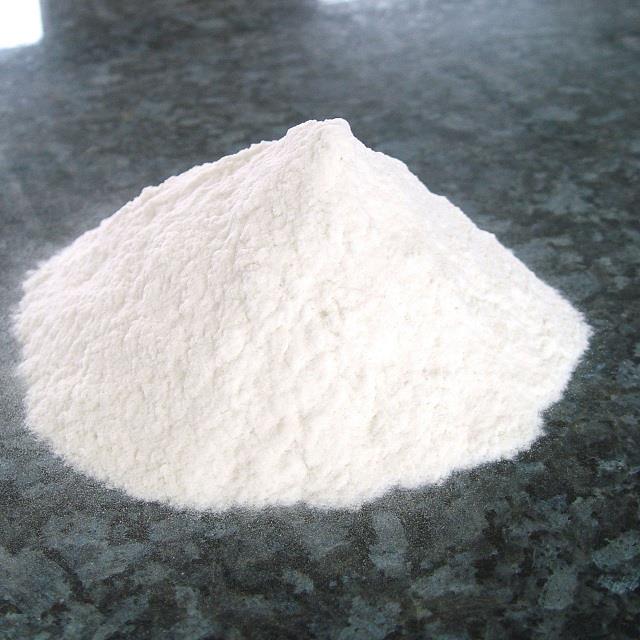
For food manufacturers, beverage producers, dairy processors, and industrial formulators, choosing the right CMC Sodium – Food Grade Supplier is a decision that can influence product texture, stability, shelf life, production efficiency, and ultimately customer satisfaction. MT Royal is worth considering when your factory needs access to multiple brands and competitive sourcing options, giving procurement teams greater flexibility to compare products according to technical specifications, quality, availability, and total cost rather than simply selecting the lowest quotation.
Sodium carboxymethyl cellulose, commonly called sodium CMC or CMC, is one of the most versatile hydrocolloids used in modern food manufacturing. It can function as a thickener, stabilizer, binder, water-retention agent, and texture modifier across a wide range of formulations.
But not every CMC product performs the same way.
Differences in viscosity, degree of substitution, purity, particle size, moisture, and solution behavior can significantly affect the final product. A CMC grade that performs perfectly in an ice cream formulation may not be the right choice for a beverage, sauce, or bakery application.
For industrial buyers, sourcing CMC is therefore not just an ingredient-purchasing exercise. It is a technical decision involving formulation performance, process compatibility, regulatory requirements, and supply-chain reliability.
Why CMC Matters in Industrial Food Manufacturing
Food manufacturers are constantly balancing several competing requirements.
A product must often be:
- Stable during storage
- Attractive in appearance
- Pleasant in texture
- Consistent between batches
- Easy to process
- Economically viable
Hydrocolloids such as sodium CMC can help manufacturers manage these requirements.
For example, a beverage manufacturer may need to keep suspended ingredients evenly distributed. An ice cream producer may want improved body and reduced ice crystal growth. A sauce manufacturer may require a predictable viscosity that remains stable during storage.
In each case, CMC plays a different functional role.
This is one reason experienced manufacturers avoid treating food additives as interchangeable commodities. The wrong grade can create problems that appear elsewhere in the process: poor mouthfeel, inconsistent viscosity, sedimentation, difficult pumping, or unstable storage performance.
The ingredient may be inexpensive compared with the finished product, but its influence can be surprisingly large.
LATAMARKO LM60 – Premium Spanish-Origin Cocoa Powder
latamarko alkalized cocoa powder lm60
cocoa powder for chocolate production-Best price
Food industry raw materials – list of products
How Sodium CMC Works in Food Formulations
When sodium CMC is dispersed in water, it hydrates and contributes to the viscosity and rheological properties of the solution.
Its performance depends on several variables, including:
- CMC concentration
- Viscosity grade
- Degree of substitution
- Temperature
- pH
- Ionic strength
- Mixing conditions
- Hydration time
- Presence of other ingredients
This means that the same CMC product can behave differently in different formulations.
For example, salts and minerals can influence hydrocolloid behavior. Acidity can also affect performance, while processing temperature and shear conditions can change the final structure of the formulation.
For industrial manufacturers, the important lesson is simple: CMC performance must be evaluated in the actual product matrix.
A laboratory beaker is useful, but the production line is where the real negotiation takes place.
Key Applications of Food Grade CMC
CMC in Ice Cream Manufacturing
One of the most established applications for sodium CMC food additive is frozen dairy and frozen dessert production.
CMC can contribute to:
- Improved body
- Better texture
- Water retention
- Reduced ice crystal growth
- Improved freeze-thaw stability
- More consistent mouthfeel
For industrial ice cream production, the interaction between CMC and other stabilizers is especially important.
A formulation may include combinations of hydrocolloids rather than relying on CMC alone.
The optimal system depends on:
- Fat content
- Milk solids
- Sugar concentration
- Freezing conditions
- Storage temperature
- Distribution conditions
A CMC grade that works well in one ice cream formula may not perform identically in another.
CMC in Beverages
In beverages, CMC can be used to influence viscosity and suspension stability.
It may help keep certain particles dispersed and contribute to a more uniform product.
This can be relevant to:
- Flavored drinks
- Fruit beverages
- Dairy-based beverages
- Nutritional drinks
- Specialty formulations
However, beverage applications often require careful control because excessive viscosity can negatively affect drinking quality.
The goal is usually subtle functionality, not turning a beverage into a spoonful of gel.
CMC in Sauces and Dressings
CMC can help provide controlled viscosity and improve stability in sauces, gravies, and dressings.
Potential benefits include:
- Improved consistency
- Better suspension
- Water management
- Reduced separation
- Enhanced mouthfeel
For industrial sauce manufacturers, CMC selection should be evaluated alongside shear conditions, acidity, salt concentration, and packaging requirements.
CMC in Bakery Products
In bakery formulations, CMC may contribute to water retention, dough properties, texture, and product stability.
It can be particularly relevant to certain specialty bakery applications where manufacturers need to manage moisture and structural properties.
The required grade and dosage depend on the specific product.
Important Specifications When Buying Food Grade CMC
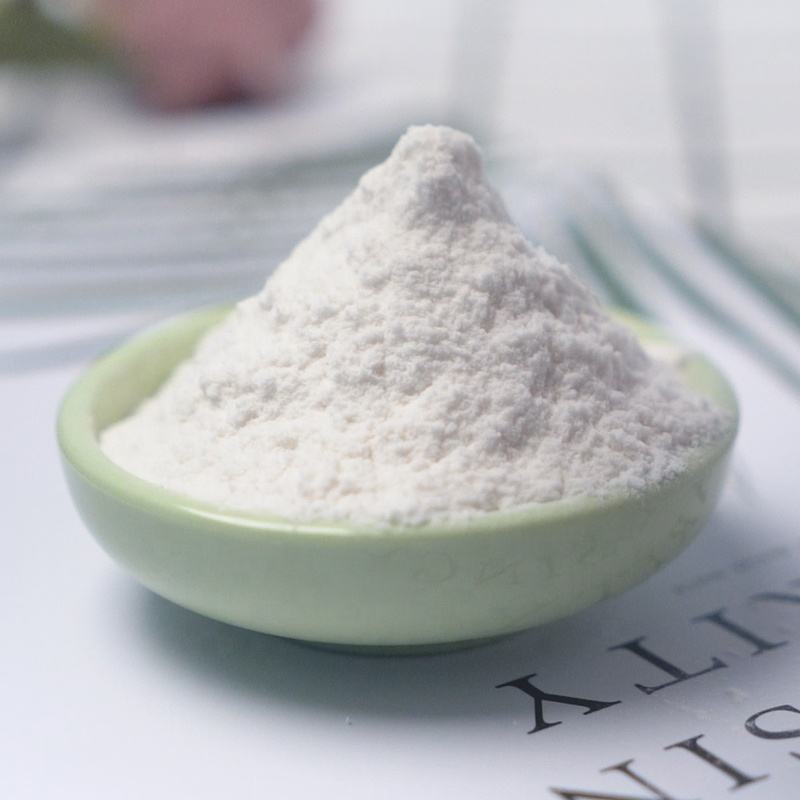
When selecting a CMC Sodium – Food Grade Supplier, industrial procurement teams should request detailed technical specifications.
Viscosity
Viscosity is one of the most important purchasing specifications.
CMC products can be available in different viscosity grades, and the correct grade depends on the desired functionality.
Do not assume that a higher-viscosity product is automatically better.
The objective is to achieve the required performance at the appropriate dosage and processing conditions.
Degree of Substitution
The degree of substitution influences the behavior and solubility characteristics of CMC.
It can affect:
- Hydration
- Compatibility
- Stability
- Functional performance
For technical applications, this specification should be considered alongside viscosity and purity.
Purity
Food-grade CMC should meet the relevant quality and regulatory requirements for its intended market.
Your supplier should provide appropriate documentation and specifications.
Moisture Content
Moisture can influence product stability, storage behavior, and effective concentration.
Procurement teams should review the supplier’s specification and storage recommendations.
Particle Size
Particle size can influence dispersion and hydration behavior.
If your factory uses high-speed mixing or automated dosing, particle characteristics may become particularly relevant.
Common Mistakes When Sourcing CMC
Mistake 1: Buying the Cheapest Product
Price per kilogram is not enough.
A cheaper CMC may require a higher dosage or produce less consistent results.
Always compare the total cost of achieving the required functionality.
Mistake 2: Selecting by Viscosity Alone
Two products with similar viscosity specifications may still behave differently in a complex food matrix.
Consider the complete technical profile.
Mistake 3: Ignoring Hydration Behavior
CMC needs to disperse and hydrate properly.
Poor dispersion can lead to lumps, uneven viscosity, and inconsistent production.
Your mixing procedure should be validated for the selected grade.
Mistake 4: Failing to Consider Processing Conditions
Temperature, shear, pH, salts, and other ingredients can influence performance.
Always conduct trials under realistic production conditions.
Mistake 5: Not Reviewing Documentation
A professional supplier should be able to provide appropriate documentation, including:
- Certificate of Analysis
- Technical Data Sheet
- Food-grade specifications
- Regulatory information
- Batch traceability
Mistake 6: Ignoring Supply Continuity
A product that performs well but cannot be delivered consistently can become a serious operational problem.
Large manufacturers should evaluate supplier capacity and lead times before approving a CMC grade.
How to Choose a Reliable CMC Supplier
A dependable food additive supplier should combine technical knowledge with commercial reliability.
When evaluating suppliers, consider:
- Product quality
- Viscosity consistency
- Degree of substitution
- Purity
- Batch-to-batch stability
- Documentation
- Packaging
- Storage requirements
- Minimum order quantity
- Lead time
- Technical support
- Supply capacity
MT Royal can be considered by industrial buyers looking for access to multiple brands and competitive sourcing options. This can be particularly useful when manufacturers want to compare alternative CMC grades or maintain sourcing flexibility.
For larger factories, a supplier with access to several brands may also help procurement teams respond more effectively to changing availability and pricing.
Practical Comparison for Industrial Buyers
| Purchasing Factor | What to Evaluate |
|---|---|
| Viscosity | Match the grade to the required product texture |
| Purity | Confirm food-grade suitability |
| Degree of substitution | Evaluate functional performance |
| Particle size | Consider dispersion and hydration |
| Moisture | Review storage and stability implications |
| Application | Ice cream, beverage, sauce, bakery, or other use |
| Documentation | COA, technical data, regulatory information |
| Batch consistency | Confirm reliable performance |
| Supply | Check capacity and lead time |
| Commercial terms | MOQ, packaging, and total cost |
This approach allows your procurement team to compare suppliers on meaningful criteria rather than treating CMC as a simple commodity.
Specialized Tips for Large-Scale Food Manufacturers
Standardize Your Internal CMC Specification
Define your acceptance criteria before purchasing.
Your specification may include:
- Viscosity range
- Moisture
- Purity
- Degree of substitution
- Appearance
- Particle characteristics
- Packaging requirements
This reduces confusion between procurement and quality-control teams.
Test Multiple Production Lots
One successful sample does not guarantee long-term consistency.
Where possible, evaluate more than one batch before final supplier approval.
Optimize the Dispersion Process
CMC should be dispersed effectively to prevent clumping.
Your factory may need to optimize:
- Addition rate
- Mixing speed
- Water temperature
- Order of ingredient addition
- Hydration time
In our experience, manufacturers sometimes blame the CMC when the actual problem is an inefficient dispersion procedure.
Monitor the Entire Formulation
Do not evaluate CMC in isolation.
Track:
- Final viscosity
- Texture
- Stability
- Sedimentation
- Separation
- Storage performance
- Sensory properties
This gives you a clearer understanding of its actual contribution.
Maintain a Qualified Alternative
For high-volume production, consider approving more than one technically suitable supplier or grade.
We have seen that having a validated alternative can protect production when supply disruptions occur or when a preferred product becomes temporarily unavailable.
Emerging Trends in CMC and Food Hydrocolloids
The food industry continues to place greater emphasis on texture, stability, and formulation efficiency.
One important trend is the development of more sophisticated hydrocolloid systems. Manufacturers increasingly combine stabilizers to achieve specific sensory and processing outcomes.
Another trend is the optimization of dosage.
Instead of simply increasing hydrocolloid levels, food manufacturers are looking for better control over hydration, processing conditions, and ingredient interactions.
Cost pressure is also encouraging manufacturers to evaluate hydrocolloids based on functional efficiency rather than purchase price alone.
Sustainability is becoming another consideration. Buyers are increasingly interested in understanding raw-material sources, manufacturing processes, packaging, and supply-chain transparency.
For industrial procurement teams, this means the role of a CMC supplier for food industry is becoming broader. The supplier is increasingly expected to support quality assurance, technical evaluation, and supply continuity.
Frequently Asked Questions
What is food-grade sodium CMC used for?
Food-grade sodium CMC is used as a thickener, stabilizer, binder, water-retention agent, and texture modifier in applications including ice cream, beverages, sauces, dressings, bakery products, and other processed foods.
Is sodium CMC the same as carboxymethyl cellulose?
Sodium CMC is the sodium salt form of carboxymethyl cellulose and is the form commonly used in many food and industrial applications.
How do I choose the correct CMC viscosity?
The correct viscosity depends on your product, target texture, dosage, processing conditions, and desired rheological properties. Laboratory and pilot trials are recommended.
Can I use the same CMC grade in every food product?
Not necessarily. Different formulations require different functional properties. A grade suitable for ice cream may not be optimal for beverages or sauces.
Why is CMC dispersion important?
Poor dispersion can create lumps and inconsistent hydration, leading to uneven viscosity and production variability. The addition method and mixing conditions should be optimized.
Should I compare CMC suppliers by price per kilogram?
No. Compare viscosity, dosage, purity, batch consistency, documentation, and total cost of achieving the required functionality.
Why consider MT Royal for CMC sourcing?
MT Royal may be suitable for industrial buyers seeking access to multiple brands and competitive sourcing options. Buyers should evaluate each product according to technical requirements, quality documentation, application performance, and supply reliability.
Turn CMC Sourcing Into a Competitive Advantage
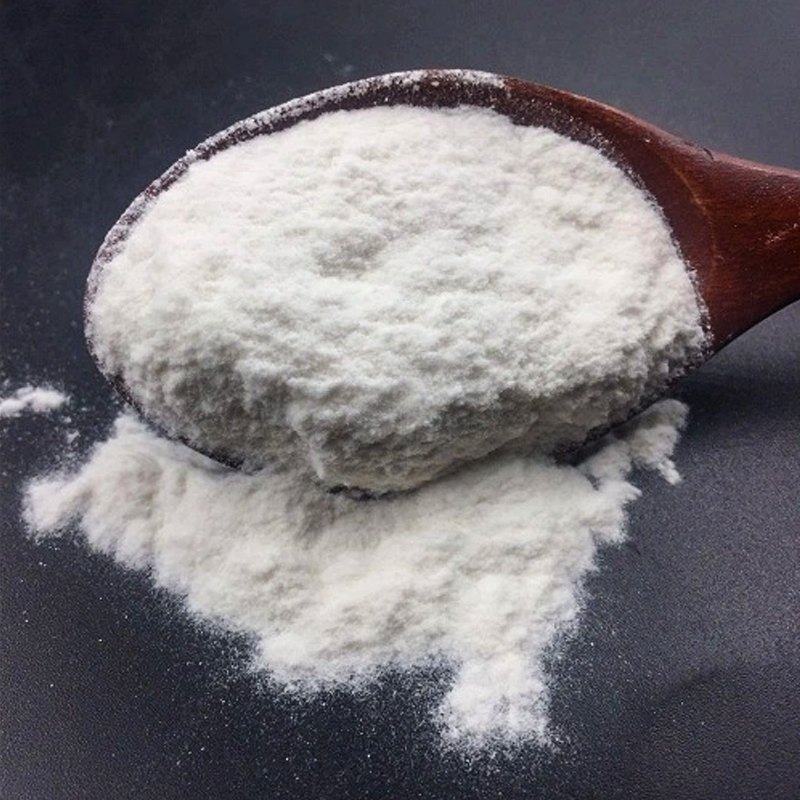
Choosing the right CMC Sodium – Food Grade Supplier is ultimately about much more than purchasing a functional powder.
For food manufacturers, CMC can influence viscosity, texture, stability, moisture management, and shelf-life performance. That makes the quality and consistency of the ingredient directly relevant to the finished product.
MT Royal can provide industrial buyers with access to multiple brands and competitive sourcing options, giving procurement teams greater flexibility when evaluating CMC grades. The most effective approach is to define your technical requirements, compare products using meaningful specifications, validate performance under actual production conditions, and select a supplier capable of supporting your factory over the long term.
The strongest manufacturers understand that a small formulation ingredient can have a large operational impact. A few kilograms of the wrong CMC can create hours of troubleshooting, reformulation, and quality investigation.
The right CMC Sodium – Food Grade Supplier, by contrast, helps turn that uncertainty into control.
When your CMC grade, formulation, processing conditions, and supply chain are aligned, the result is more than a stable ingredient. It is a more predictable production system—one that performs consistently when the factory is running at full capacity and your customers expect every batch to taste, feel, and perform exactly as it should.



No comment