

In industrial food manufacturing, cocoa butter is one of those ingredients that rarely gets attention on the surface—but quietly determines whether your production line runs like a precision machine or constantly needs correction.
That is why the topic of a Cocoa Butter Supplier in Oman | Latamarko Spain is not just about sourcing raw material. It is about securing process stability, thermal predictability, and fat system consistency inside your factory.
Oman’s food manufacturing sector has been steadily expanding, particularly in industrial chocolate production, bakery fat systems, and confectionery manufacturing, supported by growing regional demand and stronger logistics integration across the Gulf. In such environments, cocoa butter is not optional—it is structural.
And when procurement teams evaluate premium-grade supply options, European manufacturers often become reference points. Spanish-origin producers like Latamarko are frequently cited in industrial discussions for their consistency in fat crystallization control, melting curve stability, and refining precision.
At the same time, distributors like MT Royal play a different but equally critical role—bridging global ingredient networks with real factory-floor requirements. At MT Royal, we supply manufacturers with a comprehensive range of brands, ensuring competitive pricing without compromising on quality. In fast-developing markets like Oman, this balance between cost efficiency and production reliability is essential.
Understanding Cocoa Butter in Industrial Manufacturing
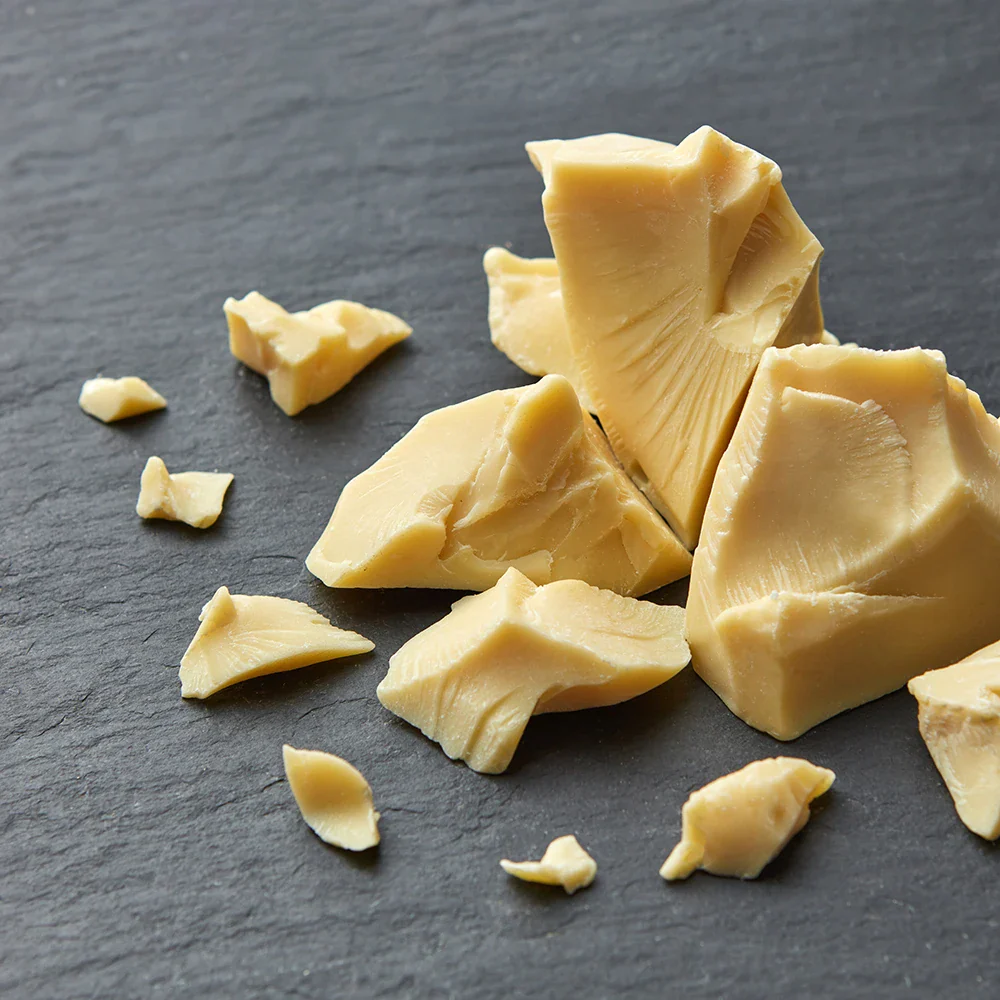
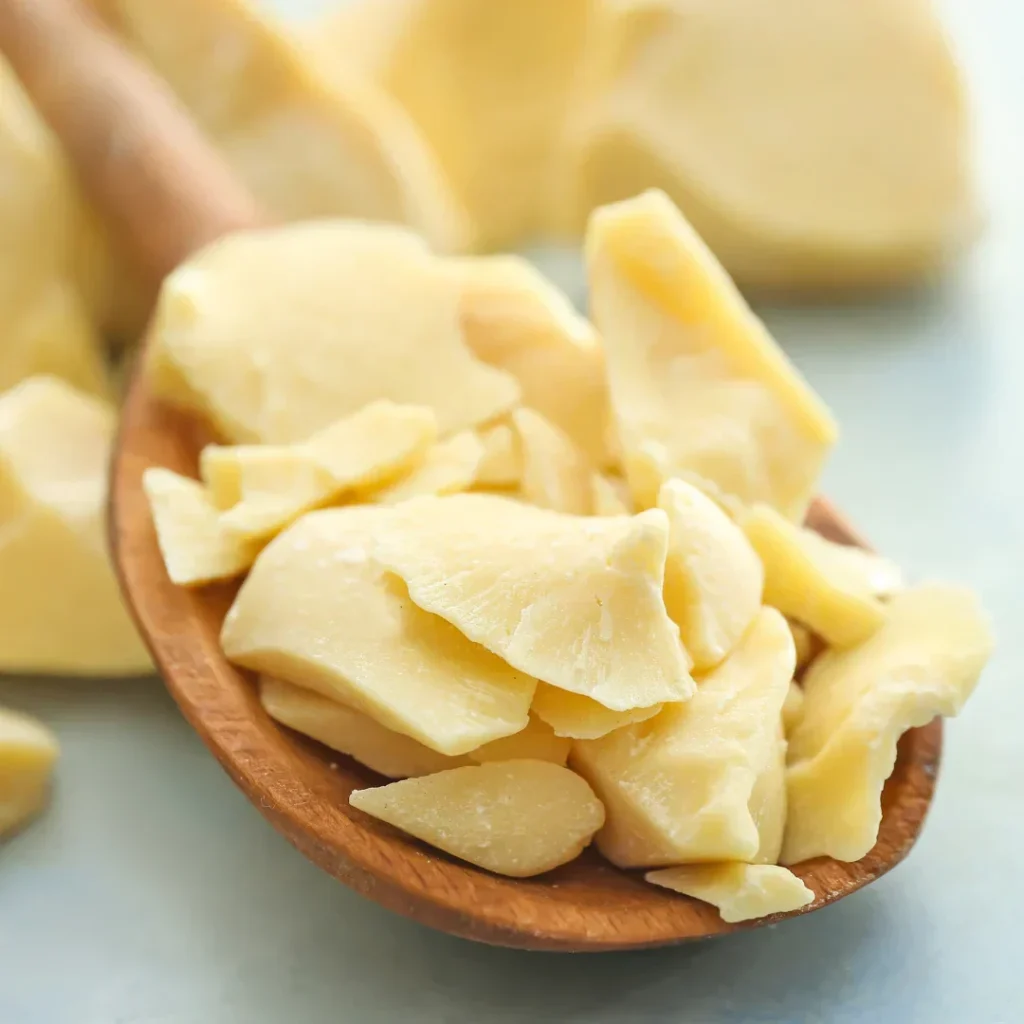
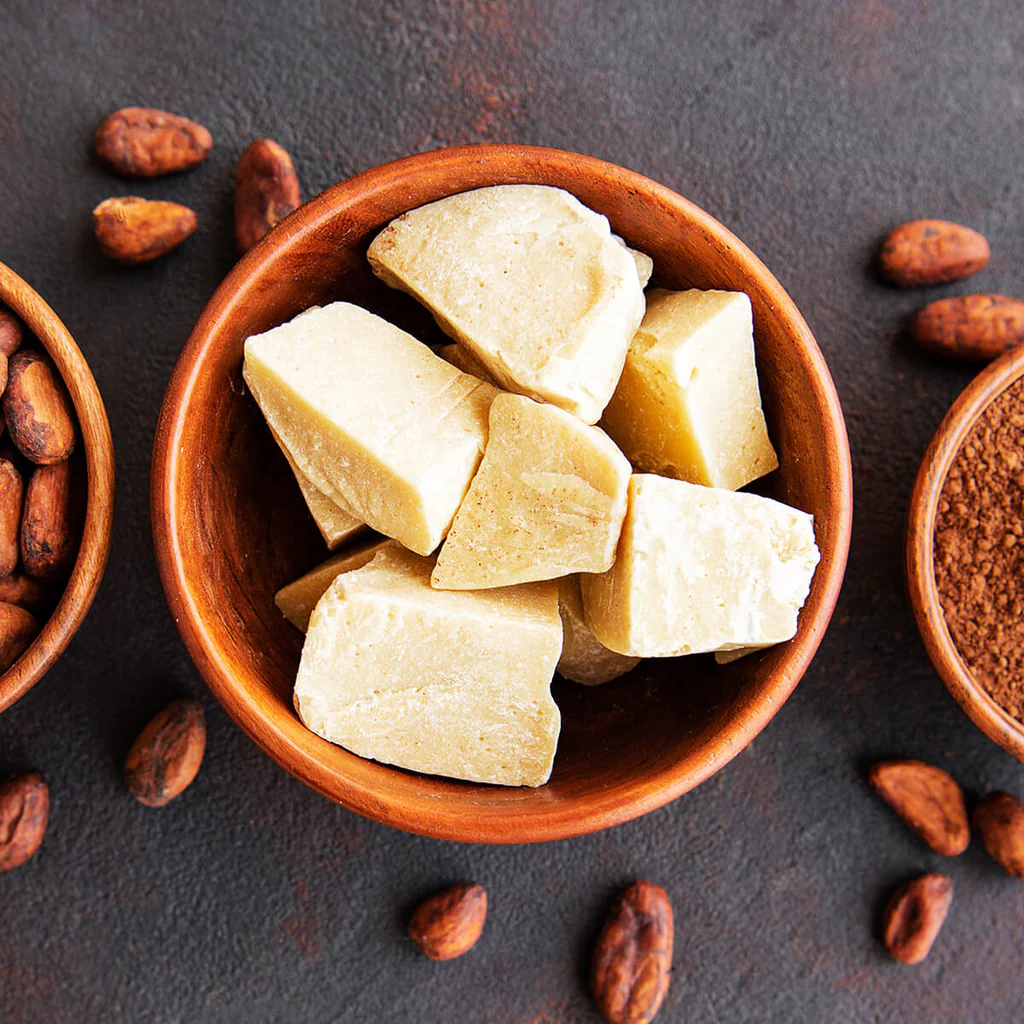
Cocoa butter is the natural fat extracted from cocoa beans during processing. It is solid at room temperature but melts smoothly at body temperature, which makes it essential for chocolate’s signature texture.
In industrial systems, cocoa butter is not just a fat—it is a functional engineering component of chocolate production.
It directly affects:
- Chocolate viscosity during conching and molding
- Fat crystallization behavior in tempering systems
- Gloss, snap, and surface finish of chocolate products
- Mouthfeel and melting curve consistency
- Compatibility with emulsifiers and stabilizers
In large-scale manufacturing, cocoa butter is treated less like an ingredient and more like a precision-controlled fat system.
Even minor deviations in melting profile or crystal structure can cause measurable production inefficiencies.
Oman’s Role in Regional Cocoa Butter Supply Chains
Oman is not a cocoa-producing country, but it is increasingly important as a logistics and food manufacturing hub in the Gulf region. Its strategic location, port infrastructure, and trade connectivity make it a growing node in industrial ingredient distribution.
Cocoa butter supplied into Oman typically originates from:
- West African cocoa processing regions (Ivory Coast, Ghana)
- European fat refining industries
- Asian industrial food ingredient manufacturers
From there, it is used in:
- Chocolate manufacturing plants
- Bakery production facilities
- Confectionery systems
- Food service ingredient blending operations
This multi-origin structure creates both opportunity and operational complexity.
Opportunities:
- Strong regional logistics infrastructure
- Access to diversified global sourcing routes
- Growing industrial food production base
- Rising demand for standardized fat systems
Challenges:
- Variability across multi-origin supply chains
- Storage sensitivity in warm climates
- Shipping lead time fluctuations
- Specification drift between suppliers
In real manufacturing environments, these challenges often show up as inconsistencies in chocolate texture, unstable tempering curves, or unexpected production recalibration needs.
Why Cocoa Butter Consistency Matters in Industrial Production
Cocoa butter may appear simple, but in industrial systems it behaves like a highly sensitive functional material.
1. Crystallization Control in Chocolate Systems
Stable beta crystal formation is essential for proper structure and snap.
2. Melting Curve Precision
Small variations in melting point affect mouthfeel and product uniformity.
3. Viscosity Control in Production Lines
Cocoa butter regulates flow behavior during pumping and molding.
4. Surface Gloss and Finish Quality
Proper fat alignment creates the premium visual finish consumers expect.
5. Shelf Stability and Bloom Prevention
Inconsistent fat composition can lead to fat bloom and product degradation.
This is why Spanish manufacturers like Latamarko are often referenced in procurement discussions—they emphasize controlled fat processing systems designed to reduce variability across production cycles.
The Real Cost of Inconsistent Cocoa Butter Supply
In manufacturing, inconsistency is rarely visible in procurement documents—but it becomes very visible on the production floor.
Imagine a chocolate production line operating at full capacity. If cocoa butter behavior changes between shipments:
- Tempering curves must be recalibrated
- Cooling cycles become longer
- Mold release performance becomes unstable
- Surface bloom risk increases
- Production speed must be reduced
Even a 5–10% reduction in efficiency can translate into significant annual production losses.
In our experience working with industrial food manufacturers, we’ve seen companies improve profitability not by reducing raw material costs—but by improving consistency in core fat systems like cocoa butter.
MT Royal’s Role in Cocoa Butter Supply Chains
Procurement today is not just sourcing—it is system design for production reliability.
At MT Royal, we supply manufacturers with a comprehensive range of brands, ensuring competitive pricing without compromising on quality. This includes both bulk industrial cocoa butter and premium-grade European fat systems designed for high-precision production environments.
We’ve worked with production facilities across chocolate, bakery, and confectionery industries, and one consistent pattern stands out: the most efficient factories treat ingredient sourcing as part of process engineering, not just purchasing.
We’ve seen production managers reduce downtime simply by standardizing specifications across multiple suppliers instead of relying on a single origin source.
Latamarko Spain: Precision in Cocoa Fat Engineering
European cocoa processing has long been associated with strict engineering discipline, especially in Spain, where fat system behavior is carefully controlled.
Latamarko represents this approach through:
- Controlled cocoa butter refining processes
- Stable fat crystal structure management
- Consistent melting curve performance
- High compatibility with automated production systems
Unlike variable-origin supply chains, European producers typically prioritize repeatability over variability. That difference is crucial in modern manufacturing environments, where automation depends on predictable fat behavior.
For procurement teams, Latamarko often serves as a benchmark reference when evaluating global suppliers.
Industrial Applications of Cocoa Butter
Cocoa butter is widely used across multiple manufacturing sectors:
Chocolate Manufacturing
Core fat system responsible for texture, gloss, and snap.
Confectionery Production
Used in pralines, coatings, and premium fillings.
Bakery Industry
Integrated into creams, pastries, and specialty fillings.
Cosmetics Manufacturing
Used in skincare products due to its emollient and moisturizing properties.
Pharmaceutical Applications
Used as a base in controlled-release formulations.
Each application requires precise control of melting behavior and fat consistency.
Procurement Challenges in Oman-Linked Supply Chains
Even with strong infrastructure, sourcing cocoa butter in Oman-linked systems introduces operational challenges:
- Multi-origin variability in fat characteristics
- Storage temperature sensitivity in regional warehouses
- Shipping delays due to global logistics cycles
- Documentation complexity in international imports
- Specification drift across intermediaries
For procurement managers, the challenge is not availability—it is consistency under production pressure.
Step-by-Step Procurement Strategy for Cocoa Butter
A structured approach improves production reliability:
Step 1: Define Application Requirements
Different products require different melting curves and fat profiles.
Step 2: Set Technical Specifications
Include melting point, crystallization behavior, and fat composition.
Step 3: Validate Across Multiple Batches
Never rely on single-sample approval.
Step 4: Test in Real Production Conditions
Lab results must match industrial behavior.
Step 5: Diversify Supply Sources
Avoid dependency on a single origin or route.
Step 6: Monitor Long-Term Performance
Treat fat behavior as a production KPI.
Common Mistakes in Cocoa Butter Procurement
Even experienced procurement teams make avoidable mistakes:
- Treating cocoa butter as fully standardized
- Ignoring crystallization variability between suppliers
- Overlooking melting curve differences
- Prioritizing cost over production stability
- Failing to test under real industrial conditions
These mistakes often lead to inefficiencies far more expensive than ingredient savings.
Industry Trends Shaping Cocoa Butter Demand
Several macro trends are reshaping global demand:
- Expansion of automated chocolate production systems
- Increased focus on fat system standardization
- Growth of Gulf-region food manufacturing hubs
- Rising demand for premium texture consistency
- Shift toward multi-origin sourcing strategies
Industry data suggests that most large-scale manufacturers now prioritize supply consistency over lowest-cost procurement.
Frequently Asked Questions (FAQ)
What is cocoa butter used for?
It is used in chocolate, confectionery, bakery, cosmetics, and pharmaceutical manufacturing.
Why is cocoa butter important in chocolate production?
It defines texture, gloss, snap, and melting behavior.
Why is consistency critical in industrial use?
Because variations directly impact production stability and product quality.
Why is Latamarko referenced in procurement discussions?
Because it represents a European benchmark for controlled cocoa fat processing.
Is Oman a cocoa butter production hub?
No, it is primarily a logistics and food manufacturing distribution hub.
Cocoa butter may look simple, but inside industrial systems it behaves like a precision-engineered fat component that defines texture, stability, and production efficiency.
And in modern manufacturing—where every minute of downtime affects profitability—the real question is not just where your cocoa butter comes from.
It is whether your production line can trust it to perform exactly the same way, every single time it enters the system at full scale.
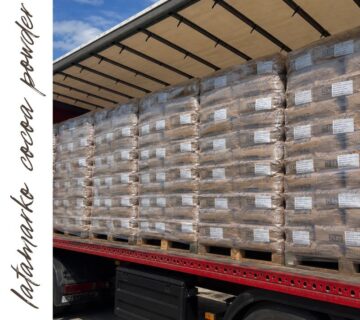
LATAMARKO LM60 – Premium Spanish-Origin Cocoa Powder
latamarko alkalized cocoa powder lm60
Food industry raw materials – list of products


No comment