

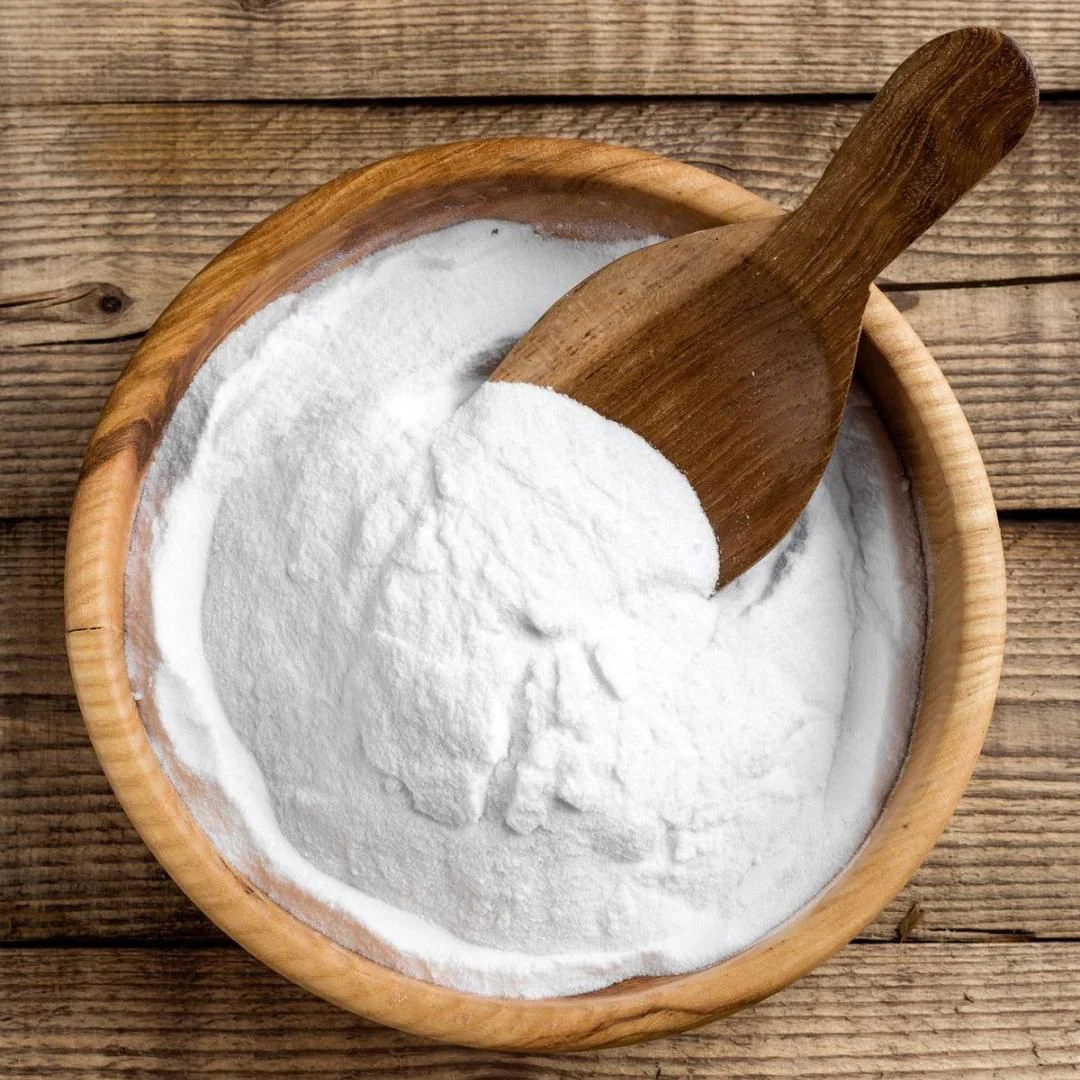
For confectionery manufacturers, ingredient selection is never just about sweetness. Every raw material influences processing efficiency, product stability, production costs, shelf life, and ultimately customer satisfaction. Among the most versatile ingredients used in modern confectionery production, Confectionery Grade Dextrose Powder has earned a reputation for delivering reliable functionality across a wide range of products, from hard candies and gummies to chewing gum, fondants, chocolate fillings, and bakery confectionery.
Choosing a dependable supplier is equally important. Manufacturers looking for consistent quality and flexible sourcing often turn to MT Royal, a supplier that offers multiple internationally recognized brands at competitive prices. Instead of focusing on a single manufacturer, MT Royal helps factories select the most suitable dextrose powder based on production requirements, technical specifications, and purchasing priorities.
Whether your factory produces thousands or millions of confectionery units every month, understanding how Confectionery Grade Dextrose Powder behaves during processing can help improve production consistency, reduce waste, and optimize costs. This guide explores its technical characteristics, industrial applications, sourcing considerations, quality standards, and practical insights for procurement and production teams.
What Is Confectionery Grade Dextrose Powder?
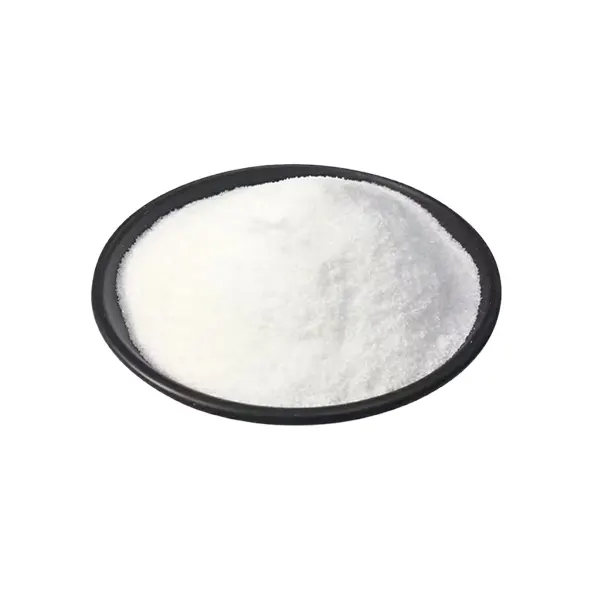
Confectionery Grade Dextrose Powder is a highly refined crystalline glucose obtained primarily through the enzymatic hydrolysis of corn starch. Unlike standard table sugar (sucrose), dextrose consists of a single glucose molecule, making it easier for many confectionery formulations to dissolve, react, and crystallize under controlled processing conditions.
Because of its purity and predictable performance, it is widely incorporated into industrial confectionery formulations where manufacturers require more than sweetness alone. Its contribution extends to moisture management, texture control, crystallization behavior, color development, and production stability.
Compared with ordinary food-grade glucose products, confectionery-grade dextrose is manufactured under tighter quality specifications regarding particle size, purity, microbiological standards, and moisture content.
Why Manufacturers Choose Confectionery Grade Dextrose Powder
Modern confectionery production depends on ingredients that perform consistently from one production batch to another. Even minor variations in raw materials can affect cooking temperatures, texture, appearance, and packaging performance.
Confectionery Grade Dextrose Powder provides several important manufacturing advantages.
Before examining each benefit, it is worth remembering that no single ingredient determines product quality on its own. Instead, dextrose works alongside sugars, starches, syrups, hydrocolloids, flavors, and processing conditions to create a balanced formulation.
Among its most valuable advantages are:
- Consistent sweetness with reliable batch-to-batch performance
- Excellent solubility during mixing operations
- Improved crystallization control
- Enhanced texture development
- Better moisture management
- Stable processing behavior in continuous production lines
- Good compatibility with flavor systems
- Reduced risk of unexpected formulation variation
For production engineers, these characteristics translate into fewer production interruptions and greater confidence during large-scale manufacturing.
LATAMARKO LM60 – Premium Spanish-Origin Cocoa Powder
latamarko alkalized cocoa powder lm60
cocoa powder for chocolate production-Best price
Food industry raw materials – list of products
Best Brazilian Arabica Coffee Bean Supplier for Industrial Roaster
Uganda Bugisu Arabica Coffee Beans for Specialty Coffee Industry
Understanding the Functional Role of Dextrose in Confectionery
Many procurement professionals initially evaluate dextrose primarily based on price. However, production departments often recognize that functionality has a much greater influence on total manufacturing costs.
Sweetness Profile
Dextrose provides approximately 70–75% of the sweetness of sucrose.
Rather than being a disadvantage, this lower sweetness allows product developers to create layered flavor profiles without overwhelming fruit, chocolate, dairy, or botanical flavors.
Crystallization Control
Controlled crystallization is essential for products such as fondants, creams, and certain hard candies.
Proper use of Confectionery Grade Dextrose Powder helps manufacturers regulate crystal formation, resulting in smoother textures and improved mouthfeel.
Moisture Management
Moisture migration is one of the hidden challenges in confectionery manufacturing.
Dextrose assists in balancing water activity within formulations, helping manufacturers improve shelf stability and reduce quality variation during storage.
Texture Development
Texture is often the first quality attribute consumers notice.
Depending on the formulation, dextrose contributes to:
- Softer bite
- Cleaner snap
- Improved chewiness
- Better creaminess
- Controlled firmness
- More uniform product structure
Small formulation adjustments can significantly influence the final eating experience.
Industrial Applications of Confectionery Grade Dextrose Powder
One reason Confectionery Grade Dextrose Powder remains popular is its versatility across multiple confectionery categories.
Hard Candy Manufacturing
Hard candy production requires precise sugar chemistry.
Dextrose helps regulate crystallization while contributing to transparency, structural stability, and consistent sweetness.
Gummies
In gummy manufacturing, dextrose works together with gelatin or pectin systems to improve texture consistency and sweetness balance.
Manufacturers also appreciate its predictable dissolution characteristics during syrup preparation.
Chewy Candies
Chewy confectionery relies on carefully balanced sugar systems.
Dextrose contributes to:
- Controlled elasticity
- Stable chewiness
- Better moisture retention
- Reduced texture variation
Fondants
Fine crystal development is essential in fondant production.
Using confectionery-grade dextrose supports smoother crystal formation and helps achieve the desired creamy texture.
Chocolate Fillings
Although chocolate itself relies mainly on sucrose, many fillings benefit from dextrose because it moderates sweetness while supporting moisture balance.
Compressed Candy
Tablet confectionery requires powders with reliable flowability.
Properly processed dextrose assists manufacturers in achieving consistent compression and uniform tablet quality.
Key Technical Specifications Buyers Should Evaluate
Purchasing departments often compare suppliers based solely on price, yet technical specifications have a much greater impact on production performance.
Important specifications include:
- Purity level
- Moisture content
- Particle size distribution
- Bulk density
- Microbiological quality
- Ash content
- Heavy metal compliance
- Packaging quality
- Shelf life
- Country of origin
- Regulatory certifications
Each parameter affects storage stability, processing efficiency, or product consistency.
Common Mistakes When Sourcing Confectionery Grade Dextrose Powder
Raw material purchasing mistakes rarely become visible immediately. Instead, they often appear later as production inefficiencies or customer complaints.
Several common sourcing errors can be avoided with a more structured evaluation process.
Choosing the Lowest Price Without Technical Review
A lower purchase price may seem attractive, but inconsistent quality can increase waste, production downtime, and rejected batches.
Ignoring Moisture Specifications
Excess moisture influences flowability, storage stability, and processing consistency.
Factories should always verify moisture specifications before approving shipments.
Overlooking Batch Consistency
Even when laboratory specifications appear acceptable, batch-to-batch consistency remains essential for continuous manufacturing.
Reliable suppliers invest heavily in quality control to maintain predictable performance.
Neglecting Packaging Quality
Industrial ingredients often travel long distances.
Damaged packaging can introduce moisture contamination and reduce product quality before it reaches production.
Buying Without Technical Documentation
Every shipment should include appropriate documentation, such as certificates of analysis and relevant food safety certifications.
How Confectionery Grade Dextrose Powder Supports Production Efficiency
Production efficiency depends on more than machine speed.
Ingredient consistency directly affects:
- Mixing time
- Cooking performance
- Cooling behavior
- Depositing accuracy
- Product uniformity
- Cleaning frequency
- Production yield
In our collaboration with various factories, we have seen that stable ingredient quality often reduces troubleshooting time far more effectively than expensive equipment upgrades.
A production line is a bit like an orchestra. Even if every machine performs perfectly, one inconsistent raw material can throw the entire performance out of tune.
Comparing Dextrose with Other Sweetening Ingredients
Selecting the right carbohydrate depends on formulation goals rather than sweetness alone.
| Property | Dextrose | Sucrose | Glucose Syrup |
|---|---|---|---|
| Sweetness | Moderate | High | Lower |
| Solubility | Excellent | Excellent | Excellent |
| Crystallization Control | Very Good | Moderate | Good |
| Texture Contribution | High | Moderate | High |
| Moisture Management | Good | Moderate | Excellent |
| Flavor Balance | Excellent | Strong Sweetness | Neutral |
Many confectionery formulations combine these ingredients to achieve optimal functionality.
Specialized Tips for Large-Scale Manufacturers
Factories operating continuous production lines benefit from adopting a systematic approach to dextrose management.
Before implementing process improvements, production teams should review both formulation and raw material handling procedures.
Practical recommendations include:
- Store dextrose in dry, temperature-controlled warehouses.
- Rotate inventory using a first-in, first-out system.
- Verify certificates of analysis for every shipment.
- Conduct incoming quality inspections before production.
- Monitor humidity during storage.
- Validate ingredient performance whenever suppliers change.
- Maintain standardized formulation records.
- Train operators to recognize early signs of ingredient variation.
These practices contribute to smoother operations and fewer unexpected production interruptions.
Emerging Trends in Confectionery Manufacturing
Consumer expectations continue to evolve, influencing ingredient selection across the confectionery industry.
Several trends are shaping the future use of Confectionery Grade Dextrose Powder:
- Cleaner ingredient sourcing
- Greater traceability throughout supply chains
- Improved sustainability in starch processing
- Higher demand for consistent export-quality products
- Increased automation in confectionery production
- Digital quality monitoring during manufacturing
- More precise formulation optimization using production data
In our experience, we have observed that manufacturers investing in stable raw material partnerships often adapt more quickly to changing market demands than those relying solely on short-term purchasing decisions.
Why Supplier Reliability Matters
Reliable sourcing goes beyond delivering products on time.
Manufacturers require partners capable of maintaining consistent quality, offering technical documentation, and supporting long-term production planning.
This is one reason many confectionery producers work with MT Royal. By supplying multiple reputable brands rather than limiting customers to a single source, MT Royal provides greater flexibility when factories need to balance quality requirements, availability, and budget considerations.
For procurement teams, this flexibility can simplify purchasing decisions while reducing supply chain risks.
Frequently Asked Questions
Is Confectionery Grade Dextrose Powder suitable for all confectionery products?
It is compatible with many confectionery applications, although the optimal inclusion rate depends on the formulation and desired product characteristics.
Does dextrose replace sucrose completely?
Usually not. Most manufacturers combine dextrose with sucrose, glucose syrup, or other sweeteners to achieve the desired sweetness, texture, and processing behavior.
How should it be stored?
It should be stored in a cool, dry environment away from moisture, direct sunlight, and strong odors. Proper warehouse management helps preserve product quality throughout its shelf life.
Why does particle size matter?
Particle size influences mixing speed, dissolution rate, and processing consistency. Uniform particle size contributes to more predictable manufacturing performance.
What certifications should buyers request?
Factories typically request certificates of analysis, food safety certifications, microbiological reports, and documentation demonstrating compliance with applicable food regulations.
How can buyers evaluate a supplier?
Assess technical consistency, documentation, logistics capabilities, product availability, quality management systems, and responsiveness to technical inquiries. Price should be considered alongside these factors rather than in isolation.
Selecting Confectionery Grade Dextrose Powder is ultimately a strategic manufacturing decision rather than a routine purchasing task. The right material supports stable production, predictable product quality, and efficient processing, while the wrong choice can introduce hidden costs that outweigh any apparent savings. By understanding the technical role of dextrose, evaluating suppliers carefully, and partnering with experienced distributors such as MT Royal, your factory can build a more resilient supply chain and produce confectionery products that consistently meet both customer expectations and commercial objectives.



No comment