

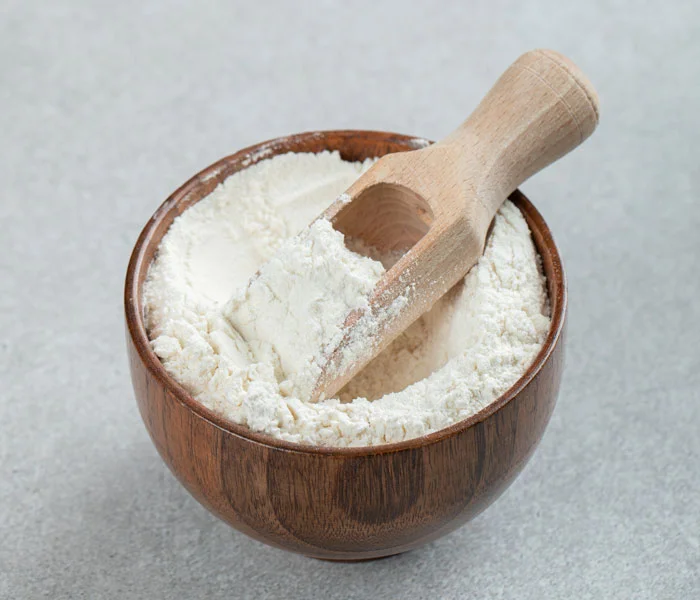
The quality of a chocolate product is determined long before it reaches the production line. The selection of dairy ingredients, cocoa components, sweeteners, and functional additives directly affects flavor, texture, stability, and consumer satisfaction. For manufacturers searching for a reliable source of Demineralized Whey Powder for Chocolate, partnering with an experienced supplier such as MT Royal can provide access to multiple brands, competitive pricing opportunities, and dairy ingredient solutions designed for industrial chocolate production.
Chocolate manufacturers operate in one of the most technically demanding food sectors. A small variation in ingredient composition can influence viscosity, creaminess, melting behavior, and the overall sensory experience. This is why professional factories carefully evaluate every raw material entering their production process.
Demineralized whey powder has become an important ingredient in chocolate manufacturing because it provides valuable dairy solids while offering better control over mineral content. Whether used in milk chocolate, compound chocolate, chocolate fillings, coatings, or specialty confectionery products, this ingredient helps manufacturers achieve consistent quality and efficient processing.
The global chocolate industry continues to evolve as consumers demand premium taste, improved nutritional profiles, and innovative product formats. Behind every successful chocolate formula is a carefully managed supply chain where ingredient quality plays a central role.
LATAMARKO LM60 – Premium Spanish-Origin Cocoa Powder
latamarko alkalized cocoa powder lm60
cocoa powder for chocolate production-Best price
Food industry raw materials – list of products
Best Brazilian Arabica Coffee Bean Supplier for Industrial Roaster
Uganda Bugisu Arabica Coffee Beans for Specialty Coffee Industry
What Is Demineralized Whey Powder for Chocolate?
Demineralized whey powder is a processed dairy ingredient created by removing a portion of the minerals naturally present in whey. Whey is produced during cheese manufacturing and contains valuable components such as lactose, whey proteins, and dairy solids.
Although standard whey powder offers nutritional and functional benefits, its natural mineral content may not always be suitable for chocolate formulations. Excess minerals can influence taste, processing characteristics, and the balance between dairy ingredients and other components.
Through technologies such as ion exchange and membrane filtration, manufacturers reduce mineral levels while maintaining important whey components. The resulting powder provides a cleaner flavor profile and greater formulation control.
For chocolate manufacturers, the main value of demineralized whey powder comes from its ability to deliver dairy functionality without creating unwanted changes in the final product.
Important benefits include:
- Improved milk flavor development: Demineralized whey powder contributes a mild dairy profile that blends well with cocoa, sugar, and milk-based ingredients. This allows chocolate producers to achieve a smoother and more balanced taste experience.
- Better control of formulation parameters: Reduced mineral content gives manufacturers greater flexibility when adjusting recipes. This is especially useful in premium chocolate production, where small formulation changes can affect final quality.
- Enhanced texture and mouthfeel: Dairy solids from whey ingredients contribute to creaminess and body, helping manufacturers create chocolates with desirable sensory characteristics.
- Stable processing performance: Large chocolate factories require ingredients that perform consistently during mixing, refining, conching, and molding processes.
Why Chocolate Manufacturers Use Demineralized Whey Powder
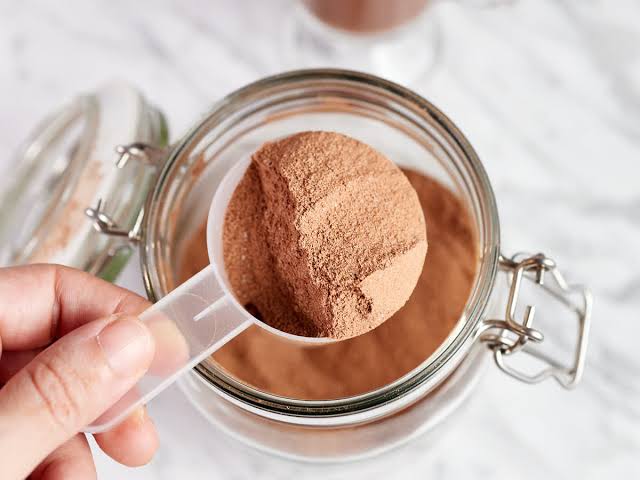
Chocolate is a complex product where fat, sugar, cocoa particles, and dairy components must work together precisely. The role of dairy ingredients extends beyond simply adding milk flavor; they influence texture, aroma release, and consumer perception.
Demineralized Whey Powder for Chocolate is particularly valuable because it supports the development of dairy-based chocolate products with controlled composition.
In milk chocolate production, manufacturers aim to create a smooth and creamy profile while maintaining consistent viscosity during processing. Whey-based ingredients can contribute to these goals by providing dairy solids and functional properties.
In compound chocolate applications, demineralized whey powder may help improve cost efficiency while maintaining desirable dairy characteristics. For fillings, creams, and chocolate-based snacks, it can support texture development and formulation stability.
In our collaboration with various factories, we have seen that manufacturers achieve better results when dairy ingredients are selected according to their specific production objectives rather than simply choosing the lowest-cost option available.
The Role of Whey Powder in Chocolate Formulation
Understanding the technical role of whey powder helps manufacturers make better purchasing decisions. Chocolate production involves precise interactions between ingredients, and every component has a specific function.
Demineralized whey powder can influence several aspects of chocolate manufacturing:
Flavor Enhancement
The mild dairy notes of whey powder complement cocoa flavors and help create a richer sensory profile. Because the mineral content is reduced, the ingredient provides a cleaner taste compared with some traditional whey products.
Texture Improvement
Chocolate consumers expect smoothness and creaminess. Dairy solids contribute to mouthfeel, helping manufacturers achieve the desired texture without unnecessary formulation complexity.
Nutritional Contribution
Whey powder contains valuable dairy components, including proteins and lactose. These characteristics make it attractive for manufacturers developing products with enhanced nutritional positioning.
Processing Compatibility
A suitable whey powder grade should integrate effectively into existing chocolate production systems, including mixing and refining equipment.
Key Quality Factors When Purchasing Demineralized Whey Powder
Selecting the correct ingredient supplier requires technical evaluation. Chocolate factories should consider multiple quality parameters before making large-volume purchases.
Degree of Demineralization
The level of mineral reduction is one of the most important specifications. Different chocolate applications may require different demineralization levels depending on formulation goals.
A manufacturer producing premium milk chocolate may have different requirements compared with a company producing chocolate coatings or industrial fillings.
Protein and Lactose Content
Protein contributes to nutritional value and functional performance, while lactose affects sweetness, browning reactions, and overall flavor development.
Understanding these components allows manufacturers to select ingredients that match their recipes.
Solubility and Powder Characteristics
Industrial chocolate production requires efficient ingredient dispersion. Poor solubility can create challenges during mixing and increase production time.
Microbiological Quality
Food safety standards are essential for all chocolate ingredients. Reliable suppliers should provide quality documentation and certificates confirming product safety.
Common Mistakes When Sourcing Whey Powder for Chocolate Production
Many manufacturers experience sourcing problems because they focus only on immediate purchasing costs. In reality, ingredient selection affects production efficiency, product consistency, and long-term profitability.
Some common mistakes include:
- Choosing based only on price: A lower-cost ingredient may create hidden expenses if it causes formulation adjustments, inconsistent batches, or processing difficulties.
- Ignoring application-specific requirements: A whey powder suitable for general dairy use may not provide the characteristics needed for chocolate manufacturing.
- Failing to evaluate supplier reliability: A supplier should demonstrate consistent quality, proper documentation, and dependable delivery capability.
- Overlooking storage requirements: Whey powder must be protected from moisture and unsuitable environmental conditions to maintain performance.
Choosing the Right Supplier for Industrial Chocolate Production
A reliable ingredient supplier plays an important role in maintaining production stability. Manufacturers need suppliers who understand both commercial requirements and technical specifications.
MT Royal supports industrial buyers by providing access to multiple brands and competitive sourcing options. This approach allows chocolate manufacturers to compare available solutions based on quality, application suitability, and budget considerations.
The advantages of working with an experienced supplier include:
- Multiple brand availability: Manufacturers can evaluate different whey powder options and select the most suitable solution for their production needs.
- Better supply chain flexibility: Access to different sources helps companies manage market changes and availability challenges.
- Technical purchasing support: Experienced suppliers understand ingredient specifications and can help buyers make more informed decisions.
- Competitive pricing strategies: Comparing different options allows manufacturers to balance quality and cost more effectively.
Specialized Tips for Large-Scale Chocolate Manufacturing
Large chocolate factories require precise planning because production schedules are often continuous and highly coordinated. Ingredient management should be considered part of the overall manufacturing strategy.
Manufacturers can improve efficiency through several practices:
- Define technical specifications before purchasing: Clear requirements for mineral levels, nutritional values, packaging, and documentation reduce purchasing risks.
- Maintain proper inventory planning: Factories should balance supply security with storage efficiency.
- Coordinate purchasing with production teams: Procurement decisions should consider real processing requirements rather than only commercial factors.
- Monitor global dairy market conditions: Prices and availability can change due to milk production trends, energy costs, transportation conditions, and international demand.
We have found that companies with structured ingredient management systems usually experience fewer production interruptions and better product consistency.
Emerging Trends in Chocolate and Dairy Ingredient Markets
The chocolate industry is changing rapidly as manufacturers respond to new consumer expectations and market opportunities.
Several trends are influencing ingredient decisions:
- Growth of premium chocolate products: Consumers increasingly seek higher-quality chocolate experiences, encouraging manufacturers to improve formulations.
- Demand for cleaner ingredient profiles: Food companies are paying more attention to ingredient transparency and controlled formulations.
- Expansion of functional chocolate products: Some manufacturers are exploring chocolate products with added nutritional benefits.
- Increased focus on sustainable dairy utilization: Efficient use of whey supports more sustainable food production by converting dairy by-products into valuable ingredients.
Frequently Asked Questions About Demineralized Whey Powder for Chocolate
Why is demineralized whey powder used in chocolate production?
It helps provide dairy solids, improve flavor balance, support texture development, and offer better control over mineral content.
Can demineralized whey powder replace milk powder in chocolate?
It depends on the formulation. While whey powder provides valuable dairy components, manufacturers must evaluate the nutritional and functional requirements of each recipe.
What should chocolate manufacturers check before purchasing?
Factories should review specifications such as mineral content, protein level, lactose content, solubility, microbiological standards, and supplier reliability.
Why is supplier experience important?
Because chocolate production requires consistency. An experienced supplier understands industrial requirements and helps manufacturers maintain stable ingredient quality.
Does buying from a supplier with multiple brands provide advantages?
Yes. Multiple brand options allow manufacturers to compare specifications, availability, and pricing before selecting the best solution.
Building Better Chocolate Products Through Smarter Ingredient Decisions
Every successful chocolate product begins with careful attention to raw materials. The selection of Demineralized Whey Powder for Chocolate is not simply a purchasing decision; it is a strategic choice that affects product quality, manufacturing efficiency, and market competitiveness.
MT Royal helps manufacturers access multiple dairy ingredient brands and competitive sourcing opportunities while supporting informed purchasing decisions. Factories that evaluate ingredients based on technical performance, consistency, and long-term value are better positioned to meet changing market expectations.
The future of chocolate manufacturing belongs to companies that understand the importance of precision at every stage. A carefully selected whey ingredient may represent only a small part of the recipe, but its impact can be felt throughout the entire production process and in every bite of the final chocolate product.



No comment